
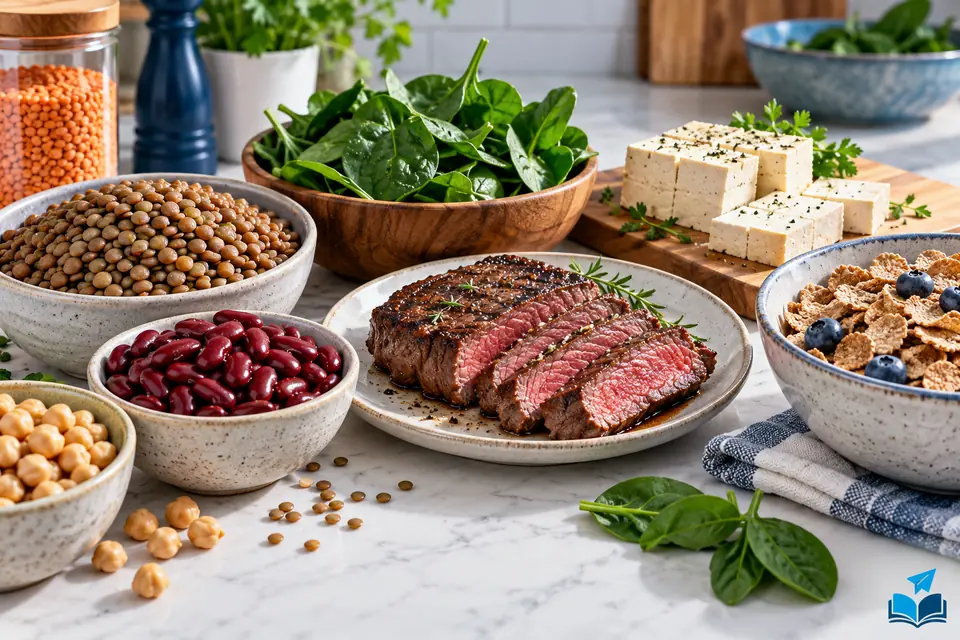
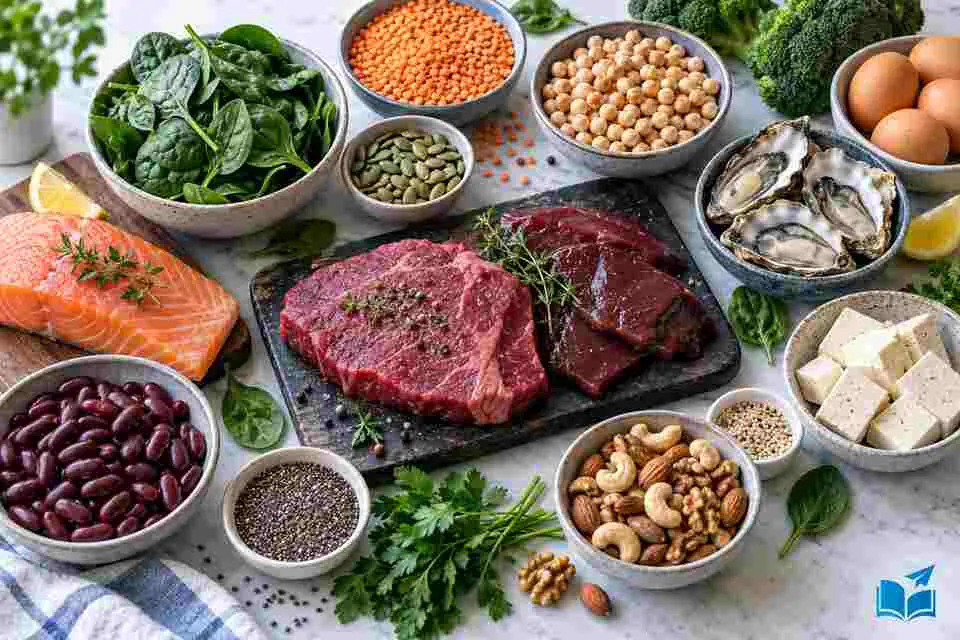
Iron is the quiet worker that carries your energy. It helps your blood move oxygen around. So what foods are highest in iron? The best sources may already sit in your kitchen.
Rather than reaching for pills, start with real food. Whole meals deliver iron in a natural package. They bring protein and vitamins along too. Your body reads food better than supplements. These foods shape your daily essential nutrients quietly.
Here is the honest answer. Red meat and organ meats top iron lists. Shellfish, beans, and lentils follow close behind. Leafy greens, seeds, and fortified cereals add more. A varied plate hits high numbers with ease. This is not medical advice. See a professional.
This guide covers the richest iron foods in plain language. You will see which choices pack the most. We will compare heme iron and non-heme iron. Many tips link back to the health benefits of fruits and vegetables.
So what foods are highest in iron?
The honest answer starts with meat. Red meat and liver lead the pack. Shellfish like oysters rank very high. Beans, lentils, and tofu come next. Leafy greens and seeds follow close behind.
Think of iron foods as a toolbox. Each one adds a useful amount. Together they build a strong daily total. No single food has to carry it alone.
Do you need exotic superfoods to win? Not at all, and that saves money. Everyday beans and greens do the job. Simple staples carry plenty of iron. Your wallet and blood both benefit. Fancy labels rarely mean more iron.
What makes a food high in iron
High iron foods come in two main types. Animal foods carry heme iron. Plant foods carry non-heme iron.
Heme iron is absorbed more easily. Non-heme iron needs a little help. Smart pairings close much of that gap.
Look for foods you can build meals around. Meat, beans, greens, and seeds fit well. Variety fills the gaps almost by itself. A mixed plate covers iron with ease.
Did you know?
Most of your body’s iron rides inside red blood cells. It helps carry oxygen to every corner.
Red meat and organ meats lead
Red meat sits near the very top. Beef and lamb carry rich heme iron. Your body absorbs it very well.
Organ meats push even higher. Liver is one of the richest sources. A small serving delivers a big amount.
Add lean beef to stir-fries and stews. Enjoy liver now and then in moderation. Keep portions sensible and balanced. A couple of servings each week go far. Dark poultry meat helps too. Beef mince works well in many dishes.
Shellfish and fish
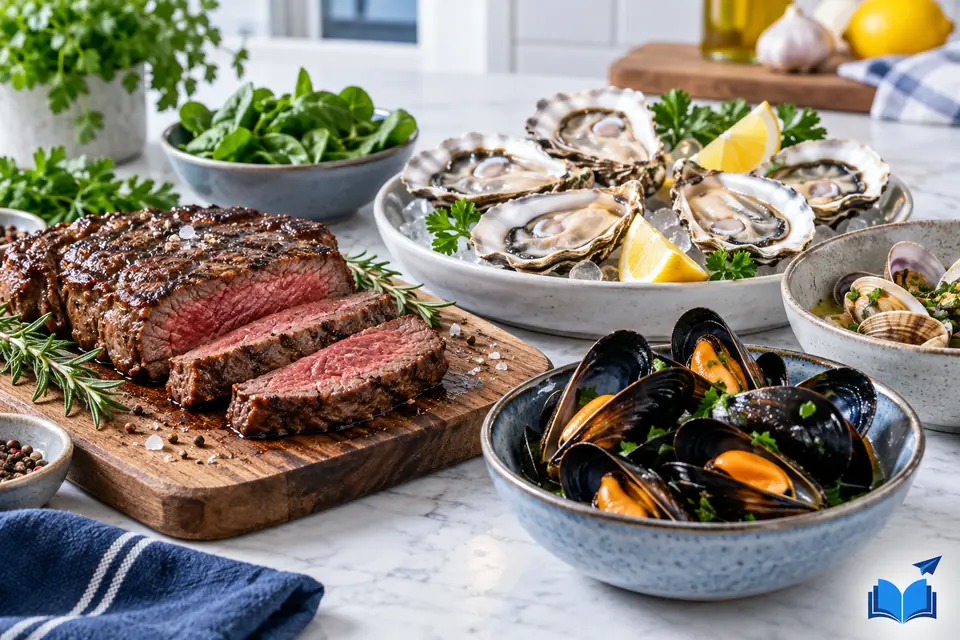
Shellfish are quiet iron champions. Oysters, mussels, and clams rank high. They carry easily absorbed heme iron.
Some fish add iron as well. Sardines and tuna are handy picks. They bring healthy fats along too. Anchovies pack iron into small servings.
Add mussels or clams to a pasta dish. Mash sardines onto whole grain toast. Enjoy seafood a couple of times weekly. These foods pack a big iron punch. Canned tuna makes a quick lunch too.
Beans and lentils
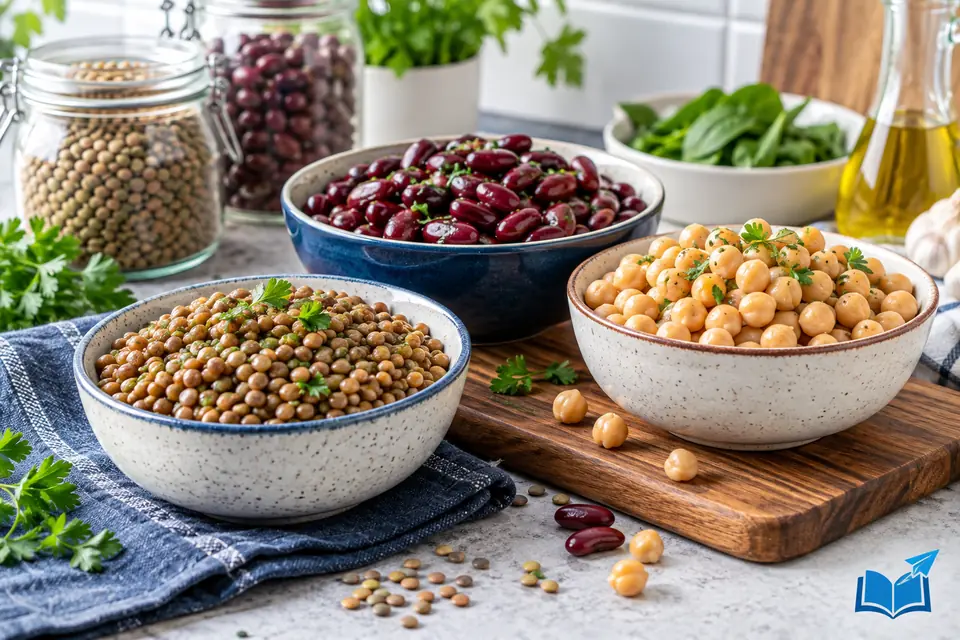
Beans and lentils lead the plant sources. They pack iron and protein in one bite. Few plant foods match their value.
Lentils, chickpeas, and kidney beans shine. Canned versions save time and effort. They suit almost any meal. Black beans and white beans work well too.
Add lentils to soups and curries. Blend chickpeas into a simple dip. See more foods naturally high in protein here. A few servings each week go far. Tofu and edamame add iron as well.
Leafy greens with iron
Leafy greens deliver iron with few calories. Spinach and Swiss chard stand out. They bring vitamins and fiber too.
This iron is the non-heme type. It absorbs better with vitamin C. A squeeze of lemon helps a lot.
Add greens to soups, stir-fries, and smoothies. See the most nutrient dense leafy greens here. Steam them lightly for the best result. A daily serving of greens goes far. Kale and beet greens help as well.

Nuts, seeds, and whole grains
Nuts and seeds add steady iron. Pumpkin seeds and cashews stand out. A small handful adds up fast.
Whole grains help as well. Oats, quinoa, and whole wheat carry iron. They keep the nutrient-rich outer layers. Amaranth and fortified pasta add iron too.
Sprinkle pumpkin seeds onto salads and oats. Snack on a small handful of cashews. Swap white grains for whole grain versions. These little foods quietly build iron. Fortified oatmeal adds a helpful morning dose.
Fortified foods and cereals
Fortified foods add iron during processing. They help people who eat less meat. Breakfast cereals are a common choice.
Many cereals and breads carry added iron. Some plant milks include it too. Check the label to be sure.
Start your day with a fortified cereal. Pair it with fruit for vitamin C. Choose whole grain fortified options first. These foods make iron simple. Fortified bread suits a quick sandwich too.
Heme iron versus non-heme iron
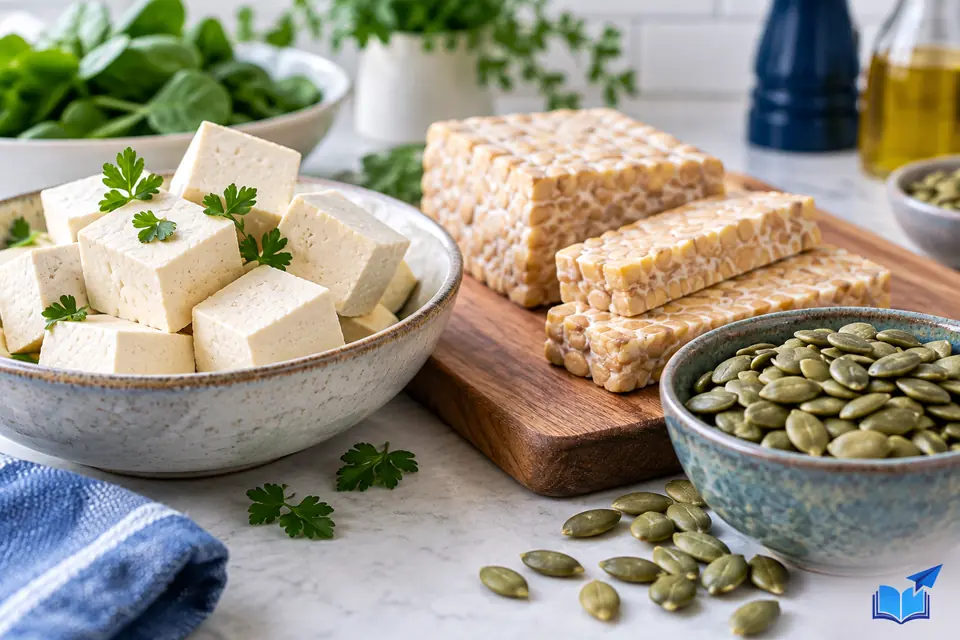
People often ask why iron sources differ. The honest split is heme versus non-heme. Each type behaves in its own way.
| Heme iron | Non-heme iron |
|---|---|
| Found in animal foods | Found in plant foods |
| Absorbed quite easily | Absorbed less easily |
| Meat, fish, and shellfish | Beans, greens, and seeds |
| Needs no helper | Loves vitamin C |
Both types support healthy blood well. Heme iron makes absorption simple. Non-heme iron needs a smart partner. A varied plate handles both with ease. Eating both types together works nicely.
Boosting iron absorption
Small habits can lift your iron absorption. Vitamin C is the biggest helper. It turns plant iron into a friendlier form.
Add peppers, citrus, or tomatoes to meals. Pair beans with a squeeze of lemon. This simple trick works quietly. Strawberries and broccoli help in the same way.
Some drinks can block iron instead. Tea and coffee reduce absorption at meals. Enjoy them between meals rather than with food. Timing makes a real difference here. Mixing plant and animal iron helps too.
Easy ways to add these foods
Adding iron foods is simpler than it sounds. Stir lentils into a favorite soup. Toss spinach into eggs and pasta.
Swap a snack for seeds and fruit. Keep canned beans ready in the pantry. Each small swap lifts your total higher.
Add a little more every few days. A slow, steady climb works best. Small habits make the change stick. Simple swaps beat big overhauls here. Spread iron foods across the whole day.
Building a high iron plate
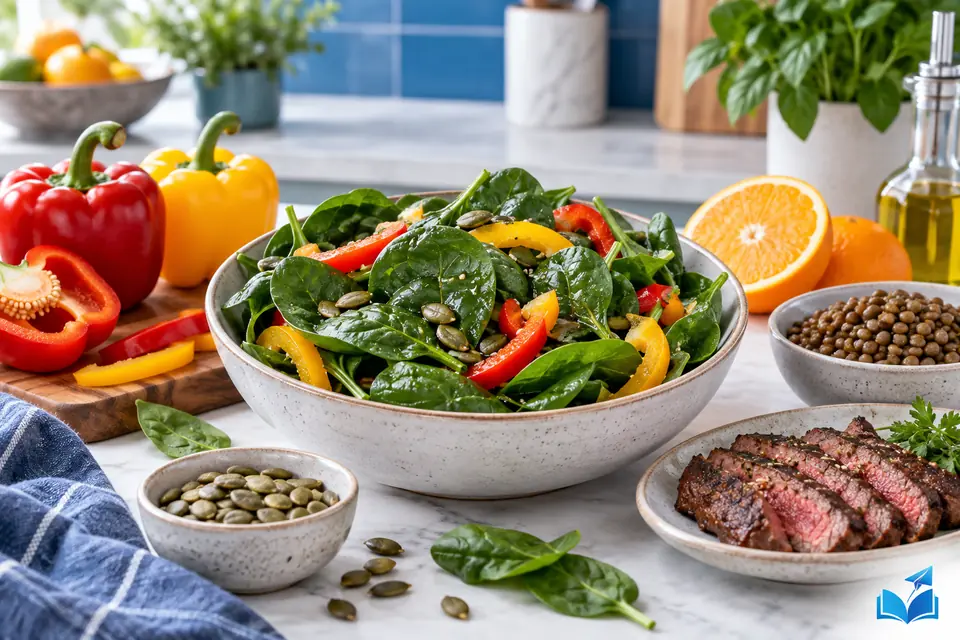
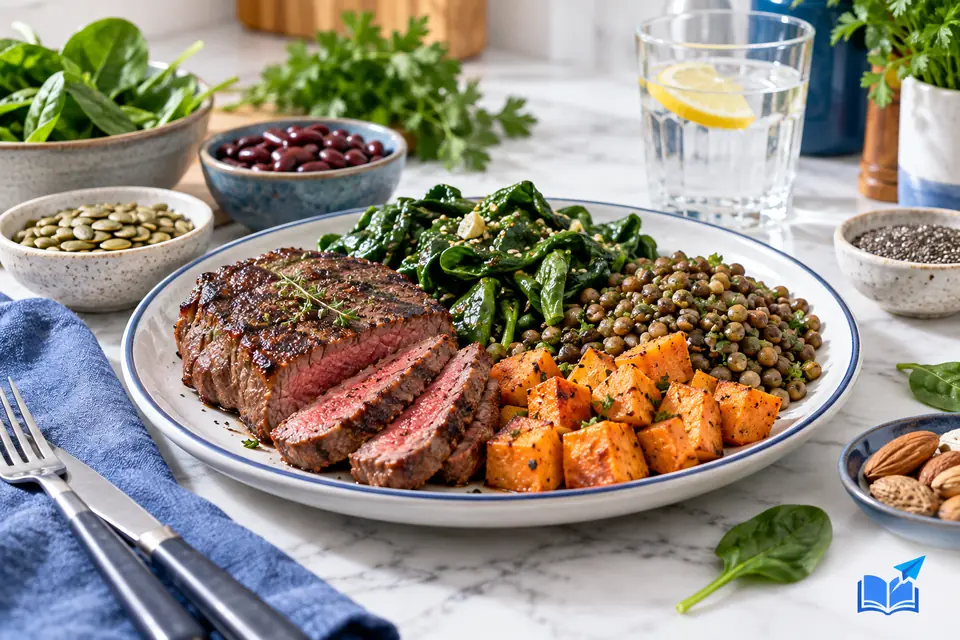
A high iron plate follows a simple pattern. Add an iron-rich protein food. Fill half the plate with vegetables.
Include beans, greens, or lean meat. Add a vitamin C food for absorption. This picture reaches high numbers easily. Swap in a new food each week. A citrus dressing lifts iron nicely.
You do not need to weigh anything. A glance and hand cues work fine. Balance beats strict counting for most people. Adjust the plate to fit your appetite.
High iron foods on a budget
Iron does not have to cost much. Dried beans and lentils are very cheap. Frozen spinach stretches a budget well.
Buy grains and legumes in bulk. Eggs and canned fish deliver value too. Fortified cereals are a thrifty option.
Simple staples carry the most iron per coin. You rarely need pricey superfoods. Smart shopping keeps iron affordable. Batch cooking stretches every dollar further. Store brand lentils work just as well.
How cooking affects iron
Cooking can change how iron behaves. Some greens lose a little in boiling water. Steaming keeps more of the mineral.
Cooking in cast iron can add iron. Acidic foods draw a little from the pan. This old trick still works today.
Soaking beans and grains helps a little. It lowers compounds that block absorption. Gentle methods keep more goodness intact. Fresh and cooked foods both earn a place. Sprouting seeds can boost iron availability too.
Reading labels for iron content
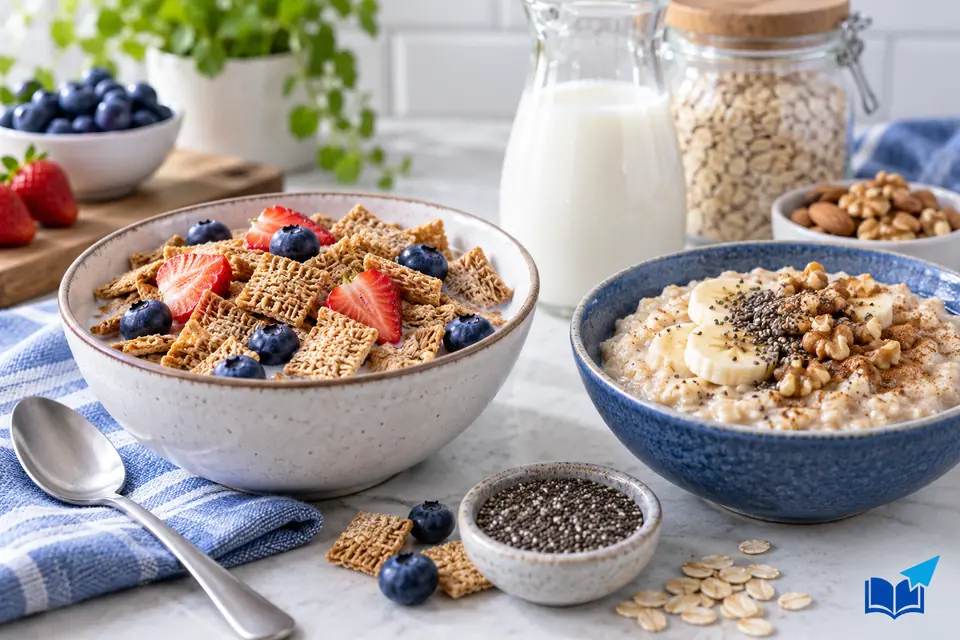
Labels help you spot true iron foods. Check the iron percentage per serving. Higher numbers usually mean a better choice.
Fortified products list added iron clearly. Whole grains should appear near the top. Watch serving sizes, since they can be small.
Do not trust front-of-box claims alone. Marketing words can mean very little. Let the real numbers guide you. Compare similar products side by side. A daily value percentage makes this easy.
Common iron mistakes
One common mistake is drinking tea with meals. Tea can block iron from plants. Enjoy it between meals instead.
Another mistake is skipping vitamin C. Plant iron needs that helpful partner. Food should lead, with pills as backup.
Some people also self-treat with iron pills. Too much iron can cause harm. Ask a professional before you start. A simple test can guide the choice. Whole foods bring iron plus other nutrients.
Iron for different life stages
Iron needs shift as your life changes. Growing children need a steady supply. Teenagers going through growth need more.
Women who menstruate lose iron regularly. Pregnancy raises the need even higher. Each stage brings its own focus.
A varied plate still forms the base. Small tweaks handle the special needs. Ask a professional about your own stage. Personal advice always beats a general guess. Older adults benefit from a quick check.
Who might need tailored iron advice
General food lists suit many healthy adults. Still, some people have special needs. Certain conditions change the whole picture.
Anemia, pregnancy, and some diets shift the balance. Certain conditions cause iron to build up. Your doctor knows your situation best.
This is not medical advice. See a professional for your personal needs. Use these food ideas as a friendly guide. Adjust them to fit your own body. A short chat can prevent bigger problems.
Frequently asked questions
What food has the most iron?
Liver and shellfish carry very rich iron. Red meat and beans rank highly too.
Can I get enough iron without meat?
Yes, beans, greens, and seeds supply plenty. Pair them with vitamin C foods.
What is the difference between heme and non-heme iron?
Heme iron comes from animal foods. Non-heme iron comes from plant foods.
How can I absorb more iron?
Add vitamin C foods to your meals. Save tea and coffee for between meals.
Do leafy greens have a lot of iron?
Yes, spinach and chard carry good iron. Vitamin C helps your body absorb it.
Are iron supplements necessary?
Most people do not need them with food. Certain groups benefit, so ask a professional.
Does cooking in cast iron help?
Yes, some iron passes into the food. Acidic dishes draw a little more.
Which seeds are high in iron?
Pumpkin seeds are a standout source. Sesame and hemp seeds help too.
Can I get too much iron?
Yes, high doses can be harmful. Stick to food and sensible amounts.
Why do women need more iron?
Monthly blood loss raises their iron needs. Pregnancy pushes the need higher still.
The bottom line
So what foods are highest in iron? Red meat and organ meats lead. Shellfish, beans, and lentils follow close. Leafy greens, seeds, and fortified cereals add more. A varied plate reaches high numbers easily.
Whole foods make iron simple and cheap. Reach for real food before any pill. Variety keeps every meal interesting. Small daily habits truly add up over time. A steady set of nutrition guidelines helps.
For more background, see this overview of iron. You can also read about human iron metabolism and how the body uses it. Use trusted sources to guide your plate.
This is not medical advice. See a professional for your personal needs. Add one iron-rich food today. Then build slowly from there. Your body will thank you.