
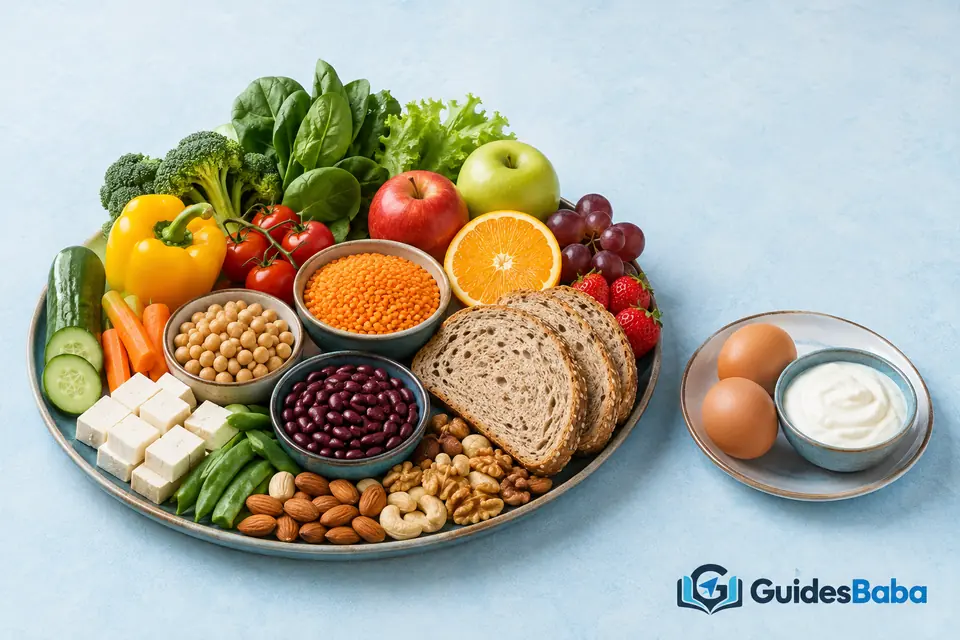
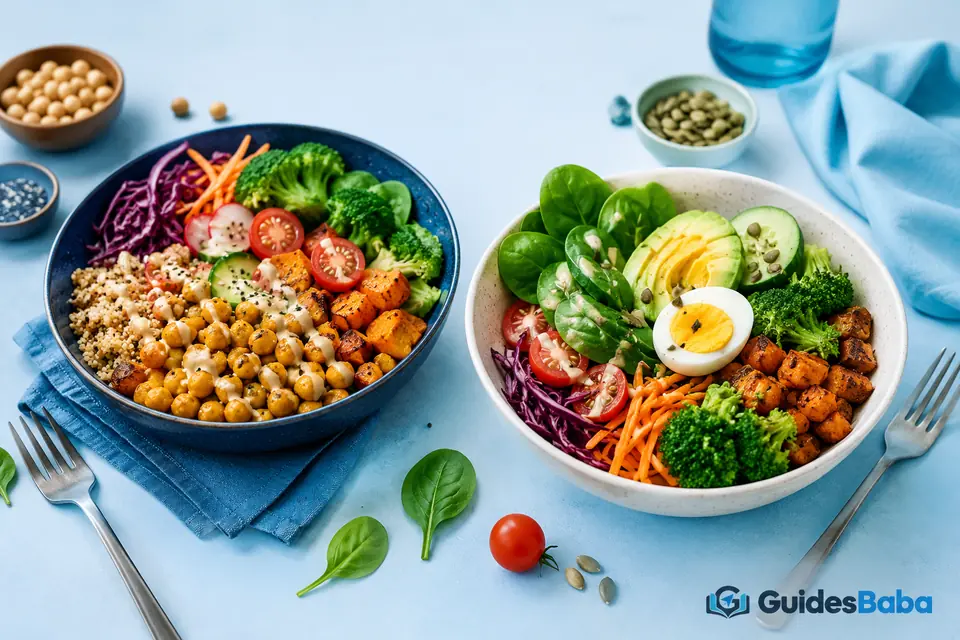
You scan a menu and pause at two labels. Vegetarian or vegan, which one truly fits you? So what is the difference between vegetarian and vegan diets? At first glance they look like two peas in a pod.
Rather than guessing at the labels, let us look closer. Both diets skip meat and fish. The real gap lies in other animal products. Vegans avoid far more than vegetarians do. A few clear rules set them apart.
Here is the honest answer. Vegetarians avoid meat, poultry, and fish. Many of them still eat eggs and dairy. Vegans avoid all animal products completely. That includes eggs, dairy, and honey. The vegan circle is simply wider.
This guide covers both diets in plain terms. You will learn what each one includes. We compare the two side by side. This is not medical advice. See a professional.
So what is the difference between vegetarian and vegan diets?
The honest answer comes down to animal products. Vegetarians drop meat, poultry, and fish. Vegans drop every animal product too.
Think of two circles on a page. The vegan circle sits inside the vegetarian one. Both leave out meat and fish. The vegan circle also leaves out eggs and dairy. One choice simply goes further than the other.
Does this mean vegans eat far less? Not exactly, as plant foods are broad. They swap animal foods for plant ones. The range of meals stays wide and colourful.
What a vegetarian diet includes
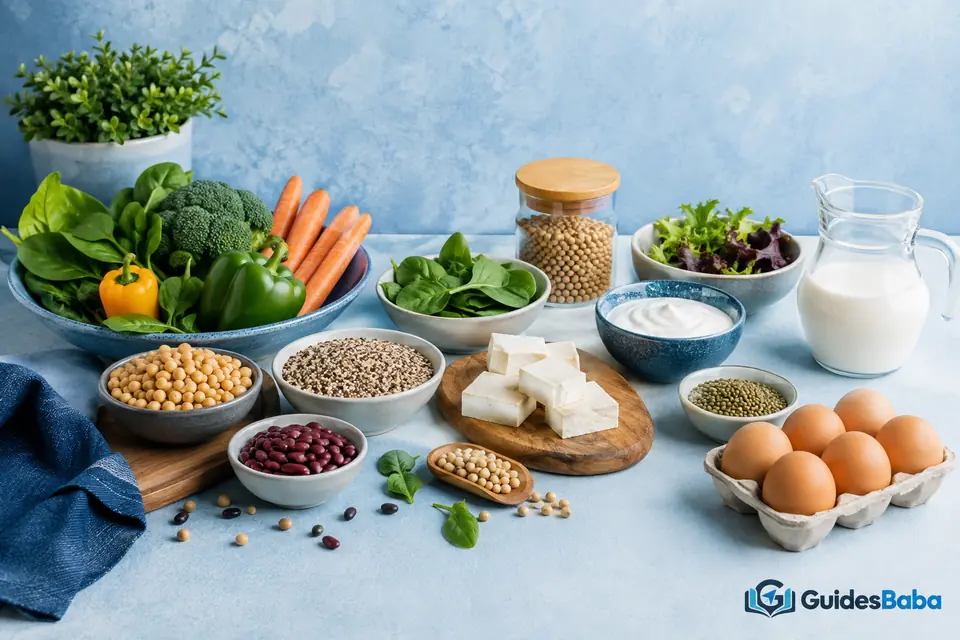
A vegetarian diet centres on plant foods. It also allows some animal products. Eggs and dairy are common choices.
Most vegetarians eat fruit, vegetables, grains, and beans. Many enjoy cheese, milk, and yoghurt too. Eggs often feature in their meals. This balanced vegetarian diet can be very varied. Plant foods still lead the plate.
The key rule is simple to follow. No meat, poultry, or fish appears. Other animal foods may stay on the menu. That flexibility suits many people well. It feels gentle and easy to start.
What a vegan diet includes
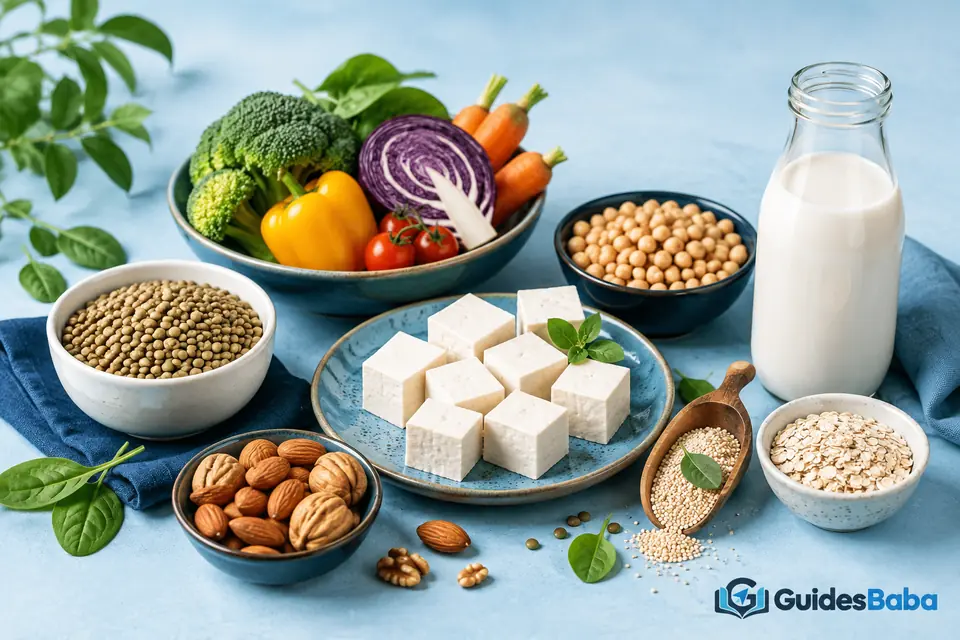
A vegan diet uses plant foods only. It removes every animal product from meals. Nothing from an animal is included.
Vegans eat fruit, vegetables, grains, nuts, and beans. They avoid meat, fish, eggs, and dairy. Honey is usually left out as well. These plant-based protein sources replace animal foods. Careful planning keeps meals balanced.
Many vegans also avoid animal items beyond food. Some skip leather, wool, and certain cosmetics. That reflects a broader lifestyle choice. For meals, the rule stays clear. Plants power every single dish.
Did you know?
The word vegan was coined in the 1940s. It grew from the older idea of vegetarianism.
Why people choose vegetarian diets
People pick vegetarian eating for many reasons. Health is a common motivation. Others care about animals or the planet.
Some feel better eating fewer animal foods. Others enjoy the wide range of vegetables. Cultural and religious traditions play a part too. The diet fits many lifestyles easily. It rarely feels too strict.
Cost can also shape the choice. Beans and grains are often affordable. Many find the food simple to prepare. A flexible plan suits busy lives. Small changes add up over time.
Why people choose vegan diets
Vegans often share those same reasons. Many feel strongly about animal welfare. Others focus on health or the environment.
Removing all animal products feels clearer to some. It sets one simple, consistent rule. Ethical beliefs drive many vegan choices. Concern for the planet matters greatly too. Personal values guide each decision.
Some choose it for specific health goals. Others simply enjoy plant-based cooking. The reasons vary from person to person. There is no single right answer. Each path is valid.
The main foods both diets share
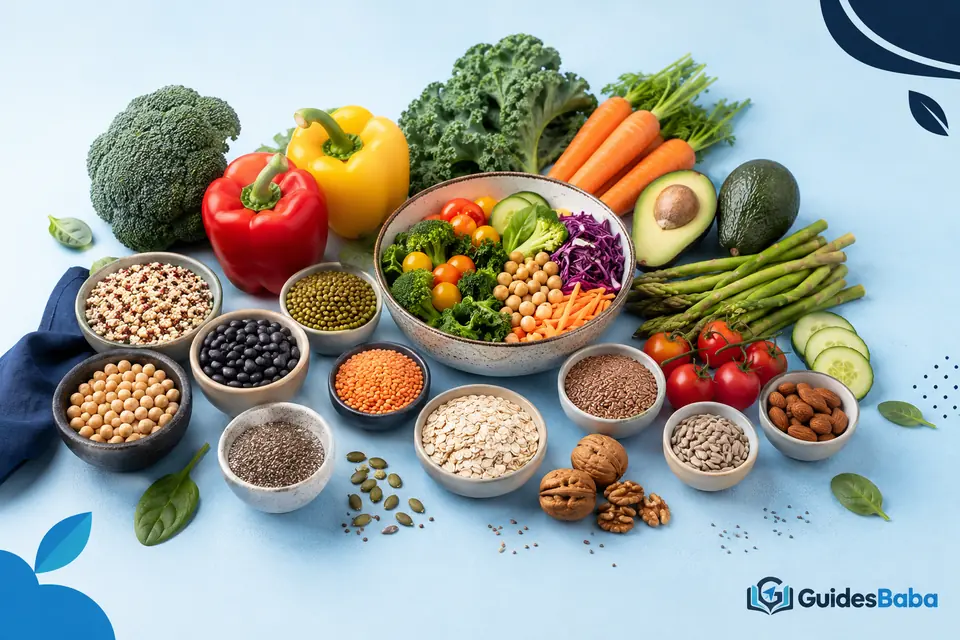
Both diets rest on the same base. Plant foods fill most of each plate. That common ground is very large.
Fruit, vegetables, grains, and beans feature in both. Nuts and seeds add healthy fats. Herbs and spices bring plenty of flavour. These essential nutrients come from many different plants. Variety keeps meals interesting and colourful.
So the overlap is bigger than the gap. Both diets skip meat and fish entirely. Both lean heavily on whole plant foods. The difference sits at the edges. The core looks much the same.
Where the two diets differ most
The clearest gap is eggs and dairy. Vegetarians may eat them freely. Vegans leave them out completely.
Cheese, milk, butter, and yoghurt divide the two. Vegetarians often enjoy these foods. Vegans choose plant-based versions instead. Soy, oat, and almond milks are popular. The swap is usually simple.
Honey marks another small difference. Many vegans avoid it as an animal product. Most vegetarians still use it. These details define each label. Small rules create the distinction.
How each diet handles protein
Protein worries many new plant eaters. Both diets can meet your needs. Good planning makes it straightforward.
Vegetarians can get protein from eggs and dairy. They also use beans, lentils, and tofu. Vegans rely fully on plant sources. Learn to get enough protein without meat easily. Mixing sources covers all bases.
Beans, lentils, tofu, and nuts are staples. Whole grains add useful protein too. Eating a range covers every amino acid. Balance across the day helps most. Protein need not be a hurdle.

Nutrients to watch on both diets
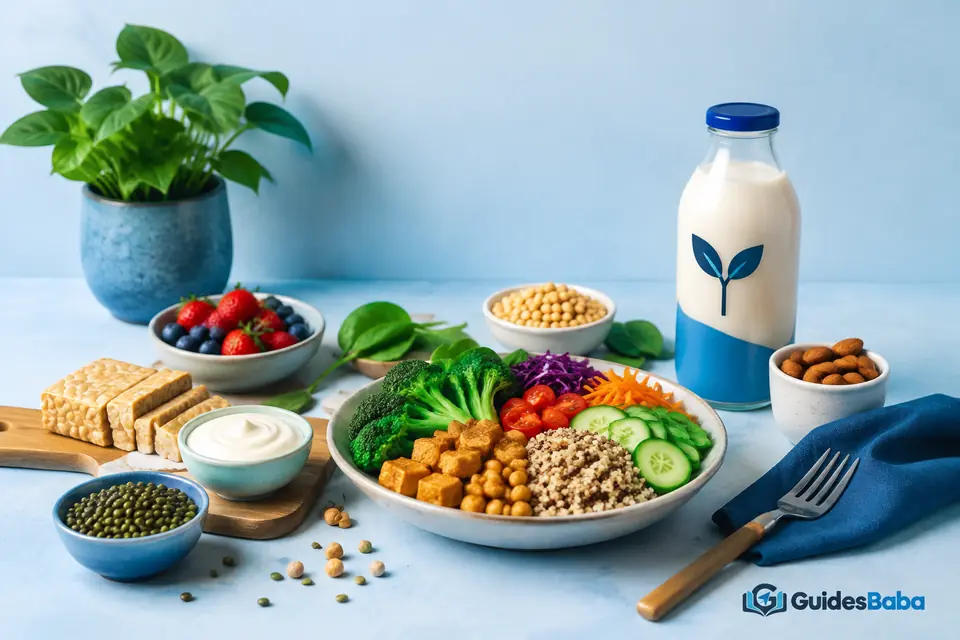
Every diet needs a little attention. Plant-based eating is no different. A few nutrients deserve extra thought.
Vegans should watch vitamin B12 closely. Iron, calcium, and omega-3 fats matter too. Vegetarians who skip dairy face similar points. These nutrients vegetarians pay attention to are easy to plan. Variety helps you cover them.
Fortified foods can fill many gaps. Plant milks often add calcium and B12. A varied plate supports steady health. A professional can check your needs.
Vegetarian versus vegan at a glance
People often ask for a quick summary. This clear comparison sets vegetarian against vegan. Each row shows a simple difference.
| Vegetarian diet | Vegan diet |
|---|---|
| No meat or fish | No meat or fish |
| Often eats eggs and dairy | Avoids eggs and dairy |
| May use honey | Usually avoids honey |
| Flexible and easy to start | Stricter and fully plant-based |
Choose vegetarian for a gentle first step. Choose vegan for a fully plant-based plan. Both can be healthy and enjoyable. Match the choice to your values.
Types of vegetarian diets
Vegetarian is not a single label. Several versions exist under that name. Each allows slightly different foods.
Lacto-ovo vegetarians eat both dairy and eggs. Lacto vegetarians keep dairy but skip eggs. Ovo vegetarians do the reverse instead. Pescatarians add fish to plant foods. That last group is not strictly vegetarian.
These labels help people describe their plates. They show how personal the choices are. You can adjust within these lines. Pick the version that suits you. Flexibility is part of the appeal.
Is one diet healthier than the other?
People often ask which diet wins. The honest answer is that both can work. Health depends on your overall choices.
A well-planned vegan diet can be very healthy. A varied vegetarian diet can be too. Junk food exists in both styles. Whole foods matter more than the label. Balance clearly beats any single strict rule.
What you build the plate from counts most. Vegetables, grains, beans, and fruit help greatly. A truly balanced diet supports steady wellbeing. Planning turns either diet into a strong one. Quality is the real key.
Planning balanced meals on either diet
Good planning makes both diets simple. Aim for variety across the week. Colourful plates usually cover the basics.
Fill half the plate with vegetables and fruit. Add whole grains for lasting energy. Include a protein source at each meal. Nuts and seeds bring healthy fats. Small habits keep meals balanced.
Batch cooking saves time on busy days. Keep beans and grains ready to use. Frozen vegetables are handy and healthy. A little prep goes a long way.
Eating out on each diet

Dining out can feel tricky at first. Both diets are easier than ever now. Many menus offer clear plant-based options.
Vegetarians often find plenty of choices. Cheese and egg dishes widen their menu. Vegans should check hidden animal ingredients. Ask staff about butter, cream, or stock. A quick question avoids surprises.
Planning ahead makes meals out simple. Scan the menu before you arrive. Many kitchens adapt dishes on request. Confidence grows with a little practice.
Common mistakes people make
One common mistake is relying on processed foods. Vegan snacks can still be junk. Whole foods should lead most meals.
Another mistake is ignoring key nutrients. Skipping B12 can cause real problems. Vegans especially should plan for it. Fortified foods or supplements often help. A professional can guide you here.
Some people forget about protein variety. Eating one source alone is limiting. Mix beans, grains, nuts, and soy foods. Others cut out food groups too fast. Gradual change usually works better.
Who should take extra care
General advice suits many healthy adults. Still, some people need personal guidance. Certain life stages raise the stakes.
Pregnant women and young children need care. Older adults may have special needs too. Some medical conditions change the picture. A dietitian can tailor a safe plan. Personal advice beats general rules here.
This is not medical advice. See a professional for your own situation. Use these ideas as a friendly guide.
Making the switch gently

Changing your diet works best slowly. There is no need to rush anything. Small, steady steps tend to stick.
Try swapping one meal at a time. Explore new recipes at your own pace. Keep the foods you already enjoy. Learn to make your everyday diet healthier gradually. Habits form with gentle practice.
Notice how each change makes you feel. Keep what works and adjust the rest. Give your taste buds time to adapt. A relaxed approach lasts longer.
Frequently asked questions
What is the main difference between vegetarian and vegan?
Vegetarians avoid meat and fish only. Vegans avoid all animal products too.
Do vegetarians eat eggs and dairy?
Many vegetarians do eat eggs and dairy. Some choose to skip one or both.
Can vegans eat honey?
Most vegans avoid honey as an animal product. Some individuals make their own choice.
Is a vegan diet stricter than vegetarian?
Yes, a vegan diet is more restrictive. It removes every animal product from meals.
Which diet is healthier overall?
Both can be healthy when well planned. Whole foods matter more than the label.
Do both diets provide enough protein?
Yes, with a little planning they do. Beans, grains, and soy foods help greatly.
What nutrients should vegans watch?
Vitamin B12 deserves close attention. Iron, calcium, and omega-3 fats matter too.
Are there different types of vegetarians?
Yes, several versions exist under the label. They differ over eggs, dairy, and fish.
Is it hard to switch to vegan?
It gets easier with a gradual approach. Swap one meal at a time slowly.
Should I see a professional first?
A professional can check your personal needs. This is wise before big diet changes.
The bottom line
So what is the difference between vegetarian and vegan diets? Vegetarians avoid meat and fish. Many still eat eggs and dairy. Vegans avoid every animal product completely. The vegan circle is simply wider than the vegetarian one.
Both diets share a large plant-based base. Both can be healthy with good planning. Watch a few key nutrients on either path. Choose the one that fits your values.
For more background, read this overview of vegetarianism as a whole. You can also explore the idea of veganism in more detail. Use trusted sources to guide your choices.
This is not medical advice. See a professional for your personal needs. Pick the diet that feels right for you. Then enjoy exploring a world of plant foods.