
Protein worries stop many people from skipping meat. The question follows every meat-free plate around. So can you get enough protein without eating meat? The honest answer will put your mind at ease.
Rather than fearing a shortfall, think about options. Beans, soy, eggs, and dairy carry plenty. Nuts, seeds, and grains help fill the gaps. This connects to the basics of foods naturally high in protein.
Here is the honest answer. Yes, you can easily meet protein needs without meat. Legumes, soy, eggs, dairy, nuts, and seeds do the work. A little planning covers every requirement. Vegetarians and even vegans thrive worldwide. Variety is the real secret here.
This guide covers getting enough protein without meat. You will see which foods deliver the most. We will bust a few tired myths too. It pairs well with our look at whether two eggs a day is enough protein.
So can you get enough protein without eating meat?
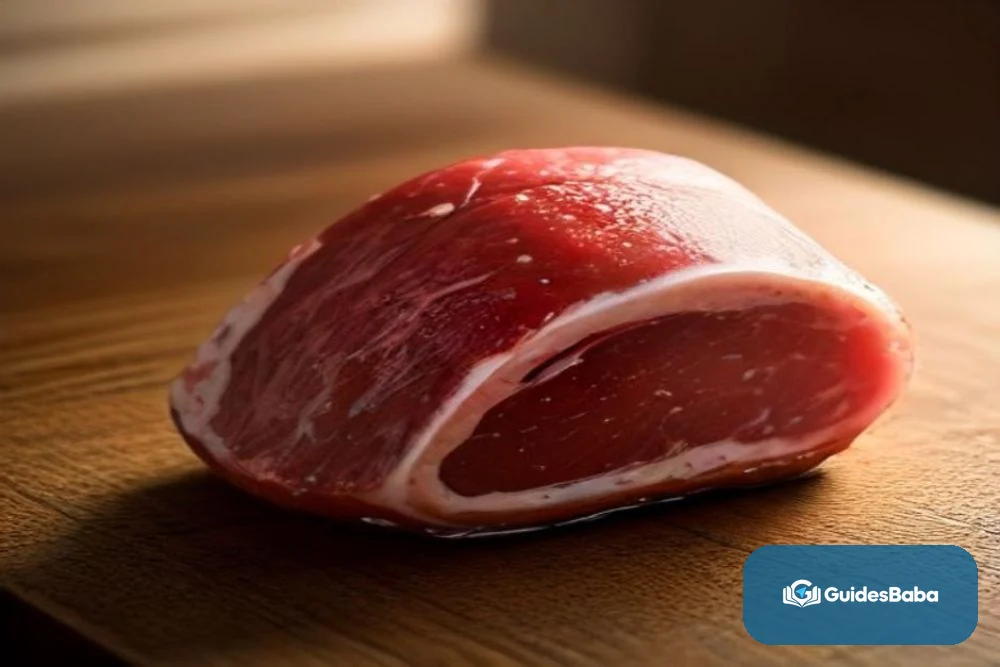
The honest answer is a clear yes. Meat is one protein source, not the only one. Beans, soy, eggs, and dairy all deliver. Nuts, seeds, and grains add even more.
Think of protein like water from many taps. Meat is only one of them. Turn on the others and you fill up. No single tap does the whole job.
Do vegetarians usually fall short on protein? Rarely, when they eat with a little variety. Balanced plant plates cover the needs. Millions thrive without any meat at all. Your plate simply needs a plan.
Why people skip meat
People leave meat off their plates for many reasons. Some care about health and cholesterol. Others focus on cost or the planet.
Some skip meat for ethical or religious reasons. Others simply feel better without it. Whatever the reason, protein still matters. The good news is it stays reachable.
You do not need a perfect diet overnight. Even a few meat-free days help. Small swaps still move you forward. This is not medical advice. See a professional.
How much protein you really need

Protein needs vary from person to person. Body size, age, and activity all matter. Most adults need a steady daily amount.
The exact target is smaller than many fear. You do not need huge piles of food. Spread protein across each meal instead. That steady approach works best.
Meat-free eaters can hit these targets easily. Beans, soy, and dairy make it simple. This links to how much protein you need each day.
Did you know?
A single cup of lentils carries a big protein load. It rivals a small serving of meat.
Where meat-free protein comes from
Meat-free protein hides in many everyday foods. Legumes, soy, eggs, and dairy lead the group. Nuts, seeds, and grains follow closely.
Each source brings its own extra benefits. Beans add fiber, and dairy adds calcium. Nuts bring healthy fats along with protein. The variety feeds more than muscle.
So you have far more options than meat. Mixing them keeps meals interesting. It also covers all your amino acids. Balance quietly does the heavy lifting. Every source adds its own gifts.
Legumes as a protein base
Legumes form the backbone of meat-free eating. This group includes beans, lentils, chickpeas, and peas. They are cheap, filling, and widely available.
Legumes bring protein, fiber, and slow energy. A single cup delivers a strong protein hit. Canned versions make cooking effortless. Dried beans cost even less per serving.
Stir lentils into a hearty soup. Mash chickpeas into a quick hummus. Add beans to salads and wraps. They anchor any meat-free plate.
Soy foods for serious protein
Soy foods are meat-free protein champions. Tofu, tempeh, and edamame all come from soybeans. Soy carries complete protein, which is rare for plants.
Tofu soaks up any flavor you add. Tempeh brings a firm, nutty bite. Edamame makes a fun, poppable snack. All three suit countless simple dishes.
Pan-fry tofu until golden and crisp. Crumble tempeh into a chili. Steam edamame with a little salt. Soy easily replaces meat on the plate. It keeps hearty meals satisfying.
Eggs and dairy for vegetarians

Vegetarians who eat eggs and dairy have it easy. Both foods carry complete, high-quality protein. They fit into almost any meal.
Eggs offer a cheap, versatile protein hit. Greek yogurt packs a strong protein punch. Cheese and milk add more throughout the day. These foods simplify meat-free eating.
Scramble eggs for a fast breakfast. Stir yogurt into a snack bowl. Melt cheese over beans and grains. Dairy and eggs fill many gaps.
Nuts and seeds
Nuts and seeds add protein plus healthy fats. Almonds, peanuts, and cashews are popular. Hemp, pumpkin, and chia seeds join them.
A small handful makes a filling snack. Nut butters spread protein onto anything. Seeds sprinkle easily over many dishes. Watch portions, since both are calorie dense.
Spread nut butter on whole-grain toast. Scatter seeds over yogurt or salad. Blend hemp seeds into a smoothie. Small amounts add real value.
Whole grains and their protein

Whole grains quietly add protein to meals. Quinoa, oats, and brown rice all count. They also bring fiber and steady energy.
Quinoa stands out with complete protein. Oats deliver a warm, filling breakfast. Whole grains beat refined ones for nutrition. Choose the least processed option available.
Start your day with a bowl of oats. Build grain bowls with beans on top. Swap white rice for brown or quinoa. Grains anchor a balanced plate.
Protein powders as a backup
Protein powders help on very busy days. Pea, soy, and whey powders are common. They mix quickly into drinks and oats.
Powders suit rushed mornings and post-workout shakes. Read labels to avoid heavy added sugar. Whole foods should still come first. Treat powder as a helper, not a base.
Blend a scoop into a fruit smoothie. Stir it into overnight oats. Add it to pancake batter. Powder makes protein simple.

Do you need to combine proteins

An old rule demanded perfect protein pairing. It said plants must combine in one meal. Science has since relaxed that idea.
Your body pools amino acids through the day. A bean lunch and grain dinner still combine. You do not need them together exactly. The whole day is what matters.
So skip the stressful meal-by-meal math. Just eat a varied meat-free diet. The gaps close on their own. Relax and enjoy your food.
Meat protein versus meat-free protein
People often ask which approach truly wins. The honest comparison shows trade-offs, not brands. Both can feed you very well.
| Meat-based protein approach | Meat-free protein approach |
|---|---|
| Meat, poultry, and fish | Beans, soy, eggs, dairy, seeds |
| Complete protein in one food | Adds fiber and plant compounds |
| Denser protein per serving | Often lower in cost |
| Simple but skips extra fiber | Needs a little variety planning |
Meat delivers dense protein with little effort. Meat-free eating adds fiber and variety. Both can build a strong body. The best choice fits your life and values. Balance matters more than any single rule.
A sample meat-free protein day

A real day makes the idea concrete. Breakfast could be oats with yogurt and seeds. That start already brings solid protein.
Lunch might feature a bean and quinoa bowl. Add vegetables and a handful of nuts. Dinner could bring tofu stir-fry with rice. Snacks fill any remaining gaps.
By bedtime the protein adds up nicely. No meat appeared on the plate. Variety did all the quiet work. Planning made it feel effortless. Each meal chipped in a share.
Protein for athletes without meat
Athletes worry most about meat-free protein. The good news is reassuring here too. Many top athletes skip meat entirely.
Active bodies need a bit more protein. Larger portions and soy powders help. Spread intake across the whole day. Recovery still happens beautifully without meat.
So sport is no reason to fear plants. Plan portions around your training load. Add soy, dairy, or powder as needed. Your muscles will keep progressing. Consistency beats any single meal.
Signs you may need more protein
Sometimes your body hints at low protein. Constant hunger can be one clue. Slow recovery after exercise is another.
Weak nails or thinning hair may signal it. Feeling tired despite enough sleep counts too. These signs have many possible causes though. Do not jump to conclusions alone.
So treat these hints as gentle prompts. Add a protein food and observe. This is not medical advice. See a professional for real concerns.
Easy ways to boost meat-free protein
Boosting meat-free protein can be simple. Toss beans into your usual salad. Stir lentils into a favorite soup.
Swap some meals for tofu or tempeh. Add yogurt or eggs where they fit. Keep nut butter ready for snacks. Small moves build a lasting habit.
Blend a scoop of powder into smoothies. Batch-cook beans on a lazy Sunday. This ties into building a balanced diet that actually works.
Common meat-free protein mistakes
One common mistake is eating too little variety. Salad alone leaves you short. Add beans, tofu, or eggs on top. Variety quietly covers your needs.
Another mistake is skipping protein at breakfast. A carb-only morning starts you behind. Add yogurt, eggs, or seeds early. That head start pays off. A protein-rich morning steadies your day.
Some people also fear complex protein math. You do not need perfect combining. A mixed diet handles it naturally. Relax and eat a range of foods.
Who should take extra care
Most healthy adults manage meat-free protein well. Still, some people need closer planning. Growing kids and athletes need enough total protein. Pregnancy also raises daily requirements.
Strict vegans should watch variety a little more. People with certain conditions need medical guidance. Your doctor knows your situation best. Personal advice beats any general plan.
This is not medical advice. See a professional. Use this guide as a friendly starting point. Adjust it to fit your own body.
Frequently asked questions
Can you get enough protein without meat?
Yes, a varied meat-free diet meets protein needs. Beans, soy, eggs, and dairy do the work.
What is the best meat-free protein?
Soy foods and legumes rank near the top. Eggs and dairy also score very high.
Do vegetarians lack protein?
No, vegetarians rarely fall short with variety. Beans, soy, and dairy cover their needs.
Can vegans get enough protein?
Yes, vegans thrive on beans, soy, and seeds. A little planning makes it simple.
Is plant protein enough for building muscle?
Yes, plant protein can build real muscle. Athletes just need enough total protein.
Do I need protein powder without meat?
No, whole foods can cover your needs. Powder simply helps on busy days.
What has the most protein without meat?
Soy foods, lentils, and Greek yogurt lead. Eggs and cheese also carry plenty.
Should I eat protein at every meal?
Yes, spreading protein across meals works best. It keeps your daily total on track.
Is it hard to go meat-free?
No, simple swaps make it painless. Start with a few meat-free days weekly.
Can kids get enough protein without meat?
Yes, with variety and dairy or eggs. Ask a professional about your child’s needs.
The bottom line
So can you get enough protein without eating meat? Yes, and it is easier than most fear. Beans, soy, eggs, dairy, nuts, and seeds deliver. A little variety covers every need.
Meat is one option among many. Turn on the other taps and thrive. A varied meat-free plate feeds you fully. Small daily habits truly add up.
For more background, see this overview of the wider protein nutrient family. You can also read about vegetarianism and its practice. Trusted sources help guide smart choices.
This is general information and not medical advice. See a professional for your personal needs. Add one meat-free protein meal today. Build the habit one simple plate at a time. Your future self will thank you.