
Eggs sit in almost every fridge, yet their protein still sparks debate. So is 2 eggs a day enough protein? Many people treat eggs as a complete protein fix. The truth needs a little more nuance than that.
Rather than crown eggs the whole answer, see them as a strong start. Two eggs give a solid, quality protein base. They do not cover a full day alone. They work best inside a wider eating pattern.
Here is the honest answer. Two eggs provide roughly twelve to fourteen grams of protein. That is a useful chunk but not your daily total. Most adults need far more across the day. Eggs cover one slice of that need. You still need other protein foods too.
This guide covers how much protein eggs really give. You will see how eggs fit your daily target. We will compare whole eggs and egg whites. Think of it as a simple, practical map.
So is 2 eggs a day enough protein?

The honest answer stays calm and clear. Two eggs offer solid protein but not everything. They give you around twelve to fourteen grams. Your body usually needs much more each day.
Think of two eggs as a reliable teammate. They pull real weight on your plate. Still, no single food wins the game alone. Other foods round out the score.
Does this mean eggs are not worth it? Not at all, and that is the good news. Eggs are one of the easiest protein wins around.
How much protein are two eggs?
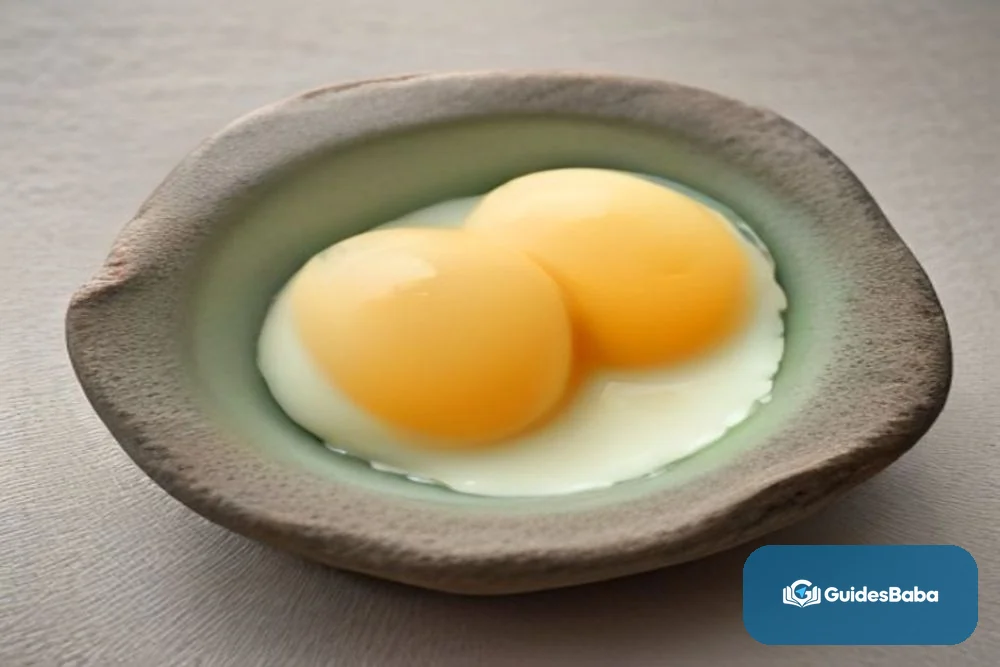
One large egg holds about six grams of protein. Two eggs land near twelve to fourteen grams. That number shifts with egg size. Bigger eggs simply carry a little more.
Most of that protein sits in the whole egg. The yolk and white both contribute. Together they form a complete protein source. That completeness is a real strength.
Twelve grams is a helpful start to your day. It is not a full daily supply. You will layer more protein onto it. Eggs open the door, not the whole house.
Did you know?
Egg protein is often used as a quality benchmark. Scientists compare other foods against the egg standard.
What your daily protein target looks like

Daily protein needs vary from person to person. A common guide is body weight based. Many adults aim for a set amount per kilogram. Your size and goals shift that figure.
For a rough sense, picture the whole day. Most adults need well over fifty grams. Active people often need noticeably more. Two eggs cover a modest part of that.
This is general information and not medical advice. See a professional for your personal target. Your needs may differ from these ranges. A tailored number always beats a guess.
Why eggs are a great protein source
Eggs punch above their weight for protein. They pack quality nutrition into a small package. They are cheap, simple, and quick to cook. Few foods offer that same combination.
Beyond protein, eggs carry useful vitamins and minerals. They bring choline, B vitamins, and healthy fats. That makes them more than a protein hit. They support broad nutrition too.
Eggs also fill you up nicely. Protein and fat together curb hunger. A two-egg breakfast keeps you satisfied. That fullness supports steady eating.
The quality of egg protein

Not all protein is built the same. Quality depends on the amino acids inside. Eggs contain every essential amino acid. That makes them a complete protein.
Complete proteins support muscle and repair well. Your body uses them efficiently. That efficiency is why eggs rank so highly. They give strong value per gram.
You can learn more about the difference between complete and incomplete protein here. It helps you mix foods wisely. Quality and quantity both matter.
Eggs as part of a bigger picture
Two eggs shine best within a full diet. They are a piece, not the whole puzzle. Your other meals carry protein too. Together they meet your daily needs.
Picture protein spread across your day. Breakfast eggs, a lunch source, and dinner protein add up. Snacks can fill small gaps. The total is what really counts.
Relying on eggs alone leaves gaps. Variety brings more nutrients to the table. Mix eggs with other quality proteins. Balance always beats a single food.
Who might need more than two eggs

Some people need extra protein each day. Athletes and heavy lifters top that list. Their muscles demand more raw material. Two eggs will not be enough alone.
Older adults often benefit from more protein too. It helps protect muscle over time. Recovery from illness can raise needs. Personal factors shift the target.
Pregnancy and certain conditions also change the math. A professional can set the right amount. General rules only take you so far. Personal advice fits your real body.
Are two eggs a day safe?
Many people worry about eating eggs daily. For most healthy adults, two eggs are fine. Eggs fit comfortably in a balanced diet. Old fears about eggs have softened.
Past worries focused on dietary cholesterol. Current thinking is far more relaxed. For most people, eggs are not a problem. Balance across the diet still matters.
Some individuals do need to be careful. Certain conditions call for closer limits. Your doctor knows your personal situation. When unsure, ask a professional first.

Building a high-protein breakfast

Breakfast is a smart place for protein. Two eggs give you a strong base. A few add-ons push the total higher. Morning protein sets a steady tone.
Add Greek yogurt or a glass of milk. Toss in beans or a slice of cheese. Whole grain toast rounds out the meal. Small additions stack up fast.
A richer breakfast keeps hunger away longer. It steadies your energy through the morning. You snack less before lunch. Protein early pays off all day.
Pairing eggs with other proteins
Eggs play well with many foods. They mix easily into varied meals. Pairing spreads your protein across sources. Variety keeps nutrition well rounded.
Combine eggs with beans, lentils, or dairy. Add fish or lean meat at other meals. Nuts and seeds make handy extras. Each source brings its own gifts.
You can explore other foods naturally high in protein too. They partner nicely with eggs. A mixed plate covers more ground.
Eggs for muscle and repair

Protein helps build and mend your body. Eggs supply the raw building blocks. Their amino acids support muscle repair. That matters after activity and age.
Two eggs alone will not build big muscle. They contribute to a larger protein total. Spread protein across your meals. Steady intake supports steady repair.
Timing is less important than the daily total. Hitting your overall target matters most. Eggs are one useful piece. Consistency does the heavy lifting.
Whole eggs versus egg whites
People often ask which egg part wins. The honest comparison is about approaches, not brands. Whole eggs and egg whites suit different goals.
| Whole-egg approach | Egg-white approach |
|---|---|
| Full protein plus vitamins and healthy fats | Lean protein with fewer calories |
| More filling and more nutrient dense | Lighter and lower in fat |
| Great for broad daily nutrition | Handy for tight calorie goals |
| Suits most everyday eaters | Suits some specific training plans |
For most people, whole eggs are the better pick. The yolk carries valuable nutrition. Choose the style that fits your goal.
Eggs on a budget
Eggs are one of the cheapest quality proteins. They stretch a tight food budget far. A carton feeds you for days. Good protein need not cost much.
Compare eggs to many packaged protein foods. Eggs often win on price per gram. They store well and cook fast. That value is hard to beat.
Buy them in larger cartons to save more. Keep some hard boiled for quick snacks. Simple prep keeps costs low. Planning stretches every dollar further.
Vegetarian protein beyond eggs
Eggs suit many vegetarian eaters well. Still, they should not stand alone. Plant proteins add welcome variety. A mixed approach covers more nutrients.
Beans, lentils, tofu, and dairy all help. Nuts and seeds add protein and crunch. Whole grains chip in smaller amounts. Together they build solid intake.
Learn how to get enough protein without eating meat here. Eggs are just one option. Plants can carry real weight too.
Common mistakes with egg protein
One common mistake is overrating two eggs. They help but do not finish the job. Treat them as a starting point. Add more protein through the day.
Another mistake is tossing every yolk out. The yolk holds real nutrition. Unless advised otherwise, keep the whole egg. You lose value without it.
Some people also eat eggs and skip variety. That narrows your nutrient intake. Mix eggs with other quality foods. Balance keeps your diet strong.
Signs you need more protein
Your body can hint at low protein. Constant hunger may be one clue. Slow recovery after effort is another. These signs are worth noticing.
Weak nails or thinning hair can appear. Low energy sometimes ties in too. These signs are not proof by themselves. They simply invite a closer look.
If you notice several signs, review your meals. A professional can check your intake. Two eggs may not be enough. Adjust with expert input.
Who should get personal advice
This general picture suits many healthy adults. Still, everyone brings unique needs to the table. Some people manage allergies or medical conditions. A general guide cannot cover every case.
Pregnancy, illness, and intense training change the picture. Protein needs can rise sharply then. Your doctor or dietitian knows your situation. Personal advice always beats a generic plan.
Use this guide as a friendly starting point. Adjust it to fit your body and life. Browse foods that are rich in protein as well. Make the plan truly yours.
Frequently asked questions
How much protein is in two eggs?
Two large eggs hold about twelve to fourteen grams. Larger eggs carry a little more.
Is two eggs a day enough protein?
It is a solid start but rarely a full day. Add other protein sources too.
Are two eggs a day safe?
For most healthy adults, two daily eggs are fine. Ask a professional if you have concerns.
Is egg protein high quality?
Yes, eggs contain every essential amino acid. That makes them a complete protein source.
Should I eat the yolk?
The yolk holds vitamins, minerals, and healthy fats. Keep it unless advised otherwise.
Do I need more than two eggs?
Active people and older adults often need more. Your goals and size shift the number.
Can I build muscle with eggs?
Eggs support muscle as part of enough total protein. Spread protein across your day.
Are egg whites better than whole eggs?
Whole eggs offer more nutrients for most people. Egg whites suit tight calorie goals.
How do I add protein to eggs?
Pair eggs with yogurt, beans, or cheese. Whole grain toast adds a little more.
Are eggs good for vegetarians?
Yes, eggs are a handy vegetarian protein. Mix them with beans, lentils, and dairy.
The bottom line
So is 2 eggs a day enough protein? They give a strong twelve to fourteen grams. That covers one slice of your daily need. You still need other protein foods too.
Treat two eggs as a reliable base. Build the rest with beans, dairy, fish, or meat. Spread protein across your whole day. Variety is your best friend here. Small, steady additions truly add up.
For more background, read this overview of protein in nutrition. You can also learn about the humble egg as food. Use trusted sources to guide your choices.
This is general information and not medical advice. See a professional for your personal needs. Pick one small protein swap today. Your future self will thank you.