
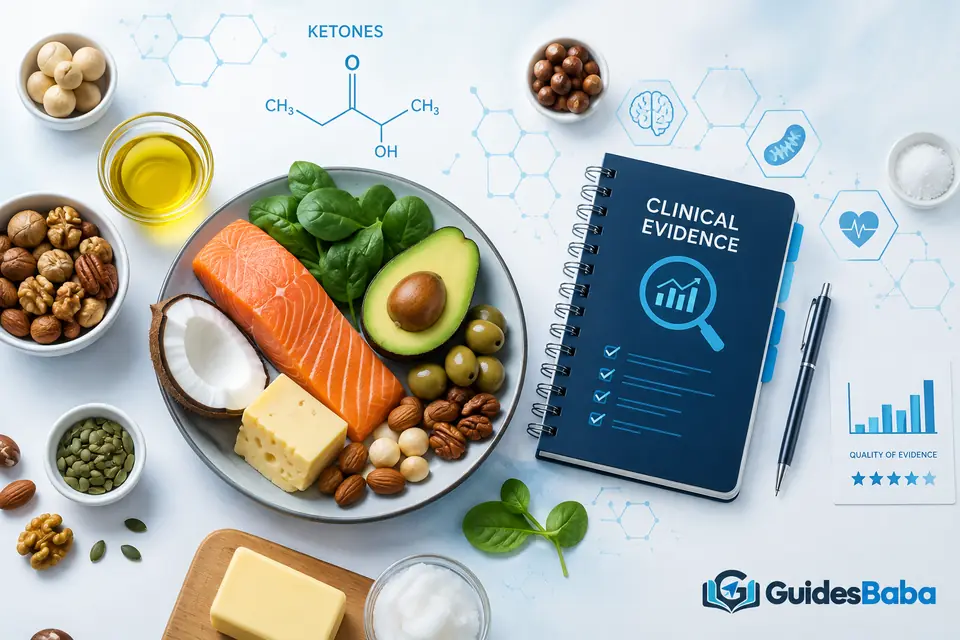
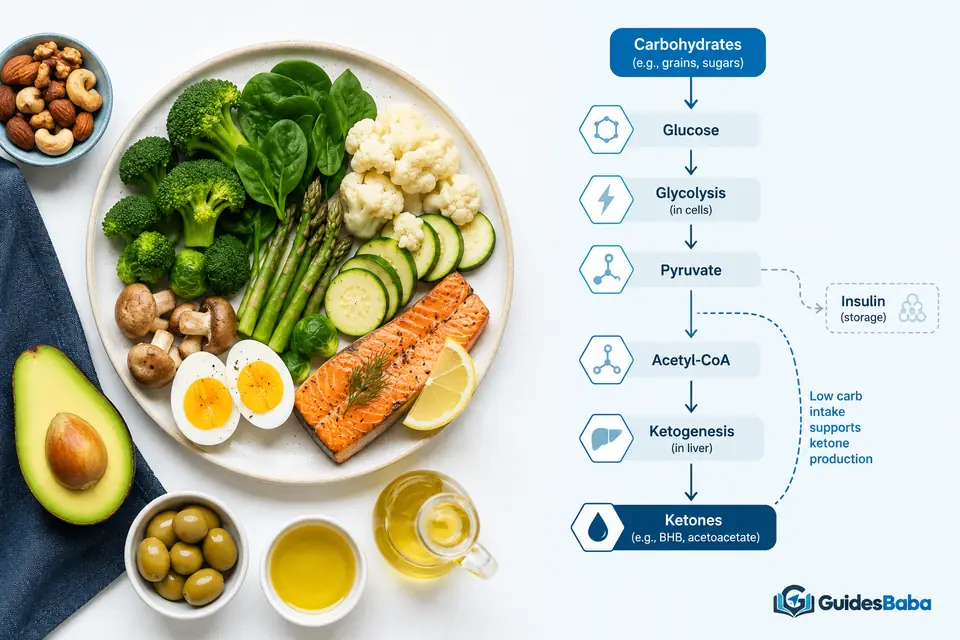
The word keto seems to be everywhere lately. Friends swear by it and menus flaunt it. So what is the ketogenic diet really? Let us cut through the hype together.
Rather than chasing a trend, it helps to understand the idea. The ketogenic diet is very low in carbohydrates. It is high in fat and moderate in protein. This shift changes how your body makes energy. The details matter more than the label.
Here is the honest answer. Keto pushes your body to burn fat for fuel. It does this by cutting carbs sharply. Some people lose weight and feel steadier energy. Others find it hard to sustain over time. It suits some goals and not others.
This guide covers how keto works and who it may help. You will learn the possible benefits and drawbacks. We compare keto with a balanced approach. This is not medical advice. See a professional.
So what is the ketogenic diet?
The ketogenic diet is a very low carb plan. It replaces most carbs with fat. Protein stays at a moderate level.
Think of your body as a hybrid engine. It normally runs on carbohydrate fuel. Cut that fuel and it switches to fat. This fat-burning state is called ketosis.
Does everyone reach ketosis at the same pace? No, as bodies differ from person to person. Some enter it within a few days. Others take longer and feel rough at first. Patience and planning both help here.
How ketosis actually works
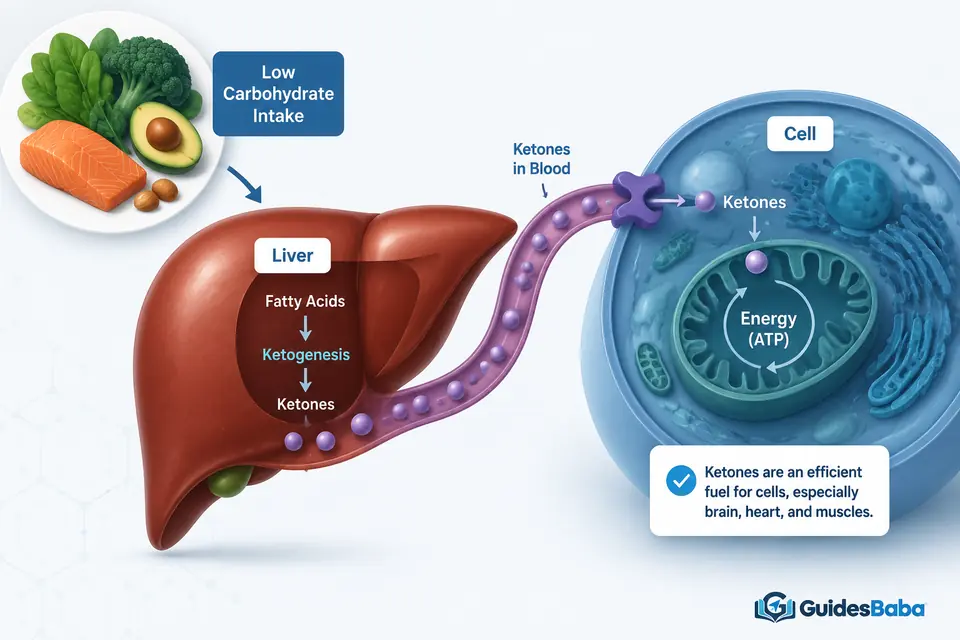
Ketosis is the heart of the ketogenic diet. Your liver turns fat into molecules called ketones. These ketones then power your brain and muscles.
Normally your body prefers glucose from carbohydrates. When carbs run low, it adapts instead. It leans on stored fat for steady energy. This is a natural backup system. Your body has used it for ages.
Reaching ketosis takes real discipline with carbs. Even small amounts can slow the switch. Many people track their intake closely. Learning about refined carbohydrates helps you avoid hidden ones. Careful choices keep the state stable.
Did you know?
The ketogenic diet was first used to help manage epilepsy. Doctors still use it for some seizure cases today.
What foods fit a keto diet
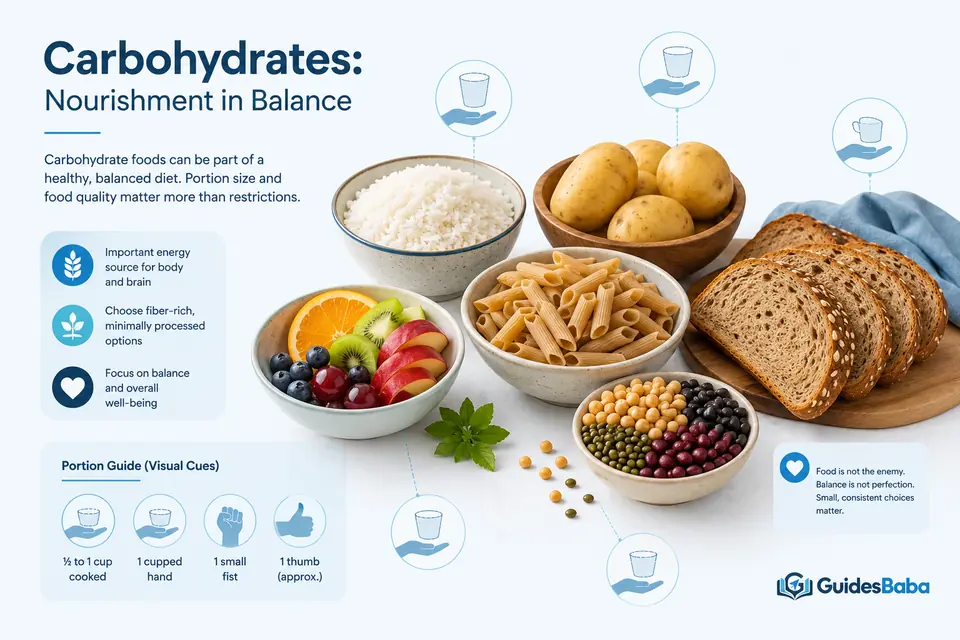
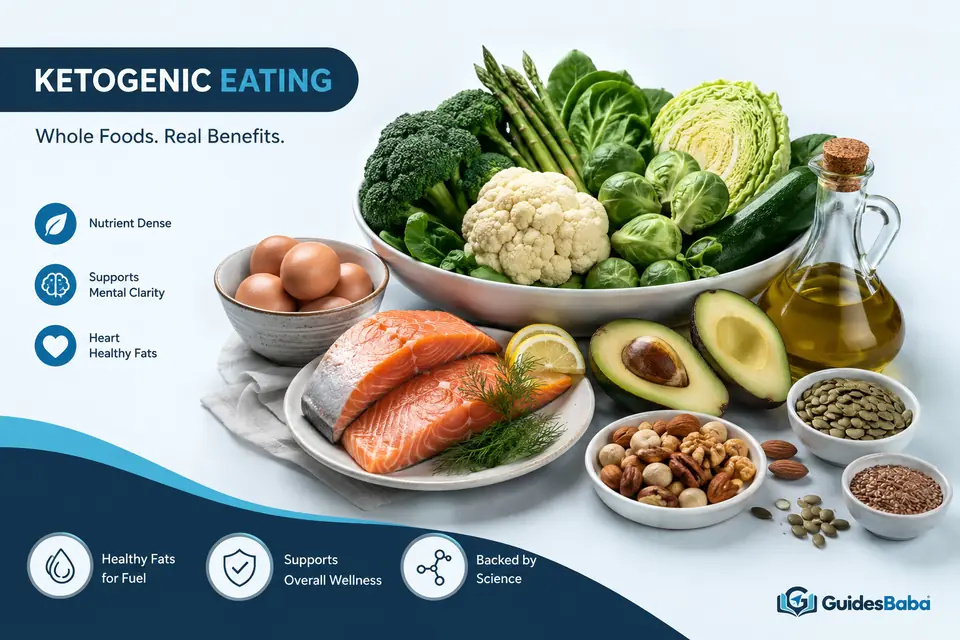
Keto meals lean heavily on fat and protein. Meat, fish, eggs, and cheese feature often. Low-carb vegetables round out the plate.
Healthy fats play a starring role here. Olive oil, avocado, and nuts appear regularly. Learning about foods that contain healthy fats guides better choices. Not all fats are equal in quality. Choose whole sources where you can.
Some everyday foods disappear on keto. Bread, pasta, rice, and most fruit are limited. Sugary treats are off the table too. This can feel strict at first. Planning makes the change easier.
Why people try the ketogenic diet

Weight loss is the most common reason. Many people find keto curbs their appetite. Fewer cravings can mean eating less overall.
Some report steadier energy through the day. Blood sugar swings may feel gentler for them. A few chase sharper mental focus too. These effects vary from person to person. Results are rarely identical for everyone.
Others simply enjoy the food choices. Rich, satisfying meals can feel indulgent. That enjoyment helps some people stay consistent. Still, enjoyment alone does not fit all. Personal taste matters a great deal.
Possible benefits worth knowing
Keto may support weight loss for some people. Higher fat and protein can feel filling. That fullness helps reduce total calories.
Short-term blood sugar control may improve too. Cutting carbs lowers post-meal spikes for many. Some studies suggest triglyceride levels can fall. These findings look promising but stay mixed. More long-term research is still needed.
A few people manage specific conditions with it. Medical keto helps some seizure patients. That use happens under close supervision. It is not a casual choice. Doctors guide those cases carefully.
Possible drawbacks and risks

Keto is not free of downsides. Early days can bring the keto flu. Headaches, tiredness, and irritability may appear briefly.
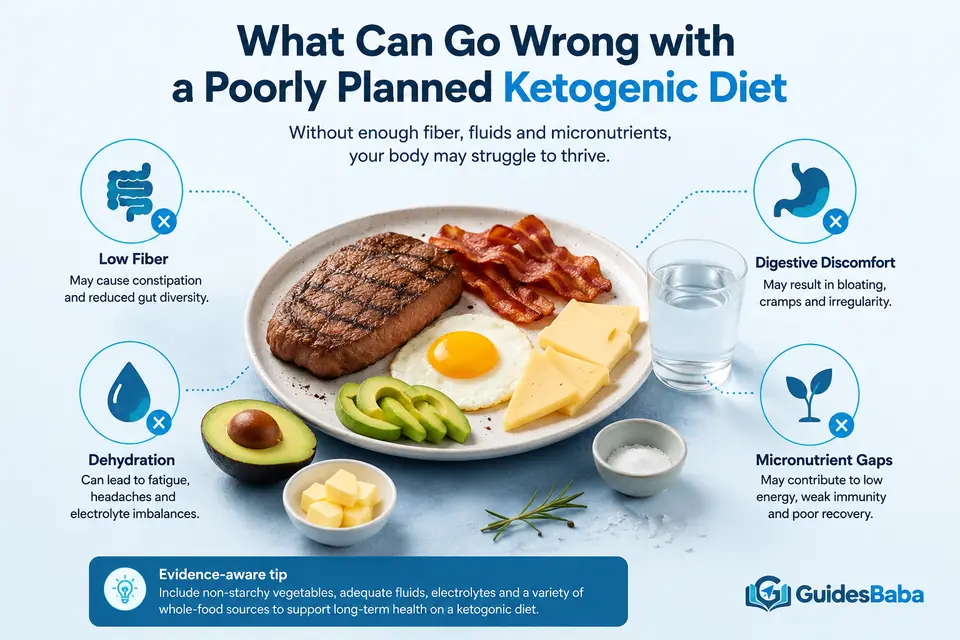
Cutting whole food groups carries some risk. You may miss fibre, vitamins, and minerals. Low fibre can upset your digestion. Planning helps you avoid these gaps. Variety within keto still matters.
The diet can also feel socially tricky. Eating out and events grow harder. Some people struggle to stick with it. Long-term effects are still debated. Caution and monitoring both make sense.

How keto affects your energy
Energy on keto often shifts over time. The first week can feel low and foggy. Your body is still learning the switch.
After adapting, many report steadier energy. Without carb spikes, the crashes may fade. Some feel calmer and more even. This settling can take a few weeks. Patience usually pays off here.
Still, not everyone feels this lift. Some people simply feel drained instead. Hard exercise can suffer without carbs. Listen closely to your own body. It tells you what works.
Keto and exercise performance
Exercise on keto raises common questions. Quick, intense efforts rely on carbs. Those bursts can feel harder at first.
Endurance work may adapt more smoothly over time. Fat becomes a steady fuel for long efforts. Some athletes report solid stamina on keto. Others miss the punch of carbs. The response is very individual.
Give your body weeks to adjust. Early workouts may feel weaker than usual. Track how your sessions actually feel. Adjust your plan if performance drops.
Keto versus a balanced diet
People often compare keto with balanced eating. The clear contrast is keto versus a balanced diet. Each suits different people and goals.
| Ketogenic diet | Balanced diet |
|---|---|
| Very low in carbohydrates | Includes carbs, fat, and protein |
| High in fat | Moderate fat intake |
| Can feel restrictive | More flexible day to day |
| Aims for ketosis | Aims for steady variety |
Choose keto if its structure suits you. Choose balance for flexibility and variety. A balanced diet works well for most people. Match the plan to your life.
Is keto safe for everyone?
Keto is not right for every person. Some health conditions make it risky. Medical guidance becomes very important here.
People with certain kidney or liver issues should be careful. Those on some medications need close review. Pregnant women usually should avoid strict keto. Your doctor knows your full picture. Personal advice beats general rules.
This is not medical advice. See a professional before big changes. A short check-up can prevent problems.
Common mistakes on keto
One common mistake is ignoring food quality. Keto is not a licence for junk. Processed meats and poor fats add up.
Another mistake is forgetting vegetables entirely. Low-carb greens still bring vital nutrients. Skipping them can hurt your digestion. Choose healthier carbohydrate sources within your carb budget. Variety protects your health.
Many people also neglect their fluids and salts. This drives much of the keto flu. Drink water and season your food. Small habits ease the transition. Preparation prevents most struggles.
How long should you try keto?
There is no single right timeline. Some people use keto for a short reset. Others follow it for many months.
Short trials can reveal how you respond. A few weeks show early effects. Longer use needs more careful planning. Nutrient gaps grow over time without care. Regular check-ins keep you safe.
Listen to your body throughout the journey. Note your energy, mood, and digestion. Stop if something feels clearly wrong. A professional can guide your timing. Flexibility keeps the plan healthy.
Making keto more sustainable
Sustainability separates a fad from a habit. Plan your meals a few days ahead. This removes daily guesswork and stress.
Keep a list of go-to keto meals. Repeat the ones you truly enjoy. Batch cooking saves time and effort. Simple routines protect your consistency.
Allow yourself some gentle flexibility too. Rigid rules can lead to burnout. A relaxed mindset helps you continue. Progress beats perfection every time.
Who might benefit most from keto
General advice suits most healthy adults well. Still, keto fits certain people better. Goals and health shape the fit.
Some people with stubborn weight try it. A few with specific conditions use medical keto. That path always needs a doctor. Personal history changes everything here.
If you feel curious, start slowly. Read widely and gather good information. Then talk with a trusted professional. Informed choices always serve you best.
How keto controls hunger
Appetite control is a big draw of keto. Fat and protein tend to feel filling. That fullness can quiet frequent cravings.
Stable blood sugar may also help hunger. Fewer spikes can mean fewer sudden urges. Many people naturally eat less as a result. This effect is a common report. It still varies between individuals.
Do not force yourself to skip meals. Eat when your body signals hunger. Honest hunger cues guide better eating. Trust them over any rigid rule.
The role of protein on keto
Protein sits in the middle on keto. It supports muscles and keeps you full. Too much can interfere with ketosis though.
The aim is a moderate, steady intake. Very high protein may raise blood sugar. Very low protein can cost you muscle. A middle path serves most people. Balance protects your results here.
Choose quality protein sources where you can. Fish, eggs, and poultry work well. Pair them with healthy fats and greens. Simple combinations keep meals satisfying.
Signs the diet is working
People often ask how to tell it works. Several gentle signs can appear over weeks. None of them proves success alone.
Reduced cravings are a common early sign. Steadier energy through the day is another. Some notice their clothes fitting differently. These clues suggest your body is adapting. Track them without obsessing over numbers.
Avoid judging progress by one bad day. Trends over weeks matter far more. Keep simple notes on how you feel. Patterns tell a clearer story.
Frequently asked questions
What is the ketogenic diet in simple terms?
It is a very low carb, high fat plan. It pushes your body to burn fat for fuel.
What is ketosis?
Ketosis is a fat-burning state your body enters. It happens when carbs stay very low.
What foods can you eat on keto?
You eat meat, fish, eggs, cheese, and healthy fats. Low-carb vegetables also fit the plan.
What foods are off-limits on keto?
Bread, pasta, rice, and most fruit are limited. Sugary foods are avoided too.
Does keto help with weight loss?
Many people lose weight on keto. Appetite often drops, which lowers total calories.
What is the keto flu?
It is early tiredness, headaches, and irritability. It usually fades within a week or two.
Is the ketogenic diet safe?
It suits many people but not all. Some conditions make it risky without guidance.
Can you exercise on keto?
Yes, though intense efforts may feel harder at first. Endurance often adapts over a few weeks.
How long does it take to reach ketosis?
Many people reach it within a few days. Others take longer, depending on their body.
Is keto better than a balanced diet?
Neither is best for everyone. The right choice depends on your goals and health.
The bottom line
So what is the ketogenic diet? It is a very low carb, high fat way of eating. It shifts your body toward burning fat. Some people lose weight and feel steadier. Others find it hard to keep up.
Keto can offer real benefits for certain goals. It also carries risks and clear drawbacks. It is not magic and not for everyone. Weigh the trade-offs before you begin.
For more background, read this overview of the ketogenic diet. You can also explore how ketosis works in the body. Use trusted sources to guide your habits.
This is not medical advice. See a professional before starting keto. Choose an approach that fits your life. Then build habits you can truly maintain.