
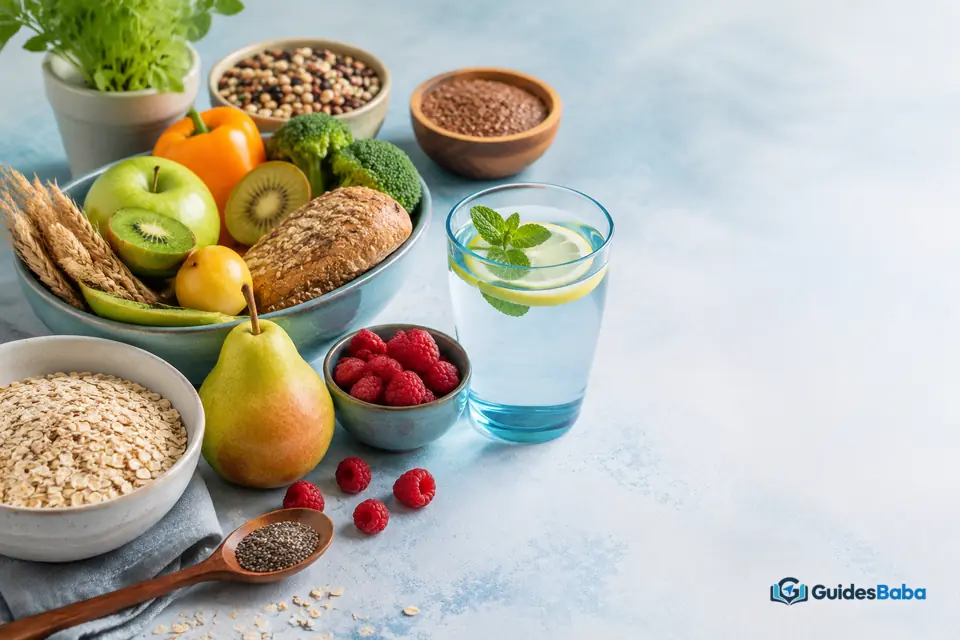
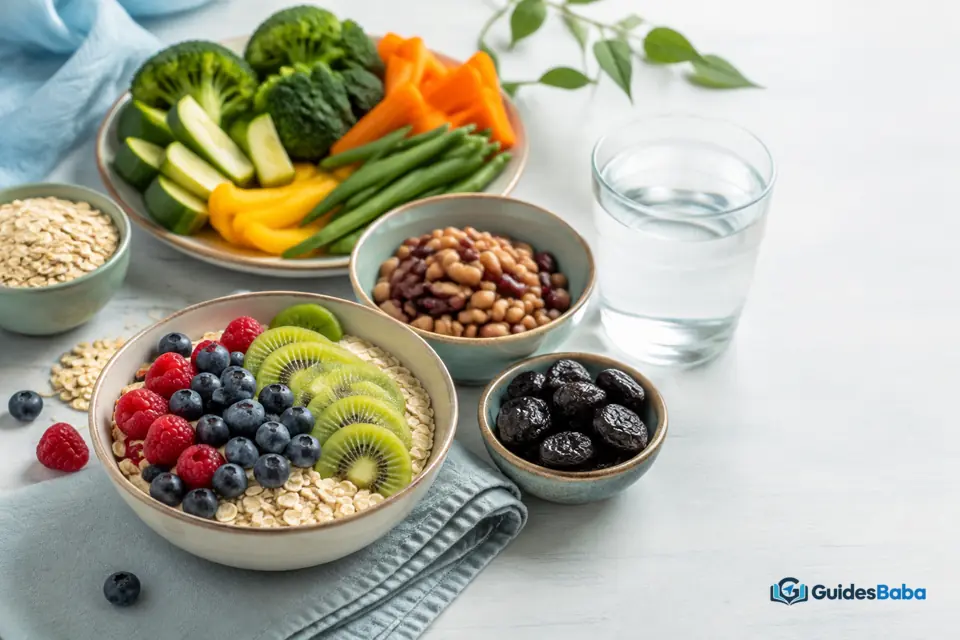
Everyone meets a slow gut at some point. So what foods help with constipation? Can your plate really make a difference? Food often holds the simplest answer.
Rather than reaching straight for a remedy, look at meals. Many everyday foods support smooth digestion. Fibre and fluids do most of the work. Small daily choices add up quickly. Your kitchen is a good starting point.
Here is the honest answer. Fibre-rich foods help keep things moving. Fruits, vegetables, and whole grains lead the way. Beans, seeds, and prunes help too. Water supports fibre as it works. Balance across the day matters most.
This guide covers helpful foods step by step. You will learn how fibre and fluids help. We compare soluble and insoluble fibre. This is not medical advice. See a professional.
So which foods help with constipation?
The honest answer centres on fibre. Fibre adds bulk and softness to stool. It helps waste pass more easily.
Think of fibre as a gentle broom. It sweeps waste steadily through the gut. Water helps that broom work well. Together they keep digestion moving. The pairing does the real job.
Which single food is the magic fix? None, honestly, and that is fine. Variety beats any one wonder food. A mix of plants works best. Consistency matters more than any trick. A steady plate beats any quick fix.
What constipation actually means
Constipation means stools become hard or infrequent. Passing them can feel slow or difficult. The cause is often simple.
Low fibre is a very common reason. Too little water plays a part too. Little movement can slow the gut. Stress and routine changes add to it. Diet is usually a good place to start.
You cannot fix what you ignore. Notice your habits over a few days. Small food changes often bring relief. Give any change a little time. Patience helps your gut adjust. Give new foods a few fair days.
Did you know?
Fibre works best with plenty of fluid. Adding fibre without water can sometimes make things worse.
Why fibre keeps things moving
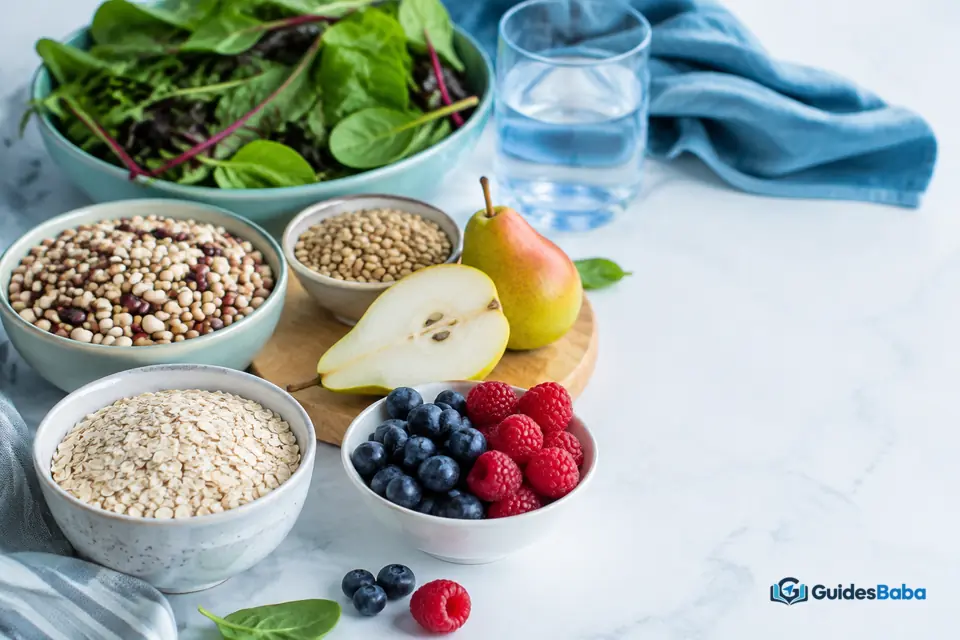
Fibre is the star of smooth digestion. It adds bulk and holds water. That combination softens and moves stool.
Insoluble fibre adds bulk to speed transit. Soluble fibre forms a soft gel. Both types support comfortable digestion. Aiming to increase fibre in your diet helps many people. A mix of sources works best.
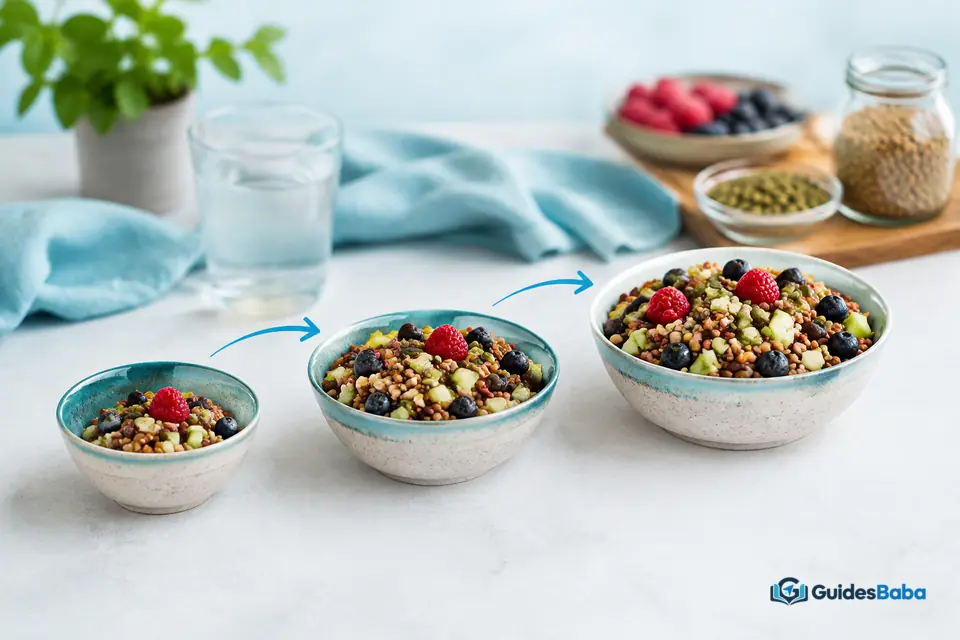
You should raise fibre slowly, not suddenly. A sharp jump can cause bloating. Small weekly increases feel gentler. Pair every step with more water. Your gut adjusts more comfortably. Gentle progress avoids uncomfortable side effects.
Fruits that can help
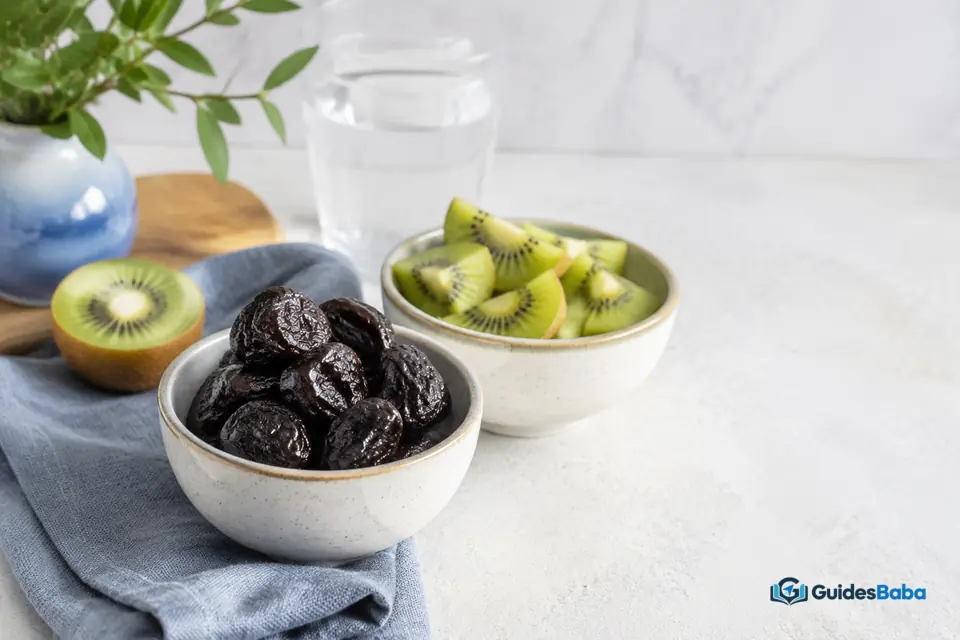
Fruit is a friendly source of fibre. Many kinds also hold plenty of water. That mix supports easier digestion.
Pears and apples keep their skins on. Berries pack fibre into small bites. Kiwi is often praised for digestion. Oranges add fibre and fluid together. Ripe fruit is gentle and sweet.
You can enjoy fruit across the day. A piece at breakfast starts things well. Snacks of fruit beat sugary treats. Whole fruit beats juice for fibre. Fresh choices support your gut. Skins add extra fibre where safe.
Vegetables worth adding
Vegetables bring fibre, water, and nutrients. They belong at most meals. Variety keeps the plate interesting.
Leafy greens add gentle bulk to meals. Broccoli and carrots offer steady fibre. Peas and sweetcorn add more still. Cooked vegetables can feel easier to digest. Colour on the plate signals variety.
You do not need huge portions. Add one extra vegetable each day. Build the habit slowly over weeks. Small additions still make a difference. Every vegetable counts toward your goal. Aim for colour at each meal.
Whole grains and constipation
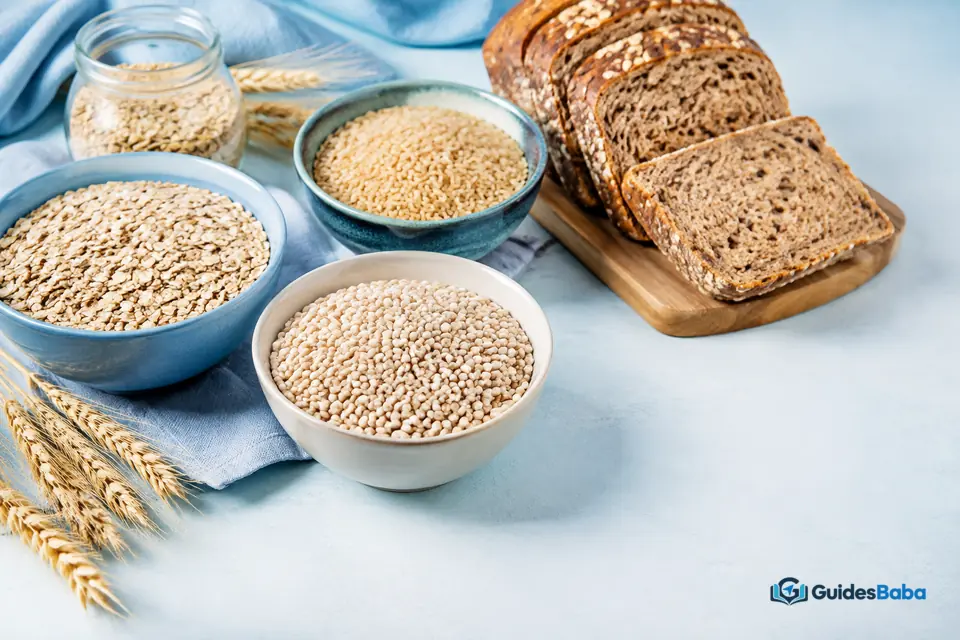
Whole grains keep their fibre-rich outer layer. That layer helps move waste along. Refined grains lose much of it.
Oats, brown rice, and wholewheat are helpful. Barley and wholegrain bread add more. These are some foods that contain the most fibre. Swapping white for wholegrain helps daily. Small swaps add up over time.
You can start with one simple swap. Choose wholegrain bread over white. Try oats for a filling breakfast. Read labels for the wholegrain mark. Gradual swaps feel very manageable. Wholegrain choices keep you fuller too.

Beans, lentils, and pulses
Pulses are among the richest fibre sources. They also add protein to meals. That makes them very useful.
Lentils cook quickly and suit many dishes. Chickpeas work in stews and salads. Black beans add fibre and flavour. Kidney beans bulk out a hearty meal. A little goes a long way.
You can add pulses a few times weekly. Start with small amounts to adjust. Rinse canned beans to ease digestion. Blend them into soups if preferred. Gentle introduction avoids discomfort. Your gut soon adapts to pulses.
The role of water

Water and fibre are a team. Fibre needs fluid to soften stool. Without it, fibre can backfire.
Drink steadily across the whole day. Water, milk, and herbal tea all count. Soups and watery fruit add fluid too. Learning how much water to drink each day helps here. Thirst is a useful daily signal.
You should drink more when adding fibre. The two work best together. Warm drinks can help some people. Keep a bottle within easy reach. Steady sips beat rare big gulps. Hydration keeps everything moving smoothly.
Prunes and dried fruit
Prunes have a strong digestive reputation. They pack fibre into small servings. Many people find them helpful.
Prunes also contain natural sorbitol. This gently draws water into the gut. Figs and apricots work similarly. Raisins add fibre in tiny bites. A small handful is usually enough.
You can eat a few prunes daily. Add them to oats or yoghurt. Soak dried fruit to soften it. Watch portions, as dried fruit is concentrated. Moderation keeps things comfortable. A little each day works well.
Nuts, seeds, and gut health
Nuts and seeds add fibre and healthy fat. They make handy, filling snacks. Small amounts pack real value.
Chia and flaxseed are especially useful. They swell with water into a gel. Almonds and walnuts add fibre too. Sprinkle seeds over meals for an easy boost. A spoonful goes a long way.
You can stir seeds into porridge. Add them to yoghurt or salads. Grind flaxseed so your body uses it. Keep portions sensible and steady. Little habits build big results. Seeds add a satisfying gentle crunch.
Soluble versus insoluble fibre
Fibre comes in two main forms. The comparison is soluble versus insoluble fibre. Each helps digestion differently.
| Soluble fibre | Insoluble fibre |
|---|---|
| Forms a soft gel. | Adds bulk to stool. |
| Found in oats and apples. | Found in wholegrains and skins. |
| Softens and slows things. | Speeds transit through the gut. |
| Helps steady digestion. | Helps prevent sluggishness. |
You benefit from both fibre types. Most plant foods contain a mix. The difference between soluble and insoluble fibre guides variety. Eat a range for the best effect.
Fermented foods and gut balance
Fermented foods support a healthy gut. They add friendly bacteria to your system. A balanced gut aids digestion.
Yoghurt with live cultures is popular. Kefir offers a drinkable option. Sauerkraut and kimchi add variety too. These foods complement a fibre-rich diet. Together they support regular habits.
You can add a small serving daily. Choose plain yoghurt over sugary versions. Introduce new ferments slowly and gently. Notice how your gut responds. Balance builds over gradual weeks. Live cultures support a steady gut.
Foods that may slow things down
Some foods can worsen sluggish digestion. Knowing them helps you balance meals. Moderation is the key idea.
Heavily processed snacks lack fibre entirely. Too much cheese can bind some people. Fast food often crowds out plants. Excess red meat may slow things. Balance these with plenty of fibre.
You need not ban these foods. Simply pair them with fibre-rich sides. Keep plants at the centre of meals. Variety keeps digestion on track. Balance beats strict rules here. Keep plants at every single meal.
Common mistakes people make
One common mistake is adding fibre too fast. A sudden surge can cause bloating. A gentle build feels far better.
Another mistake is forgetting to drink water. Fibre without fluid can backfire badly. The two truly belong together. Raise both at the same time. Hydration keeps fibre working well.
Some people rely on one food only. They eat prunes but skip variety. A broad mix works far better. Spread fibre across every meal. Diversity supports steady results. Aim for balance at every meal.
Building a fibre-friendly day
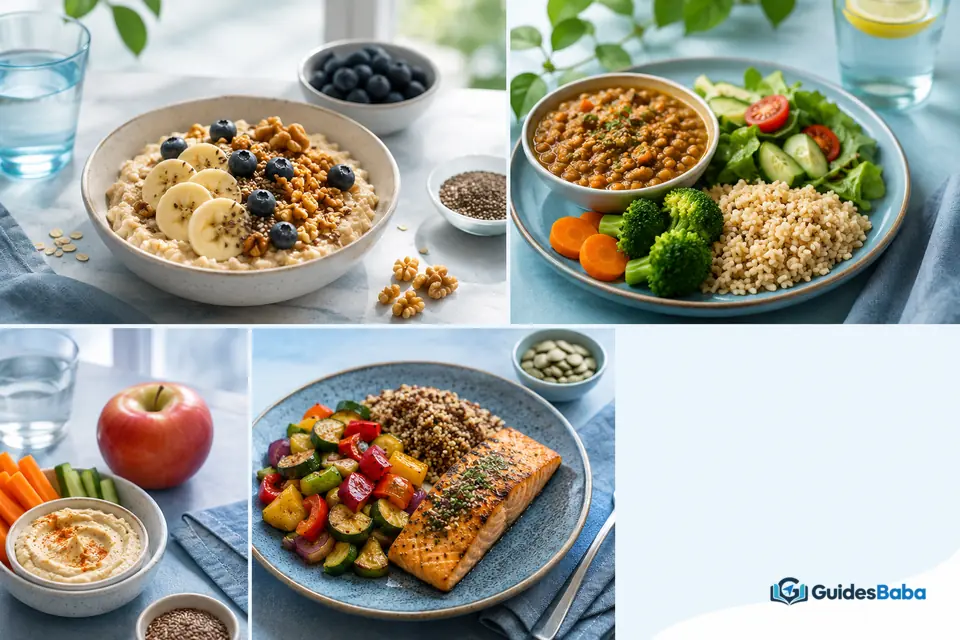
A good day spreads fibre evenly. Each meal can offer a little. Steady intake beats one big hit.
Start with oats or wholegrain toast. Add fruit and seeds at breakfast. Fill lunch with beans and vegetables. Snack on nuts or fresh fruit. Finish dinner with wholegrains and greens.
You can keep the plan flexible. Swap foods to match your taste. Drink water alongside each meal. Small steady habits add up. A simple routine keeps you regular. Small habits carry you through the day.
Who might need tailored guidance
General food tips suit many people. Still, some situations need personal care. Certain signs deserve attention.
Ongoing or severe symptoms need review. Pain, bleeding, or big changes matter. A doctor can rule out other causes. A dietitian can shape a safe plan. Personal advice always beats general rules. A quick check can bring real reassurance.
This is not medical advice. See a professional before big changes. Use these ideas as a friendly guide. Then adapt them to your needs.
Making changes that last
Lasting relief grows from steady habits. Small daily choices work best. Consistency beats short bursts of effort.
Add fibre gradually across your meals. Drink water throughout the whole day. Keep moving to help your gut. Enjoy a wide range of plants. Repetition makes good digestion routine.
Above all, listen to your body. It signals what feels comfortable. Adjust foods to suit your response. Give each change a little time. Patience delivers the real results. Steady effort rewards you over time.
Frequently asked questions
What foods help with constipation?
Fibre-rich fruits, vegetables, and whole grains help most. Beans, seeds, and prunes support them well.
Why does fibre help?
Fibre adds bulk and holds water. That softens stool and moves waste along.
Do prunes really work?
Many people find prunes helpful. They combine fibre with natural sorbitol.
How much water should I drink?
Drink steadily across the day. More is needed when you add fibre.
Can I add too much fibre?
Yes, a sudden jump can cause bloating. Raise fibre slowly and gently instead.
Are whole grains better than white?
Whole grains keep their fibre-rich layer. That layer helps move waste along.
Do fermented foods help digestion?
They add friendly bacteria to your gut. A balanced gut can aid regularity.
Which foods might slow me down?
Heavily processed snacks and fast food lack fibre. Balance them with plenty of plants.
How fast will foods work?
Results vary from person to person. Give any change a few patient days.
When should I see a professional?
See one for severe or ongoing symptoms. Pain or bleeding always needs review.
The bottom line
So what foods help with constipation? Fibre-rich fruits and vegetables lead the way. Whole grains, beans, and seeds help too. Prunes bring a gentle natural nudge. Water makes all that fibre work.
You do not need a single miracle food. Spread a variety of plants across meals. Drink water steadily through the day. Raise fibre slowly for lasting comfort.
For more background, read this overview of constipation and its causes. You can also learn how dietary fibre supports digestion. Use trusted sources to guide your habits.
This is not medical advice. See a professional for your personal needs. Choose gentle habits that fit your life. Then let steady eating do the work.