
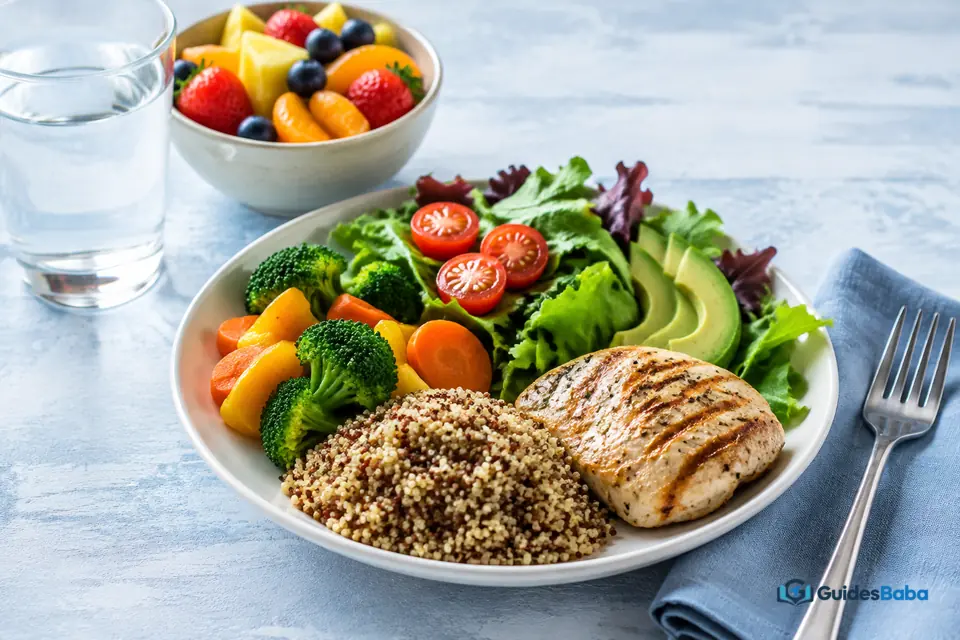
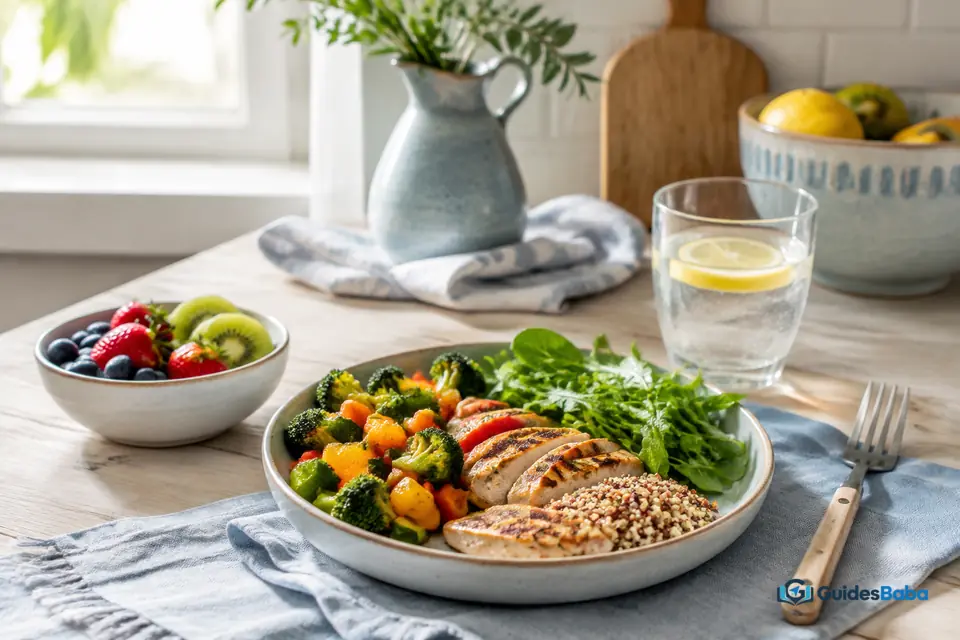
Pregnancy asks a lot from your body. So which nutrients are especially important during pregnancy? Do you really need to eat for two? The answer is simpler than it sounds.
Rather than doubling your plate, focus on quality. A few key nutrients matter more now. They support your baby’s growth and your health. Food usually supplies most of what you need. A little planning keeps the balance right.
Here is the honest answer. Folate, iron, calcium, and vitamin D stand out. Iodine, omega-3 fats, and protein matter too. Most come from a varied, balanced diet. Some may need a supplement as well. Your doctor or midwife can confirm your needs.
This guide covers each key nutrient in turn. You will learn why each one matters. We share simple food sources for all of them. This is not medical advice. See a professional.
So which nutrients are especially important during pregnancy?
The honest answer names a short list. A handful of nutrients rise in importance. The rest still matter as usual.
Think of it like tuning an orchestra. Every instrument plays, but a few lead. Folate, iron, calcium, and vitamin D lead here. They shape growth at key moments. The whole diet still supports the tune.
Does this mean endless supplements? Not usually, as food does much of the work. A balanced plate covers most needs. Targeted supplements fill specific gaps. Your midwife can guide the right mix.
Why pregnancy raises your nutrient needs
Your body builds a whole new person. That work demands extra raw materials. Some nutrient needs rise noticeably.
Blood volume grows to support the baby. Bones, organs, and tissues all develop fast. These processes lean on specific nutrients. A dietitian can explain the timing simply. Meeting needs early supports healthy growth. Steady nutrition matters through every stage.
The goal is quality, not sheer quantity. You do not need huge extra portions. You need the right nutrients in balance. Check anything that feels unclear. Your care team can settle any doubt.
Did you know?
Folate is vital in the earliest weeks. Many people start it before conception on advice.
Folate and folic acid
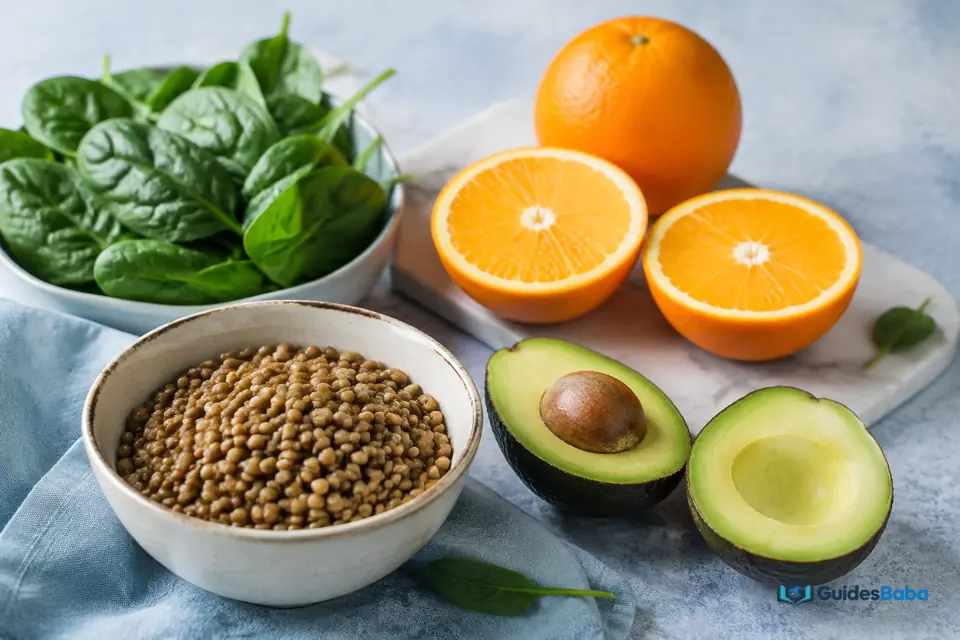
Folate tops most pregnancy nutrient lists. It supports very early development. Its role begins before many notice pregnancy.
Folate helps form the baby’s neural tube. This structure develops in the first weeks. Leafy greens and beans supply natural folate. Folic acid is the supplement form. Your doctor can advise on timing and amount.
You can find folate across many foods. Greens, citrus, and pulses all help. Learn more in our essential nutrients guide. Food and supplements often work together. A professional confirms what suits you.
Iron for you and your baby
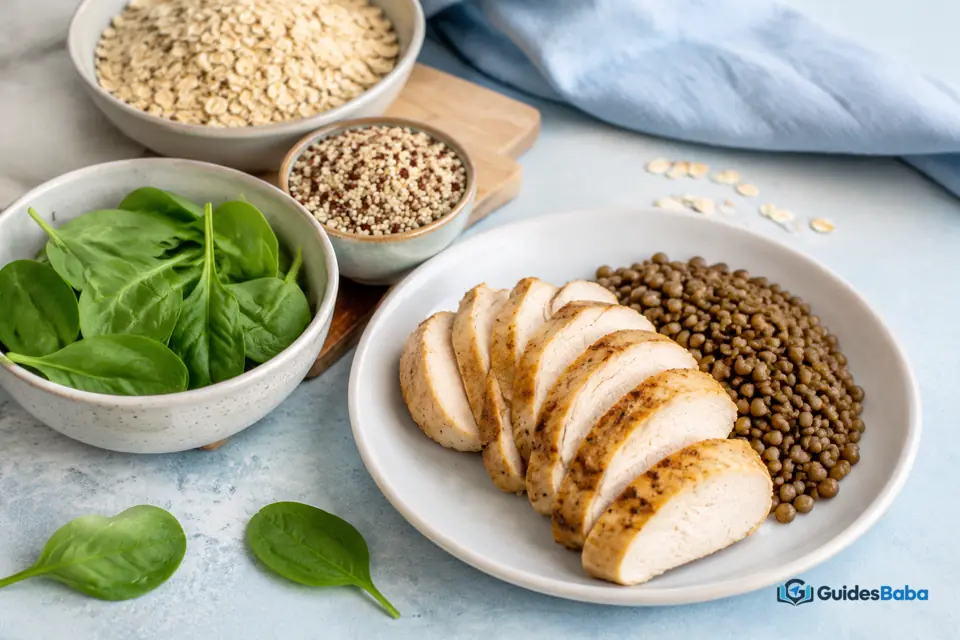
Iron carries oxygen around your body. Pregnancy raises your blood volume sharply. That lifts your iron needs.
Low iron can leave you tired and pale. Your baby also draws on your stores. Red meat, beans, and greens supply iron. Vitamin C helps your body absorb it. Your midwife may check your iron levels.
You can boost iron with smart pairings. Add fruit or peppers to iron-rich meals. Our guide to high-iron foods helps. Small habits improve absorption. A dietitian can fine-tune your intake.
Calcium for bones and teeth
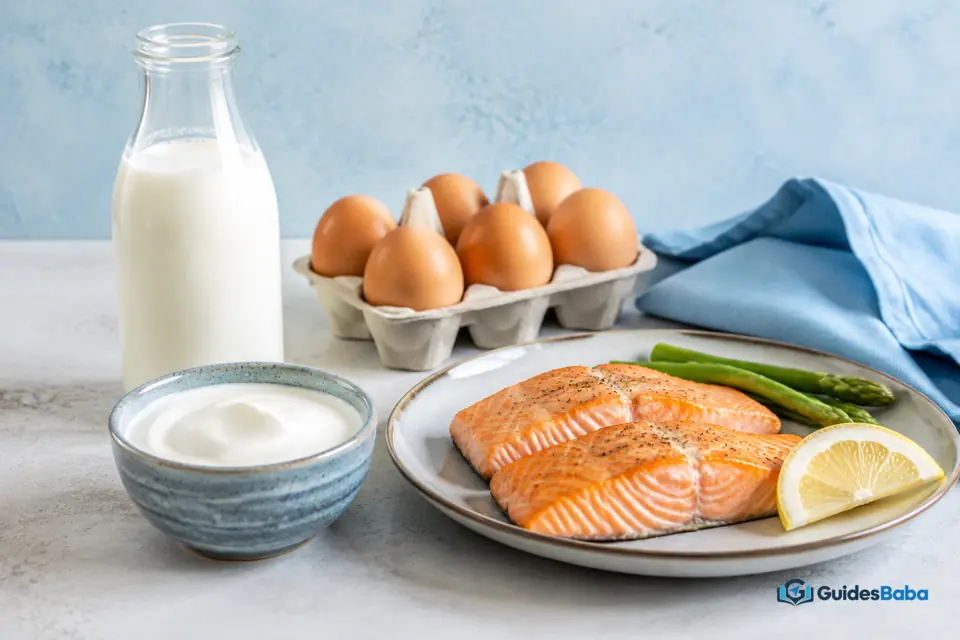
Calcium builds your baby’s bones and teeth. Your body shares its own stores generously. Replenishing calcium keeps you strong too.
Dairy is a classic calcium source. Fortified plant milks work as well. Leafy greens and tofu add more. Choose pasteurised dairy during pregnancy. Your midwife can suggest safe options.
You get calcium from many everyday foods. Yoghurt, cheese, and greens all count. Our guide to high-calcium foods can help. Spread intake across the day. Balance supports steady bone health.
Vitamin D and sunshine
Vitamin D helps your body use calcium. It supports bones for both of you. Many people run a little low.
Sunlight helps your skin make vitamin D. Oily fish and eggs supply some too. Many regions advise a supplement in pregnancy. Winter months make deficiency more likely. Your doctor can advise on this.
You can top up through diet and daylight. Fortified foods add another source. See our guide to vitamin D foods. A professional confirms if you need more. Do not guess your own dose.

Omega-3 fats and brain growth
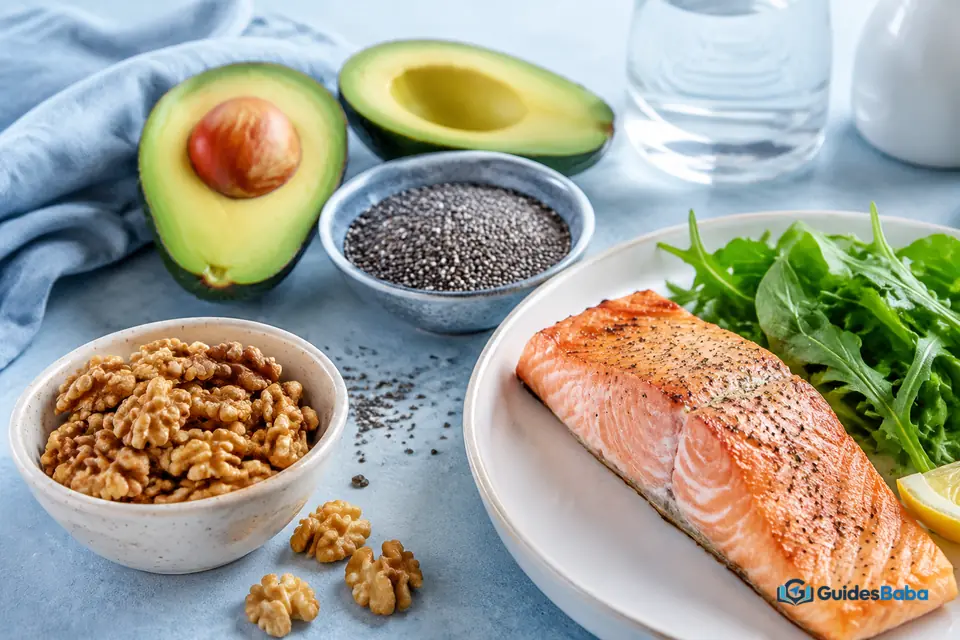
Omega-3 fats support the baby’s brain. They also help eye development. Oily fish is a leading source.
Salmon and sardines offer useful omega-3. Cooked, low-mercury fish is the safer route. Plant sources include walnuts and flaxseed. Some people use a suitable supplement. Your midwife can suggest safe options.
You can include omega-3 a few times weekly. Watch the fish type and amount. Balance the benefits against any risks. Ask about supplements if fish is limited. A professional guides the details.
Iodine for healthy development
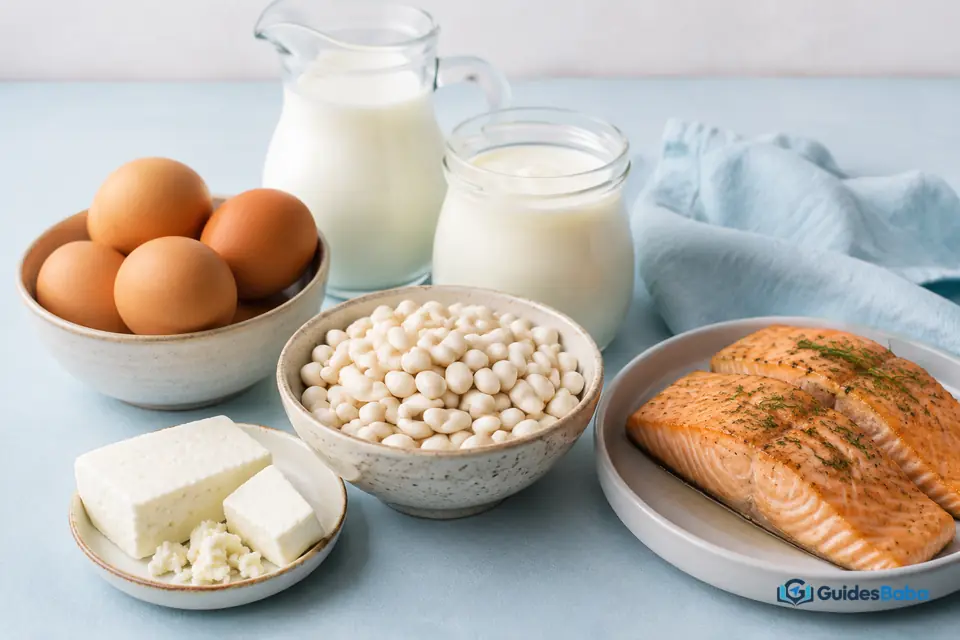
Iodine supports the thyroid and brain growth. Needs rise gently during pregnancy. Many diets already supply enough.
Dairy, eggs, and some fish contain iodine. Iodised salt adds a little more. Very restricted diets may fall short. Your doctor can review your intake. Do not add high-dose iodine alone.
You usually meet iodine needs through food. A varied diet covers most people. Vegans may need extra attention here. Check any restricted diet with a dietitian. Careful planning fills the gaps.
Protein as building blocks
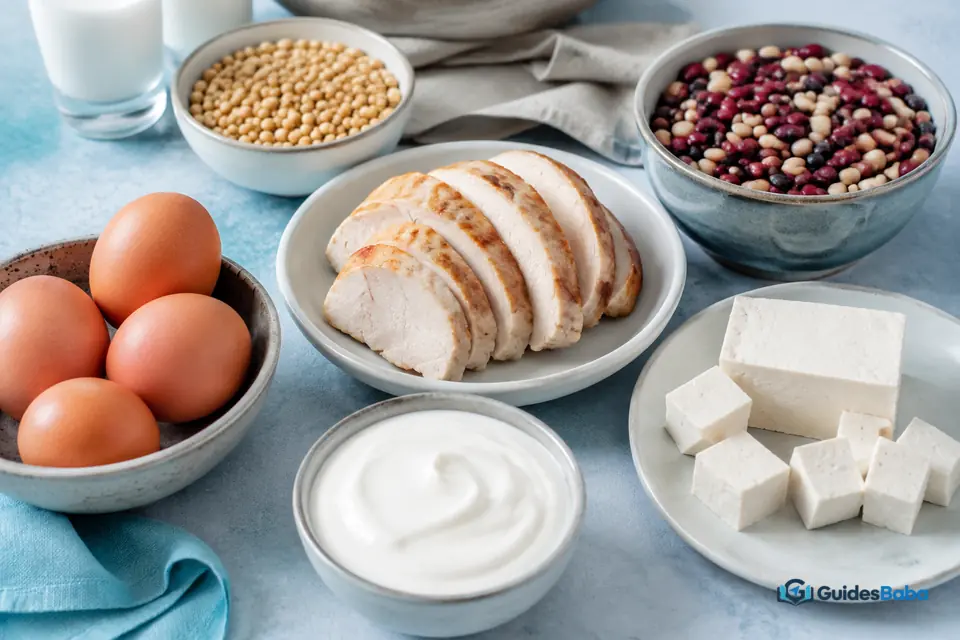
Protein builds tissue for you and baby. Needs rise as pregnancy progresses. Food supplies this quite easily.
Beans, eggs, fish, and lean meat help. Dairy and pulses add more protein. Spread protein across your daily meals. Well-cooked options stay the safest choice. A balanced plate meets most needs.
You can mix animal and plant proteins. Variety brings a fuller nutrient range. See our guide to high-protein foods. Simple meals cover the basics. A dietitian can review your totals.
Vitamin B12 and energy
Vitamin B12 supports nerves and blood cells. It works closely with folate. Animal foods are the main source.
Meat, fish, eggs, and dairy contain B12. Fortified foods help plant-based eaters. Vegans often need a B12 supplement. Low levels can cause tiredness. Your doctor can check your status.
You can plan B12 with a little care. Include fortified foods if you avoid animal products. Ask about a suitable supplement. This nutrient deserves attention on vegan diets. A professional confirms your plan.
Everyday needs versus pregnancy needs
People often ask how needs change. The clear comparison is everyday needs versus pregnancy needs. Each column shows the shift.
| Everyday needs | Pregnancy needs |
|---|---|
| Folate helpful for general health | Folate vital in early weeks |
| Iron for steady energy | Iron for higher blood volume |
| Calcium for adult bones | Calcium for baby and mother |
| Vitamin D as general support | Vitamin D often advised as supplement |
Use this table as a general guide only. Confirm the details with your own midwife. Your needs can differ from others. Personal advice always fits best.
Getting nutrients from food first
Food remains the best nutrient source. Whole foods bring a full package. They offer fibre and variety too.
Build meals around vegetables, grains, and protein. Add fruit, dairy, and healthy fats. A colourful plate covers many nutrients. Cooking safely keeps meals worry-free. Balance beats any single super food. Small daily choices add up quickly.
You gain more than isolated nutrients from food. Whole meals support digestion and fullness. Supplements fill gaps, not replace meals. Aim for variety across the week. Simple habits do most of the work. Real food should stay your foundation.
Supplements and prenatal vitamins
Some nutrients are hard to get from food. Prenatal supplements can help close gaps. They are common in pregnancy.
Folic acid and vitamin D are typical additions. Some people also need extra iron. Never set your own high doses. Too much of some nutrients can harm. Your doctor decides what you need.
You should treat supplements as support, not magic. They work alongside a balanced diet. Choose products made for pregnancy. Always follow professional guidance on amounts. Safety comes before any trend. Never copy a friend’s supplement plan.
Common mistakes people make
One common mistake is self-prescribing high doses. More is not always better. Some nutrients can harm in excess.
Another mistake is ignoring diet for pills. Supplements cannot replace real meals. Whole foods offer far more. Keep food at the centre. Use supplements only to fill gaps.
Some people forget to seek advice early. Folate matters from the very start. Speak with a professional as soon as possible. Early planning supports healthy growth. Do not wait to ask questions.
Vegetarian and vegan pregnancies
Plant-based pregnancies can be healthy. They just need a little more planning. Some nutrients deserve extra care.
Vitamin B12 and iron need attention. Iodine and omega-3 matter too. Fortified foods and supplements help here. A dietitian can build a solid plan. Careful planning covers every gap.
You can thrive on a plant-based diet. Variety and fortified foods make it work. Track the trickier nutrients closely. Ask a professional to review your meals. Support makes the journey easier. A little planning goes a long way.
Who needs tailored guidance
General advice suits most pregnancies well. Still, some people need personal care. Certain situations change the picture.
Existing conditions may alter your needs. Twins or restricted diets need attention. Your doctor understands your full history. Personal advice always beats general rules here. A short appointment can prevent problems.
This is not medical advice. See a professional for your own needs. Use these ideas as a friendly guide. Then adapt them with expert help.
Making balanced eating manageable
Balanced eating grows from simple habits. You do not need a perfect diet. A few routines carry most of the load.
Fill half your plate with vegetables and fruit. Add protein, whole grains, and dairy. Take advised supplements consistently. Ask questions at each antenatal visit. Steady habits make nutrition feel easy.
Above all, lean on your care team. Your midwife and doctor know you best. They turn general tips into personal plans. Trust their guidance over online noise. Their support keeps you confident.
Frequently asked questions
Which nutrients are especially important during pregnancy?
Folate, iron, calcium, and vitamin D stand out. Iodine, omega-3, and protein matter too.
Do I need to eat for two?
No, quality matters more than quantity. Focus on key nutrients, not double portions.
Is folate really that important?
Yes, folate supports very early development. Many start it before conception on advice.
How do I get enough iron?
Eat red meat, beans, and greens. Pair them with vitamin C foods.
Do I need a vitamin D supplement?
Many regions advise one in pregnancy. Ask your doctor about your needs.
Can I get nutrients from food alone?
Food covers most needs well. Some nutrients still need a supplement.
Are prenatal vitamins necessary?
They help fill common gaps. Your doctor can recommend a suitable one.
What about vegan pregnancies?
They can be healthy with planning. Watch B12, iron, iodine, and omega-3.
Can I take too many supplements?
Yes, some nutrients harm in excess. Never set your own high doses.
Where can I get personal advice?
Speak with your doctor, midwife, or dietitian. They tailor advice to your needs.
The bottom line
So which nutrients are especially important during pregnancy? Folate, iron, calcium, and vitamin D lead. Iodine, omega-3 fats, and protein follow closely. Most come from a varied, balanced diet. Some may need a careful supplement.
You do not need to eat for two. Focus on quality over sheer quantity. Build colourful, balanced meals each day. Then let your care team guide the extras.
For more background, read this overview of folate and its role. You can also learn about prenatal vitamins and their use. Trusted sources help you plan wisely.
This is not medical advice. See a professional for your personal needs. Your doctor, midwife, or dietitian knows you best. Let their guidance shape your choices.