


Breastfeeding raises many food questions. So what nutrients are especially important while breastfeeding? Have you heard you must eat perfectly? The truth is far more relaxed. Good, steady nutrition helps you both.
Rather than chasing every nutrient, eat well. A varied diet does most of the work. Your body is remarkably good at this. Your care team can guide the details.
Here is the honest answer. A balanced, varied diet covers most needs. Focus on protein, calcium, iron, and healthy fats. Add vitamin D, iodine, and B vitamins. Drink plenty of water each day. Always follow your own doctor or midwife.
This guide covers general breastfeeding nutrition ideas. You will learn about key nutrients and foods. We also cover hydration and simple habits. This is not medical advice. See a professional.
So what nutrients are especially important while breastfeeding?
The honest answer is a balanced diet. Variety gives you a wide nutrient range. No single food does it all. A broad mix serves you best.
Think of your diet like a full toolbox. Each nutrient does a slightly different job. Protein, calcium, and iron all matter. Vitamin D and omega-3 fats help too. Iodine supports you quietly in the background. A mixed plate covers most of them. Aim for balance at each meal.
Do you need special foods? Not really, just good everyday choices. Focus on whole, fresh ingredients. Your midwife can tailor advice. Personal guidance always comes first. No guide replaces your own team.
Why nutrition matters while breastfeeding
Your body is doing amazing work. It makes milk for your baby. Good food supports that quiet effort. Nourishment fuels this daily task.
Breast milk draws on your own stores. A balanced diet helps refill them. It supports your energy and mood. It also helps you recover. A healthy diet builds gentle reserves. Both of you benefit together. Steady eating helps you feel stronger.
You do not need to be perfect. Aim for steady, sensible eating. Small good habits add up. Your care team will support you. Progress matters more than perfection.
Did you know?
Your body often protects milk quality first. Many nutrients are drawn from your own stores when needed.
Eating a balanced, varied diet
A balanced diet is your foundation. It covers most of your needs. Variety fills in the gaps. Together they cover a lot.
Fill your plate with different food groups. Include fruit, vegetables, and whole grains. Add protein and some dairy. Healthy fats belong there too. Learn about the essential nutrients you need.
You do not need fancy superfoods. Everyday whole foods work well. Aim for colour and variety. Your care team can adjust this. Simple food is often best.
Protein for milk and recovery
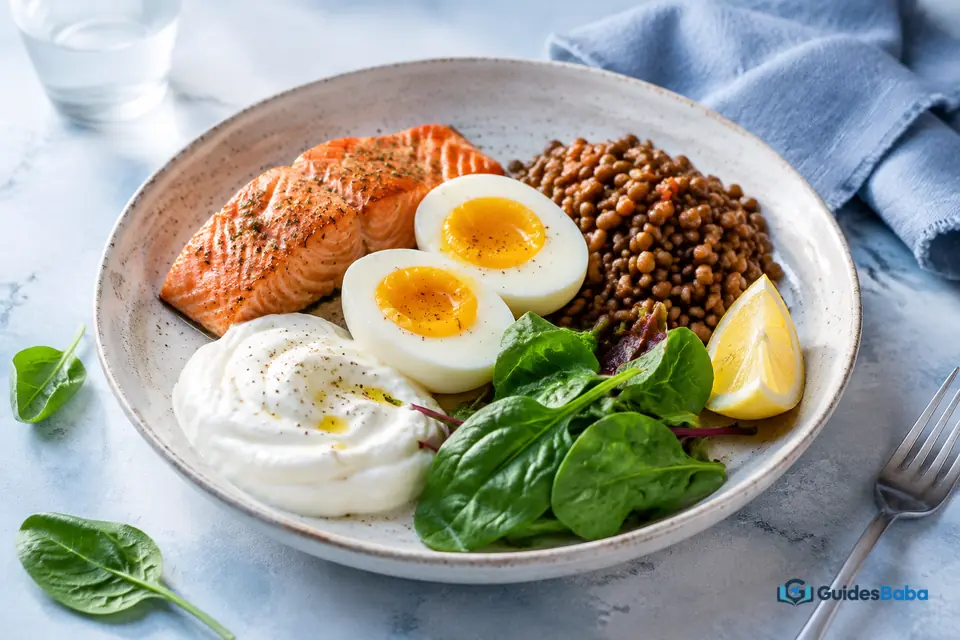
Protein is a key building block. Your body uses it to recover. It also supports milk production. Steady protein helps you feel strong.
Good sources are easy to find. Eggs, beans, lentils, and fish help. Lean meat and poultry work well. Dairy and nuts add more. These high-protein foods support recovery.
You should spread protein across meals. Include some at each sitting. This keeps your supply steady. Cooked, well-prepared options are safest. Your midwife can advise on amounts. Aim for a little regularly.
Calcium for strong bones

Calcium supports your bones during breastfeeding. Your body works to protect them. A steady supply helps a lot. It matters for you both.
Dairy foods are classic sources. Milk, yoghurt, and cheese all help. Fortified plant drinks work too. Leafy greens add some calcium. Tinned fish with bones helps too. See foods highest in calcium here.
You can spread calcium through the day. A glass of milk is simple. Cheese suits many snacks. Yoghurt makes an easy option. Your midwife can guide your intake. Small servings add up nicely.
Iron and healthy energy
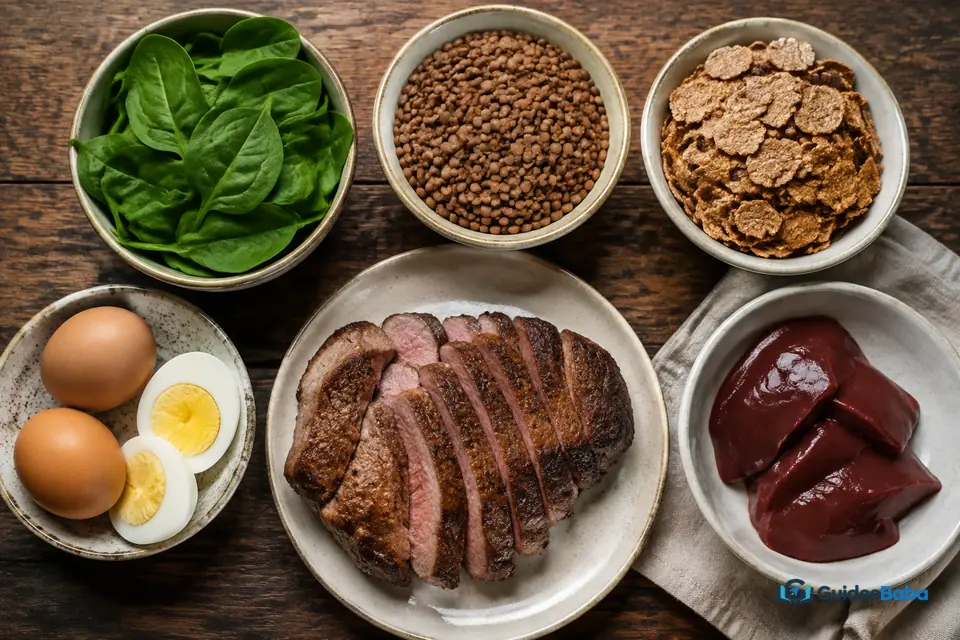
Iron helps carry oxygen in blood. It supports your energy levels. Low iron can leave you tired. Recovery can feel harder then.
Many foods supply useful iron. Lean red meat is one source. Beans, lentils, and leafy greens help. Fortified cereals add more. Dried fruit offers a little too. Explore foods highest in iron here.
Vitamin C can help you absorb iron. Pair iron foods with fruit or peppers. Your doctor may check your levels. Follow their advice on any supplements. Never guess doses on your own.

Vitamin D and sunshine
Vitamin D supports bones and immunity. Your body makes some from sunlight. Food supplies a little too. Many people run low here.
Oily fish and eggs contain some. Fortified foods can help as well. Sunlight helps your body make more. A supplement is often advised.
You should follow professional advice here. Do not guess at any doses. Your doctor knows your situation. This is not medical advice. Always ask before you start anything.
Omega-3 and healthy fats
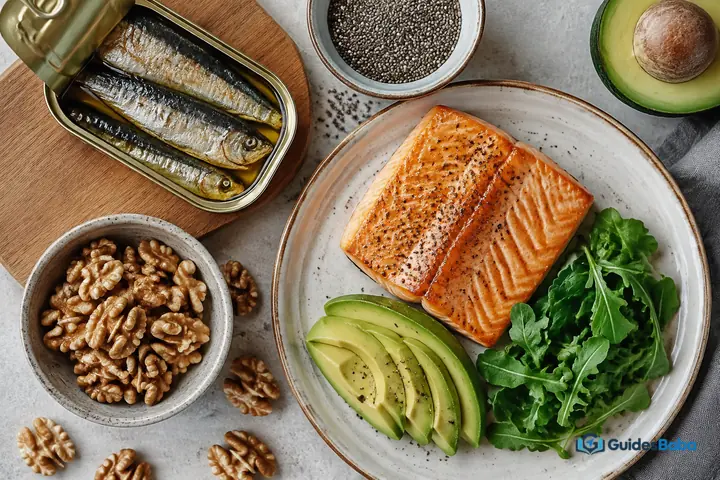
Healthy fats support you and your baby. Omega-3 fats play a helpful role. They appear in your breast milk. A varied diet supplies them.
Oily fish is a classic source. Think salmon, sardines, and mackerel. Nuts and seeds add plant forms. Some eggs are enriched too. Rapeseed oil offers a little as well. A mixed diet covers most needs.
You should not chase fats alone. A balanced diet does most work. It quietly covers the basics. Your care team can advise more. Food should come first.
Iodine and other minerals
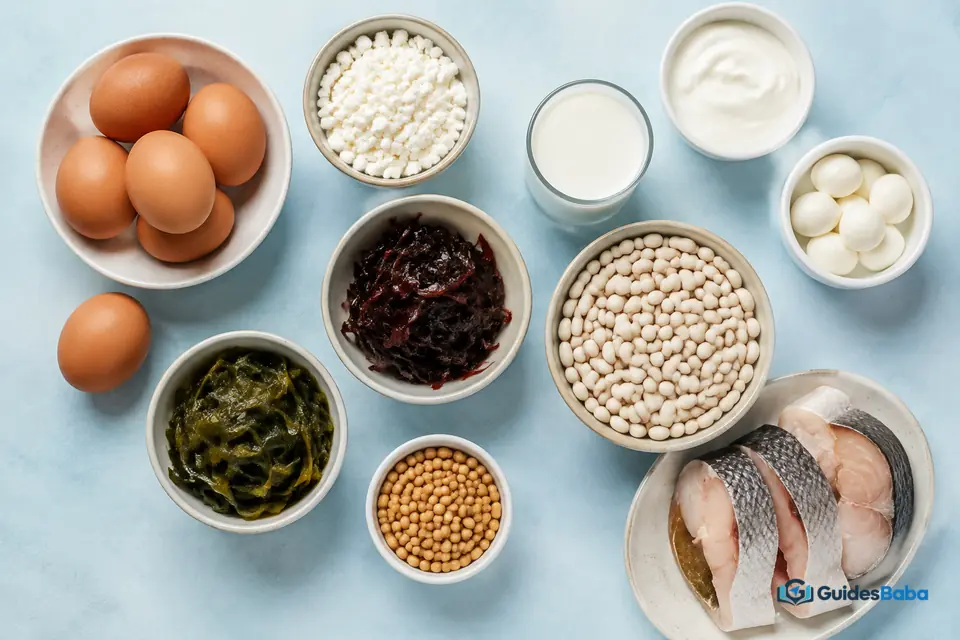
Iodine supports growth and development. Your needs stay a little higher now. A varied diet usually covers it. It works quietly in the background.
Dairy foods supply some iodine. White fish adds more to the mix. Eggs contribute a small amount too. Other minerals matter as well. Zinc and selenium play small, useful roles.
You should not fixate on single minerals. A mixed diet does the heavy lifting. Supplements fill specific gaps only. Let a professional guide any additions. Balance beats obsession every time.
B vitamins and folate
B vitamins support energy and cells. Folate and B12 matter especially now. A varied diet supplies most of them. They keep many systems running.
Leafy greens are rich in folate. Beans, peas, and oranges help too. Meat, fish, and dairy supply B12. Some cereals are fortified as well. Whole foods cover many of these.
You may need extra care with B12. This is true on plant-based diets. Your doctor can advise on this. Follow their guidance on supplements. Never guess doses alone.
Staying well hydrated

Water matters a great deal now. Making milk uses extra fluid. Hydration supports you and your baby. It helps many body systems.
Plain water is the best choice. Sip it steadily through the day. Keep a bottle within reach. Drink when you feed your baby. Thirst is a helpful signal. Regular sips work better than gulps.
You may want to watch caffeine. Sugary drinks are best kept low. Water remains your main drink. Herbal options may suit you too. Your midwife can advise on this.
Caffeine and breastfeeding
Many parents wonder about their coffee. Small amounts of caffeine reach breast milk. Moderate intake is usually considered fine. Still, some babies seem more sensitive.
You may notice your baby is restless. Cutting back a little can help. Tea, cola, and chocolate contain caffeine too. Keep an eye on your total intake. Read more on how much caffeine is too much here.
You should follow current professional advice. Your midwife can suggest sensible limits. Watch your own baby closely. Then adjust with real guidance.
Do you need more calories?
Breastfeeding does use extra energy. Your needs rise a modest amount. There is no need to overeat. Quality still beats sheer quantity.
Focus on nutrient-rich foods first. Choose filling, balanced snacks between meals. Whole grains and fruit work well. Nuts and yoghurt make easy options. Listen to your hunger cues. Your body will often guide you.
You should not count strictly here. Healthy appetite varies for everyone. Your care team can reassure you. Follow their guidance closely. Trust their judgement over any myth.
Whole foods versus supplements
People sometimes ask about pills alone. The clear comparison is whole foods versus supplements. One should lead the other.
| Whole food first | Supplements alone |
|---|---|
| Wide range of nutrients | Targets single nutrients |
| Fibre and natural balance | Misses fibre and variety |
| Filling and satisfying | Does not replace meals |
| Food comes first | Fills gaps when advised |
Supplements have their place at times. Still, food should lead the way. Let professionals guide any additions. A balanced plate does the most.
Common breastfeeding nutrition mistakes
One mistake is trying to eat perfectly. That pressure helps no one. Aim for steady, balanced meals. Perfection is not the goal.
Another mistake is skipping meals entirely. That can leave you drained. Some people over-restrict their food. Others take random supplements alone. Both can cause problems. Guesswork has no place here.
You should avoid guessing at big changes. Base your choices on real advice. Your midwife can correct myths. Trusted guidance keeps you safe. Reliable sources beat old wives’ tales.
When to seek professional advice
General tips suit many parents well. Still, every situation is unique. Personal advice always matters most. Your needs are truly your own.
See your midwife or doctor regularly. Ask about supplements and any concerns. Some diets need extra attention. Vegan and restricted diets need care. Your team will tailor everything. Regular checks keep you on track.
This is not medical advice. See a professional for your own plan. Use these ideas as general background. Then follow your trusted care team. They know your full history.
Building healthy breastfeeding habits
Good habits grow from small steps. Change one thing at a time. Build steadily through these months. Small shifts feel manageable.
Add one extra vegetable each day. Keep water within easy reach. Plan simple, balanced meals ahead. Cook extra to freeze for later. Prepare safe snacks in advance. Small routines make a difference. Preparation removes daily stress.
Above all, listen to your body. It signals hunger and thirst. Rest and eat when you need to. Lean on your care team. They are there to help you.
Frequently asked questions
What nutrients are especially important while breastfeeding?
Protein, calcium, iron, iodine, and vitamin D all matter. Omega-3 fats and B vitamins help too.
Do I need to eat a perfect diet?
No, aim for steady and balanced eating. Your body is good at making milk.
Do I need extra calories?
Breastfeeding uses some extra energy. Focus on nutrient-rich foods, not overeating.
Should I take supplements?
Ask your doctor or midwife first. They advise what is right for you.
Is vitamin D important now?
Yes, many people run low on it. A supplement is often advised.
How can I get enough iron?
Eat lean meat, beans, lentils, and leafy greens. Pair them with vitamin C foods.
Do I need omega-3 fats?
Healthy fats support you and your baby. Oily fish, nuts, and seeds all help.
How much water should I drink?
Sip water steadily through the day. Drink when you feed your baby.
What about B12 on a vegan diet?
Plant-based diets may need extra B12. Ask your doctor about a supplement.
When should I seek advice?
See your midwife or doctor regularly. Ask about any concerns straight away.
The bottom line
So what nutrients are especially important while breastfeeding? Aim for a varied, balanced diet. Include protein, calcium, iron, and healthy fats. Add vitamin D, iodine, and B vitamins. Drink plenty of water each day.
You do not need a perfect diet. Focus on quality, not strict rules. Eat regularly and stay hydrated. Lean on your care team throughout.
For general background, read this overview of breastfeeding. You can also learn about the process of lactation. Use trusted sources alongside professional advice.
This is not medical advice. See a professional for your own care. Every parent and baby are truly different. Then let your trusted team guide you.