
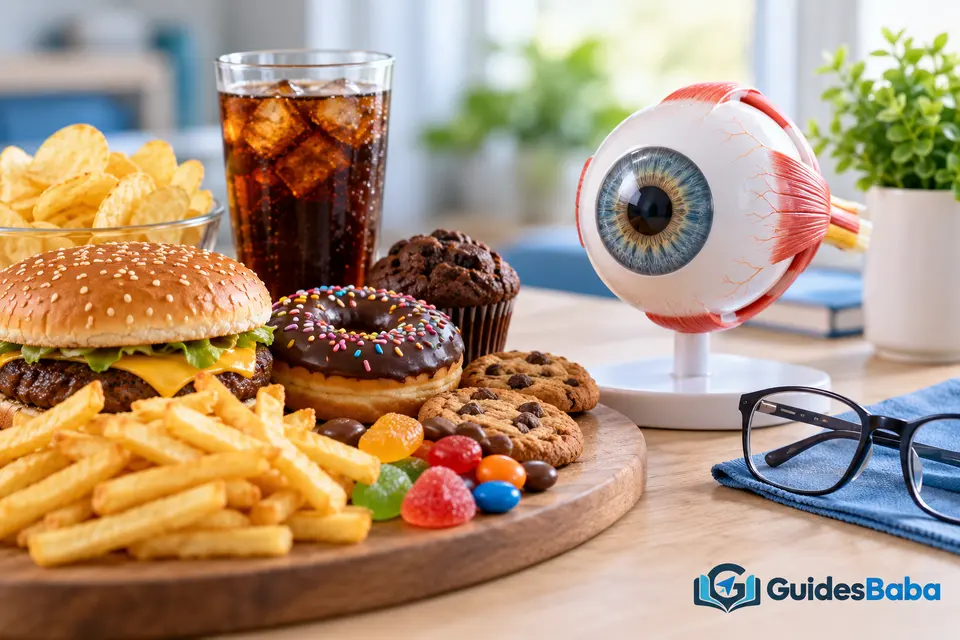
Headlines love a single villain food. So what is the #1 worst food for vision loss? Is one snack really the culprit? In honest terms, no single food is. Your overall pattern matters far more.
Rather than hunting one guilty food, think patterns. Eyes respond to your whole diet over years. A steady, balanced plate helps most. Small habits add up over time. An eye doctor can tailor the details.
Here is the honest answer. No single food alone causes vision loss. Some patterns can raise long-term risk. Ultra-processed and very sugary diets are examples. These effects build slowly over years. Genetics and age matter too. An eye doctor guides real assessment and care.
This guide covers diet and eye health generally. You will learn which patterns raise risk. We avoid scary single-food claims. This is not medical advice. See a professional.
What is the #1 worst food for vision loss?
The honest answer is no single food. No one snack destroys your sight. Vision loss has many causes. Diet is only one small part.
Think of your eyes like a slow garden. They respond to years of care. One bad meal changes little. Steady habits shape the outcome. Does one doughnut ruin vision? No, the long pattern matters more.
Is any food a magic villain? Not really, that idea oversimplifies things. Patterns beat single foods here. An eye doctor can guide you.
Why no single food causes vision loss
Vision loss is usually complex. Age and genes play big roles. Diet nudges risk over decades. No single bite decides your sight.
Conditions like macular changes develop slowly. Many factors feed into them. Blood sugar and blood pressure matter. Smoking and sunlight matter too. Food is one piece here. It is not the whole story.
You should watch the whole pattern. Notice your habits across weeks. Balance beats fear of one food. An eye doctor can advise you.
Dietary patterns over single foods
Patterns shape eye health far more. One food rarely tips the scale. Your average week tells the story. Balance is the key idea.
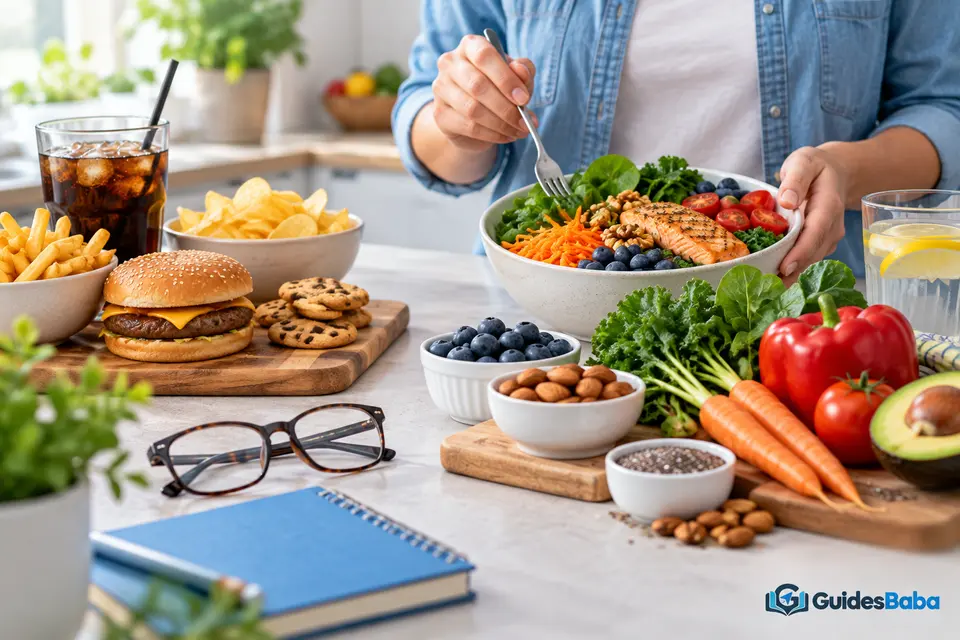
A diet heavy in processed food adds risk. A varied, colourful plate helps instead. Vegetables and fruit support the eyes. Whole foods carry useful nutrients. Learn what a Mediterranean diet looks like. Patterns beat panic.
You should judge your diet broadly. Look at the whole week. One treat will not decide things. An eye doctor can guide you.
Did you know?
No single food alone causes vision loss. Long-term dietary patterns matter far more than one snack.
Ultra-processed foods and eye health
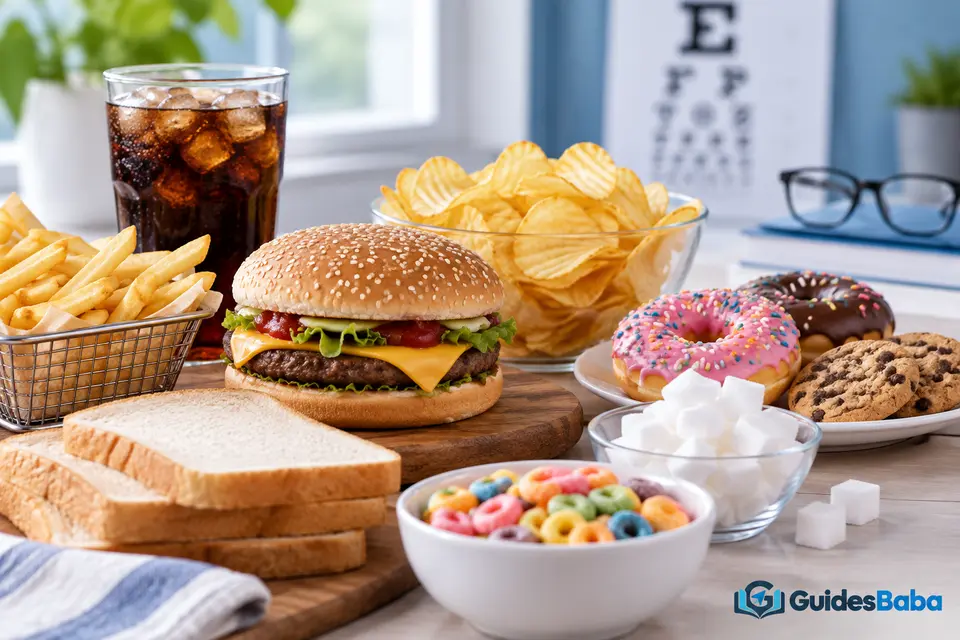
Ultra-processed foods fill many diets today. They often crowd out whole foods. That crowding can matter over years. Balance helps you avoid it.
These foods can be low in nutrients. They often carry lots of sugar. They can be high in salt. They may replace vegetables and fruit. This pattern can raise long-term risk. Variety protects you here.
You should limit heavy processed eating. Fill more of the plate with produce. Variety supports your eyes well. An eye doctor can advise you.

Very high sugar intake and vision
Very high sugar intake can matter over time. It links to blood sugar problems. Those problems can affect the eyes. Moderation is the sensible goal.
Diets loaded with sugar can raise risk. High blood sugar can harm tiny vessels. Those vessels feed the retina. Damage there can affect sight. Learn more about added sugars in food. Balance beats excess.
You should watch heavy sugar habits. Sweet treats can fit in moderation. Excess over years is the concern. An eye doctor can advise you.
Refined carbohydrates and the eyes
Refined carbohydrates act a bit like sugar. They can spike blood sugar fast. Frequent spikes may matter over years. Whole grains offer a steadier option.
White bread and sugary snacks digest quickly. They can leave energy dips behind. Repeated spikes can strain the body. Whole grains release energy slowly. Read more on refined carbohydrates here. Steady beats spiky.
You should favour whole grains often. Swap some white carbs for fibre-rich ones. Steady energy supports overall health. An eye doctor can guide you.
Trans fats and fried foods
Trans fats concern many health experts. They can harm blood vessels over time. Healthy vessels support the eyes. Limiting them is a wise move.
Old fried foods can carry these fats. Some baked snacks may contain them too. They can affect heart and vessel health. Those systems support your vision. Healthier fats are a better choice. Balance protects you here.
You should limit heavily fried foods. Choose healthier fats where you can. Vessel health supports eye health. An eye doctor can advise you.
Too much salt in the diet
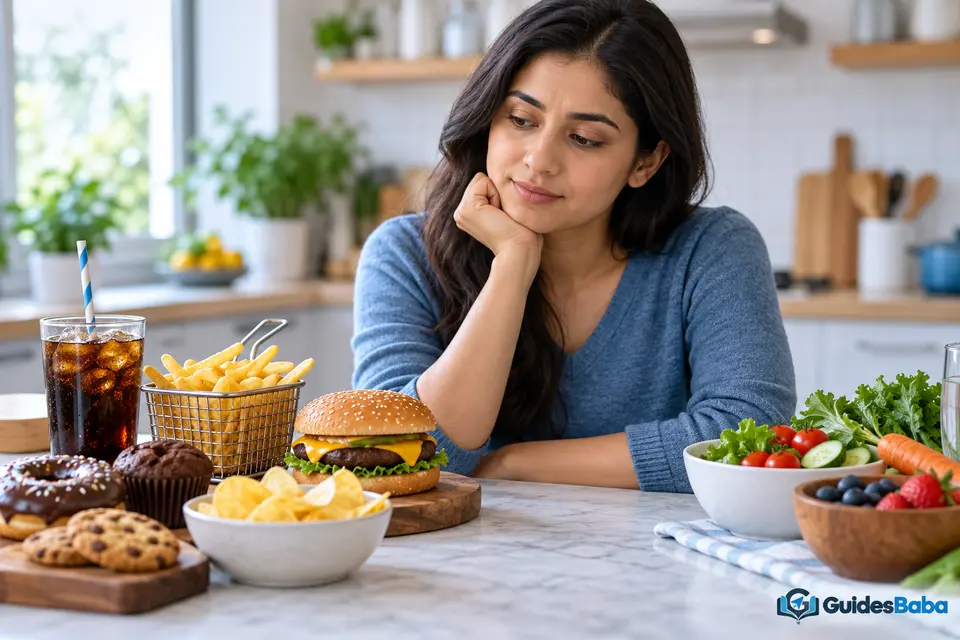
Salt shows up in many processed foods. Too much can raise blood pressure. High pressure can affect the eyes. Moderation is the sensible aim.
Processed and packaged foods hide lots of salt. High blood pressure can strain vessels. Eye vessels are very delicate. Strain there can matter over time. Cooking at home helps you control it. Balance supports your eyes.
You should watch hidden salt sources. Season food with herbs instead. Home cooking gives you control. An eye doctor can guide you.
Sugary drinks and long-term risk
Sugary drinks add sugar quickly. They offer little real nutrition. They can push blood sugar up. Water is a far better choice.
These drinks are easy to overdo. They can crowd out better options. High sugar over years raises risk. That risk can touch the eyes. Plain water supports the whole body. Balance beats excess here.
You should cut back on sugary drinks. Choose water or unsweetened options. Small swaps add up nicely. An eye doctor can advise you.
Alcohol in excess
Alcohol in excess can affect health broadly. It can strain many body systems. Those systems support your vision. Moderation matters here too.
Heavy drinking can affect nutrition levels. It can crowd out healthy foods. It may affect blood vessels over time. All of this can touch the eyes. Moderation is the sensible path. Balance protects you.
You should keep alcohol moderate. Follow trusted, official guidance here. Balance supports overall wellbeing. An eye doctor can guide you.
Healthy patterns versus harmful patterns
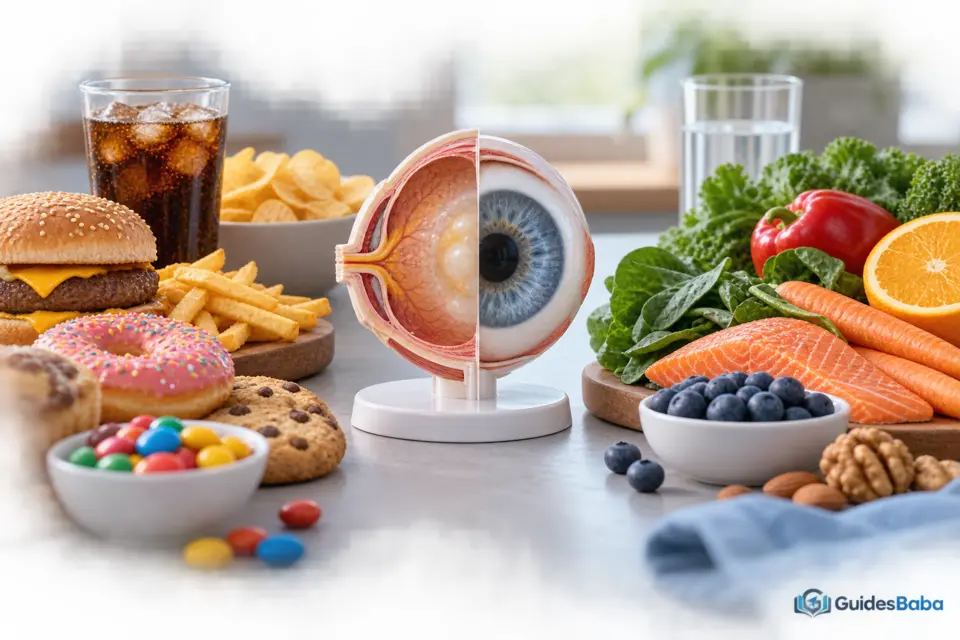
People often ask what to compare. The clear contrast is healthy patterns versus harmful patterns. Each shapes long-term eye health.
| Eye-friendly pattern | Risk-raising pattern |
|---|---|
| Colourful vegetables daily. | Mostly processed snacks. |
| Whole grains and fibre. | Heavy refined carbs. |
| Water as the main drink. | Frequent sugary drinks. |
| Healthy fats in moderation. | Lots of fried food. |
Eye-friendly patterns support long-term health. Risk-raising patterns add slow strain. Balance beats single-food fear here. An eye doctor can help you plan.
Foods that support eye health
Some foods gently support the eyes. Colourful vegetables are a good start. Whole foods carry useful nutrients. Variety is the key idea.
Leafy greens are often praised here. Colourful fruit adds helpful compounds. Fish can offer healthy fats. Nuts and seeds add variety too. See more foods good for eye health. Variety protects you.
You should eat a rainbow of produce. Include healthy fats and whole foods. Variety supports your eyes well. An eye doctor can guide you.
Antioxidants and eye health
Antioxidants get plenty of attention here. They may help protect body cells. Colourful produce is a rich source. Balance still matters most.
Bright vegetables carry helpful compounds. Some support the eyes gently. A varied diet delivers a mix. No single pill replaces real food. Whole foods beat supplements here. Balance supports you best.
You should get antioxidants from food. Eat many colours each week. Whole produce beats isolated pills. An eye doctor can advise you.
Risks beyond food
Diet is only one factor. Many risks sit outside the plate. These deserve real attention too. Eyes need a broad approach.
Smoking is a major eye risk. Sun exposure can matter too. Age and genetics play big roles. Regular eye checks catch problems early. Food supports but never works alone. A full approach protects you.
You should address risks beyond diet. Avoid smoking and protect your eyes. Book regular eye checks too. An eye doctor can guide you.
Common myths about eye foods
Eye foods attract plenty of myths. Some claims promise miracle results. Others name one villain food. Balance beats these bold claims.
One myth says carrots grant perfect sight. They help, but they are no cure. Another myth names one deadly food. Real risk builds from patterns. Miracle foods rarely exist. Balance is the truth here.
You should doubt miracle food claims. Look for balanced, general advice. No single food saves or ruins sight. An eye doctor can correct myths.
Common mistakes people make
One mistake is fearing a single food. That fear misses the real picture. Patterns matter far more here. Balance supports your eyes.
Another mistake is ignoring other risks. People forget smoking and eye checks. Some chase supplements over real food. Whole foods usually serve you better. A broad view helps here.
You should avoid single-food panic. Focus on patterns and checkups. Base changes on real advice. An eye doctor can correct myths.
Who is most at risk
Eye risk varies from person to person. Age raises risk for many. Family history matters a lot. One rule cannot fit all.
Some conditions raise eye risk directly. Diabetes is one clear example. Blood pressure issues matter too. Smoking adds further risk. Your history shapes everything. Only your eye doctor sees it fully.
You should never self-diagnose from articles. Get personal advice before big changes. An eye doctor can guide you safely.
When to see an eye doctor
General tips suit many people well. Still, every person is unique. Personal advice always matters most. Your sight comes first here.
See an eye doctor for regular checks. Reach out if your vision changes. An optometrist can test your eyes. A specialist can treat conditions. You deserve proper care. Early checks protect your sight.
This is not medical advice. See a professional for your own care. Food supports care but never replaces it. Then follow your trusted team.
Frequently asked questions
What is the #1 worst food for vision loss?
No single food alone causes vision loss. Long-term patterns matter far more.
Do sugary foods harm the eyes?
Very high sugar over years can raise risk. Moderation is the sensible goal.
Are processed foods bad for vision?
Heavy processed diets can crowd out produce. That pattern may raise long-term risk.
Can one meal damage my eyes?
No, one meal changes very little. Steady habits shape long-term eye health.
Do carrots really improve eyesight?
Carrots help, but they are no cure. A varied diet supports the eyes.
Are sugary drinks bad for vision?
They add sugar with little nutrition. Water is a far better choice.
Does salt affect eye health?
Too much salt can raise blood pressure. High pressure can strain eye vessels.
Do supplements protect my eyes?
Whole foods usually serve you better. Ask an eye doctor before supplements.
What matters more than food?
Smoking, age, and genetics matter greatly. Regular eye checks help catch problems.
When should I see an eye doctor?
Book regular checks and watch for changes. An eye doctor can guide you.
The bottom line
So what is the #1 worst food for vision loss? Honestly, no single food holds that title. Patterns shape your eye health most. Ultra-processed and very sugary diets add risk. Balance and checkups protect you best.
You do not need single-food panic. Aim for a colourful, varied plate. Address smoking, age, and regular checks. Lean on an eye doctor throughout.
For general background, read this overview of macular degeneration. You can also learn about ultra-processed food. Trusted sources support professional advice.
This is not medical advice. See a professional for your own care. Food supports care but never replaces it. Then let your trusted team guide you.