
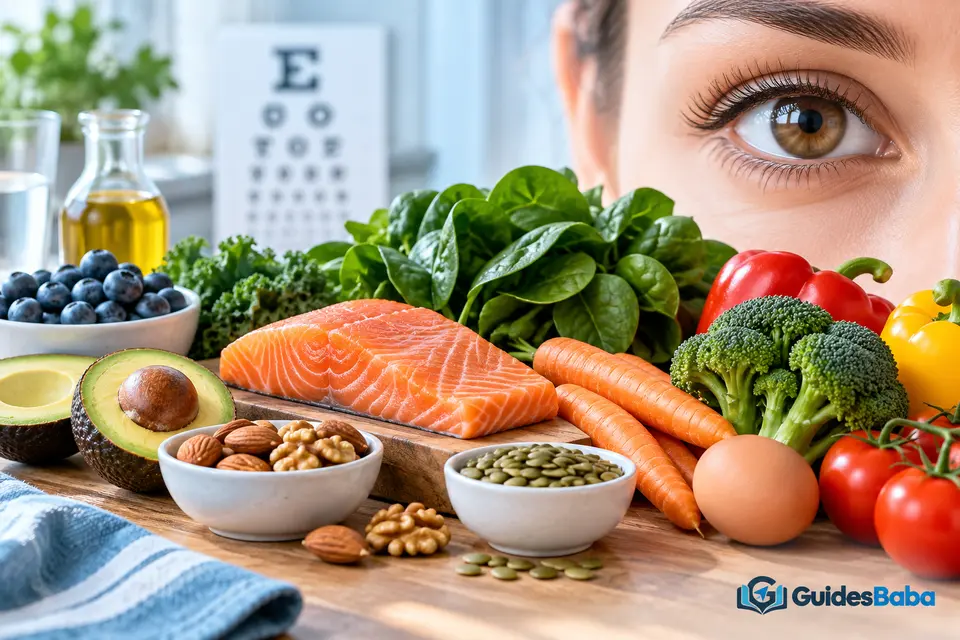
Your plate can quietly support your sight. So what foods are good for eye health? Can everyday meals really help your eyes? In general terms, yes they can. Diet and vision are closely linked.
Rather than chasing one miracle food, think variety. Eyes thrive on a colourful, balanced plate. A steady, whole-food pattern helps most. Small habits add up over time. An eye doctor can tailor the details.
Here is the honest answer. Many everyday foods gently support the eyes. Leafy greens and colourful produce lead the way. Fish and healthy fats help too. Nuts, seeds, and eggs add value. No single food does it alone. An eye doctor guides real assessment and care.
This guide covers eye-friendly foods in general terms. You will learn simple, practical choices. We keep advice broad and balanced. This is not medical advice. See a professional.
What foods are good for eye health?
The honest answer is variety wins. Colourful vegetables and fruit lead the way. Healthy fats and whole foods help too. Balance is the key idea.
Think of your plate like a paint set. More colours mean more useful compounds. Greens, oranges, and yellows all help. Fish and nuts round it out. Does one superfood fix everything? No, the whole pattern matters more.
Is there a single magic food? Not really, variety beats any single choice. A colourful plate serves you best. An eye doctor can guide you.
How diet supports the eyes
Food gives the body useful building blocks. Some nutrients support eye tissue. Others help protect delicate cells. A varied diet delivers a mix.
Vitamins and minerals support many functions. Healthy fats support cell membranes. Colourful plant compounds protect cells gently. Whole foods carry these together. This is a general pattern. Your eye doctor knows your details. A balanced plate supports eyes quietly.
You should aim for balance and colour. Eat many food groups each week. Whole foods beat isolated pills. An eye doctor can advise you.
Leafy green vegetables
Leafy greens are eye-friendly favourites. They carry helpful plant compounds. They also add many vitamins. A simple daily handful helps.
Spinach and kale are popular choices. They carry lutein and other compounds. These support the eyes gently. Greens also add fibre and folate. See why leafy greens are so nutrient dense. Variety protects you.
You should add greens to many meals. Toss them into soups or salads. A small handful goes far. An eye doctor can advise you.
Did you know?
No single food guarantees perfect eyesight. A varied, colourful diet supports eye health far better.
Colourful fruit and vegetables
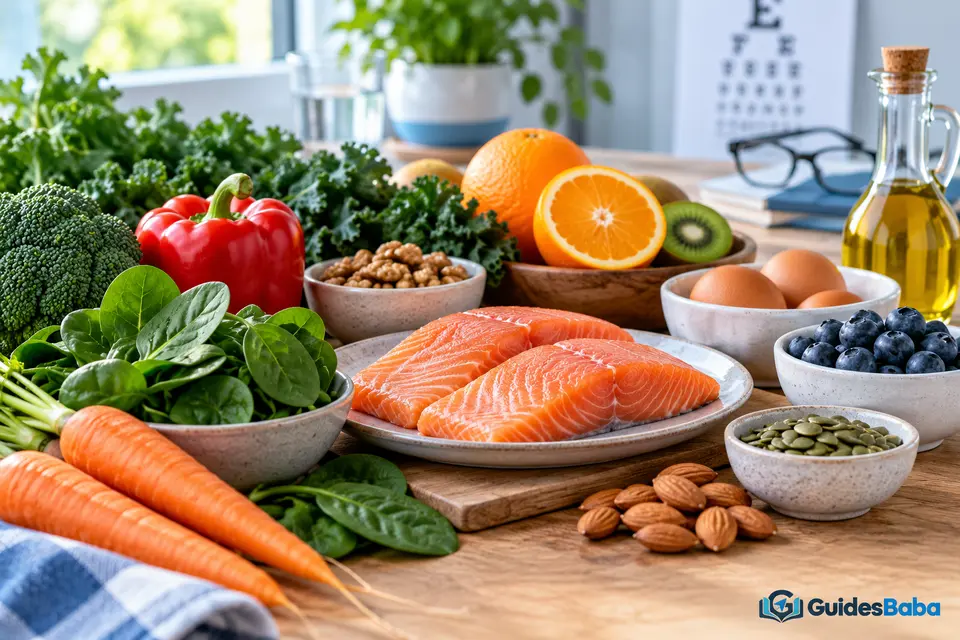
Colour signals useful plant compounds. Bright produce supports the eyes gently. Variety delivers a broad mix. A rainbow plate is the goal.
Carrots and sweet potato bring orange tones. Peppers add bright colour and vitamin C. Berries carry protective compounds too. Tomatoes add another helpful pigment. See the carotenoids found in bright produce. Colour beats dullness.
You should eat many colours weekly. Mix raw and cooked produce. Aim for a full rainbow. An eye doctor can guide you.

Fish and healthy fats
Healthy fats support the whole body. Some fats support eye tissue too. Oily fish is a classic source. Balance matters here as well.
Salmon and sardines carry omega-3 fats. These fats support cell membranes. They may support tear quality too. Plant fats offer benefits as well. Explore more foods that contain healthy fats. Balance beats excess.
You should include healthy fats weekly. Choose oily fish or plant sources. Keep portions sensible and balanced. An eye doctor can advise you.
Eggs and eye health
Eggs are simple and versatile. They carry several useful nutrients. Some of these support the eyes. They fit many meals easily.
Egg yolks carry lutein and zeaxanthin. These compounds support the eyes gently. Eggs also add protein and vitamins. They pair well with vegetables. This is a general pattern. Balance still matters here. Eggs suit breakfast, lunch, or dinner.
You should enjoy eggs in balance. Pair them with colourful vegetables. Variety supports your eyes well. An eye doctor can guide you.
Nuts and seeds
Nuts and seeds add crunch and nutrients. They carry healthy fats and vitamin E. Small portions bring real value. They make an easy snack.
Almonds and walnuts are popular picks. Sunflower seeds add vitamin E too. These support cells gently over time. They also add fibre and protein. A small handful is plenty. Balance protects you here. A daily handful supports steady health.
You should keep portions modest. A small handful suits most days. Choose unsalted options where you can. An eye doctor can advise you.

Citrus and vitamin C foods
Vitamin C supports many body functions. It may support eye tissue too. Citrus fruit is a classic source. Many vegetables provide it as well.
Oranges and lemons bring plenty of vitamin C. Peppers and berries add more. This vitamin supports blood vessels. It also helps protect cells. A varied diet covers it easily. Balance beats megadoses. Everyday fruit and veg supply plenty.
You should eat vitamin C foods often. Mix fruit and colourful vegetables. Fresh produce covers your needs. An eye doctor can guide you.
Whole grains and steady energy
Whole grains support steady energy. Steady blood sugar helps the body. This supports overall long-term health. Whole foods beat refined ones.
Oats and brown rice digest slowly. They release energy at a gentle pace. This supports steadier blood sugar. Steady levels support the whole body. Whole grains also add fibre. Balance supports you.
You should favour whole grains often. Swap some refined carbs for fibre-rich ones. Steady energy supports overall health. An eye doctor can advise you.
Carotenoids and the eyes
Carotenoids are bright plant pigments. Some collect in the eye itself. They may help protect delicate tissue. Colourful produce delivers them well.
Lutein and zeaxanthin are key examples. Greens and yellow produce carry them. Egg yolks add a little too. A varied diet delivers a mix. Learn which nutrients are important for healthy vision. Colour beats dullness.
You should eat many bright plants. Combine greens with yellow produce. Variety supports your eyes well. An eye doctor can guide you.
Whole foods versus supplements
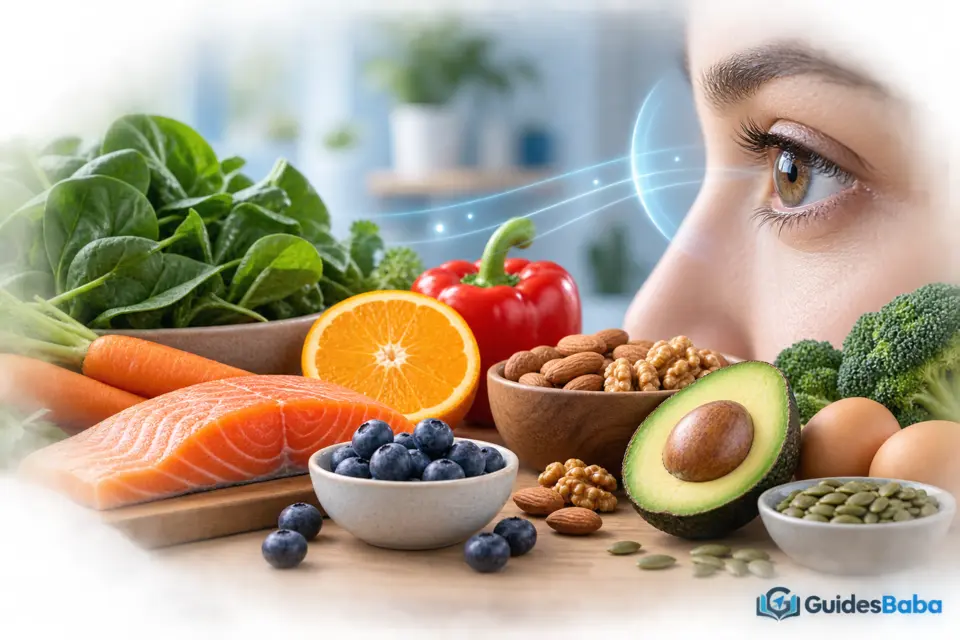
People often ask about pills here. The clear comparison is whole foods versus supplements. Each plays a very different role.
| Whole foods | Standalone supplements |
|---|---|
| Deliver a mix of nutrients. | Offer isolated compounds. |
| Add fibre and variety. | Add little fibre. |
| Enjoyable and filling. | Easy to overuse. |
| Good first choice. | Only if advised. |
Whole foods make a strong base. Supplements suit some specific needs. Ask a professional before starting any. An eye doctor can help you decide.
Building an eye-friendly plate
A balanced plate is simple to build. Fill half with colourful vegetables. Add whole grains and lean protein. Include a little healthy fat.
Start with a base of greens. Add bright vegetables for colour. Choose whole grains for steady energy. Add fish, eggs, or beans. Finish with nuts or seeds. Balance beats extremes here. A colourful plate supports steady vision.
You should build plates around produce. Keep protein and grains balanced. Add healthy fats in moderation. An eye doctor can guide you.
Hydration and eye comfort
Water supports the whole body. It helps keep tissues comfortable. Even mild dryness can bother the eyes. Plain water is the best choice.
Good hydration supports tear production. Dry days can leave eyes gritty. Water beats sugary drinks by far. It supports focus and comfort too. Steady sips help through the day. Balance supports you.
You should keep water within reach. Sip steadily through the day. Choose water over sugary drinks. An eye doctor can advise you.
Foods and habits to limit
Some habits work against the eyes. Heavy processed eating is one. Very high sugar is another. Balance helps you limit them.
Ultra-processed foods can crowd out produce. Too much sugar can strain the body. Excess salt can raise blood pressure. These patterns add slow risk. A varied diet protects you. Balance beats excess.
You should limit heavy processed eating. Cut back on sugary drinks. Fill the gap with produce. An eye doctor can guide you.
Habits beyond food
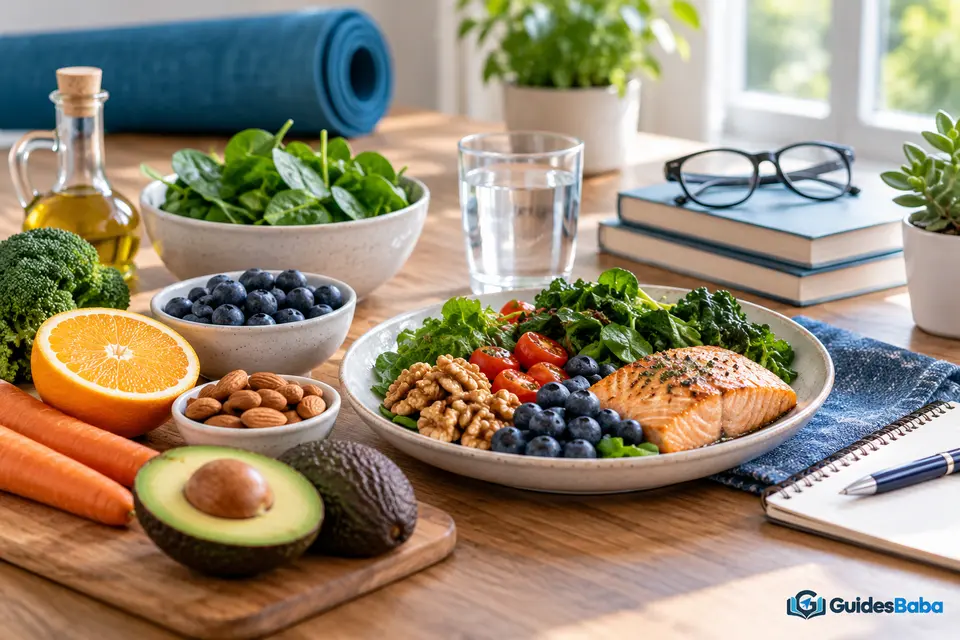
Diet is only one factor here. Many eye habits sit outside the plate. These deserve real attention too. Eyes need a broad approach.
Avoiding smoking protects your eyes. Sunglasses guard against bright sun. Regular screen breaks reduce strain. Eye checks catch problems early. Food supports these habits gently. It never works alone. A full approach protects your sight.
You should pair good food with good habits. Protect your eyes from sun. Book regular eye checks too. An eye doctor can guide you.
Common mistakes people make
One mistake is chasing a single superfood. No one food does it all. Variety matters far more here. Balance supports your eyes.
Another mistake is relying on supplements. Some skip real food for pills. Whole foods usually serve you better. People also ignore other eye habits. A broad view helps here. Your eye doctor fills the gaps.
You should avoid superfood hype. Focus on variety and balance. Base changes on real advice. An eye doctor can correct myths.
Who should get tailored advice
Eye needs vary from person to person. Age and health shape them. Family history matters a lot. One plan cannot fit all.
Some conditions change dietary needs. Some medicines interact with nutrients. Existing eye issues need real care. Food alone cannot carry it. Your history shapes everything. Only your eye doctor sees it fully.
You should never self-diagnose from articles. Get personal advice before big changes. An eye doctor can guide you safely.
When to see an eye doctor
General tips suit many people well. Still, every person is unique. Personal advice always matters most. Your sight comes first here.
See an eye doctor for regular checks. Reach out if your vision changes. An optometrist can test your eyes. A specialist can treat conditions. You deserve proper care. Early checks protect your sight.
This is not medical advice. See a professional for your own care. Food supports care but never replaces it. Then follow your trusted team.
Frequently asked questions
What foods are good for eye health?
Leafy greens, colourful produce, fish, and eggs help. Variety supports the eyes best.
Do carrots really help eyesight?
Carrots carry helpful compounds and vitamin A. They help, but variety matters more.
Is fish good for the eyes?
Oily fish carries healthy omega-3 fats. These fats support eye comfort gently.
Are eggs good for vision?
Egg yolks carry lutein and zeaxanthin. These compounds support the eyes gently.
Do I need supplements for eye health?
Whole foods usually serve you better. Ask an eye doctor before supplements.
Which vegetables help the eyes most?
Leafy greens and bright vegetables lead. Aim for many colours each week.
Does water help my eyes?
Good hydration supports tear production. Water beats sugary drinks by far.
Can food cure eye conditions?
Food supports eye health but cures nothing. See an eye doctor for conditions.
What foods should I limit?
Limit heavy processed foods and excess sugar. Fill the gap with produce.
When should I see an eye doctor?
Book regular checks and watch for changes. An eye doctor can guide you.
The bottom line
So what foods are good for eye health? Colourful produce, greens, fish, and eggs help. Nuts, seeds, and whole grains add value. Variety beats any single superfood. Balance and checkups protect you best.
You do not need miracle foods. Build a colourful, balanced plate. Pair good food with good habits. Lean on an eye doctor throughout.
For general background, read this overview of lutein. You can also learn about carotenoids. Trusted sources support professional advice.
This is not medical advice. See a professional for your own care. Food supports care but never replaces it. Then let your trusted team guide you.