
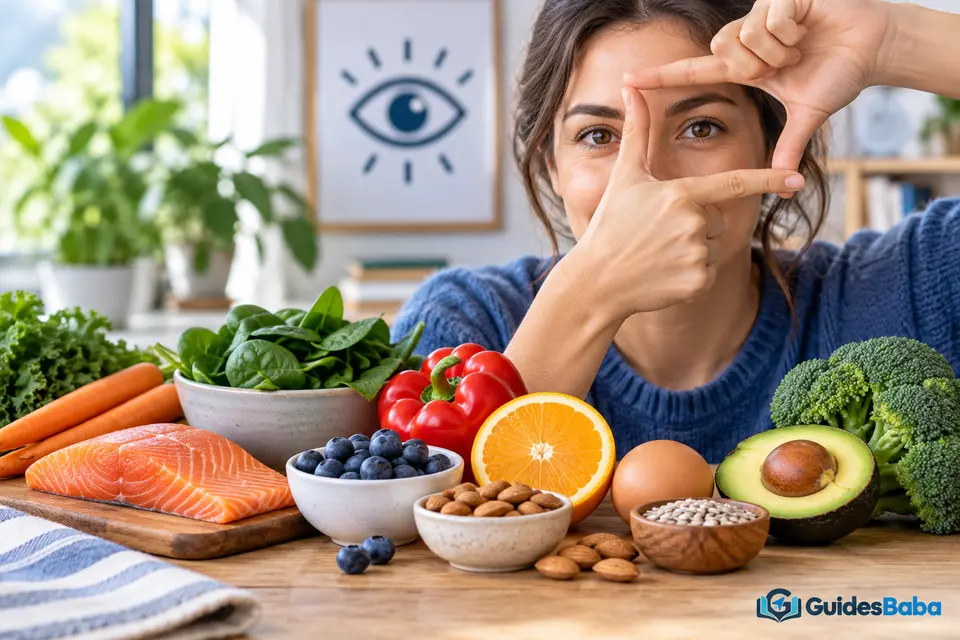
Vitamin A and eyesight go hand in hand. So why is vitamin A important for the eyes? Can one nutrient really shape how you see? In general terms, yes it matters a lot. Vitamin A supports healthy vision daily.
Rather than chasing pills, think food and balance first. Vitamin A comes from many everyday foods. A steady, varied diet usually delivers plenty. Whole foods bring extra benefits too. An eye doctor can tailor the details.
Here is the honest answer. Vitamin A helps your eyes work well. It supports the light-sensing cells in your retina. It also protects the eye surface. Low levels can harm night vision. This is general information only. A professional guides your real care.
This guide covers vitamin A and eyes in plain terms. You will learn what it does and where to find it. We favour food first over megadoses. This is not medical advice. See a professional.
Why is vitamin A important for the eyes?
The honest answer is simple and clear. Vitamin A helps your eyes sense light. It supports the retina at the back. Without it, vision can suffer over time.
Think of vitamin A like fuel for a camera. The retina acts a little like film. It needs vitamin A to capture light. Does one low day matter? No, the steady pattern matters far more.
Is vitamin A the only thing that counts? Not at all, many nutrients help. It works alongside a balanced diet. An eye doctor can guide you.
What vitamin A does inside the eye
Vitamin A has a busy job inside the eye. It helps form a pigment in the retina. This pigment reacts to incoming light. This reaction lets you see.
The retina holds tiny light-sensing cells. These cells rely on vitamin A daily. They help you see in dim rooms. Vitamin A quietly supports each glance you take.
You should think of vitamin A as steady support. It works best within a full diet. Balance matters more than any single food. A professional can advise you.
Did you know?
Your body can make vitamin A from plant carotenoids. Colourful vegetables are a gentle, food-first source.
Vitamin A and night vision
Night vision leans heavily on vitamin A. It helps your eyes adjust to darkness. That is why dim rooms feel tricky. Low levels can slow this process.
Stepping into a dark room takes adjustment. Your eyes slowly grow more sensitive. Vitamin A powers this quiet shift. Weak levels can delay it noticeably. Good levels help your eyes settle in the dark.
You should not ignore poor night vision. Trouble seeing at night deserves attention. An eye doctor can check the cause. A professional can guide you.
Vitamin A and the surface of the eye
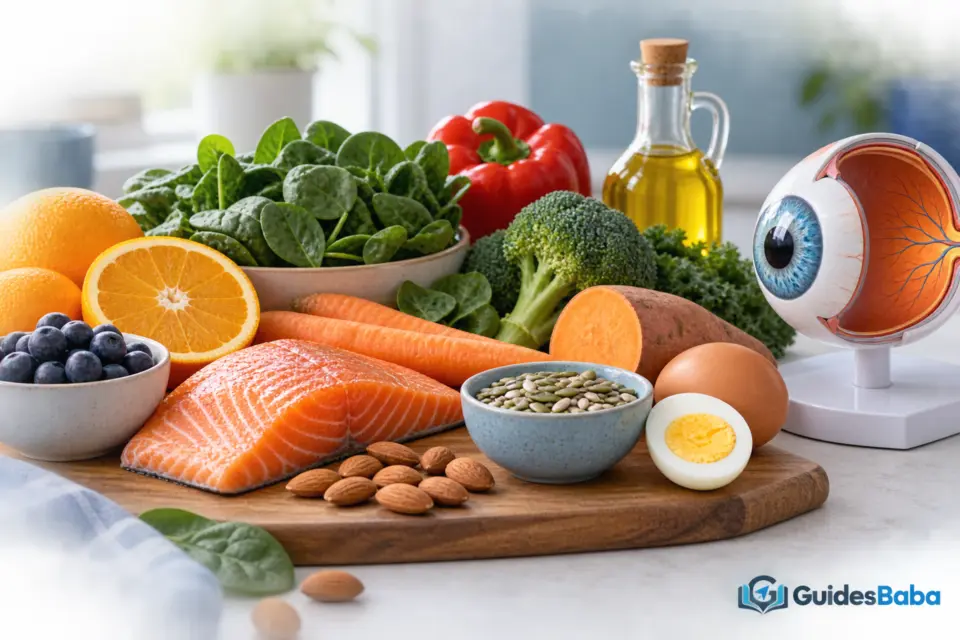
Vitamin A also protects the eye surface. It helps keep the front layer healthy. That surface needs steady moisture. Vitamin A supports this protective barrier.
The clear front of the eye needs care. Vitamin A helps keep it smooth. It supports the tear film too. A healthy surface feels comfortable. A cared-for surface helps you see clearly.
You should treat eye comfort as a signal. Gritty or dry eyes can mean many things. Learn more about foods good for eye health. A professional can advise you.
Vitamin A deficiency and eyesight
Vitamin A deficiency can harm eyesight. It is uncommon in well-fed groups. Still, it remains a real concern globally. Low levels affect the eyes first.
Early signs can include poor night vision. The eye surface can grow dry. In severe cases, sight can suffer badly. A balanced diet usually prevents this. Good nutrition protects your eyes over time.
You should never self-diagnose from an article. Vision changes always deserve a proper check. See which nutrients are important for healthy vision. A professional can guide you.
Where vitamin A comes from
Vitamin A reaches you through two main routes. One route is ready-made in some animal foods. The other comes from plant pigments. Both can support your eyes.
Ready-made vitamin A appears in eggs and dairy. Liver is a very rich source. Plants offer colourful carotenoids instead. Your body converts these into vitamin A. A varied plate covers both routes well.
You should aim for variety over single foods. Mix plant and animal sources gently. Read about helpful carotenoids in food. A professional can advise you.

Retinol and beta carotene explained
Two names come up around vitamin A. One is retinol, the ready-made form. The other is beta carotene from plants. Both can help your eyes.
Retinol appears in animal foods directly. Beta carotene needs a conversion step first. Your body turns it into vitamin A. Both forms can fit a balanced diet.
You should not fear either form in food. Whole foods keep the balance gentle. A professional can advise you.

Carotenoids and your eyes
Carotenoids are colourful plant pigments. Some become vitamin A in the body. Others support the eyes in different ways. Colour on your plate helps here.
Orange and yellow foods often carry carotenoids. Leafy greens hold them too. They also support eye health broadly. A rainbow plate supports your eyes gently.
You should fill your plate with colour. Mix greens, oranges, and reds often. Balance beats any single vegetable. A professional can guide you.
Can you get too much vitamin A?
Yes, too much vitamin A can harm you. This mainly applies to the ready-made form. High-dose supplements are the usual risk. Food carotenoids are far safer.
Large retinol doses can build up in the body. This can cause real health problems. Beta carotene from food rarely causes this. Extra vitamin A is not always better.
You should avoid high-dose pills without advice. More is not safer for your eyes. Read about the risks of taking too many vitamins. A professional can guide you.
Food first versus supplements
People often weigh two approaches here. The clear comparison is food first versus high-dose supplements. Each carries different risks and benefits.
| Food-first vitamin A | High-dose supplements |
|---|---|
| Gentle, balanced amounts. | Easy to overdo. |
| Brings extra nutrients too. | Offers one nutrient alone. |
| Very low overdose risk. | Real overdose risk exists. |
| Suits most healthy people. | Needs professional guidance. |
Food first suits most healthy eaters. Supplements need proper guidance first. Balance beats big doses here. A professional can help you decide.
Vitamin A with other eye nutrients
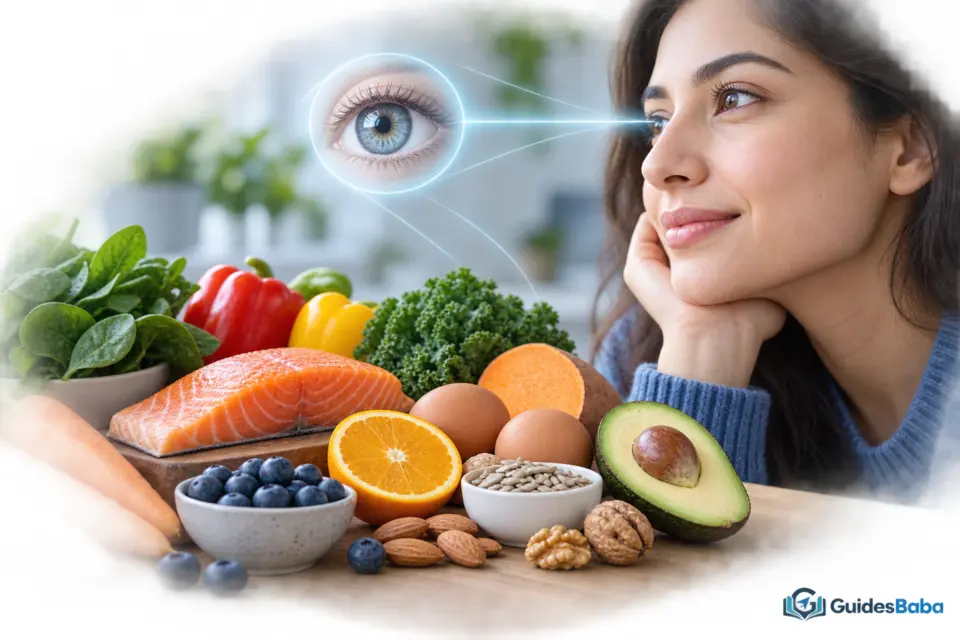
Vitamin A does not work alone. Your eyes rely on a team of nutrients. Several vitamins and pigments help together. Balance across them matters most.
Other nutrients support the retina too. Some protect against everyday light stress. A varied diet delivers this mix. No single food does it all. A full plate supports the whole eye.
You should aim for a colourful, varied diet. Skip the single-nutrient mindset. A professional can advise you.
Cooking to protect vitamin A
Cooking can affect vitamin A foods. Gentle methods help preserve nutrients. A little fat can aid absorption. Small choices make a difference.
Vitamin A is fat-soluble by nature. A little healthy oil helps uptake. Light cooking can free carotenoids too. Overcooking may waste some nutrients. Gentle cooking keeps more goodness on the plate.
You should pair veg with a little fat. Avoid harsh, lengthy overcooking. Simple methods protect more nutrients. A professional can guide you.
Vitamin A through different life stages
Vitamin A needs shift across life. Children have their own requirements. Older adults face different eye changes. Needs are never one-size-fits-all.
Growing children need vitamin A for development. Adults use it for steady vision. Pregnancy needs special, careful guidance. Personal advice fits your life best.
You should seek tailored advice at key stages. Pregnancy especially needs professional input. Never guess doses during this time. A professional can guide you.
Vitamin A and dry, tired eyes
Dry, tired eyes have many causes. Vitamin A is only one factor. Screens, sleep, and air all matter. A broad view helps here.
Low vitamin A can affect the eye surface. Yet dryness often has other roots. Screen time can strain your eyes. Dry air can worsen the feeling. A doctor can find the real cause.
You should not blame one nutrient alone. Rest your eyes from long screens. Persistent dryness deserves a check. A professional can advise you.

Everyday habits for healthy eyes
Daily habits support your eyes greatly. Diet is just one helpful piece. Rest and protection matter too. Small routines add up over time.
Eat a colourful, balanced diet often. Take breaks from long screen sessions. Sleep well to rest tired eyes. Steady routines help your eyes over years.
You should build gentle eye habits early. Pair good food with good rest. Small steps protect long-term vision. A professional can guide you.
Common mistakes people make
One mistake is trusting megadose pills. More vitamin A is not always better. High doses can cause real harm. Food first is the safer path.
Another mistake is ignoring vision changes. People blame tiredness and carry on. Others chase single miracle foods. Your eye team fills the gaps.
You should avoid extreme supplement habits. Base choices on real advice. If vision shifts, ask for help. A professional can correct myths.
Who should get tailored advice
Eye and nutrition needs are personal. They depend on your health history. They depend on your age too. One plan cannot fit everyone.
Some conditions change vitamin A needs. Pregnancy needs especially careful guidance. Certain medicines affect absorption too. Food alone cannot answer everything. Only your team sees it fully.
You should never self-prescribe high doses. Get personal advice before big changes. A professional can guide you safely.
When to see an eye doctor
General tips suit many people well. Still, every person is unique. Personal advice always matters most. Your eyesight comes first here.
See an eye doctor about vision changes. Reach out for ongoing night-vision trouble. A dietitian can tailor your diet. You deserve proper care and support.
This is not medical advice. See a professional for your own care. Food supports eye health but never replaces care. Then follow your trusted team.
Frequently asked questions
Why is vitamin A important for the eyes?
It helps the retina sense light. It also protects the eye surface.
Does vitamin A improve night vision?
It supports how eyes adjust to darkness. Low levels can slow that process.
Which foods are high in vitamin A?
Eggs, dairy, and liver carry the ready-made form. Colourful vegetables offer carotenoids.
Can too much vitamin A hurt me?
Yes, high-dose supplements can cause harm. Food carotenoids are far safer.
Is beta carotene the same as vitamin A?
No, your body converts it first. It comes from colourful plants.
Do I need vitamin A supplements?
Most healthy eaters get enough from food. Ask a professional before supplementing.
Can vitamin A reverse eye problems?
It supports healthy vision, not miracle cures. See an eye doctor for concerns.
Does cooking destroy vitamin A?
Gentle cooking preserves more of it. A little fat aids absorption.
Is vitamin A deficiency common?
It is uncommon in well-fed groups. It remains a real global concern.
When should I see an eye doctor?
Reach out for any vision changes. Ongoing night trouble deserves a check.
The bottom line
So why is vitamin A important for the eyes? It helps your retina sense light. It also protects the eye surface. Low levels can harm night vision. Food first keeps things safe and gentle.
You do not need risky megadoses. Aim for a colourful, balanced diet. Mix plant and animal sources kindly. Lean on an eye doctor throughout.
For general background, read this overview of vitamin A. You can also learn about the retina. Trusted sources support professional advice.
This is not medical advice. See a professional for your own care. Food supports eye health but never replaces it. Then let your trusted team guide you.