
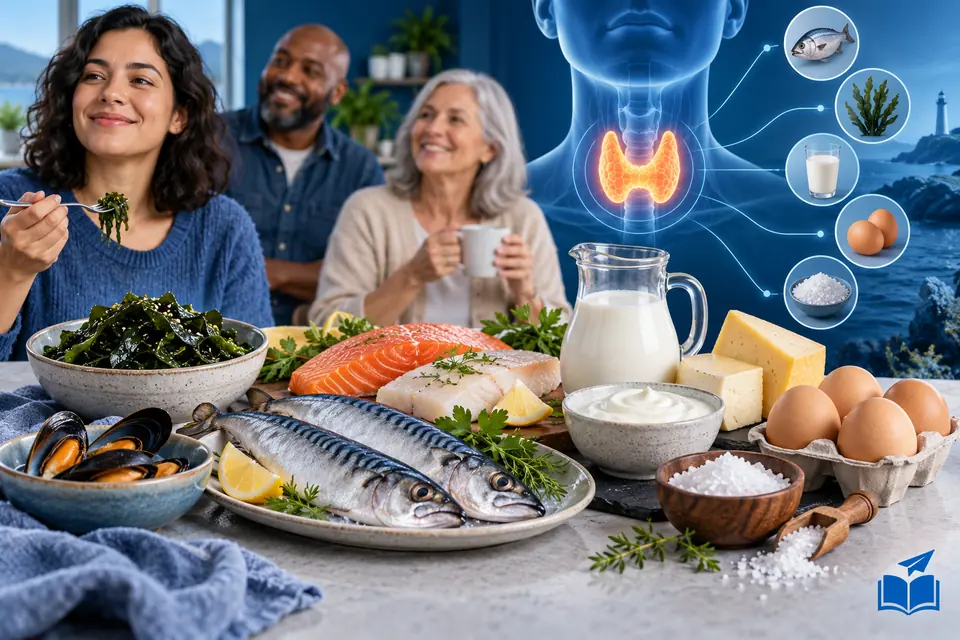
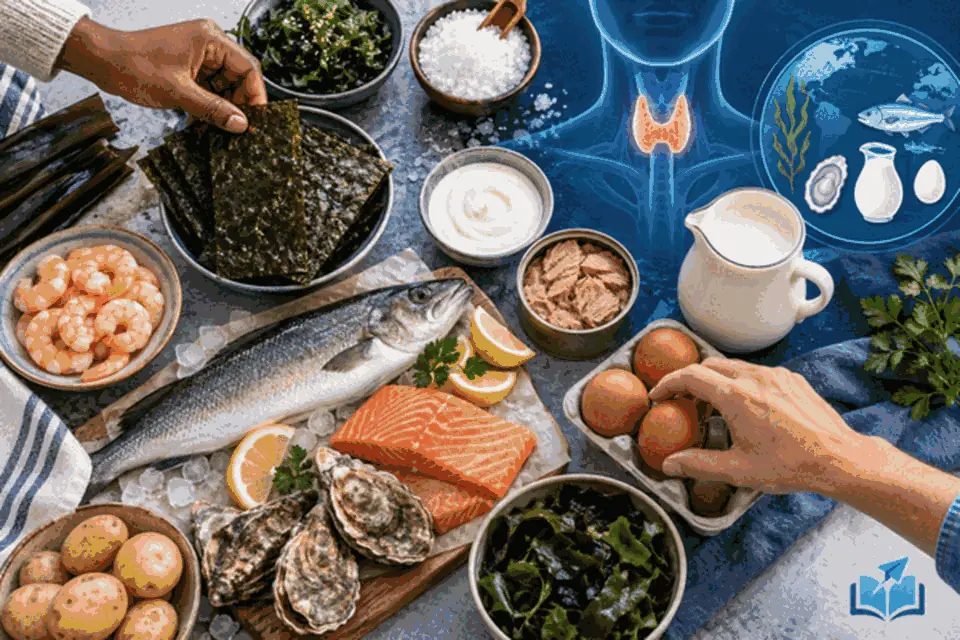
Iodine is a tiny mineral with a big job. So what foods contain iodine? Is it only found in the sea? In general terms, no. Several everyday foods supply it.
Rather than chasing one magic food, think variety. No single meal decides your iodine status. A balanced pattern matters far more. The idea is steady, gentle eating. A professional can tailor the details.
Here is the honest answer. Iodine appears in seafood, dairy, and eggs. It also appears in iodized salt. Some breads and plants supply small amounts. The exact amount varies a lot. A professional guides real, personal care.
This guide covers common iodine foods in general terms. You will learn where it hides. We frame food kindly and without hype. This is not medical advice. See a professional.
What foods contain iodine?
The honest answer is a short but varied list. Seafood and fish lead the way. Dairy, eggs, and iodized salt help too. Some plants add small amounts.
Think of iodine like salt in the sea. It spreads across many foods unevenly. Does one food cover your needs? Often not, so variety matters more. A whole pattern shapes your intake.
Is iodine only in the ocean? Not at all, it reaches land foods too. Dairy and eggs both carry some. Soil and farming shape plant levels. A professional can guide you.
Why the body needs iodine
Iodine helps your body make thyroid hormones. These hormones guide your metabolism. They shape energy and growth too.
The thyroid gland uses iodine as fuel. Without enough, the gland cannot work well. Too much can also cause problems. Balance sits at the heart of this. Both extremes may harm the thyroid. A professional watches this balance closely.
You should not chase very high amounts. More is not always better here. Balance beats any single food. Steady, varied eating supports the body. A doctor or endocrinologist can guide you.
Seafood and fish

Seafood is a well known iodine source. Ocean fish absorb it from seawater. Shellfish also carry useful amounts.
Cod, tuna, and shrimp all contain some. Amounts vary by species and water. Fresh, frozen, and tinned all count. Fish also brings protein and healthy fats. It fits neatly into many balanced meals. Variety supports the whole pattern.
You should enjoy seafood in balanced amounts. Mix different types across the week. Variety supports a steady intake. A professional can advise you.
Did you know?
Iodine levels in food depend heavily on the soil and water. The same food can vary widely by region.
Seaweed and sea vegetables
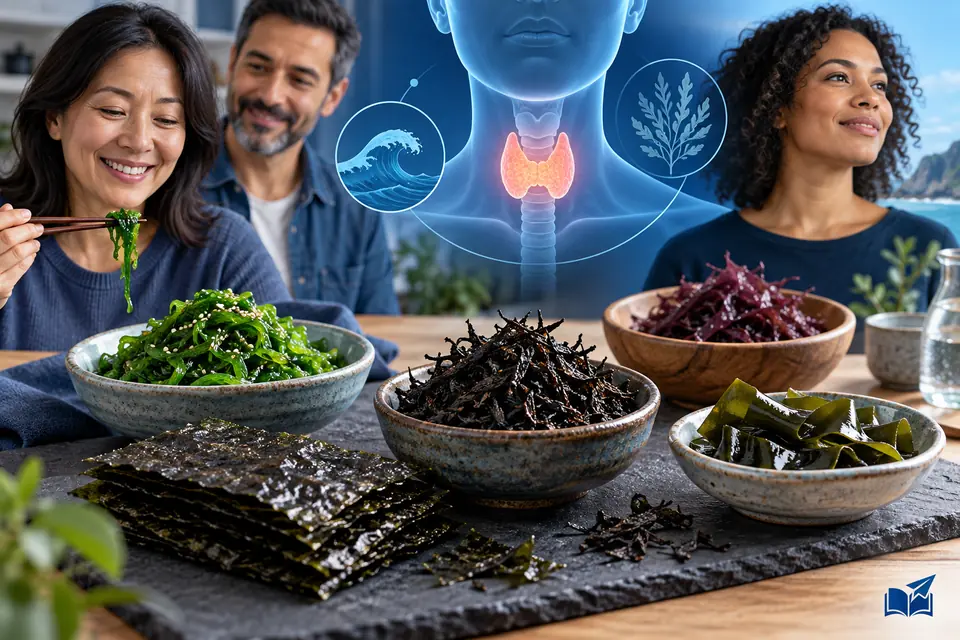
Seaweed is among the richest iodine sources. It soaks up iodine from seawater. Kelp is especially concentrated.
Nori, wakame, and kombu all contain iodine. Some types hold very large amounts. That can easily become too much. More is not safer with iodine. A little seaweed goes a long way. Caution matters with concentrated sources.
You should treat seaweed with real care. Very high intakes may harm the thyroid. Do not use it as a supplement. A doctor or endocrinologist can guide you.
Dairy foods
Dairy is a common land based source. Milk, cheese, and yoghurt all carry some. Farming methods shape the amount.
Cows pick up iodine through feed and care. That iodine passes into their milk. Levels can vary from farm to farm. Season and feed both shape the amount. Dairy also supplies calcium and protein. Variety supports the whole pattern here.
You should enjoy dairy in balanced amounts. Choose plain options where you can. Variety supports a steady intake. A professional can advise you.
Eggs

Eggs are a simple everyday source. The iodine sits mostly in the yolk. Amounts depend on the hen’s feed.
One egg supplies a modest amount. It also brings protein and other nutrients. Levels shift with farming practices. Eggs fit easily into many meals. They pair well with vegetables and grains. Variety keeps meals interesting.
You should enjoy eggs as part of variety. Keep the yolk to keep the iodine. Balance beats any single food. A professional can advise you.
Iodized salt
Iodized salt is a major global source. Iodine is added to ordinary table salt. This helps reduce widespread deficiency.
Not all salt is iodized, though. Sea salt often contains little iodine. Speciality salts may contain none. Check the label if you are curious. Iodized salt remains a simple everyday source. Small amounts add up over time.
You should not over salt to gain iodine. Too much salt brings other concerns. Balance matters more than any single fix. A professional can advise you.

Bread and grains
Some breads contain added iodine too. Certain bakeries use iodine based dough conditioners. This varies widely by country and brand.
Grains themselves hold little iodine naturally. Soil levels shape any small amount. So bread iodine depends on the recipe. You cannot assume every loaf carries it. Labels rarely list this detail clearly. Variety helps cover the gaps.
You should not rely on bread alone. Treat it as a minor source. Balance beats guessing from one food. A professional can advise you.
Fruits and vegetables

Plants can supply small iodine amounts. The level depends heavily on the soil. Coastal soils often hold more.
Potatoes and some greens carry traces. Amounts stay modest and unpredictable. Explore the minerals the body needs for context. Plants alone rarely cover iodine fully. Soil quality drives the numbers. Variety helps you gather small amounts.
You should enjoy plants for many reasons. Do not count on them for iodine. Variety supports the whole pattern. A professional can advise you.
Iodine and the thyroid link
Iodine and the thyroid are tightly linked. The gland needs iodine to function. This link makes balance important.
Too little iodine can strain the thyroid. Too much can also disturb it. Both extremes may cause real problems. Read how the thyroid needs iodine for more. This topic calls for professional care. Self dosing can do harm.
You should never self treat the thyroid. Symptoms need proper testing and advice. Balance beats guesswork every time. A doctor or endocrinologist can guide you.
Too much versus too little iodine
People often ask about both extremes. The clear comparison is too much iodine versus too little. Each carries its own risks.
| Too little iodine | Too much iodine |
|---|---|
| May strain the thyroid gland. | May also disturb the thyroid. |
| Linked to deficiency over time. | Often from concentrated sources. |
| Common where soil is poor. | Common with heavy seaweed use. |
| Needs professional assessment. | Needs professional assessment. |
Both extremes deserve real caution. Neither is simply safe or better. Only testing can show your status. A professional can read the full picture. Never guess your own iodine needs.
Iodine in plant based diets
Plant based eaters may get less iodine. Many rich sources are animal foods. So planning becomes more important here.
Vegans skip dairy, eggs, and fish. That removes several common iodine sources. Iodized salt can still help a little. Some choose supplements, but caution applies. Learn about dietary supplements in general first. A professional should guide any dosing.
You should plan a plant based diet carefully. Do not self prescribe iodine pills. Balance beats any random dose. A doctor or dietitian can guide you.
Cooking and iodine content
Cooking can change iodine amounts a little. Some iodine may be lost in heat. The effect is usually modest.
Boiling can leach some iodine into water. Frying may reduce it slightly too. The exact loss varies by food. Fresh preparation keeps things simple. Variety matters more than any single method.
You should not stress over cooking losses. Focus on a varied, balanced pattern. Balance beats any single worry. A professional can advise you.
Iodine across life stages
Iodine needs shift as life changes. Growth, pregnancy, and feeding all raise demand. So needs are not fixed forever.
Pregnancy increases the body’s iodine demand. Breastfeeding raises it further still. Children also need enough for growth. These stages call for careful planning. A professional should guide these choices.
You should seek advice during pregnancy. Do not self prescribe iodine pills. Balance beats any random dose. A doctor or midwife can guide you.
Building a balanced iodine intake

A balanced intake comes from steady habits. No single food carries the whole load. Variety does most of the work.
Mix seafood, dairy, and eggs through the week. Use iodized salt in modest amounts. Add plants for their many other benefits. Avoid leaning hard on one source. Concentrated foods like seaweed need real caution.
You should aim for gentle variety. Skip extreme high dose habits. Balance supports the thyroid better. A professional can advise you.
Common mistakes people make
One mistake is loading up on seaweed. Another is ignoring iodine entirely. Both extremes can cause trouble.
People often self prescribe iodine pills. Some over salt to chase iodine. Others panic over a single food. Steady, varied eating works far better. Your care team fills the gaps. Patience supports real, lasting balance.
You should avoid chasing quick fixes. Base changes on real advice. Think patterns over single foods. A professional can correct myths.
Who may need tailored advice
Iodine needs shift across different lives. Pregnancy raises the body’s demand. Thyroid conditions change the picture too.
Some people must limit iodine carefully. Others may need more support. Food alone cannot decide this. Your history shapes everything here. Only your team sees it fully. Personal advice always beats general tips.
You should never self-diagnose from articles. Get personal advice before big changes. Explore how diet can affect hypothyroidism for context. A professional can guide you safely.
When to see a professional
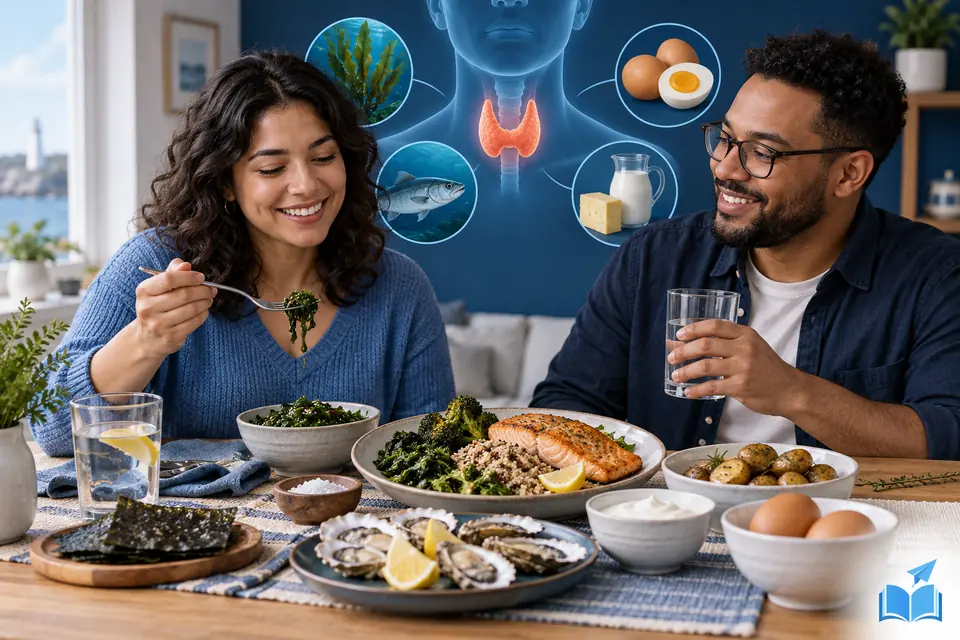
General tips suit many people well. Still, every person is unique. Personal advice always matters most. Your wellbeing comes first here.
See a doctor about thyroid symptoms. An endocrinologist can assess your gland. A dietitian can review your meals. You deserve care and support. Asking for help shows sense.
This is not medical advice. See a professional for your own care. Food supports care but never replaces it. Then follow your trusted team.
Frequently asked questions
What foods contain the most iodine?
Seaweed and seafood rank among the highest. Dairy, eggs, and iodized salt also help.
Is iodine only found in the sea?
No, land foods carry it too. Dairy, eggs, and some plants supply small amounts.
Does iodized salt really contain iodine?
Yes, iodine is added to it. Sea salt and speciality salts often lack it.
Can I get too much iodine?
Yes, very high intakes can harm the thyroid. A professional should guide any high amounts.
Do vegetables contain iodine?
Some carry small traces from the soil. Coastal soils tend to hold more.
Should I take an iodine supplement?
Do not self prescribe iodine pills. Ask a doctor or endocrinologist first.
Do plant based diets lack iodine?
They can be lower in iodine. Careful planning and professional advice both help.
Does cooking remove iodine?
Some iodine can be lost in cooking. The effect is usually fairly modest.
Is seaweed a safe iodine source?
Some seaweed holds very high amounts. Treat it with care and seek advice.
When should I see a professional?
See a doctor about any thyroid symptoms. An endocrinologist can assess your gland properly.
The bottom line
So what foods contain iodine? Seafood, seaweed, dairy, and eggs all supply it. Iodized salt is a simple source. Some breads and plants add a little. Variety supports a steady intake.
You do not need mega doses. Aim for a varied, balanced plate. Treat concentrated sources like seaweed carefully. Lean on a professional throughout.
For general background, read this overview of iodine. You can also learn about the thyroid. Trusted sources support professional advice.
This is not medical advice. See a professional for your own care. Both too much and too little iodine can harm. Then let your trusted team guide you.