
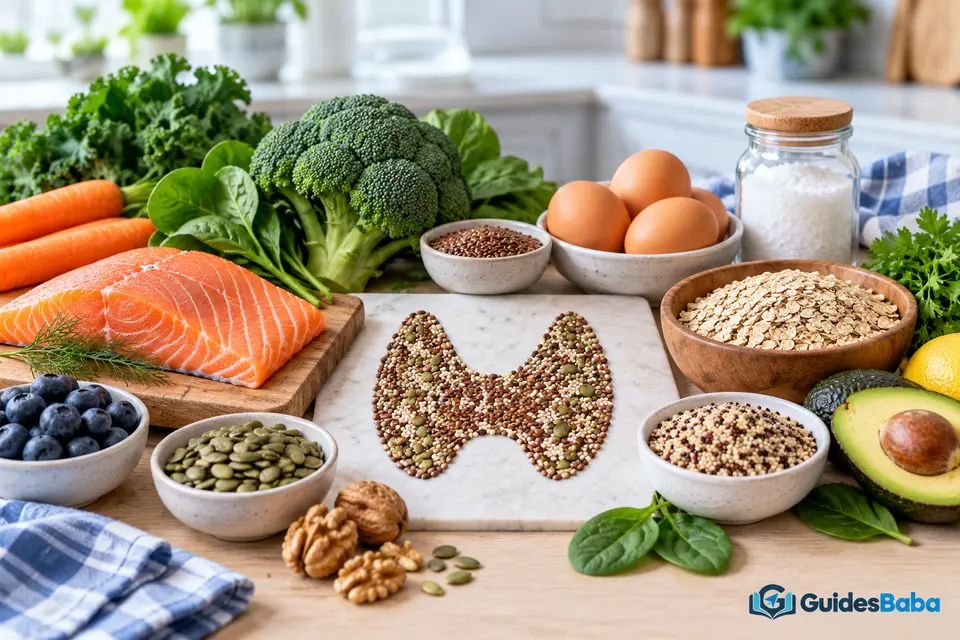
Thyroid worries can turn every meal into a question. How does diet affect hypothyroidism? Can food fix an underactive thyroid? In general terms, diet plays a supporting role. It does not replace medical treatment.
Rather than a magic menu, think steady support. No single food cures a thyroid. Putting all your eggs in one basket rarely helps. Your medical team leads the care. Food simply supports the wider picture.
Here is the honest answer. Diet supports hypothyroidism but never treats it. Some nutrients help the thyroid work. Both too much and too little iodine can harm. A balanced pattern supports your whole body. Medicine and monitoring remain essential. A doctor guides real, personal care.
This guide covers diet and hypothyroidism in general terms. You will learn where food helps and where it does not. We frame food kindly and without hype. This is not medical advice. See a professional.
How does diet affect hypothyroidism?
The honest answer is gently and indirectly. Diet supports your thyroid and body. It does not replace treatment. Balance sits at the heart.
Think of diet as a helper, not a driver. Medicine and monitoring lead the way. Can food alone fix low thyroid? No, treatment carries that job. Food supports the wider picture.
Is any single food a cure? Not at all, cures do not exist here. A balanced pattern still helps your body. Nutrients support normal thyroid work. An endocrinologist can guide you.
What hypothyroidism means
Hypothyroidism means an underactive thyroid gland. The gland makes too little hormone. These hormones guide your metabolism. Low levels slow many body processes.
People may feel tired or cold. Weight and mood can shift too. A doctor confirms it through blood tests. Treatment usually involves prescribed medicine. This is general, not a diagnosis. Your team explains your own case.
You should not self-diagnose from symptoms. Many issues share these signs. Only testing gives real answers. See a doctor for a proper check.
Did you know?
The thyroid is a small gland in your neck. It helps control how your body uses energy.
Why diet supports but does not treat
Diet and medicine play different roles. Medicine replaces the missing hormone. Food supports your general health. The two are not the same.
A good diet cannot restart the gland. It cannot replace your prescription. It can support energy and wellbeing. It can help your whole body cope. This support is general and gentle. Treatment still does the main work.
You should never stop medicine for a diet. Keep taking prescribed treatment. Food works alongside it. An endocrinologist can guide you.

Iodine and the thyroid balance
Iodine is a key thyroid mineral. The gland uses it to build hormones. Yet balance matters more than amount. Both extremes can cause harm.
Too little iodine can trouble the thyroid. Too much can also cause problems. This makes self-dosing risky. Please avoid iodine supplements without advice. Learn which foods contain iodine for context. Your doctor judges what you need.
You should never guess your iodine needs. Do not take supplements on a whim. Only your doctor can advise doses. An endocrinologist can guide you safely.
Selenium, zinc, and other minerals
Other minerals support thyroid function too. Selenium and zinc are two examples. They take part in hormone processes. A varied diet usually supplies them.
Nuts, seeds, and fish provide selenium. Meat, beans, and grains supply zinc. Explore the minerals your body needs here. Most people meet needs through food. This support is general, not a cure. Balance beats any single mineral.
You should aim for a varied plate. Favour whole foods over pills. Balance supports the whole body. A professional can advise you.
Cruciferous vegetables and common worries
Some people fear cruciferous vegetables here. Broccoli and cabbage often get blamed. Yet normal amounts suit most people. Balance keeps this in perspective.
These vegetables bring fibre and vitamins. Very large raw amounts may matter more. Cooking softens any concern. Read about cruciferous vegetables and their role. This effect is usually small. A varied plate stays sensible.
You should still enjoy these vegetables. Eat normal, varied portions. Cooking can ease worries. An endocrinologist can guide you.

Soy and everyday foods
Soy foods often raise questions too. Tofu and soy milk are common. Normal amounts suit most people. Timing around medicine can matter.
Soy may affect how medicine absorbs. A gap around your dose can help. Your doctor can advise on timing. Everyday amounts are usually fine. This effect is generally small. Balance keeps soy in perspective.
You should not fear normal soy foods. Mind the timing with medicine. Ask your team about gaps. Steady timing supports absorption. A professional can advise you.

Fibre, weight, and steady energy
Low thyroid can slow the system. Fibre supports steady digestion. It also helps manage weight. Balance ties these together.
Vegetables, beans, and oats bring fibre. Whole grains add more still. Fibre supports fuller, steadier meals. This can help energy feel even. This effect is general and gentle. A balanced plate supports the pattern.
You should include fibre each day. Add it slowly to stay comfortable. Balance supports steady energy. Fuller meals feel more even. A professional can advise you.
A balanced pattern for the whole body
A balanced diet helps the whole body. It supports energy, mood, and heart. It does not target the thyroid alone. Balance sits at the heart.
Favour vegetables, fruit, and whole grains. Include lean protein and healthy fats. See what a balanced diet looks like here. This supports general wellbeing. The effect is broad and gentle. A whole pattern beats single foods.
You should think whole patterns here. Build varied, colourful plates. Balance supports the whole body. A professional can guide you.
Supplements and their real risks
Supplements can seem like an easy answer. Yet they carry real risks here. Too much iodine can harm the thyroid. More is not always better.
Some pills interact with your medicine. Others push nutrients too high. Food rarely causes these problems. Supplements need real caution. This risk is genuine, not vague. Your doctor should approve any pill.
You should not self-prescribe supplements. Ask your team before starting. Food comes first for most people. An endocrinologist can guide you.

Timing medication and food
Timing can matter for thyroid medicine. Some foods affect how it absorbs. A steady routine helps most people. Consistency matters a great deal.
Many take medicine on an empty stomach. A gap before food often helps. Coffee and some minerals can interfere. Your doctor sets the best plan. This guidance is general only. Your prescription comes with its own advice.
You should follow your dosing instructions. Keep timing steady each day. Ask your pharmacist any questions. A professional can advise you.
Balanced pattern versus restrictive fad diet
Some people try strict fad diets here. The clearer comparison is a balanced pattern versus a restrictive fad. Each shapes your health differently.
| Balanced pattern | Restrictive fad diet |
|---|---|
| Supplies varied nutrients. | Cuts whole food groups. |
| Works with your treatment. | Ignores medical advice. |
| Stays realistic long term. | Rarely lasts for long. |
| Supports the whole body. | Chases a single fix. |
The balanced pattern beats any fad. Small habits shift you across. You do not need extreme rules. An endocrinologist can help you plan.
Gut health and thyroid support
Gut health links with overall wellbeing. Fibre feeds helpful gut microbes. A varied diet supports this. Balance ties it together.
Vegetables, beans, and whole grains help. Fruit and seeds add more fibre. A diverse plate supports a diverse gut. This link is general and gentle. Food supports the body quietly. A varied intake supports the pattern.
You should eat plenty of fibre. Add variety across the week. Balance supports a healthy gut. A diverse gut supports wellbeing. A professional can advise you.
Building simple everyday meals
This approach suits real, busy life. Simple meals do most of the work. You do not need costly foods. Consistency matters more than novelty.
Start with a plant based plate. Add lean protein and whole grains. Include a source of healthy fat. Keep iodine rich foods in balance. Small prep saves time. Simple meals keep it realistic.
You should keep meals simple and steady. Repeat favourites through the week. Small habits build the pattern. A professional can advise you.

Realistic expectations for diet
Diet works slowly and gently here. It is not a quick fix. Treatment still does the main work. Patience matters more than speed.
Food will not restart the gland. It will not replace your medicine. It can support your general health. Balance beats any harsh rule. Small habits build wellbeing over time.
You should set gentle expectations. Give any change real time. Treatment remains essential throughout. An endocrinologist can guide you.
Common mistakes people make
One mistake is stopping medicine for food. Another is chasing iodine supplements. Both can cause real harm.
People often cut healthy food groups. Some trust internet cures over doctors. Others take random supplements alone. Steady, guided habits work better. Your team fills the gaps. Patience supports real, lasting change.
You should never stop prescribed medicine. Avoid self-prescribing supplements. Base changes on real advice. An endocrinologist can correct myths.
Who should get tailored advice
Diet and thyroid care are personal. They depend on your test results. They depend on your medicine too. One plan cannot fit all.
Some people have other conditions. Pregnancy also changes the needs. Food alone cannot carry it. Your history shapes everything here. Only your team sees it fully. Personal advice always beats general tips.
You should never self-diagnose from articles. Get personal advice before big changes. An endocrinologist can guide you safely.
When to see an endocrinologist
General tips suit many people well. Still, every person is unique. Personal advice always matters most. Your wellbeing comes first here.
See a doctor about ongoing symptoms. An endocrinologist can manage your thyroid. A dietitian can tailor your meals. You deserve care and support. Asking for help shows sense.
This is not medical advice. See a professional for your own care. Food supports care but never replaces it. Then follow your trusted team.
Frequently asked questions
Can diet cure hypothyroidism?
No, food cannot cure an underactive thyroid. Diet supports health alongside prescribed treatment.
Does iodine help the thyroid?
Iodine helps build thyroid hormones. Yet too much or too little can harm.
Should I take iodine supplements?
Not without medical advice. Both too much and too little iodine can harm.
Are cruciferous vegetables safe?
Normal, varied amounts suit most people. Cooking can ease any concern.
Does soy affect thyroid medicine?
Soy may affect how medicine absorbs. A timing gap can help some people.
Can I stop my medicine?
No, never stop prescribed medicine for a diet. Treatment does the main work.
Do selenium and zinc matter?
They support thyroid function. A varied diet usually supplies enough.
Is a special diet needed?
Most people do well with balance. Your doctor can tailor any advice.
Does diet help weight here?
Fibre and balance support steady weight. Treatment and activity also matter.
When should I see a professional?
See a doctor about ongoing symptoms. An endocrinologist can manage your thyroid.
The bottom line
So how does diet affect hypothyroidism? It supports your health but never treats it. Some nutrients help the thyroid work. Both too much and too little iodine can harm. A balanced pattern supports your whole body.
You do not need strict rules. Keep taking your prescribed medicine. Aim for a varied, balanced plate. Lean on your medical team throughout.
For general background, read this overview of hypothyroidism. You can also learn about the thyroid. Trusted sources support professional advice.
This is not medical advice. See a professional for your own care. Food supports care but never replaces it. Then let your endocrinologist guide you.