

You are standing on a ridge at sunrise with one camera. Is one lens really enough for travel photography? It’s a question that keeps many travelers up at night.
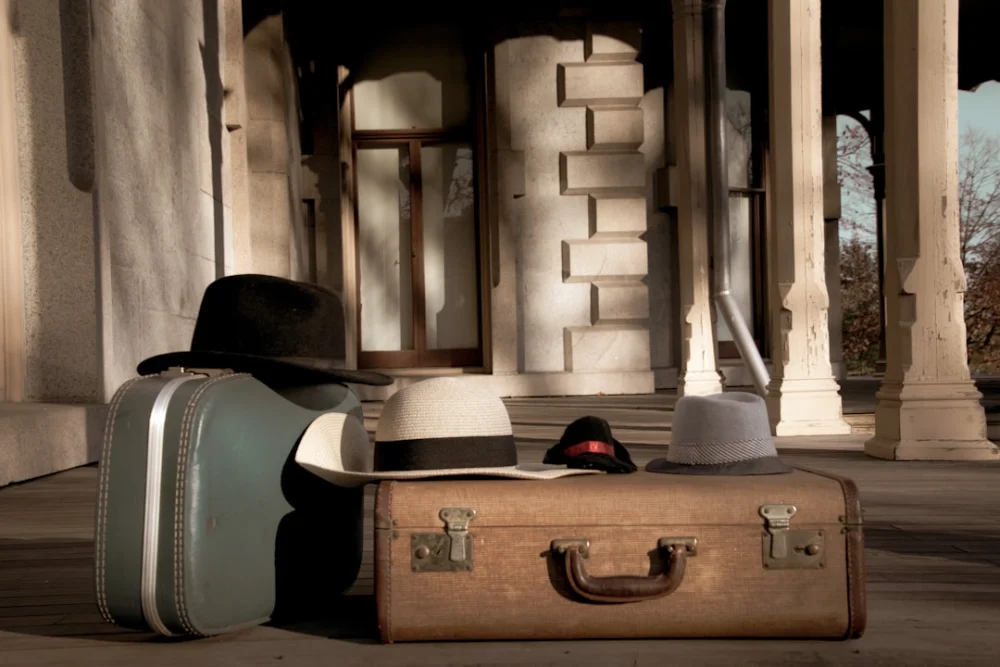
Rather than hauling a heavy bag of glass, some folks pack light and stay nimble. They trust a single lens to do the job. That choice shapes the whole trip.
Here is the honest answer. For most travelers, yes, one good lens is plenty. It covers wide streets and tight portraits. It keeps your bag light and your feet free. You miss a few shots, but you gain freedom. That trade is often worth it.
This guide covers the real pros and cons. We’ll cover focal length, weight, and low light. You’ll learn when one lens shines and when it struggles. Let’s find your sweet spot.
So, is one lens really enough for travel photography?
For most trips, one versatile lens truly is enough. It handles landscapes, streets, and people with ease. Think of it as a Swiss Army knife. It does many jobs pretty well.
Does it match a bag full of specialty lenses? Of course not, and it never will. But do you need that on vacation? Rarely, if you are honest with yourself.
The magic is in the freedom it gives. You walk further and shoot more often. You stop fussing over gear choices. Your eye does the work instead.
Why the one-lens question matters
Gear choices shape how a trip feels. A heavy kit slows you down fast. It weighs on your back and your mind. Your setup really matters out there.
Packing light changes your whole mood. You move quicker and stay more present. You notice moments instead of missing them. Less gear can mean more joy.
This question also touches your budget and comfort. Extra lenses cost money and space. One good lens can do so much. Why carry what you rarely use?
Did you know?
Many famous travel images were made with a single fixed lens. Constraints often push photographers to see more creatively.
What counts as one lens anyway
One lens usually means a single versatile zoom. It covers a wide range of focal lengths. That range replaces several separate lenses. Flexibility is the whole idea.
Some travelers pick a prime lens instead. A prime has one fixed focal length. It is sharp, light, and simple. You zoom with your feet.
Either way, the goal stays the same. You carry one lens and leave the rest home. Your kit gets small and light. Your options stay wide open.
The big case for a single travel lens
A single lens keeps everything simple and quick. You never swap glass in dusty streets. You never miss a shot mid-change. Speed becomes your friend.
It also protects your camera from grit and rain. Fewer swaps means less dust inside. Your sensor stays cleaner longer. Simplicity pays off in the field.
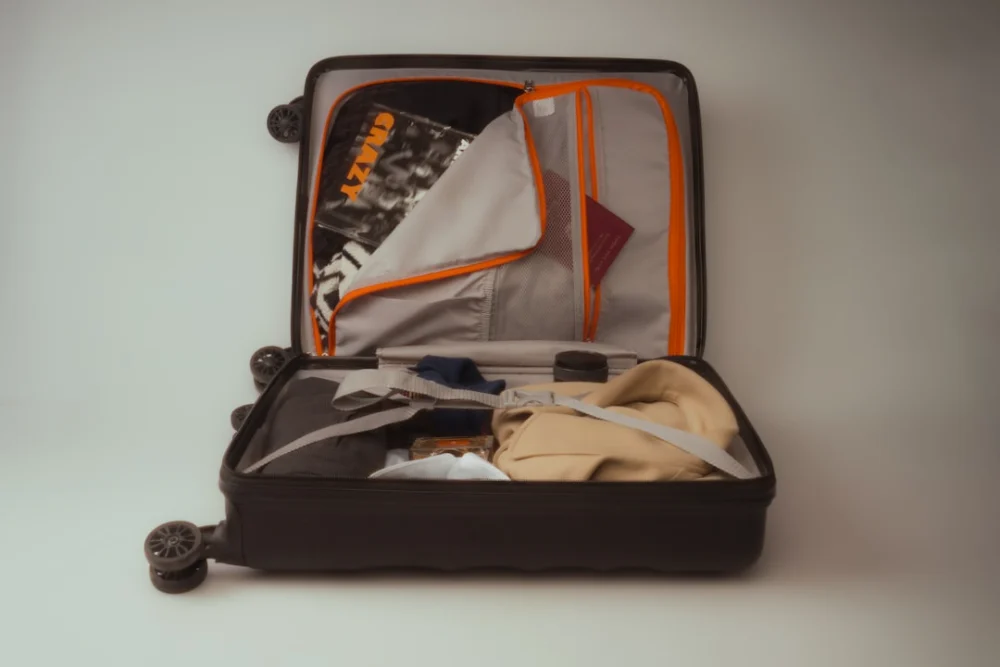
Best of all, you travel lighter and freer. A small kit fits in a day bag. You walk all day without aches. You focus on the scene, not the gear.
When one lens starts to hold you back
One lens has real limits worth knowing. It cannot do everything at once. Wildlife and sports can push it hard. Some shots slip away.
A single zoom may lack extreme reach. Distant animals can look small and soft. A wide vista might feel a bit tight. Compromise is part of the deal.
Low light can also test a slow zoom. Dark cafes and night streets get tricky. You raise ISO and hope for the best. Knowing these limits keeps you calm.
Prime lenses versus zoom lenses for travel
Primes and zooms each bring clear strengths. A prime is small, sharp, and bright. A zoom is flexible and covers more. Your style guides the pick.
Do you love street scenes and portraits? A fast prime might feel just right. Do you crave range and variety? A versatile zoom wins that round.
There is no single correct answer here. Both can carry a whole trip alone. Think about what you shoot most. Then match the lens to that habit.
Understanding focal length and range
Focal length decides how wide or tight you shoot. Wide lengths capture big scenes and streets. Longer lengths pull faraway subjects closer. Range is everything for travel.
A broad zoom covers wide and short telephoto. That span suits most travel moments well. You frame markets, faces, and hills easily. One lens, many looks.
Primes trade range for sharpness and light. You move your feet to reframe shots. That habit sharpens your eye over time. Constraints breed creativity.
Choosing a versatile all-in-one lens
An all-in-one zoom is a traveler’s best friend. It stretches from wide to long telephoto. That single lens handles most scenes. Versatility is its whole promise.
These lenses trade a little sharpness for range. The difference rarely shows in real photos. Most viewers never notice at all. Convenience often wins the day.
Look for a size and weight you enjoy carrying. A lens you dread stays in the bag. Comfort keeps your camera in your hands. Handy beats perfect on the road.

Packing light and moving fast
A light kit changes how you explore. You walk further without the strain. You climb stairs and hills with ease. Freedom follows a small bag.
One lens means less to worry about. No swapping, no clutter, no lost caps. You react to moments in a snap. Speed keeps the story alive.
Travel days can run long and busy. A heavy bag saps your energy fast. Light gear keeps you shooting till dusk. Endurance matters more than you think.
Using your phone as a second lens
Your phone can back up your main lens. It grabs ultra-wide shots with ease. It fills gaps your lens cannot reach. Two tools beat one sometimes.
Modern phones shoot great in good light. They handle quick snaps and panoramas well. You keep them in your pocket always. Convenience is their superpower.
This combo covers a huge range together. Your camera handles the serious shots. Your phone catches the rest with ease. Balance gives you real flexibility. You rarely miss a moment this way.
Ways to cover a trip, compared
Different kits suit different travelers. Here’s how the common choices stack up. Pick the setup that fits your style.
| Camera setup | Best for |
|---|---|
| Single all-in-one zoom | Light travel and mixed scenes |
| One fast prime lens | Streets, portraits, and low light |
| Two-lens kit | Wildlife and serious variety |
| Camera plus phone | Wide range with tiny weight |
Matching the lens to your kind of trip
Your trip style should guide your lens. A city break loves a wide, quick lens. A safari craves serious reach. Fit the tool to the plan.
Heading somewhere iconic and photogenic? A place like Istanbul rewards a versatile setup. See if Istanbul is worth visiting for your camera. Its streets and skylines love one flexible lens.
Think about your subjects before you pack. Streets, food, and faces need different reach. Match your lens to those moments. Planning ahead saves regret later. The right fit makes shooting a joy.
Low light, night scenes, and one lens
Low light is where one lens gets tested. A slow zoom struggles after dark. Shadows turn grainy and soft. Light is always the challenge.
A bright prime shines in dim settings. Its wide aperture drinks in light. Night streets and cafes come alive. Fast glass earns its keep here.
You can still manage with a slow zoom. Steady your hands or use a small tripod. Raise ISO and embrace some grain. Grain can look moody anyway. Good technique beats fancy gear often.
Weight, comfort, and the long walking day
Comfort decides how much you shoot. A sore neck ends a day early. Heavy gear stays locked in the room. Comfort keeps you creating.
One lens trims real weight from your bag. Your shoulders thank you by afternoon. You wander longer and see more. Light travel feels almost effortless.
Think about straps, bags, and balance too. A comfy strap spreads the load nicely. Small changes add up over miles. Your body is part of the kit. Happy feet make better photos.
Protecting your gear on the road
Travel gear faces bumps, dust, and thieves. One camera is easier to guard. You keep it close and covered. Safety brings peace of mind.
Busy tourist spots attract sticky fingers. Learn to protect from pickpockets in Europe before you roam. Keep your strap on and your bag zipped. Awareness is your best lock.
Weather can threaten your kit too. Pack a rain cover and a lens cloth. Wipe off dust at the end of each day. A little care goes a long way. Protected gear lasts for many trips.

Getting creative with a single lens
Limits can spark your best ideas. One lens forces you to really look. You move, crouch, and reframe often. Constraints wake up your eye.
You learn your lens inside and out. You know its range without thinking. That fluency speeds up every shot. Mastery beats variety here.
Try new angles, framing, and light. Chase reflections, shadows, and leading lines. One lens can do wonders in skilled hands. Creativity lives in you, not the gear. Play more and your photos sing.
Common mistakes to avoid
The biggest slip is overpacking out of fear. Extra lenses often stay unused all trip. They just weigh you down. Trust your one good lens.
Another mistake is ignoring the light. Great gear cannot fix flat, harsh light. Shoot early and late for magic. Timing beats equipment every time.
Some travelers forget to practice first. They fumble with settings on day one. A little prep prevents lost shots. Know your kit before you fly. Confidence turns moments into keepers.
Frequently asked questions
Is one lens really enough for travel photography?
For most travelers, yes, one versatile lens works well. It covers wide scenes and close portraits.
What single lens is best for travel?
A wide-range all-in-one zoom suits most trips. It handles streets, landscapes, and people.
Should I bring a prime or a zoom?
A zoom gives range, a prime gives light. Pick the one matching your style.
Can I do wildlife with one travel lens?
Some reach is possible, but tough shots slip away. A longer lens helps for wildlife.
How do I shoot at night with one lens?
Steady the camera and raise your ISO. A bright prime makes night far easier.
Does one lens limit my creativity?
No, limits often boost creativity instead. You learn to see and frame better.
Is my phone a good backup lens?
Yes, phones handle ultra-wide and quick snaps well. They cover gaps in your kit.
Will one lens keep my bag lighter?
Absolutely, one lens cuts real weight and bulk. You walk further and shoot longer.
Do I lose photo quality with one lens?
Slightly, but most viewers never notice it. Good light matters far more.
How do I protect one camera while traveling?
Keep the strap on and the bag zipped. Pack a rain cover for weather.
The bottom line
So, is one lens really enough for travel photography? For most travelers, the answer is a happy yes. One versatile lens covers nearly every scene. It keeps you light, fast, and free.
Plan your shots around your destination too. A scenic road trip loves a wide lens. Explore the prettiest drive in the US. Grand parks reward patience, so see what to see in Yosemite before you go. Good planning frames great photos.
Curious about the gear itself? Read about the camera lens and travel photography on Wikipedia. A little knowledge goes far. Your eye matters more than your kit.
Pack light, stay curious, and keep shooting. One good lens can capture a whole journey. The best camera is the one you carry.