

You round a bend, the road opens, and the view steals your breath. Your foot eases off the gas without a thought. So what is the prettiest drive in the US?
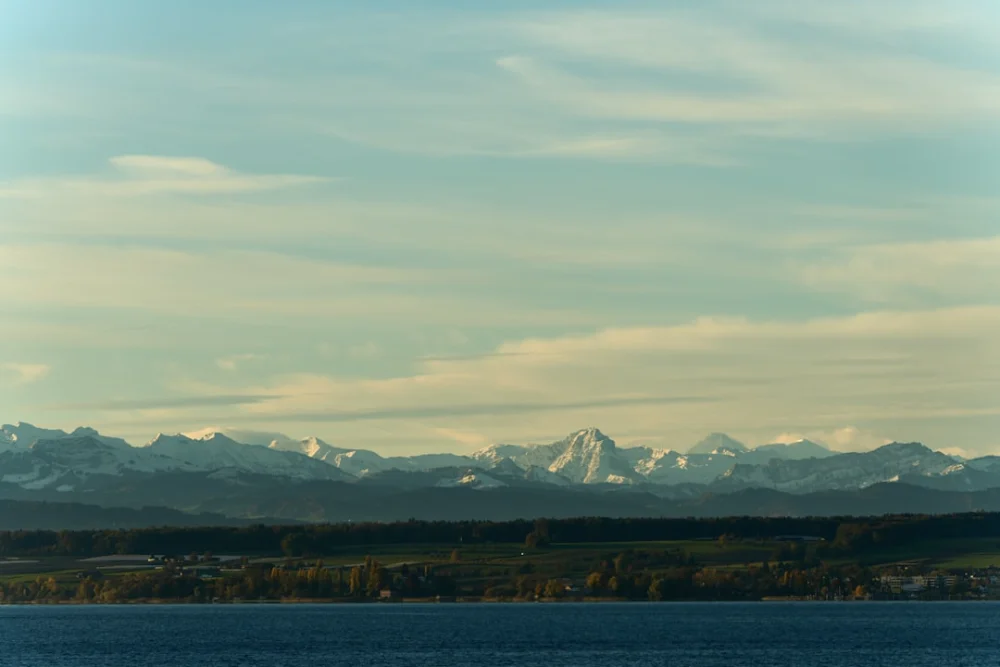
Rather than crown one single winner, it helps to slow down first. Beauty on the road wears many faces. The coast, the mountains, the desert, and the forest all make a strong case.
Here is the honest answer. There is no one prettiest drive that beats every other. The best drive depends on the scenery you love. It also depends on the season and your mood. Ask ten travelers and you will hear ten favorites. Every one of them can be right.
This guide covers the big categories of scenic drives. What makes a road beautiful. How to plan a trip around one. And how to drive it safely and kindly.
What is the prettiest drive in the US?
The prettiest drive in the US is the one that matches your idea of beauty. For some it is a cliff road above crashing surf. For others it is a quiet ridge through tall pines. Both answers are honest and true.
Think of scenic drives like music. No single song is the best song ever made. The right track depends on your mood and the moment.
So why do people still argue about it? Because a great view feels personal. A road that moved you becomes your answer, and you defend it warmly.
Why “prettiest” is really in the eye of the beholder
Beauty is a slippery word. One driver melts at ocean fog. Another lives for red rock glowing at dusk. Neither is wrong about what they love.
Your history shapes it too. A desert road may thrill a coastal native. A mountain pass may feel like home to someone raised near peaks. Memory colors every mile.
Season plays a huge part as well. The same forest road looks different in spring green and autumn gold. Snow can turn a familiar route into something brand new.
So take any “best drive” list with a pinch of salt. It reflects one writer’s taste. Yours may point somewhere else entirely, and that is the fun of it.
Did you know?
The US has a national system of officially designated scenic byways. These routes are recognized for their views, history, or natural value.
Pacific coast highways and ocean roads
Coastal drives are the poster child of American scenery. The road hugs the shore while the water stretches out forever. Few sights beat blue sea meeting a rugged cliff.
The West Coast is famous for this. Long stretches of highway trace the Pacific edge for miles. You get surf, sea stacks, and wide open sky in one frame.
The East Coast and Gulf offer their own coastal charm. Think barrier islands, marshes, and long bridges over shining water. The mood is gentler but no less lovely.
Mountain parkways and alpine passes
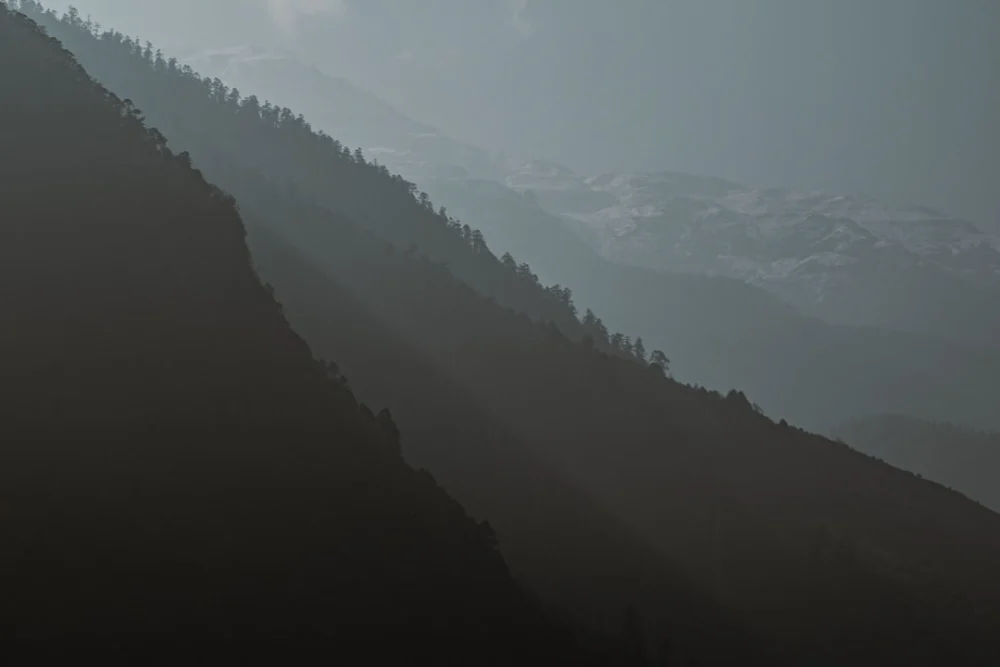
Mountain roads trade the sea for sheer scale. You climb through ridges, valleys, and forest that seems to roll on without end. The air even smells different up high.
Famous ridge parkways in the eastern states are beloved for a reason. They wind along the crest with long views on both sides. Autumn turns them into a river of color.
Western passes push the drama higher still. Snowcapped peaks, alpine meadows, and glacier-fed streams line the way. Many of these roads sit at serious elevation.
Desert and canyon routes
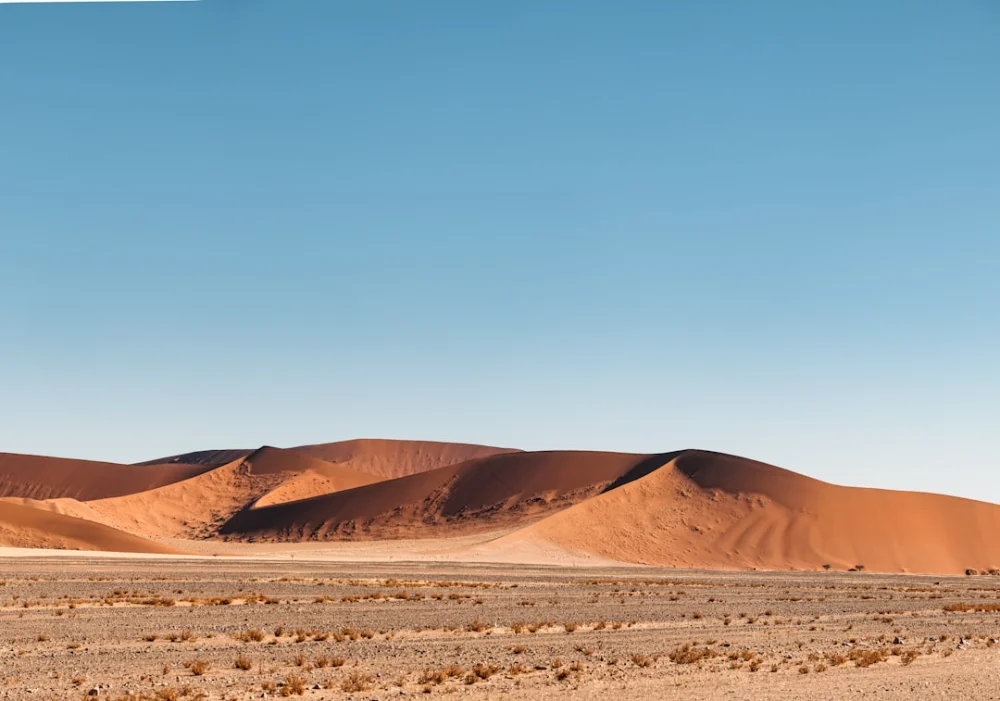
Desert drives feel like another planet in the best way. Space opens up and the light does wonderful things. Red rock, wide mesas, and deep canyons steal the show.
The Southwest is the classic desert stage. Roads thread between towering walls and sweeping open basins. Sunrise and sunset paint the stone in glowing color.
Canyon roads add vertical drama to the mix. You may drive along a rim or down into a gorge. The sense of scale can be humbling.
Forest and lakeside drives
Green drives soothe in a way big vistas cannot. Tall trees close in and dapple the road with light. The quiet feels almost like a held breath.
Forest routes run all across the country. The Pacific Northwest is known for towering evergreens. The Northeast and upper Midwest shine with hardwoods in fall.
Add water and the beauty doubles. A road that traces a lake reflects the whole sky. Mirror-still mornings are pure magic on these drives.
National park and byway roads
Some of the finest scenery sits inside national parks. Park roads are built to show off the land. Every turn seems staged for a postcard.
These routes often pack many landscapes into a short span. You might pass meadows, cliffs, and rivers in one hour. That variety is a big part of the appeal.
Designated scenic byways spread that quality far and wide. They exist in nearly every region of the country. Each was chosen for something special about the view.

What actually makes a drive scenic
Not every pretty road feels magical behind the wheel. A truly scenic drive blends several things at once. It is more than a single big view.
Contrast is a huge factor. Roads that shift from forest to open vista keep your eyes hungry. Variety holds attention better than one endless backdrop.
Good pull-offs matter more than people expect. A view you can safely stop and enjoy beats one you only glimpse. Design shapes the experience as much as nature does.
Coastal, mountain, desert, or forest: how they compare
Each category of drive offers a different reward. None is better than the rest in truth. The table below lays out what each one tends to give you.
Use it to match a route to your mood. Then plan the season and stops around that choice. This is about fit, not ranking.
| Drive type | What it tends to offer |
|---|---|
| Coastal highway | Ocean views, cliffs, and sea air, with slower twisting roads |
| Mountain parkway | Big ridge vistas and fall color, with steep grades and weather |
| Desert canyon | Red rock, wide space, and glowing light, with heat and distance |
| Forest and lake | Green calm and mirror water, with wildlife to watch for |
How to plan a scenic road trip
A good scenic drive rewards a little planning. Start by picking the type of beauty you want. That single choice narrows your options fast.
Next, map a rough route with room to breathe. Leave gaps for stops and slow miles. The prettiest roads are rarely the fastest ones.
Check the practical details early. Confirm fuel stops, food, and lodging along the way. Remote scenic routes can be thin on services.
Choosing the right season and time of day
Timing can make or break a scenic drive. The same road looks wildly different across the year. Match the season to the scenery you crave.
Fall brings color to forests and mountains. Spring brings wildflowers and green to many regions. Winter can be stunning but often closes high roads.
Time of day matters just as much. Early light and late light flatter almost every landscape. Midday sun can wash the color right out.
Picking your stops and setting the pace
A scenic drive is not a race. The stops are half the reward. Plan a few, then let the road offer more.
Look for official overlooks and pull-offs on your map. These spots are placed for the best safe views. They also keep you off the shoulder.
Give yourself permission to linger. A short walk from the car often reveals the finest scenes. The best photos rarely come from the driver’s seat.
Above all, keep your pace relaxed. Rushing a beautiful road defeats the whole point. Slow miles are the ones you remember.
Driving responsibly on scenic roads
Scenic roads deserve respect from every driver. The views tempt you to look away from the road. That is exactly when trouble happens.
Keep your eyes on the pavement while moving. Let a passenger take in the big view. If you want to gaze, pull over safely first.
Watch your speed on unfamiliar curves. Blind bends and steep drops leave no room for error. A gentle pace is always the wise choice.
Respect the land and the locals too. Stay on marked roads and pull-offs. Take your trash with you and leave the beauty for others.
Staying safe on winding and remote routes
Many of the prettiest roads are also demanding ones. Narrow lanes and long gaps between towns are common. A little caution keeps the trip joyful.
Prepare your car before a big scenic drive. Check tires, brakes, fluids, and your spare. A breakdown far from help is no fun.
Carry basics for remote stretches. Water, snacks, a map, and a charged phone all help. Signal can vanish deep in the mountains or desert.

Common mistakes on scenic drives
Even a dream route can go sideways. Most mistakes are easy to avoid with a little thought. A few come up again and again.
The first is trying to cover too much ground. Cramming miles turns beauty into a blur. Fewer, slower days almost always beat a marathon.
The second is ignoring conditions. Drivers skip the forecast and hit a closed pass. A quick check of current updates saves the day.
The third is stopping in unsafe spots. The shoulder of a blind curve is dangerous. Wait for a real pull-off every time.
Frequently asked questions
What is the prettiest drive in the US?
There is no single answer. It depends on the scenery you love and the season you travel.
Is the coast or the mountains prettier to drive?
Both are stunning in different ways. Coasts offer ocean drama, while mountains offer sweeping ridge views.
When is the best time for a scenic drive?
It varies by region. Fall suits mountains and forests, while spring and summer open more high roads.
Are scenic byways officially recognized?
Yes. The US has a national scenic byway system that honors routes for their views and value.
How do I plan a scenic road trip?
Pick the type of beauty first. Then map a loose route with fuel, food, and stops in mind.
Are scenic drives safe?
They can be with care. Watch your speed, prepare your car, and check conditions before you set off.
What makes a drive scenic?
Variety, safe pull-offs, and quiet all help. Contrast between landscapes keeps the drive feeling fresh and alive.
Do I need a special car for scenic drives?
Usually not. A well-maintained car handles most routes. Check for any seasonal or off-road rules first.
How long should a scenic drive take?
Longer than the map suggests. Build in extra time for stops, photos, and slow, winding miles.
Where can I stop safely for photos?
Use marked overlooks and pull-offs. Never stop on a blind curve or a narrow road shoulder.
The bottom line
So what is the prettiest drive in the US? It is the one that matches the beauty you crave. Coastal, mountain, desert, and forest routes each win in their own way. The perfect answer is yours to choose.
Chase the scenery that stirs you and plan it with care. A scenic route rewards patience over speed. Many of the finest fall along a national scenic byway. Always check current road and park conditions first.
Ready to turn the dream into a real trip? See how far you could go with our longest possible road trip guide. If you plan to rent, learn the documents needed to rent a car. It pays to know whether the rental car is insured. You should also see how a rental car security deposit works.
Beauty on the American road is everywhere you look. Pick your kind, drive it slowly, and let the view do the rest. That is the real answer to the question.