
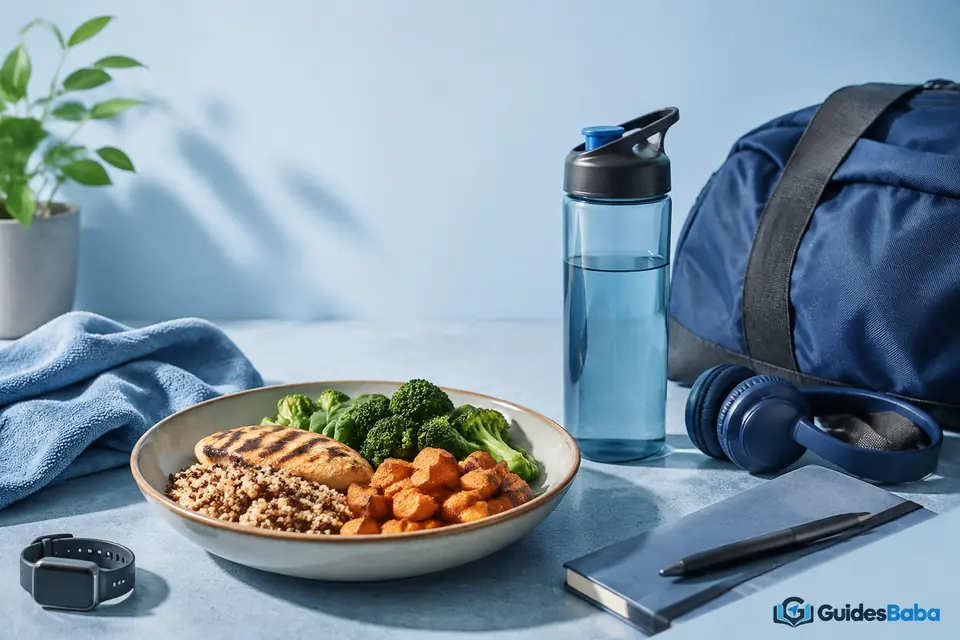

You finish a tough session feeling wiped out. What should you eat to bounce back? So what should athletes eat for recovery? The right food helps your body rebuild.
Rather than grabbing whatever is nearest, plan ahead. Good recovery food rebuilds muscle and refills energy. It also replaces what sweat carried away. Timing matters as much as the food. A little thought pays off later.
Here is the honest answer. Athletes recover best with protein and carbs together. Protein repairs the muscle you worked. Carbs refill your spent energy stores. Fluids and salts restore what you lost. A balanced meal or snack covers it all.
This guide covers what to eat and when. You will learn how to recover from different sessions. We compare a quick refuel and a full meal. This is not medical advice. See a professional.
So what should athletes eat for recovery?
The honest answer pairs protein with carbohydrates. Protein rebuilds the muscle you worked hard. Carbs top up your spent energy.
Think of recovery as rebuilding after a storm. Your body needs materials to repair. An empty plate slows that work. A balanced meal speeds it along.
Do athletes always need a big meal? Not always, as it depends on the effort. Light sessions may need very little. Hard efforts benefit from prompt fuel. Match the food to the demand.
Why recovery nutrition matters
Recovery is where training pays off. Your body adapts between sessions. Food gives it the tools to rebuild.
Good recovery readies you for the next day. It repairs muscle and refills energy. A balanced diet supports this process. Poor recovery leaves you tired and flat. Fuel turns effort into progress.
Skipping recovery food slows your gains. Sore muscles struggle to adapt. That raises the risk of burnout. Treat recovery as part of training. It deserves real attention.
Did you know?
Your muscles stay primed to absorb nutrients after training. A balanced meal helps that repair window work well.
Why protein rebuilds your muscles

Protein is the star of recovery. Your muscles use it to repair tiny tears. That process helps them grow stronger.
A modest serving after training supports repair. Think eggs, yoghurt, beans, or lean meat. These high-protein foods aid recovery. Spread protein across your day too. Regular servings beat one giant hit.
You do not need a huge amount at once. A steady, sensible serving works well. Very large portions offer little extra. Keep it balanced and regular. Consistency builds real strength. Pair protein with enough total energy. Recovery then works far better.
Why carbohydrates refill your energy

Carbohydrates refill the fuel you just burned. Your muscles store carbs as glycogen. Hard sessions drain that store fast.
Eating carbs after training tops up your tank. That leaves you ready for tomorrow. Good carbohydrate sources make recovery smoother. Rice, oats, fruit, and bread all help. Pair them with your protein.
The harder your session, the more carbs help. Endurance work drains more than light movement. A gentle stretch needs very little. Match the carbs to the effort. Balance keeps energy steady.
Why fluids and salts matter for recovery

Food is only half the recovery story. Fluids replace what you lost through sweat. Even mild dehydration slows repair.
Drink steadily after your session. Sip rather than gulping all at once. Learn which foods help keep you hydrated. Sweat carries water and salts away. Replace both after long, hot efforts.
Salty foods can help after heavy sweating. They restore what your body lost. A balanced meal often covers this. Plan your drinks around the conditions. Do not skip this simple step. Cool weather still calls for fluids. Thirst is not your only guide.
Why timing helps recovery
When you eat shapes how you recover. Eating fairly soon can aid repair. A long delay may slow things down.
Aim to eat within a couple of hours. That window suits most training well. You need not rush a snack in seconds. A calm, sensible meal works fine. Timing supports steady recovery.
Everyone recovers at a slightly different pace. Some feel hungry right after exercise. Others prefer to wait a little while. Learn your own comfortable rhythm. Practice teaches you what works.

Best recovery foods for athletes

Good recovery foods are simple and balanced. They combine protein with easy carbs. A little planning makes them easy.
Greek yoghurt with fruit is a classic. Milk with a banana works well too. Eggs on wholegrain toast are filling. A rice bowl with beans suits many. These options rebuild and refuel together.
Keep portions sensible after you move. You want recovery, not a heavy stomach. Test a few options over time. Find the meals your body loves. Simple beats fancy here. Prepare a few go-to meals in advance. Ready food removes the guesswork.
How sleep supports recovery

Food and sleep work as partners. Rest is when much repair happens. Poor sleep can undo good eating.
Your body rebuilds muscle during deep sleep. Good rest supports adaptation and energy. Nutrition then completes the picture. Neither alone builds full recovery. Combine good food with good sleep.
Late heavy meals can disturb your rest. Keep evening food balanced and sensible. A calm routine helps you unwind. Protect your sleep like your training. Recovery depends on both.
Recovery after endurance sessions
Endurance work drains your energy stores deeply. Long efforts burn through stored carbs. Refilling them speeds your recovery.
Eat carbs and protein soon after finishing. Replace fluids and salts as well. A balanced meal within hours helps. That readies you for the next session. Steady refuelling carries you forward.
Very long efforts may need a two-step plan. Start with a quick snack first. Follow with a fuller meal later. Layered fuel aids deep recovery. Listen to your appetite. A little food often returns your hunger. Then a proper meal goes down easily.
Recovery after strength sessions
Strength work creates small muscle tears. Your body rebuilds them stronger. Protein supplies the building blocks.
A protein serving after lifting supports repair. Pair it with some carbs for energy. That combination aids recovery well. Under-eating can stall your gains. Balance fuels real progress.
Rest days still deserve good food. Muscles keep rebuilding between sessions. Do not neglect recovery on off days. Steady eating supports steady gains. Consistency does the work. Balanced meals help even without training. Your body repairs around the clock.
Why whole foods aid recovery
Whole foods offer more than single nutrients. They bring vitamins, minerals, and fibre too. That fuller package supports your body.
A plate of real food beats a pill. It feeds recovery and general health together. Vegetables, grains, and lean protein work well. These choices refuel and nourish you. Variety keeps meals interesting.
Supplements can have a place for some. Still, most athletes recover on food alone. Build meals around simple ingredients first. Add extras only if truly needed. Real food leads the way.
Quick refuel versus full recovery meal

Athletes often ask which option suits them. The clear comparison is a quick refuel versus full recovery meal. Each fits a different situation.
| Quick refuel | Full recovery meal |
|---|---|
| Eaten soon after training | Eaten within a few hours |
| Protein and easy carbs | Protein, carbs, and vegetables |
| Light and quick to eat | Fuller and more filling |
| Bridges a gap before a meal | Completes your daily fuel |
Choose the refuel when a meal is far off. Choose the meal when timing allows. Both can support solid recovery. Match the choice to your day.
Recovery on back-to-back training days
Busy schedules pack sessions close together. Recovery becomes even more important then. Good fuel keeps you going.
Refill carbs and protein after each session. Do not let energy stores stay low. Hydrate well between training bouts. Sleep as much as your schedule allows. Steady habits protect your performance.
Skipping recovery on busy days backfires. Fatigue builds and progress stalls. A little planning prevents that. Prepare meals and snacks ahead. Consistency carries you through.
How your goals shape recovery
Your goals nudge your recovery choices. Building muscle leans on protein and fuel. Simply staying fit needs a little less.
Weight goals also affect your portions. You can recover well without overeating. Choose quality protein and sensible carbs. Whole foods support most goals nicely. Balance keeps you on track.
None of this needs to feel strict. A flexible approach suits most athletes. Let your goals gently guide you.
Common recovery mistakes athletes make
One common mistake is skipping food entirely. Your body misses its recovery window. A simple meal fills the gap.
Another mistake is choosing sugar alone. Sweet treats lack the protein you need. Pair any sweet with real food. Ignoring hydration is another frequent slip. Replace fluids after every session.
Some athletes overeat after training instead. Balance beats piling on extra. Others neglect recovery on rest days. Keep habits steady and sensible. Small choices add up.
Who might need tailored guidance
General advice suits most healthy athletes well. Still, some people need personal care. Certain situations change the picture.
Growing teens, older athletes, and some patients differ greatly. Blood sugar needs careful handling for some. A sports dietitian understands your full picture. Personal advice always beats general rules here.
This is not medical advice. See a professional for your own situation. Use these ideas as a friendly guide. A short chat can prevent bigger problems.
Building a simple recovery routine
A steady routine takes the guesswork out. Pick meals and timing that work. Repeat what leaves you feeling strong.
Note how each option makes you feel. Keep the winners and drop the rest. Adjust as your training changes. A simple routine saves daily thinking. Consistency builds real confidence.
Above all, listen to your own body. It signals hunger, fatigue, and energy. These cues guide your best choices. Trust them over any strict rule.
Frequently asked questions
What should athletes eat for recovery?
Protein and carbs suit most athletes after training. Add fluids to replace lost sweat.
How soon should I eat after training?
Eating within a couple of hours works well. You need not rush a snack in seconds.
Do I need protein after every session?
Protein helps after most training sessions. Light movement may need only a normal meal.
What is a good quick recovery snack?
Greek yoghurt with fruit is a solid choice. Milk with a banana works well too.
Are carbs important for recovery?
Carbs refill the energy you burned. They pair well with your recovery protein.
How does sleep affect recovery?
Much repair happens during deep sleep. Good rest supports your nutrition.
What should I avoid after training?
Avoid sugary treats or heavy, greasy meals alone. They do little for real recovery.
How do I recover on back-to-back days?
Refill carbs, protein, and fluids after each session. Prepare meals ahead to stay consistent.
Do I need supplements to recover?
Most athletes recover on food alone. Build meals around simple whole ingredients first.
Can I recover well on rest days?
Yes, muscles keep rebuilding between sessions. Steady, balanced eating supports off days.
The bottom line
So what should athletes eat for recovery? Protein and carbs are the key pair for most. Protein rebuilds the muscle you worked. Carbs refill the energy you burned. Add fluids and match the food to your session.
Do not forget to drink and rest well. Eat within a sensible window after training. A quick refuel bridges a gap before a meal. A full plate suits harder, longer efforts.
For more background, read this overview of muscle and how it repairs. You can also explore how glycogen stores energy. Use trusted sources to guide your habits.
This is not medical advice. See a professional for your personal needs. Recover in a way that feels good to you. Then return to training stronger and steadier.