


Your child pushes the meat aside once again. You wonder if a meatless plate is safe. So can children follow a vegetarian diet? This question sits close to many parents’ hearts.
Rather than worrying alone, gather good information. Many children thrive on vegetarian meals. The key is careful, balanced planning. Growing bodies have real, specific needs. A professional can help you meet them.
Here is the honest answer. Yes, children can follow a vegetarian diet. It must be well planned and balanced. Growing children need enough energy and nutrients. Iron, protein, and B12 deserve attention. Always involve a pediatrician or dietitian.
This guide covers vegetarian eating for children. You will learn which nutrients matter most. We stress the value of expert advice. This is not medical advice. See a professional.
So can children follow a vegetarian diet?
The honest answer is yes, with care. Many children grow well on plant-based meals. Good planning makes it work safely.
Think of a child’s diet like a building. Each nutrient is a needed brick. Miss too many and the structure weakens. A balanced plan lays every brick. Steady growth follows steady nutrition.
Does this mean parents can relax fully? Not quite, as planning still matters. Children have higher needs for their size. A professional should guide the plan.
Why planning matters most for children
Children grow quickly during their early years. Their bodies build bone, muscle, and brain. That growth demands steady nutrition.
A vegetarian diet can meet these needs. It simply requires more thought than usual. Random meatless meals may leave gaps. A planned approach fills those gaps. Balance protects healthy growth.
This is where expert help shines. A pediatrician knows your child’s needs. A dietitian can shape a safe plan. These nutrients vegetarians pay attention to matter here. Professional guidance is strongly advised.
Key nutrients growing children need

Some nutrients deserve extra attention here. Iron, protein, and calcium top the list. Vitamin B12 and healthy fats matter too.
These nutrients support blood, bones, and brain. Growing children need them in good supply. Vegetarian meals can provide each one. Careful choices make that easier.
Do not try to manage this alone. A professional can check the details. They tailor advice to your child. These essential nutrients need real planning. Expert support keeps children safe.
Did you know?
Children need more nutrients for their body size. That is why careful planning really matters for them.
Protein for vegetarian children
Protein helps children build and repair. Growing bodies use it every day. Vegetarian sources can supply plenty.
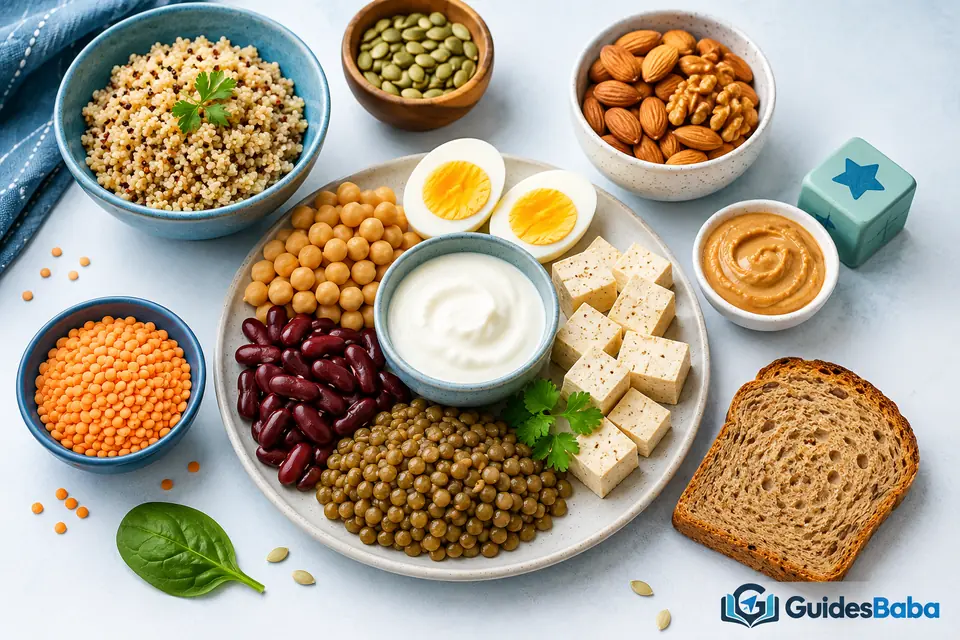
Beans, lentils, and tofu are great choices. Dairy and eggs help many vegetarian children. Nuts and seeds add protein too. These plant-based protein sources fit young diets. Offer a range across the week.
Portion sizes differ for small children. A professional can guide amounts safely. Do not copy adult serving sizes. Children have their own needs. Ask for tailored advice.
Iron in a child’s vegetarian diet

Iron supports blood and healthy energy. Growing children need a reliable supply. Plant iron can meet that need.
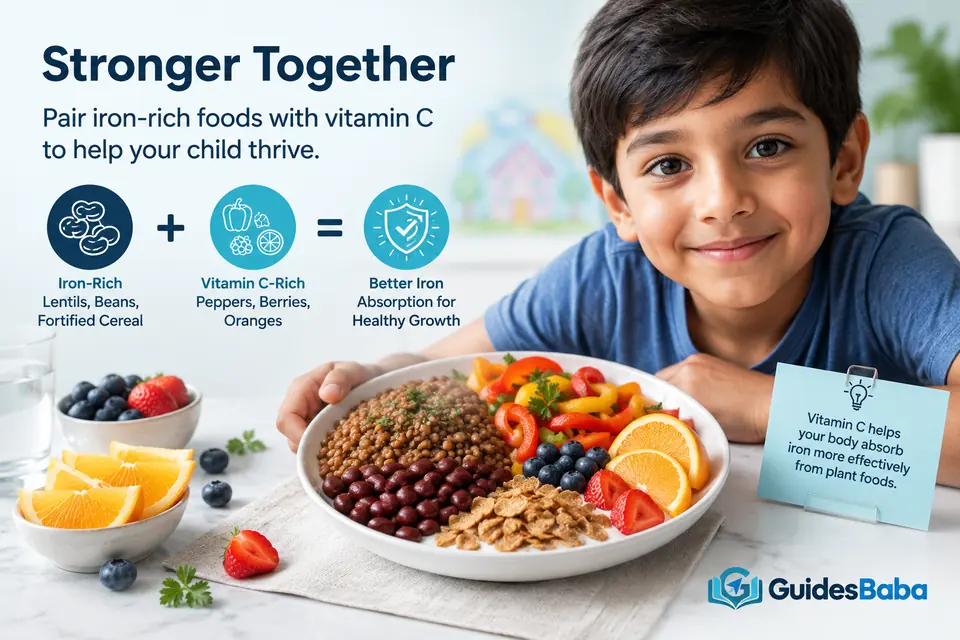
Beans, lentils, and fortified cereals help. Leafy greens add useful iron too. Pair them with vitamin C foods. Citrus or peppers boost absorption nicely. Small pairings make a real difference.
Low iron can affect mood and focus. Watch for tiredness or paleness over time. Only a professional can confirm concerns. Never start supplements on your own. A doctor should guide any decision.
Calcium and bone health

Calcium builds strong bones and teeth. Children need it during rapid growth. Vegetarian diets can supply it well.
Dairy is a common calcium source. Fortified plant milks work for many families. Certain greens and tofu add calcium too. Vitamin D helps the body use it. Sunlight and diet both play a part.
Bone health matters for the whole life. Childhood is a key building stage. A professional can check calcium intake. Ask about vitamin D as well. Expert advice keeps bones strong.
Vitamin B12 for children
Vitamin B12 supports blood and nerves. Children need a reliable source of it. This nutrient deserves close attention.
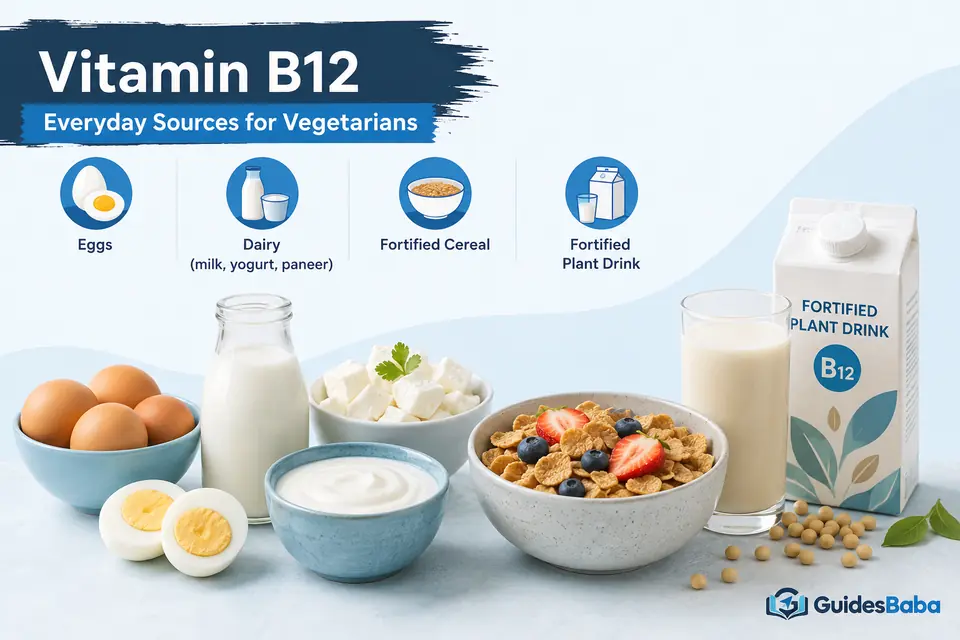
Dairy and eggs supply B12 for many. Fortified foods can help fill gaps. Some children may need a supplement. A doctor should decide on this. Never guess doses for a child.
B12 is especially important for vegans. Vegetarian children who skip dairy need care. A professional can assess the risk. Regular checks offer useful reassurance. Expert guidance is essential here.
Healthy fats for growing brains
Healthy fats support brain development. Young children need enough of them. Vegetarian diets can provide these fats.
Nuts, seeds, and their butters help. Avocado and vegetable oils add good fats. Some children benefit from omega-3 sources. Ground flaxseed and walnuts can help. A professional can advise on this.
Do not cut fat too harshly for children. Young bodies need it for growth. Balance is more helpful than restriction. Offer healthy fats in sensible amounts. Ask a professional for guidance.

Planned versus unplanned vegetarian meals
Parents often ask what good planning means. This clear comparison sets planned against unplanned meals. It shows why the difference matters.
| Planned vegetarian meals | Unplanned vegetarian meals |
|---|---|
| Cover key nutrients on purpose | May leave nutrient gaps |
| Include varied protein sources | Rely on a few foods |
| Pair iron with vitamin C | Miss helpful food pairings |
| Guided by a professional | Left mostly to chance |
Planned meals give children a strong base. Unplanned ones can miss important nutrients. Aim for variety and balance daily. A professional can help you plan.
Building balanced meals for kids
Balanced plates make vegetarian eating simple. Aim for variety at each meal. Colourful food usually covers the basics.
Include a protein food at every meal. Add whole grains for lasting energy. Fill part of the plate with vegetables. Offer fruit and a calcium source too. A balanced vegetarian diet guides this well.
Keep portions suited to your child. Small stomachs need regular, gentle meals. Snacks can help fill the gaps. Let a professional confirm the amounts.
Snacks that support growth
Snacks matter a lot for children. Small tummies cannot hold big meals. Healthy snacks bridge the gaps well.
Offer fruit with a little nut butter. Yoghurt and cheese suit many children. Wholegrain crackers with beans work too. Hummus with veg sticks is popular. Simple snacks add useful nutrition.
Try to limit very sugary snacks. They can crowd out better foods. Balance treats with nourishing options. Keep healthy choices easy to reach. Small habits shape long-term eating.
Vegetarian diets for babies and toddlers
The youngest children need special care. Babies and toddlers grow very fast. Their diets require expert guidance.
Weaning is a delicate, important stage. A professional should guide food choices then. Milk feeds remain central early on. Solid foods build up gradually. Never rush this process alone.
Toddlers have small stomachs and big needs. Frequent, nutrient-rich meals help greatly. A pediatrician can review their growth. A dietitian can plan safe menus. Expert support is truly essential here.
Fussy eaters and vegetarian variety
Many children go through fussy phases. This can worry vegetarian parents especially. Patience and variety usually help.
Offer new foods without any pressure. Keep serving them over many days. Pair new items with liked foods. Let children explore at their own pace. Repeated gentle exposure often works.
If fussiness limits key nutrients, seek help. A professional can spot real gaps. They may suggest simple, tasty swaps. Do not panic over one hard week. Steady effort tends to win.
Signs to watch and when to worry
Parents should watch their child gently. Growth and energy give useful clues. Most children do very well.
Poor growth or low energy can signal issues. Frequent tiredness deserves a closer look. Paleness or poor appetite may matter too. These signs have many possible causes. Only a professional can assess them.
Do not try to diagnose at home. See your doctor if you feel concerned. Regular check-ups catch problems early. Trust your instincts as a parent. This is not medical advice.
Different vegetarian styles for children
Vegetarian is not a single approach. Some families include eggs and dairy. Others follow stricter plant-based patterns.
A diet with dairy and eggs is flexible. It offers protein, calcium, and B12 easily. Stricter plant-based diets need more planning. They may require added supplements for children. A professional should guide either choice.
Match the style to your family values. Then plan carefully around your child’s needs. The stricter the diet, the more care. Always seek expert advice for children.
School meals and eating away from home
Children eat many meals outside home. School and playdates raise fresh questions. A little planning keeps things easy.
Check what vegetarian options schools provide. Pack a balanced lunch when needed. Tell carers about your child’s diet. Simple, familiar foods travel well. Preparation prevents skipped meals.
Talk to your child about their choices. Help them explain their diet politely. Confidence makes social meals easier. Keep a healthy snack in their bag.
Common mistakes parents make
One common mistake is skipping the planning. A meatless plate is not automatically balanced. Thoughtful choices make the difference.
Another mistake is relying on processed foods. Vegetarian snacks can still be junk. Whole foods should lead most meals. Fresh, varied plates serve children better. Balance beats convenience here.
Some parents avoid professional advice. That can leave real gaps unnoticed. A quick appointment brings peace of mind. Others copy adult diets onto children. Young bodies have different needs entirely.
Why a professional should guide you
Children’s nutrition is too important to guess. Their growth depends on getting it right. A professional brings real expertise.
A pediatrician tracks your child’s growth. A dietitian can build a safe plan. Together they spot and fix gaps. They tailor advice to your child. This support is genuinely valuable.
This is not medical advice. See a professional before big diet changes. Use these ideas as a friendly starting point. A short visit can prevent bigger problems.
Frequently asked questions
Can children be healthy on a vegetarian diet?
Yes, with careful and balanced planning. A pediatrician or dietitian should guide it.
What nutrients need extra attention for children?
Iron, protein, calcium, and B12 matter most. Healthy fats are important too.
Do vegetarian children get enough protein?
Yes, from beans, dairy, eggs, and tofu. Offer a variety across the week.
How do children get iron without meat?
Beans, lentils, and greens supply iron. Pair them with vitamin C foods.
Do vegetarian children need supplements?
Some may, but only under advice. A doctor should decide for your child.
Is a vegetarian diet safe for toddlers?
It can be, with expert guidance. Young children need especially careful planning.
Should I talk to a doctor first?
Yes, always involve a professional early. They tailor advice to your child.
What about vitamin B12 for kids?
Dairy, eggs, and fortified foods help. A doctor may advise a supplement.
How do I handle a fussy vegetarian child?
Offer variety gently and without pressure. Seek help if key nutrients slip.
When should I worry about my child?
Watch for poor growth or low energy. See a professional if you feel concerned.
The bottom line
So can children follow a vegetarian diet? Yes, when the diet is well planned. Focus on iron, protein, calcium, and B12. Offer varied, balanced meals every day. Always involve a pediatrician or dietitian in the plan.
Watch your child’s growth and energy over time. Healthy snacks help small stomachs greatly. Whole foods should lead most meals. Seek help early if you feel concerned.
For more background, read this overview of vegetarianism as a whole. You can also explore the basics of human nutrition for children. Use trusted sources to guide your choices.
This is not medical advice. See a professional for your child’s needs. A well-planned vegetarian diet can support healthy growth. Expert guidance makes that path much safer.