
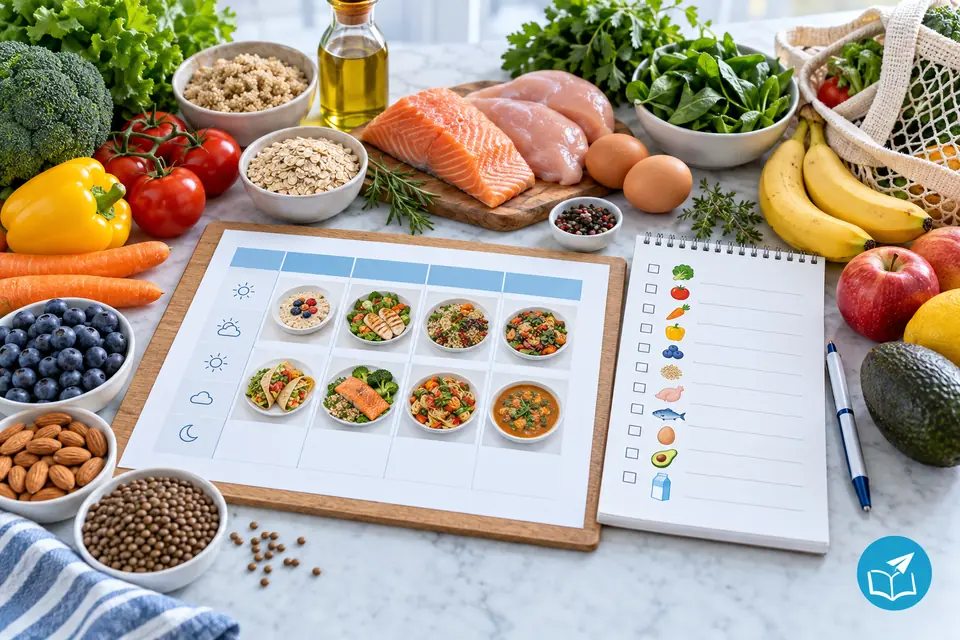
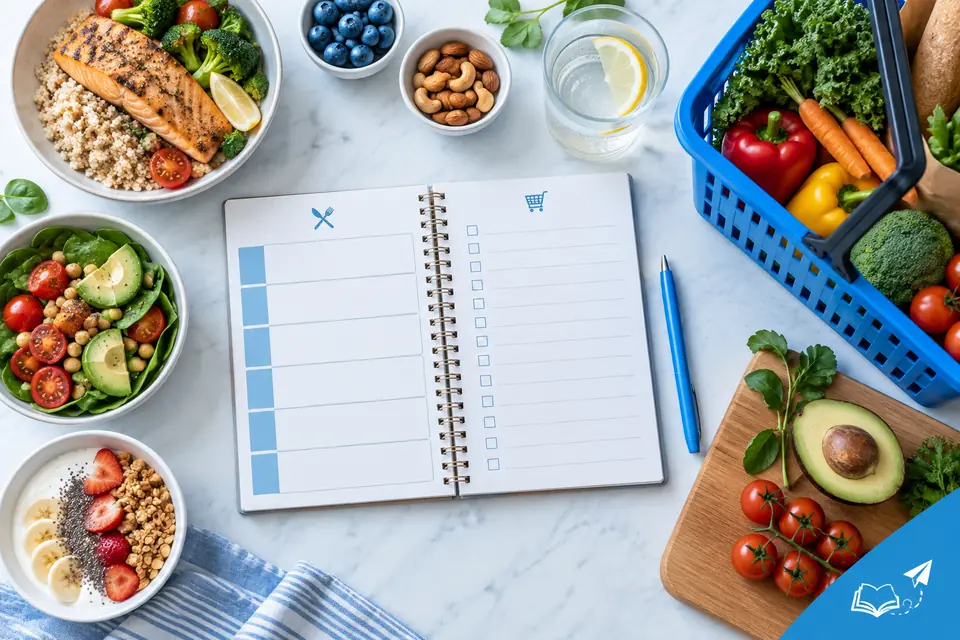
Your meal plan looks great on paper. Then the shop turns into chaos. So how do you create a healthy grocery list from a meal plan? The answer is simpler than it seems.
Rather than wandering the aisles guessing, let your plan lead. Each meal points to clear ingredients. You buy with real purpose. A good list works like a compass. It supports what a balanced diet looks like.
Here is the honest answer. Read each meal and list its ingredients. Check your kitchen and cross off what you own. Group the rest by store section. Add healthy staples like produce and protein. Then shop once with your finished list. This is not medical advice. See a professional.
This guide covers building a grocery list in plain steps. You will learn how to turn meals into items. We will compare a plan list and a random list. Many tips link back to a simple, steady routine.
So how do you create a healthy grocery list from a meal plan?
The honest answer starts with your finished plan. You read each meal in turn. You write down every ingredient. Your plan becomes a shopping guide.
Think of the list as a bridge. It connects your plan to your cart. You never wander without purpose. That clarity removes shopping stress. A rough list still beats no list.
Do you need a fancy app for this? Not at all, and that is a relief. A notepad or phone works fine. Your plan already holds the answers. A simple list is a great start.
Why a plan-based list beats guessing
A plan-based list removes shopping guesswork. You stop grabbing random items. Impulse buys fade into the background.
Shopping from a plan brings real benefits. It trims waste and cuts extra trips. Your grocery bill often shrinks too. A list supports steadier, healthier eating. Fewer junk buys sneak into the cart.
Leaning on a list feels calming. You decide once, then simply shop. No aimless wandering or rushed choices. Every trip gains a clear focus. A written list does quiet work. Your future self thanks the effort.
Did you know?
Shoppers with a list tend to buy fewer impulse items. A plan-based list can also shrink food waste at home.
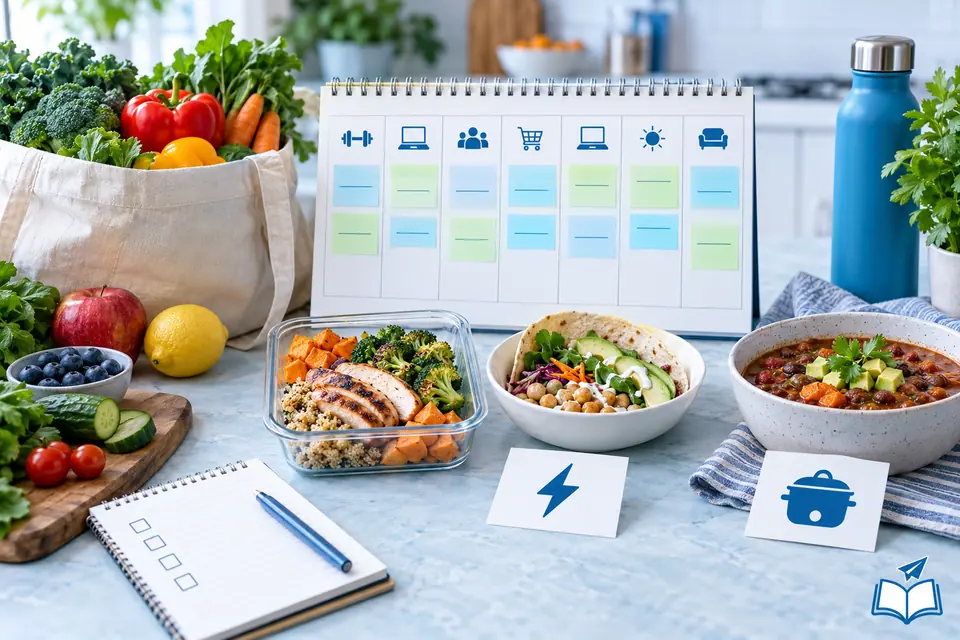
Start with your finished meal plan
Good lists begin with a solid plan. Look at every meal you chose. Note the ingredients each one needs.
Read recipes slowly and carefully. Write down every item you spot. Miss nothing, from spices to sides. This step forms your raw list. A careful read prevents forgotten items.
Include breakfast, lunch, dinner, and snacks. Do not plan only your dinners. Small meals need ingredients too. See the weekly meal plan steps for structure. A full plan builds a complete list.
Turn each meal into ingredients
Now break every meal into parts. A stir fry means several items. List each one on its own.
Think about quantities as you write. One meal may need two onions. Another might need a single lemon. Rough amounts help you buy right. Clear quantities prevent over buying.
Combine repeated items across meals. Three recipes may all use garlic. Add the total in one line. This keeps your list tidy. One entry covers many meals.
Check your kitchen before you shop
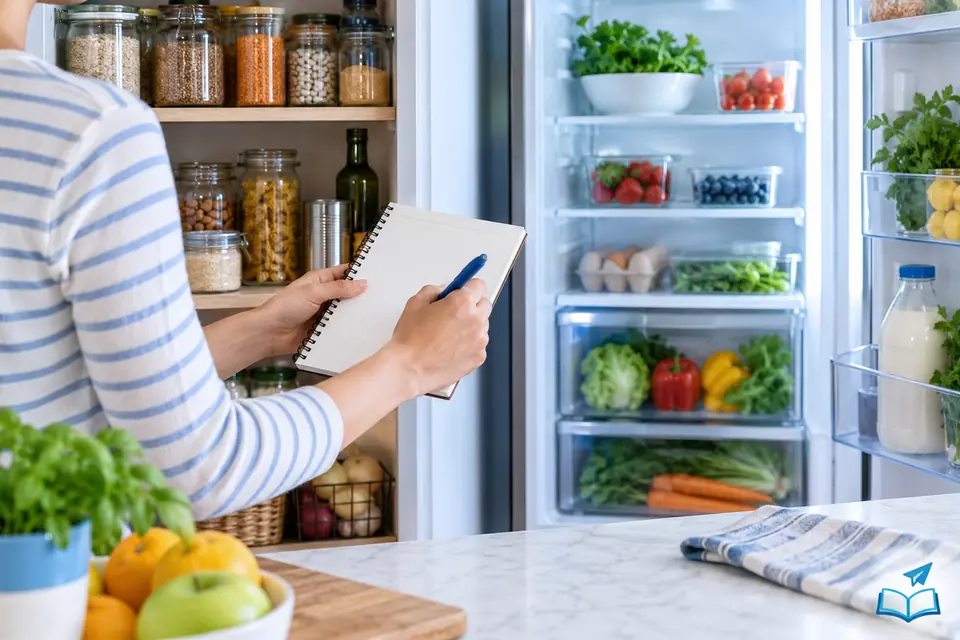
Before buying, check what you already own. Open the fridge and the cupboards. See what needs using soon.
Many pantries hold forgotten staples. Rice, pasta, and beans wait quietly. Cross these off your raw list. This trims waste and saves money.
Note items close to their date. Plan those into early meals. Fresh produce should go first. A little stock check pays off.
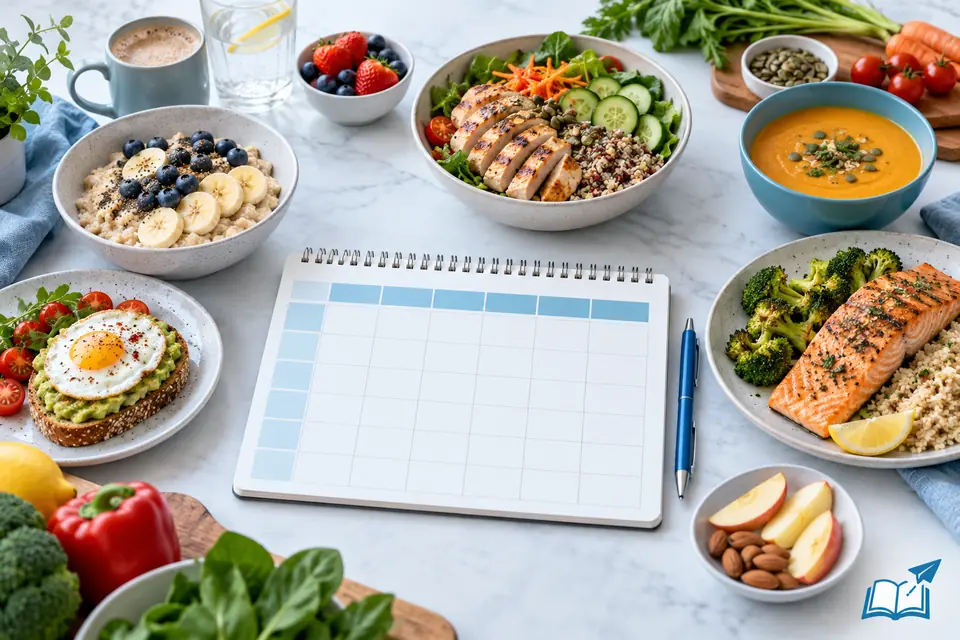
Add healthy staples on purpose
A healthy list needs more than recipes. Build it around whole foods. Choose items that nourish you.
Fill your list with plenty of vegetables. Add fruit, whole grains, and lean protein. See the best vegetables to eat for value. Colourful produce keeps meals balanced.
Include good protein sources too. Beans, eggs, fish, and lean meat work well. Try foods naturally high in protein for ideas. These items keep you full longer.

Group items by store section
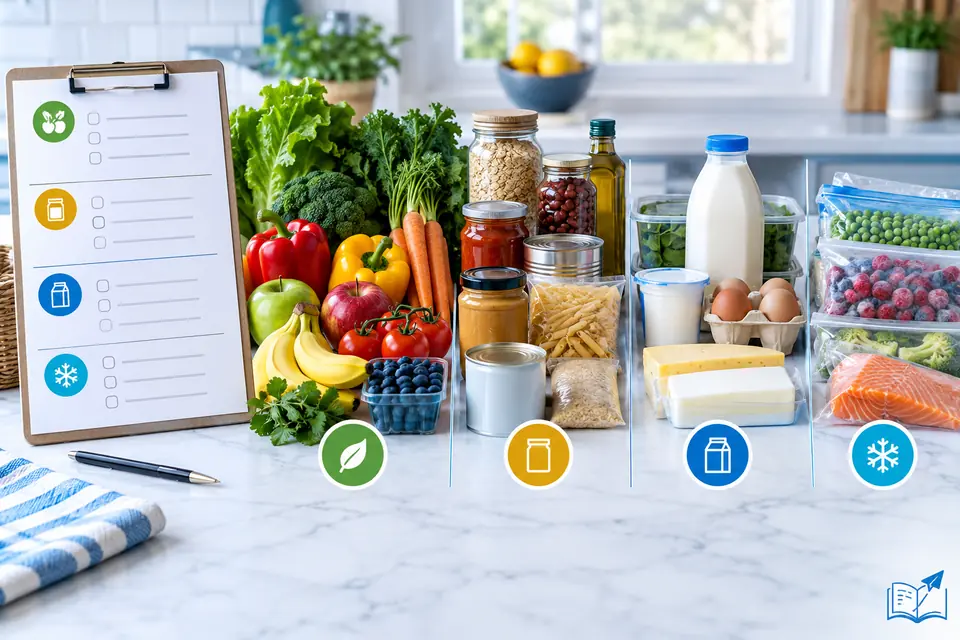
A tidy list follows the store layout. Group items by their aisle. You then shop in one smooth loop.
Put produce together in one block. Group dairy, grains, and frozen foods. Keep pantry items in their own list. This order matches the store.
You stop crossing the shop twice. No forgotten aisle sends you back. Each section gets one visit. Time and stress both drop. A clear order keeps you moving.
Keep the list healthy, not just full
A long list is not always healthy. Balance the cart with care. Quality matters as much as quantity.
Lean toward whole, simple ingredients. Limit heavily processed snack foods. Read labels when you feel unsure. A little care shapes better meals. Healthy choices start on the list.
Leave room for a few treats too. Balance beats strict rules here. A rigid list rarely lasts long. Enjoy food while eating well.
Comparing a plan list and a random list
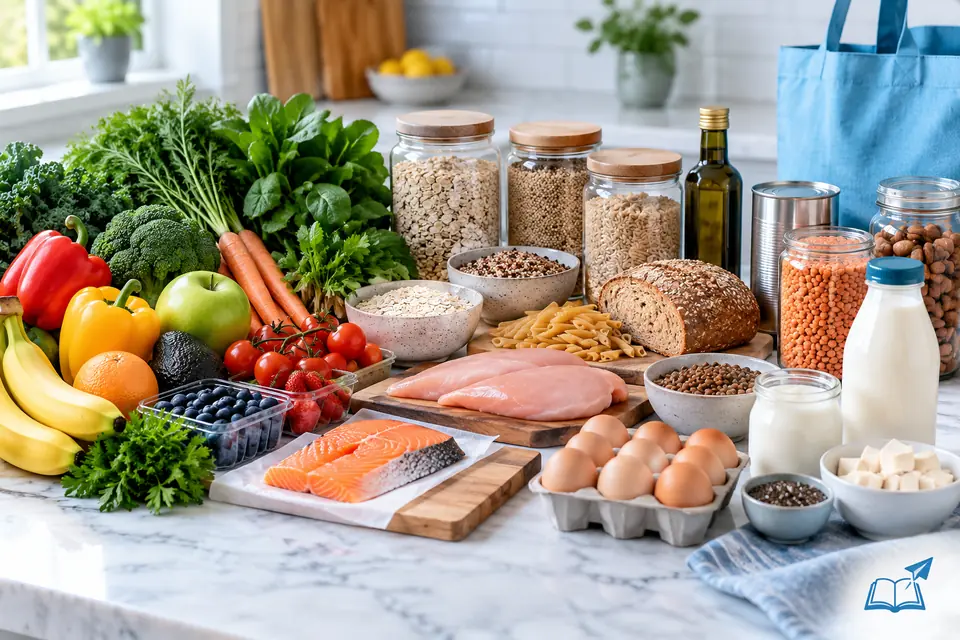
People often shop without any plan. The honest comparison is planned versus random. Each approach gives clear results.
| Plan-based list | Random shopping |
|---|---|
| Buys only what meals need | Buys on impulse and mood |
| Cuts waste and saves money | Often leads to forgotten food |
| Supports balanced, healthy meals | Leans on quick, easy grabs |
| One focused trip each week | Many small, costly trips |
You do not have to be perfect. Even a rough list helps a lot. Plan the bulk of your shop. Leave a little room to adjust.
Shop your list to save money
A plan-based list naturally saves money. You buy only what you need. Waste and impulse buys drop.
Build meals around cheaper staples. Beans, rice, and eggs stretch far. Seasonal produce often costs less. See how meal planning saves money over time. Smart choices keep the bill low.
Stick closely to your written list. Skip the tempting end displays. A focused trip protects your budget. Little habits add up nicely. Planning turns pennies into savings. A tight list guards your wallet.
Handle fresh produce carefully
Fresh produce needs a little thought. It spoils faster than dry goods. Plan to use it early.
Buy only what your week needs. Too much produce often rots. Match amounts to your real meals. Store leafy greens with care. Smart buying keeps produce fresh.
Slot fresh items into early meals. Save hardier vegetables for later days. Carrots and cabbage keep well. A little order cuts waste.
Set a rough budget before you shop
A budget keeps your list grounded. Decide roughly what you can spend. Then shape the list to fit.
Prices vary across different stores. A budget helps you compare choices. Swap costly items for cheaper ones. Beans can replace pricier meat. A little planning protects your money.
Check the total as you build the list. Trim extras if it climbs too high. Keep staples and drop treats first. A budget guides honest choices.
Read labels to shop smarter
Labels reveal what you really buy. A quick read guides better choices. You learn what sits inside each item.
Scan for added sugar and salt. Compare two similar products briefly. Choose the simpler ingredient list often. This habit sharpens your shopping. Labels turn guessing into knowing.
You do not need to study everything. A short glance is usually enough. Focus on the foods you buy often. Small checks build better habits.
Keep a running list all week
A list does not start on shopping day. Keep one going all week long. Add items the moment you run low.
Stick a note on the fridge. Jot down staples as they finish. Your phone works just as well. Nothing gets forgotten this way.
By shopping day, most work is done. You simply add the fresh items. The list feels almost effortless. Small notes save real stress.
Common myths about grocery lists
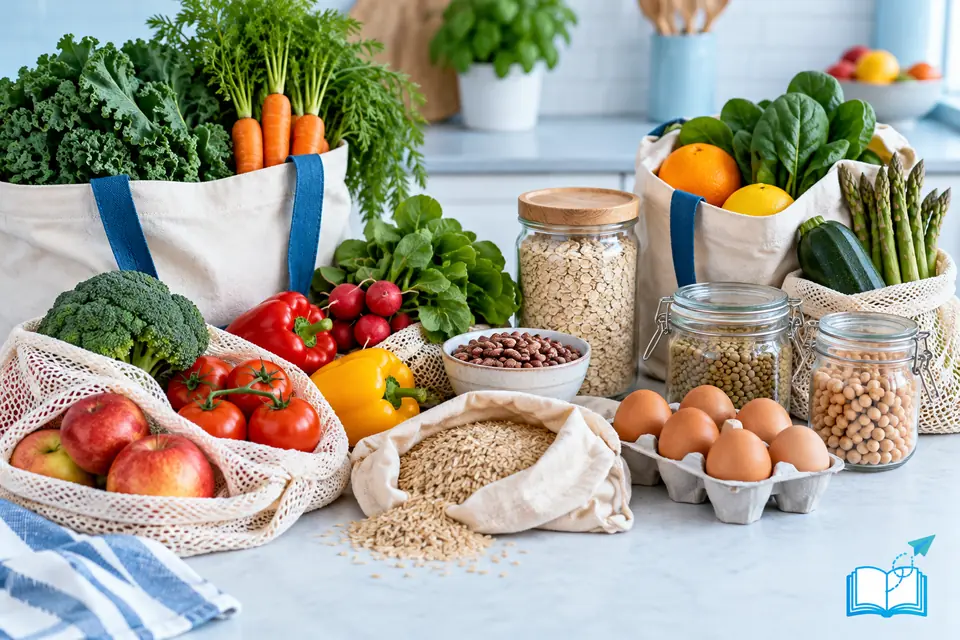
One myth says lists take too long. A short session is usually enough. Your plan does most of the work.
Another myth claims lists feel restrictive. In truth, a list frees your mind. You stop deciding on the spot. The habit soon feels light. A list adds calm, not rules.
Some think healthy shopping costs more. Simple staples are often cheap. Beans and grains stretch far. A smart list keeps costs low.
Common mistakes people make
One common mistake is shopping while hungry. Everything looks tempting then. Eat first, then shop calmly.
Another mistake is skipping the kitchen check. You rebuy things you already own. Duplicates waste money fast. Always scan your shelves first. A quick check saves cash.
Some people ignore their own list. They grab extras on a whim. Impulse buys and gaps follow. Trust the list you made. A steady habit protects the week. Small discipline pays off.
Who might need tailored advice
General list building suits many healthy adults. Still, some people have special needs. Certain conditions change the picture.
Some diets limit salt or sugar closely. Certain foods may need care then. Your doctor knows your situation best. Allergies also shape your safe choices.
This is not medical advice. See a professional for your personal needs. Use these list ideas as a friendly guide. A short chat can prevent bigger problems.
A grocery list and a balanced diet
A good list supports steady eating. It helps you spread nutrients out. Balance grows easier to see.
Fill the cart with vegetables and protein. Add whole grains and some fruit. No single item carries the week. Variety across the list matters most.
Treat the list as a gentle framework. Adjust it as your plan shifts. Pair produce with protein and grains. This mix keeps meals rounded. A simple list does the heavy lifting. Good habits compound quietly over weeks.
Frequently asked questions
How do you create a healthy grocery list from a meal plan?
Read each meal and list its ingredients. Check your kitchen, then group items by section.
Should I check my kitchen first?
Yes, scan your fridge and cupboards before shopping. Cross off anything you already own.
How do I keep the list healthy?
Build it around vegetables, fruit, and protein. Limit heavily processed snack foods.
How should I organise the list?
Group items by store section or aisle. This helps you shop in one loop.
Can a list save me money?
Yes, you buy only what meals need. Waste and impulse buys usually drop.
What about fresh produce?
Buy only what your week needs. Use delicate greens early to cut waste.
Do I need a special app?
No, a notepad or phone works fine. Keep the tools simple and handy.
How do I avoid impulse buys?
Shop after eating and stick to your list. Skip the tempting end displays.
Should I plan snacks too?
Yes, snacks need ingredients like meals do. Add healthy options to the list.
How often should I make a list?
Most people make one each week. Match it to your shopping routine.
The bottom line
Let us recap the whole simple process. Read each meal and list its ingredients. Check your kitchen and group items by section. Add healthy staples like produce and protein. Then shop once with your finished list.
A plan-based list saves time and money. It trims waste and eases shopping stress. Healthy staples keep your meals balanced. Small weekly steps truly add up over time.
For more background, read this overview of a shopping list as a tool. You can also explore the idea of a grocery store shopping trip. Use trusted sources to guide your routine.
This is not medical advice. See a professional for your personal needs. Build one list today. Then refine it slowly from there. Your future self will thank you.