
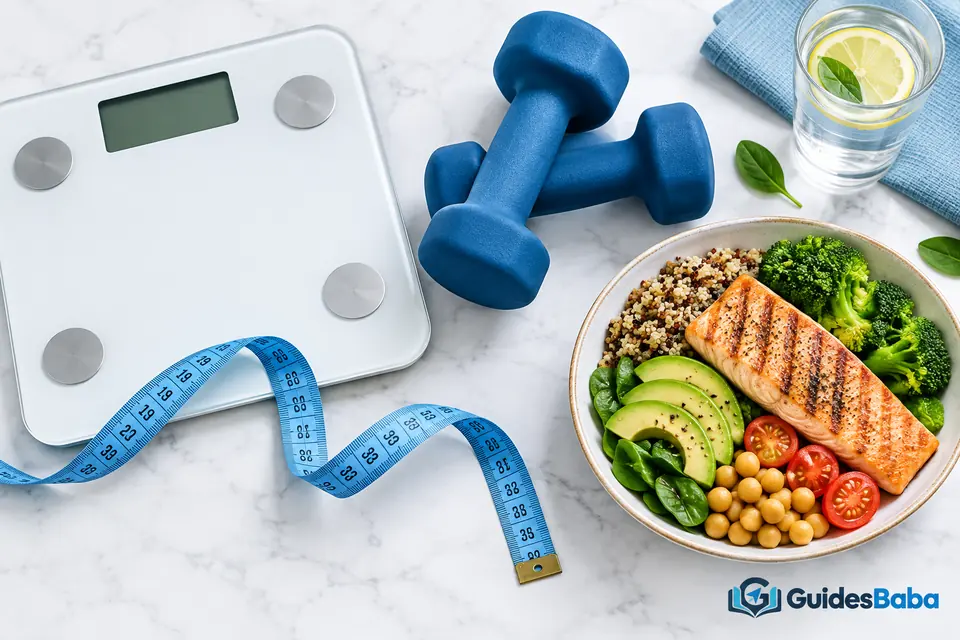
The scale gives one number and stays quiet. It never explains what that number holds. So what is the difference between body weight and body composition? One counts everything, the other looks inside.
Rather than trusting weight alone, look deeper. Two people can weigh exactly the same. Yet their bodies can look and work differently. Composition explains that hidden gap clearly. This wider view tells a fuller story.
Here is the honest answer. Body weight is your total mass on the scale. Body composition breaks that mass into parts. It splits fat, muscle, bone, and water. Two equal weights can hold very different shares. Composition often matters more than the raw number.
This guide covers what each term really means. You will learn why composition adds useful detail. We compare weight and composition side by side. This is not medical advice. See a professional.
So what is the difference between them?

Body weight is simply your total mass. The scale adds every part together at once. It cannot separate muscle from fat.
Think of weight like a full shopping bag. The bag shows one total weight only. It hides what sits inside the bag. Composition unpacks and names each item.
Does the scale ever mislead people? It can, and quite often too. A muscular person may weigh a lot. That weight can look healthy on closer study. The inside view changes the meaning.
What body weight actually measures
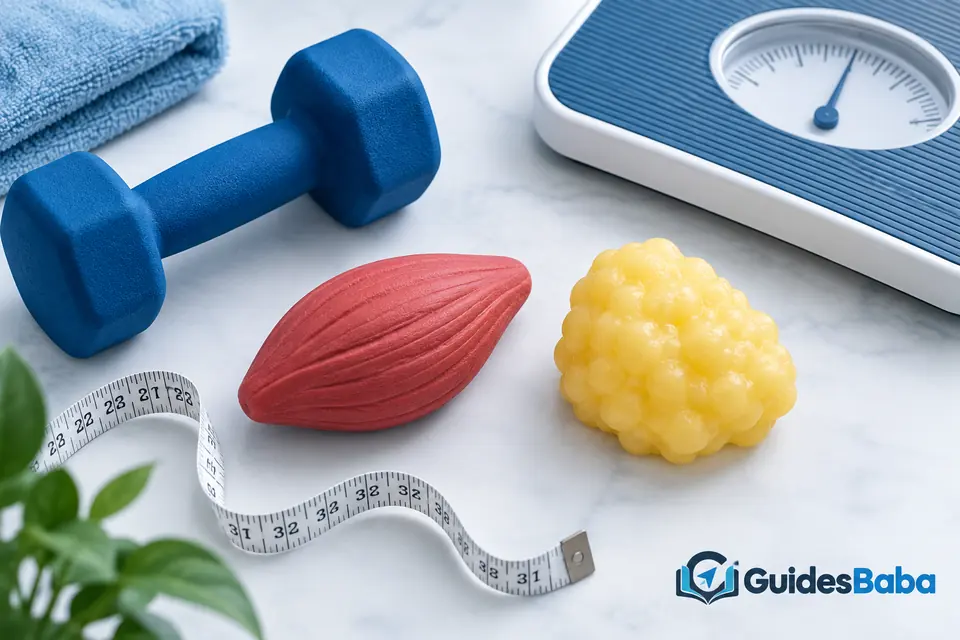
Body weight measures the pull of gravity on you. It sums muscle, fat, bone, organs, and water. Everything counts as one single figure.
This makes weight simple and easy to track. You step on a scale and read it. No special tools or training are needed. That simplicity is its main strength. It gives a quick, repeatable signal.
Yet simplicity comes with a real limit. Weight cannot tell you what changed inside. A gain could be muscle, fat, or water. The number alone stays silent on that. Context gives it meaning.
Did you know?
Muscle is denser than fat, so it takes up less space. Two people at the same weight can look very different.
What body composition actually measures
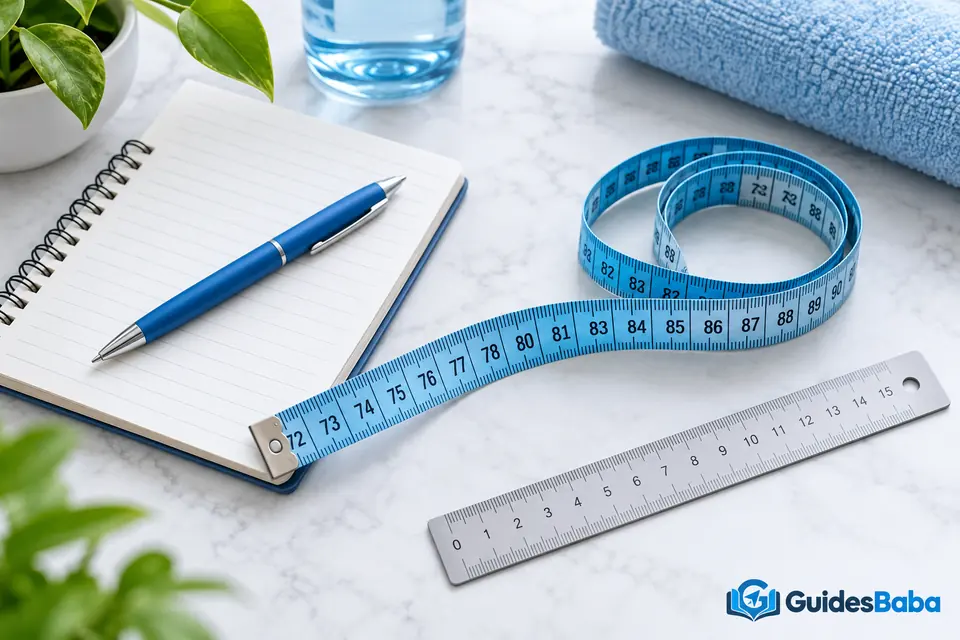
Body composition splits your weight into parts. It shows how much is fat and muscle. It also counts bone and water.
This view answers questions the scale cannot. It reveals whether a change was fat or muscle. That detail guides smarter, calmer decisions. It paints a fuller health picture. Numbers gain real meaning here.
Composition often tracks with how you feel. Strength, energy, and shape link to it. The scale may miss these quiet wins. A leaner, stronger body can weigh the same. Progress hides inside the number.
Why two people at the same weight differ

Imagine two people at identical weights. One may carry more muscle than the other. Their bodies still look quite different.
Muscle is compact and takes little room. Fat is lighter but fills more space. So a muscular person often looks leaner. Same weight can mean two very different shapes. Composition explains that mystery neatly.
This is why weight alone can mislead. It ignores the balance of your tissues. A single number flattens a rich picture. Looking inside restores the detail. The scale is only a starting point.
The main parts of body composition

Your body is a blend of several tissues. Each part plays its own important role. Together they make up your total weight.
Muscle powers movement and supports your joints. Fat stores energy and protects your organs. Bone gives your frame its strength. Water fills your cells and blood. All these essential nutrients and tissues matter.
Some fat is vital for good health. Your body needs a base level to function. The goal is balance, not zero fat. Healthy composition respects every part. Extremes rarely serve you well.
How muscle affects your weight and shape
Muscle is active, dense, and hard working. It burns energy even while you rest. Building it can nudge the scale up.
That upward move is not a bad sign. More muscle often means a firmer shape. It supports strength and daily function. Protein helps your body build and keep it. Try these foods naturally high in protein for support.
Losing fat while gaining muscle is common. The scale may barely move during this. Yet your shape and strength improve. Composition captures what weight misses. Look beyond the flat number.
How fat fits into a healthy body
Fat has a poor reputation it does not deserve. In truth, your body genuinely needs it. Fat is far from the enemy.
It cushions organs and stores spare energy. It also helps carry certain vitamins. Some fat keeps your hormones working well. Dietary fat plays a real role too. Learn how dietary fat serves your body.
Balance is the key idea with fat. Too little can harm your health badly. Too much can raise certain risks. A healthy middle serves you best. Aim for balance, not extremes.

Why water shifts your weight daily
Water makes up much of your body. It moves in and out through the day. That flow shifts your weight often.
A salty meal can hold extra water briefly. Hard exercise can lower it through sweat. These swings are water, not fat change. They explain many confusing scale jumps. Read them calmly and move on.
Composition tools try to account for water. Even so, hydration affects their readings. Take single numbers with gentle caution. Trends over time tell the truer story. Patience helps here too.
Ways people measure body composition
Several tools estimate body composition today. Each has its own strengths and limits. None is perfect, yet all can help.
Some devices send a tiny safe current through you. Others use calipers to pinch skin folds. Special scans give more detailed readings. Simple tape measurements also offer clues. Each method suits a different need.
Home tools give rough but useful trends. They work best when used the same way. Consistency matters more than precision. Watch the direction, not the decimal.
Body weight versus body composition
People often ask which measure matters more. The clear comparison is total weight versus composition. Each answers a different question.
| Body weight | Body composition |
|---|---|
| One total number | A breakdown of parts |
| Quick and easy to check | Needs special tools or methods |
| Cannot split fat and muscle | Separates fat, muscle, and water |
| Misses hidden changes | Shows the fuller picture |
Both measures have a useful place. Composition adds the deeper detail. Use them together for balance.
Why composition can guide better goals
Goals built on composition feel wiser. They aim for strength and health, not just numbers. That focus tends to last longer.
You might aim to build a little muscle. Or you might target gentle fat loss. These goals respect your whole body. They avoid the trap of the scale alone. Direction beats a single figure.
Such goals also protect your mindset. The scale becomes one clue among many. That balance keeps motivation healthy.
How food supports healthy composition
What you eat shapes your composition slowly. Protein helps you build and keep muscle. Whole foods steady your energy well.
Fibre and protein help you feel full. That makes gentle fat loss easier. Balanced plates support muscle and health together. A balanced diet underpins good composition. Food is a quiet foundation.
No single food changes composition overnight. Steady habits do the real work. Consistency shapes the long result.
How age changes body composition
Composition shifts naturally as the years pass. Muscle can slowly decline with age. Fat may creep up more easily.
This drift is normal, yet you can slow it. Regular movement helps protect your muscle. Enough protein supports that effort too. Small habits matter across a lifetime.
Weight can hold steady while muscle drops. Composition reveals what the number misses.
Common myths about weight and composition
One myth says the scale tells everything. In truth, it hides muscle and water. The number needs more context.
Another myth claims muscle weighs more than fat. A kilo of each weighs the same kilo. Muscle is simply denser and smaller. That is where the confusion begins. Density, not weight, is the real point.
Some believe less fat is always better. Your body needs a healthy base of fat. Extremes can harm your health. Balance beats chasing zero. Facts calm these worries.
Common mistakes people make
One common mistake is trusting only the scale. It hides muscle gain and water swings. That can crush motivation unfairly.
Another mistake is chasing daily composition readings. Home tools swing with hydration and timing. Weekly or monthly trends work better. Judge the direction, not one number. Patience protects your peace.
Some people fear the scale rising at all. Muscle gain can be a healthy reason. Look at the whole picture instead.
Who might need tailored guidance
General facts suit most healthy adults well. Still, some people need personal support. Certain situations change the picture.
Athletes, older adults, and some patients differ. Medical conditions can affect composition greatly. Your doctor understands your full history. Personal advice always beats general rules here.
This is not medical advice. See a professional for your own situation. Use these ideas as a friendly guide. A short chat can prevent bigger problems.
Bringing weight and composition together
You do not have to pick just one. Weight and composition work well as partners. Together they give a rounder view.
Use the scale for a quick, regular check. Use composition to understand the details. Photos and measurements fill the gaps too. This blend keeps you honest and calm. Many signals beat one number.
Above all, focus on how you feel. Energy and strength reflect real health. Let them guide you kindly.
Frequently asked questions
What is the difference between body weight and body composition?
Body weight is your total mass on the scale. Composition breaks that mass into fat, muscle, and water.
Which one matters more for health?
Composition often gives a fuller health picture. Still, weight is simple and useful to track.
Can two people weigh the same but look different?
Yes, because muscle is denser than fat. Different tissue balances create different shapes.
Does muscle really weigh more than fat?
A kilo of each weighs the same kilo. Muscle is simply denser and takes less space.
Why does my weight change during the day?
Water shifts your weight throughout the day. Meals, sweat, and hydration all play a part.
How is body composition measured?
Tools include smart scales, calipers, and scans. Each gives estimates with its own limits.
Are home composition scales accurate?
They give rough trends rather than exact figures. Use them the same way each time.
Is some body fat healthy?
Yes, your body needs a base level of fat. It protects organs and supports hormones.
Can I lose fat without losing weight?
Yes, if you gain muscle at the same time. The scale may barely move meanwhile.
Should I stop using the scale?
No, the scale is still a useful tool. Just pair it with other signals.
The bottom line
So what is the difference between body weight and body composition? Weight is your total mass in one number. Composition splits that mass into fat, muscle, bone, and water. Two equal weights can hide very different bodies. The inside view often tells the richer story.
Use both measures as partners, not rivals. The scale gives a quick daily check. Composition and photos add the deeper detail. Together they keep your goals grounded and kind.
For more background, read this overview of body composition as a topic. You can also explore how body fat works. Use trusted sources to guide your habits.
This is not medical advice. See a professional for your personal needs. Look beyond the scale with a calm mind. Then judge progress by the whole picture.