


Vitamins and minerals get lumped together all the time. They are like two peas in a pod. So what is the difference between vitamins and minerals? The answer is simpler than it sounds.
Rather than memorizing science, start with the big idea. Both are nutrients your body needs in small amounts. Yet they come from different places. They also behave in different ways. Together they support your daily essential nutrients.
Here is the honest answer. Vitamins are made by living things like plants. Minerals come from soil, rock, and water. Vitamins can break down with heat and light. Minerals stay stable and never break apart. This is not medical advice. See a professional.
This guide covers the difference in plain language. You will see where each one comes from. We will compare vitamins and minerals side by side. Many tips link back to a balanced diet.
So what is the difference between vitamins and minerals?
The honest answer comes down to origin. Vitamins are made by plants and animals. Minerals come from the earth itself. Plants pull minerals up from the soil. Then you eat the plants and gain both.
Think of vitamins as delicate and minerals as sturdy. Vitamins can fade with heat and time. Minerals stay solid no matter what. That difference shapes how you cook and store food.
Do you need to track each one closely? Not at all, and that is a relief. A varied diet supplies both groups. Simple whole foods carry them naturally. Your plate does most of the work. Balance beats obsessive counting every time.
What vitamins actually are
Vitamins are organic compounds made by living things. Plants, animals, and microbes produce them. Your body needs them in tiny amounts.
Because they are organic, vitamins can break down. Heat, air, and light can damage them. So gentle cooking helps protect them. Fresh food often holds more vitamins. Storage time slowly lowers them as well.
There are thirteen main vitamins in all. Each one has its own job. Some help energy, others support skin and eyes. A mix keeps the whole system running. No single vitamin can do it alone.
Did you know?
Minerals cannot be destroyed by cooking heat. They can, however, leak into cooking water and drain away.
What minerals actually are

Minerals are simple elements from the earth. They come from soil, rock, and water. Plants absorb them through their roots.
Because they are elements, minerals stay stable. Cooking cannot destroy them at all. They can, however, dissolve into water. So cooking water can carry them away. Saving that water keeps the minerals close.
Minerals split into two useful groups. Major minerals are needed in larger amounts. Trace minerals are needed in tiny amounts. Both groups matter for good health. Even a small shortfall can be felt.
Where each one comes from
Origin is the clearest difference of all. Vitamins are built by plants and animals. Minerals begin in the ground below.
A carrot makes its own vitamins as it grows. It also pulls minerals from the soil. So one food can carry both types. Nature bundles them together for you. This is why real food works so well.
This is why whole foods work so well. They deliver vitamins and minerals in one bite. See more on the most nutrient dense leafy greens. Variety spreads the sources widely.
How stable each nutrient is
Stability is another big difference. Vitamins are fragile and can break down. Minerals are tough and stay intact.
Boiling, air, and light can reduce vitamins. Long storage lowers them over time. Minerals shrug off heat completely. Only water loss removes them from food.
This shapes smart cooking habits. Steam vegetables to protect their vitamins. Reuse cooking water to keep minerals. Gentle methods guard both at once. A light touch pays off on your plate.

Fat soluble and water soluble vitamins

Vitamins split into two families. Some dissolve in fat, others in water. This changes how your body stores them.
Fat soluble vitamins include A, D, E, and K. Your body can store them for later. Water soluble vitamins include C and the B group. These leave the body more quickly.
This is why some vitamins need daily topping up. Water soluble ones do not linger long. Fat soluble ones build a small reserve. A mixed diet handles both easily. Eating a little fat helps the fat soluble ones.
Major minerals and trace minerals
Minerals also split into two groups. Major minerals are needed in bigger amounts. Trace minerals are needed in tiny amounts.
Calcium, potassium, and magnesium are major minerals. Iron, zinc, and iodine are trace minerals. Both groups are equally important. Small amounts can still matter greatly.
Do not confuse small with unimportant here. A trace mineral can have a huge role. Iron carries oxygen through your blood. Tiny amounts still change how you feel.
What jobs vitamins do
Vitamins act like helpers in the body. They support many everyday processes. Each one plays a focused role.
Some vitamins help turn food into energy. Others support skin, eyes, and healing. Vitamin C helps your body build tissue. B vitamins keep energy systems running.
No single vitamin does everything alone. They work together as a team. A varied diet keeps the team full. Missing one can slow the others down. Balance keeps the whole group effective.
What jobs minerals do
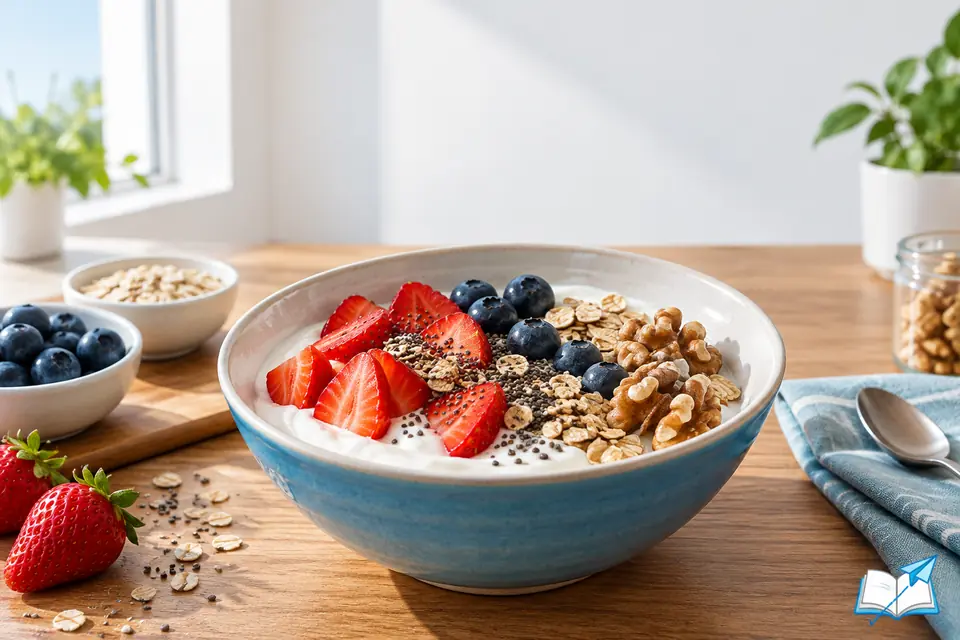
Minerals build and steady the body. Some form bones and teeth. Others help nerves and muscles work.
Calcium strengthens bones and teeth. Potassium helps muscles and nerves fire. Iron carries oxygen in the blood. Each mineral fills a clear role.
Like vitamins, minerals work as a team. Balance among them matters a lot. Too much of one can crowd another. A varied diet keeps them in check. Whole foods hold them in natural ratios.
Vitamins versus minerals at a glance
People often want a quick side by side view. The honest comparison lines up their key traits. Each column tells its own story.
| Vitamins | Minerals |
|---|---|
| Made by plants and animals | Come from soil, rock, and water |
| Organic compounds | Simple elements |
| Can break down with heat and light | Stable and cannot be destroyed |
| Grouped as fat or water soluble | Grouped as major or trace |
Both belong to the same nutrient family. They differ in origin and stability. Yet they share the same goal. Together they keep your body running well.
How your body absorbs each one
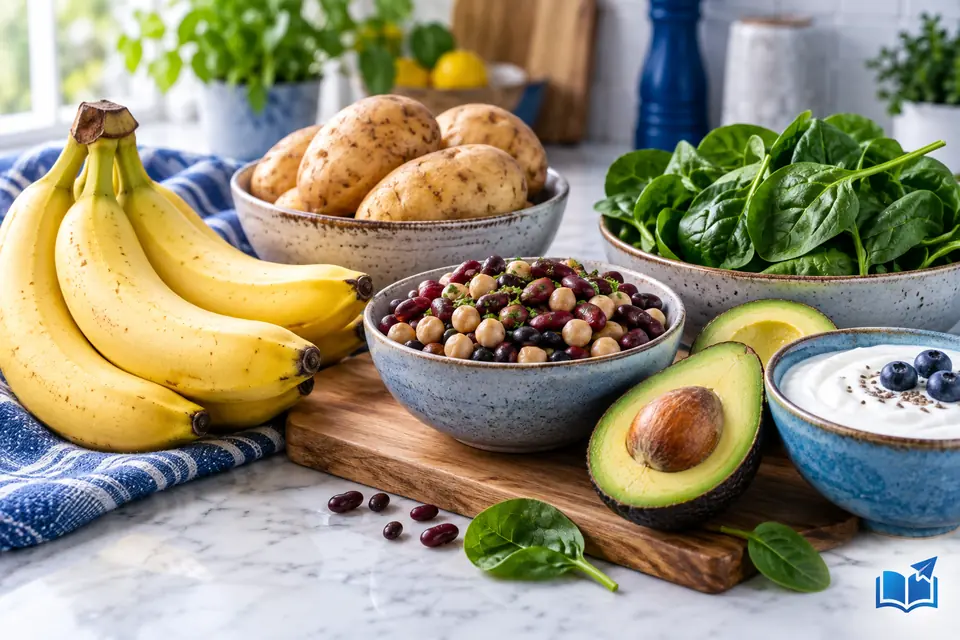
Absorption differs between the two groups. Some nutrients need helpers to get in. Others slip in on their own.
Fat soluble vitamins need dietary fat nearby. A little oil aids their uptake. Some minerals compete with each other. Too much of one can block another.
Whole foods often solve this naturally. They bundle nutrients in helpful pairs. This is why real food beats guesswork. Variety supports smooth absorption over time. Your body reads real food with ease.
Getting both from whole foods
Whole foods deliver vitamins and minerals together. One plate can cover many needs. Nature does the bundling for you.
Leafy greens carry both in one bite. Beans, nuts, and fruit do the same. Colorful plates spread the sources widely. See the best vegetables to eat often.
You do not need to plan every nutrient. A varied diet handles the details. Whole foods make the job easy. Balance beats chasing single nutrients. A colorful plate keeps things simple.
Do you need supplements for either?
People often ask about supplements next. Most healthy adults get enough from food. A varied diet usually covers both groups.
Some people do have real gaps. Certain diets or conditions raise the need. Then a supplement can help fill in. A professional can guide that choice.
Food should lead in almost every case. Supplements work best as a backup. More is not always better here. Ask before starting any new pill. A quick test can reveal a real gap.
Cooking to protect both nutrients
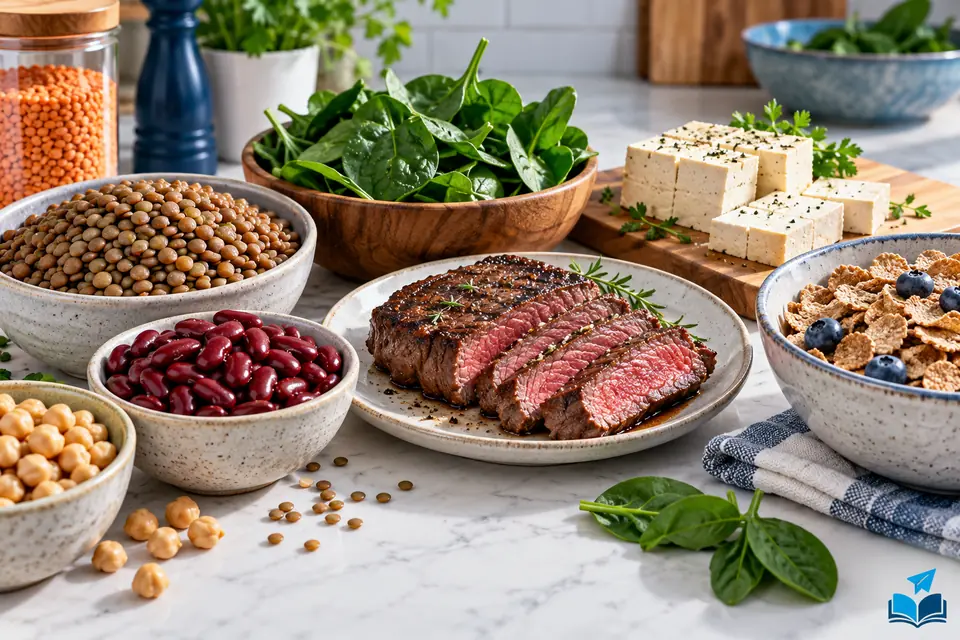
Cooking method affects vitamins and minerals differently. Vitamins can break down with heat. Minerals mostly leak into water.
Steam or roast to protect vitamins. Use less water to keep minerals in. Save cooking water for soups and sauces. Gentle methods guard both at once.
Cut vegetables just before cooking them. Long soaking can wash nutrients away. Quick, light cooking keeps more inside. Fresh produce starts you off well. A tight lid speeds cooking and saves nutrients.
Common myths about vitamins and minerals
One common myth says more is always better. Very high doses can cause harm. Balance matters more than big numbers.
Another myth treats supplements as magic. Pills cannot replace a whole diet. Food brings fiber and other benefits too. Whole foods still lead the way.
Some people think expensive means better. Price rarely reflects real nutrient value. Simple foods often win easily. Let real food guide your choices. Humble staples can outshine costly powders.
Common mistakes people make
One common mistake is over boiling vegetables. Long boiling drains vitamins and minerals. Gentle cooking keeps more on your plate.
Another mistake is relying only on pills. Whole foods bring far more value. Food should lead, with supplements as backup.
Some people also ignore variety completely. Eating the same foods narrows your intake. A colorful plate covers more nutrients. Mix up your meals across the week. New foods bring new vitamins and minerals.
Who might need tailored nutrient advice

General food ideas suit many healthy adults. Still, some people have special needs. Certain conditions change nutrient needs.
Pregnancy, age, and some diets raise demands. A few medicines affect nutrient levels too. Your doctor knows your situation best.
This is not medical advice. See a professional. Use these ideas as a friendly guide. Adjust them to fit your own body. A short chat can prevent bigger problems.
Frequently asked questions
What is the main difference between vitamins and minerals?
Vitamins are made by plants and animals. Minerals come from soil, rock, and water.
Are vitamins or minerals more important?
Both are equally important for your body. You need each group in small amounts.
Can cooking destroy minerals?
No, cooking cannot destroy minerals. They can leak into the cooking water though.
Why do vitamins break down so easily?
Vitamins are organic and rather fragile. Heat, air, and light can damage them.
What are examples of vitamins?
Vitamin C, vitamin D, and the B group. Vitamins A, E, and K count too.
What are examples of minerals?
Calcium, iron, potassium, and magnesium are common. Zinc and iodine are trace minerals.
Do I need supplements for both?
Most people get enough from a varied diet. A professional can advise on real gaps.
Are fat soluble vitamins stored in the body?
Yes, your body stores A, D, E, and K. Water soluble vitamins leave more quickly.
Can I get both from the same food?
Yes, many whole foods carry both. Leafy greens are a great example.
Does more of a nutrient mean better health?
No, balance matters more than big doses. Too much can sometimes cause harm.
The bottom line
So what is the difference between vitamins and minerals? Vitamins are made by living things. Minerals come from the earth. Vitamins can break down, while minerals stay stable. Both are nutrients your body truly needs.
Whole foods deliver both in one plate. Reach for real food before any pill. Variety keeps every meal interesting. Small daily habits truly add up over time. Eating more fruits and vegetables covers both groups.
For more background, see this overview of vitamins. You can also read about dietary minerals and their roles. Use trusted sources to guide your plate.
This is not medical advice. See a professional for your personal needs. Focus on whole foods first today. Then let variety do the rest. Your body will thank you.