
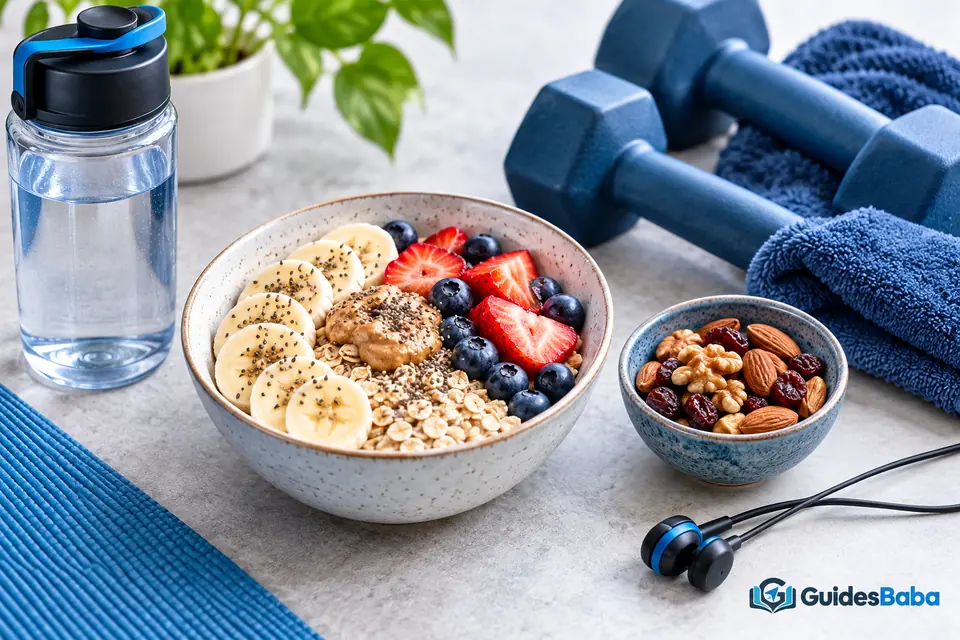
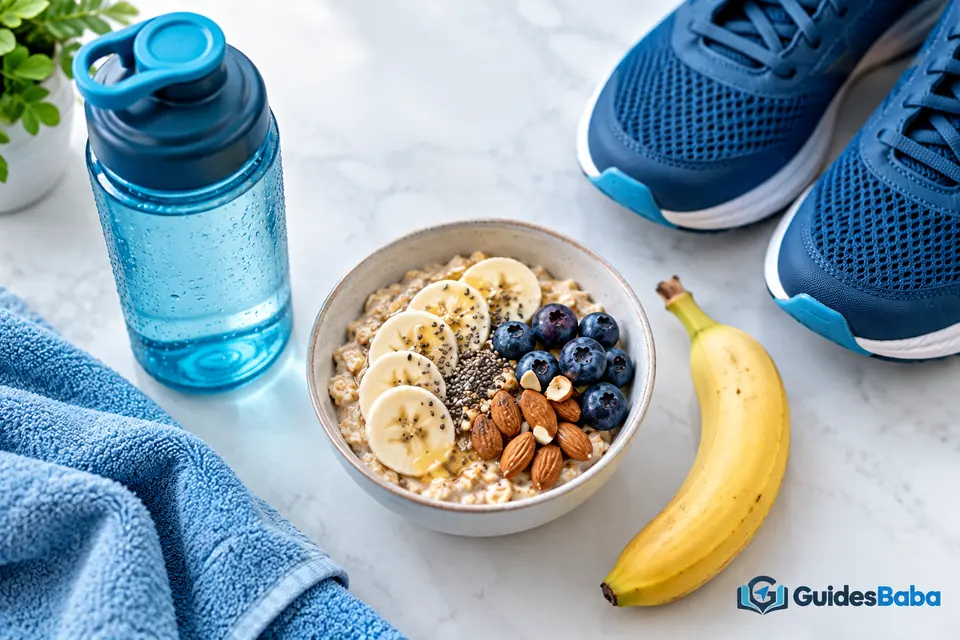
You lace up your shoes and feel unsure. Should you eat first or train empty? So what should you eat before a workout? The right fuel can lift your whole session.
Rather than guessing at the last minute, plan ahead. The best pre-workout food is simple. It gives energy without weighing you down. Timing matters as much as the food. A little thought goes a long way.
Here is the honest answer. Most people do well with easy carbs before exercise. A small amount of protein can help too. Keep fat and heavy fibre lighter beforehand. Give larger meals time to settle. A quick snack suits training that starts soon.
This guide covers what to eat and when. You will learn how to fuel different sessions. We compare quick snacks and full meals. This is not medical advice. See a professional.
So what should you eat before a workout?
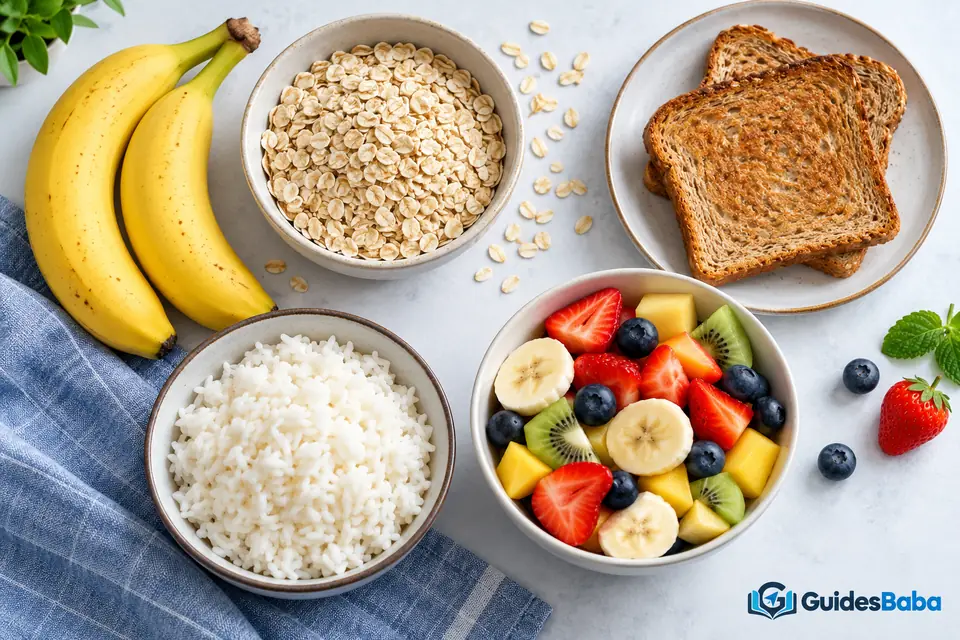
The honest answer centres on easy carbohydrates. Carbs give your muscles quick, ready energy. A little protein can support them.
Think of carbs as fuel in the tank. Your body burns them during effort. An empty tank can leave you flat. A gentle top-up keeps you going.
Do you always need to eat first? Not always, as it depends on the session. Short, light workouts may need nothing. Longer or harder efforts benefit from fuel. Match the food to the demand.
Why carbohydrates are the main fuel
Carbohydrates are your body’s favourite energy source. They break down into simple, usable fuel. Your muscles reach for them first.
During harder effort, carbs really shine. They power quick, intense movements well. Low fuel can leave you tired early. A small carb snack helps you push on. Good carbohydrate sources make a real difference.
You do not need a huge portion. A banana or some toast can work. The aim is easy, gentle energy. Too much food can sit heavily. Keep it light and simple.
Did you know?
Your muscles store carbs as glycogen for quick energy. A small pre-workout snack helps top up that store.
How protein helps before training
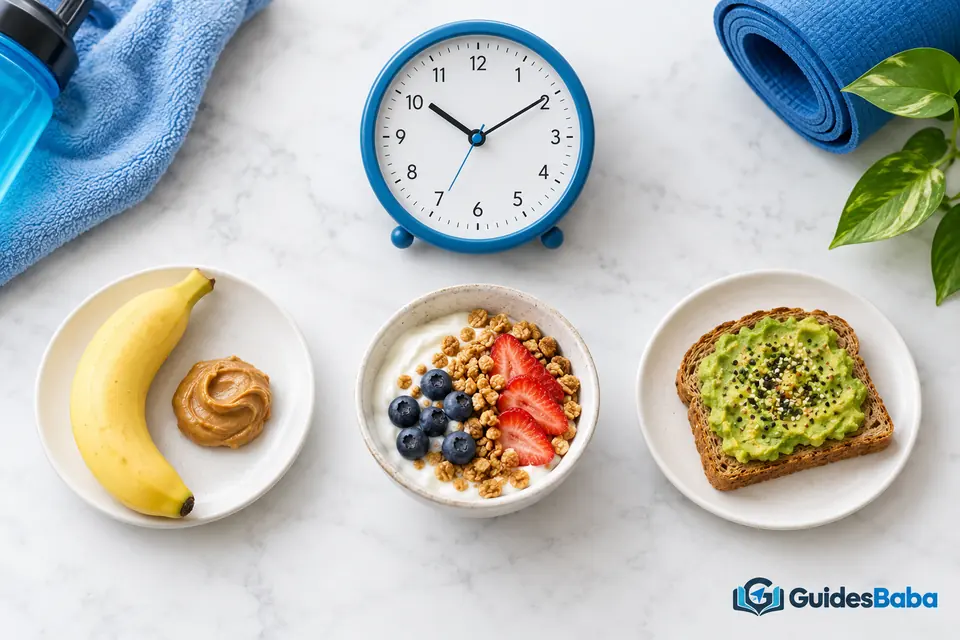
Protein plays a quieter supporting role here. It helps your muscles repair and grow. A little before training can help.
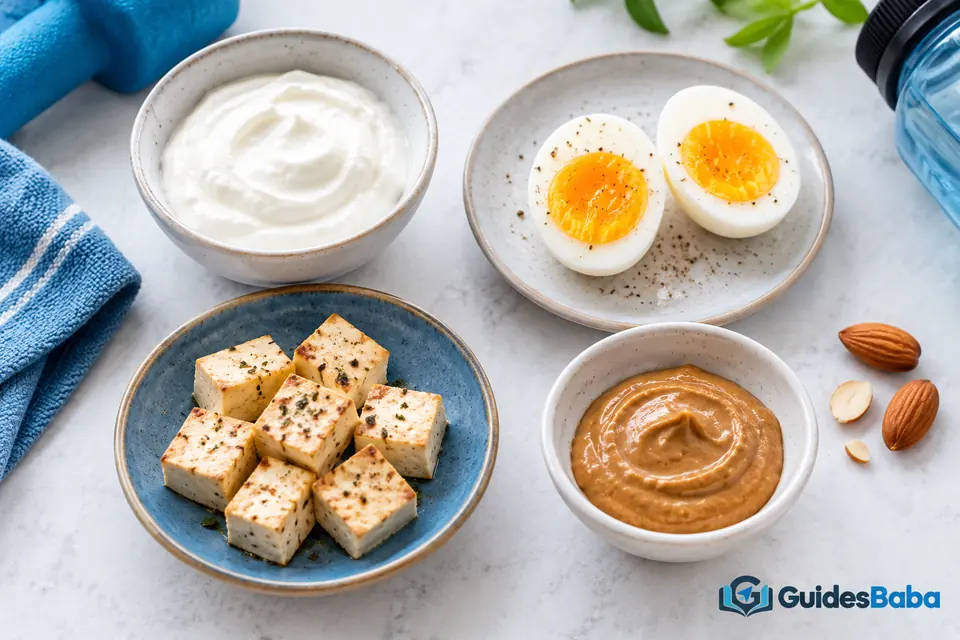
You do not need a large protein hit. A small serving alongside carbs works well. Think yoghurt, milk, or a few nuts. These high-protein foods support your muscles. Balance the two for best results.
Heavy protein alone can feel slow to digest. Pair a little with your carb source. That combination fuels and supports together. Keep the portion modest before moving. Comfort keeps you training well.
Why timing matters so much
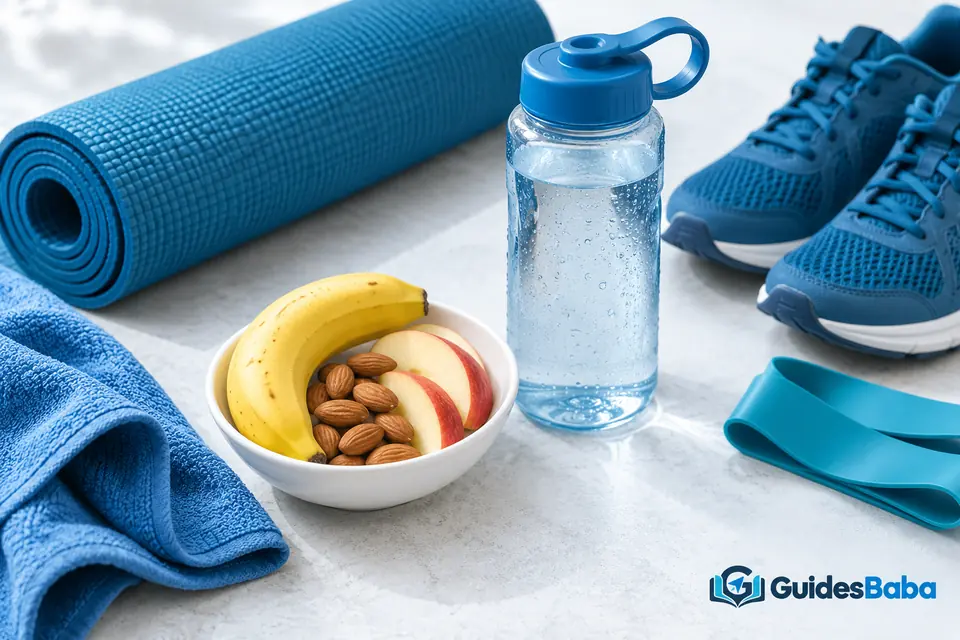
When you eat shapes how you feel. A big meal needs time to settle. A small snack can be closer to training.
Large meals suit two or three hours before. That gap lets digestion do its work. A light snack fits thirty to sixty minutes out. The closer you eat, the smaller the portion. Timing prevents that heavy feeling.
Everyone digests at a slightly different pace. Some handle food close to exercise easily. Others need a longer, calmer gap. Learn your own comfort window. Practice teaches you what works.
What to eat before a morning workout
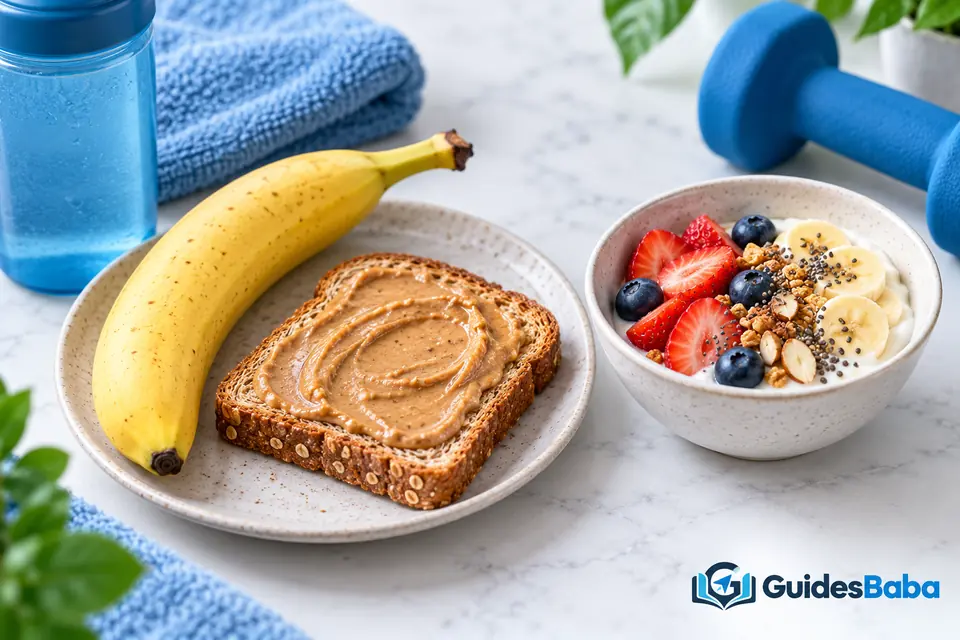
Morning sessions raise a common question. Should you eat before an early workout? The answer depends on the effort.
For a gentle jog, you may train fasted. Your body can manage short, easy efforts. For harder morning sessions, a small snack helps. A banana or toast gives quick fuel. Light and early works best.
If your stomach feels tender at dawn, keep it tiny. Even a few sips of juice help. A little fuel beats none for intensity. Test different options on calm days. Find what sits well for you.
What to eat before a long workout
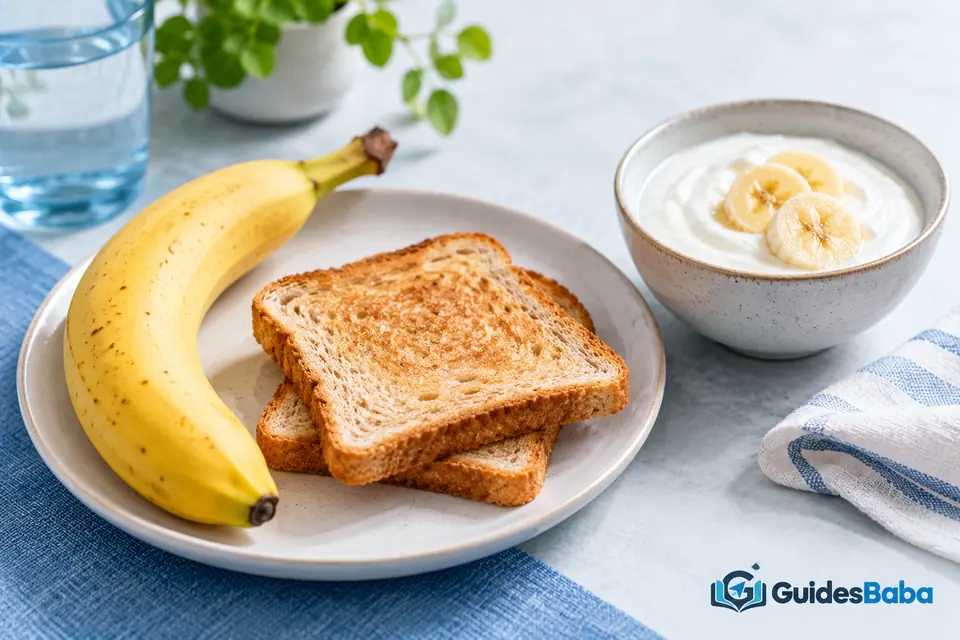
Longer sessions ask for steadier fuel. Endurance efforts drain your energy stores. A proper meal beforehand pays off.
Eat a balanced meal a few hours ahead. Include carbs, some protein, and gentle fibre. That mix gives lasting, even energy. A balanced diet supports your training well. Steady fuel carries you further.
For very long efforts, plan a top-up. A small snack partway can help. Easy carbs keep your energy from dipping. Listen to your body as you go. Fuel matches the distance.

Why hydration matters before exercise
Food is only half the fuel story. Water keeps your body working smoothly. Even mild thirst can slow you down.
Drink some water in the hours before. Top up again shortly before you start. You need not overdo it at once. Steady sipping beats a sudden flood. Learn how much water to drink each day.
Hot days and hard efforts raise your needs. Sweat pulls water and salts from you. Plan your drinks around the conditions. Good hydration supports strength and focus. Do not forget this simple step.
Why easy-to-digest foods win
Simple foods leave your stomach quickly. That frees your body to focus on effort. Heavy meals compete with your muscles.
Digestion uses energy and blood flow. A light snack keeps that demand small. You feel lighter and move more freely. Easy carbs suit this need perfectly. Comfort supports better performance.
Rich, greasy foods do the opposite. They linger and can cause cramps. Save them for well after training. Keep the pre-workout plate simple. Your body will thank you.
How pre-workout food affects performance
The right fuel can sharpen your session. It steadies energy and supports focus. You may push a little harder.
Running on empty can leave you flat. Your effort may fade before the end. A small snack helps maintain intensity. It keeps your mind sharp too. Fuel and focus go together.
Still, more food is not always better. Overeating can weigh you down instead. The goal is enough, not too much. Find your comfortable middle ground. Balance beats extremes here.
Balancing food with your goals
Your goals shape your pre-workout choices. A casual exerciser needs little planning. A serious trainer may fine-tune more.
Weight goals also affect your portions. You can fuel well without overeating. Choose quality carbs and modest servings. Whole foods support most goals nicely. Balance keeps you on track.
None of this needs to feel strict. A flexible approach works for most. Let your goals gently guide you.
Foods to avoid right before training
Some foods sit poorly close to exercise. Very fatty meals digest slowly and heavily. They can leave you sluggish.
Large amounts of fibre can also cause trouble. Big raw salads may upset your stomach. Spicy dishes can bring discomfort mid-session. Save these for after your workout. Timing keeps you comfortable.
Sugary drinks alone can spike then crash you. Pair sugar with some real food instead. Whole foods give steadier energy. Test your choices on easy days. Comfort guides good decisions.
Quick snack versus full meal
People often ask which option suits them. The clear comparison is a quick snack versus full meal. Each fits a different situation.
| Quick snack | Full meal |
|---|---|
| Eaten close to training | Eaten hours before |
| Mostly easy carbs | Carbs, protein, and fibre |
| Light and quick to digest | Needs time to settle |
| Good for short sessions | Good for long sessions |
Choose the snack when training starts soon. Choose the meal when you have time. Both can fuel a great session. Match the choice to your schedule.
Simple pre-workout snack ideas
Good pre-workout snacks are simple and light. They lean on easy carbs for energy. A little protein rounds them out.
A banana is a classic quick choice. Toast with a thin spread works well. Yoghurt with fruit is gentle and filling. A small handful of dried fruit helps too. These filling foods steady your energy.
Keep portions modest before you move. You want fuel, not a heavy stomach. Test a few options over time. Find the snacks your body loves. Simple beats fancy here.
How different workouts change your needs
Not every session needs the same fuel. A gentle stretch asks very little. A hard interval session asks more.
Strength training benefits from carbs and some protein. Endurance work leans heavily on carbs. Easy movement may need no snack at all. Match your fuel to the effort. The workout sets the menu.
Your goals also shape the choice. Building strength differs from casual fitness. Adjust portions to your training load. Personal needs always vary a little. Tune it to yourself.
Common mistakes before a workout
One common mistake is eating too much. A heavy meal can leave you sluggish. Lighter fuel usually feels better.
Another mistake is trying new foods on big days. Untested meals can upset your stomach. Always practice on calm training days. Surprises rarely help performance. Stick to what you trust.
Some people skip fuel and then fade. Others forget to drink any water. Both errors sap your energy fast. A little planning prevents them. Small habits protect your session.
Who might need tailored guidance
General advice suits most healthy adults well. Still, some people need personal care. Certain situations change the picture.
Athletes, diabetics, and some patients differ greatly. Blood sugar needs careful handling for some. Your doctor understands your full history. Personal advice always beats general rules here.
This is not medical advice. See a professional for your own situation. Use these ideas as a friendly guide. A short chat can prevent bigger problems.
Building a pre-workout routine
A steady routine takes the guesswork out. Pick a snack and timing that work. Repeat what leaves you feeling strong.
Note how each option makes you feel. Keep the winners and drop the rest. Adjust as your training changes. A simple routine saves daily thinking. Consistency builds real confidence.
Above all, listen to your own body. It signals hunger, fullness, and energy. These cues guide your best choices. Trust them over any strict rule.
Frequently asked questions
What should you eat before a workout?
Easy carbs suit most people before exercise. A little protein can support your muscles.
Should I work out on an empty stomach?
Short, gentle sessions may be fine fasted. Harder efforts usually benefit from a small snack.
How long before exercise should I eat?
Eat a full meal two to three hours before. A light snack fits closer to training.
What is a good quick pre-workout snack?
A banana or toast gives fast energy. Yoghurt with fruit works well too.
Do I need protein before a workout?
A small amount can support your muscles. Carbs remain the main energy source.
What foods should I avoid before training?
Avoid very fatty, spicy, or high-fibre meals. They can sit heavily during exercise.
What should I eat before a morning workout?
A small carb snack helps harder morning sessions. Gentle jogs may be fine fasted.
How much should I drink before exercise?
Sip water in the hours before training. Top up a little shortly before you start.
Can I eat a full meal before training?
Yes, if you allow a few hours. That gap lets your food settle.
Do sugary drinks work as fuel?
Sugar alone can spike then crash you. Pair it with real food instead.
The bottom line
So what should you eat before a workout? Easy carbs are the main fuel for most people. A little protein can support your muscles. Keep fat and heavy fibre lighter beforehand. Match the food and timing to your session.
Do not forget to drink some water too. Test your choices on calm training days. A quick snack suits sessions starting soon. A full meal fits when you have time.
For more background, read this overview of carbohydrates as a fuel. You can also explore how glycogen stores energy. Use trusted sources to guide your habits.
This is not medical advice. See a professional for your personal needs. Fuel your training in a way that feels good. Then enjoy a stronger, steadier session.