
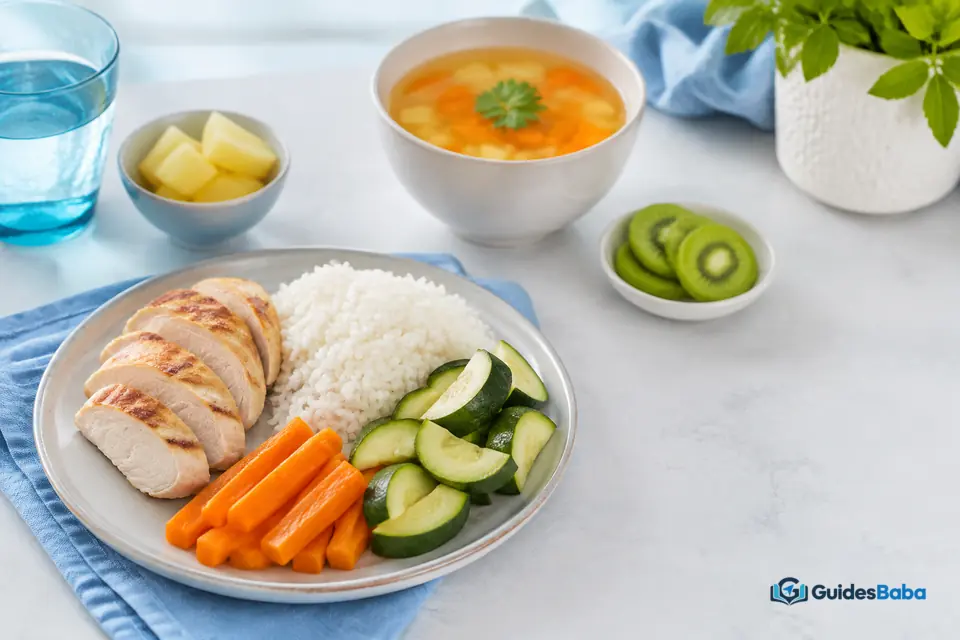
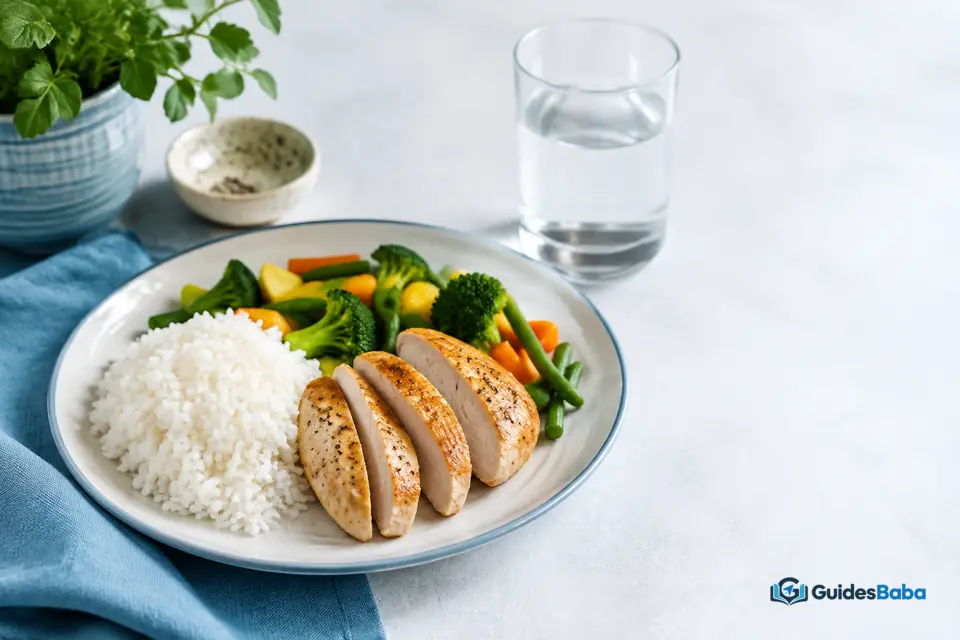
Living with IBS can feel like guesswork. So what should you eat if you have IBS? Can the right foods calm your gut? Small, steady choices often help most.
Rather than chasing a single cure, build habits. IBS reacts to food, routine, and stress. No one diet fits every person. Triggers differ from one gut to another. Finding your own pattern is key.
Here is the honest answer. Focus on regular meals and gentle foods. Choose fibre types that suit your gut. Stay well hydrated across the day. Track foods that seem to trigger symptoms. A dietitian can guide the details.
This guide covers helpful eating habits step by step. You will learn about fibre, triggers, and routine. We compare soluble and insoluble fibre. This is not medical advice. See a professional.
So what should you eat with IBS?
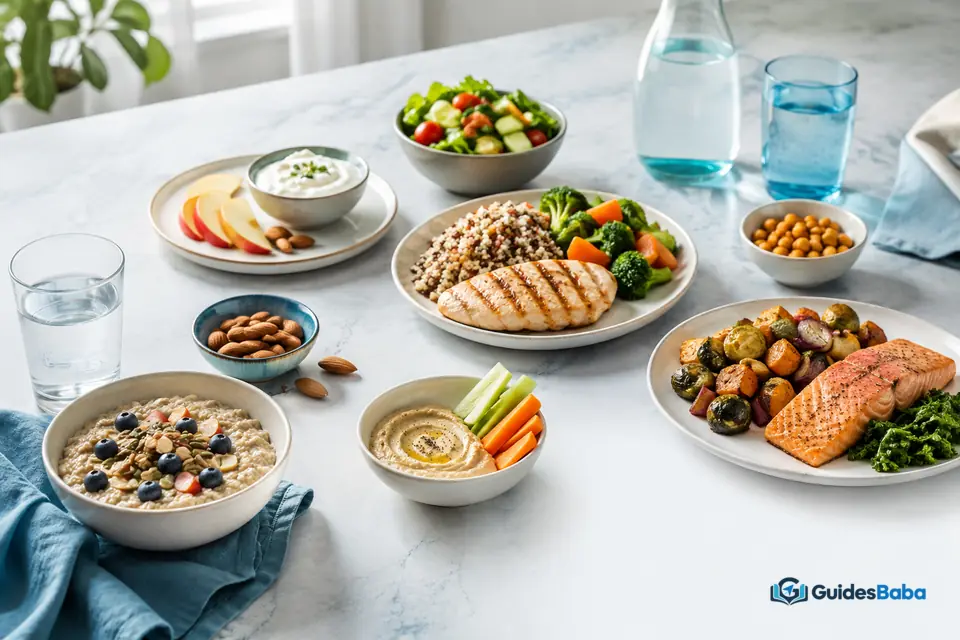
The honest answer starts with balance and routine. No single food fixes IBS for everyone. Steady habits usually help the most.
Think of your gut as sensitive soil. It responds to gentle, consistent care. Regular meals give it a rhythm. Suitable fibre and fluids nurture it. Harsh triggers disturb the balance.
Which single diet works for IBS? None fits every person perfectly. Your triggers may differ from others. Personal tracking reveals what suits you. Individual patterns matter more than rules. Your own gut tells the real story.
What IBS actually is
IBS is a common gut condition. It affects how the bowel works. Symptoms vary from person to person.
Some people face bloating and cramping. Others deal with constipation or looser stools. Many notice symptoms after certain meals. Stress can make things feel worse. The pattern is unique to each person.
You cannot see IBS on a scan easily. It is diagnosed by symptoms and history. A doctor rules out other causes first. Diet then becomes a useful tool. Professional guidance shapes the safest path. A calm, careful approach helps most.
Did you know?
IBS triggers are highly individual. A food that upsets one person may suit another perfectly well.
Why diet matters for IBS
Diet is a powerful IBS tool. Food directly affects the sensitive gut. Small changes can ease symptoms.
Certain foods may trigger bloating or cramps. Others feel gentle and settle well. Meal size and timing matter too. Fluids support smooth, comfortable digestion. Every piece works together here.
You can shape symptoms through daily choices. This gives you real, welcome control. Changes take patience to reveal effects. Give each adjustment fair time. Steady effort brings clearer answers. Daily choices shape how you feel.
The role of fibre
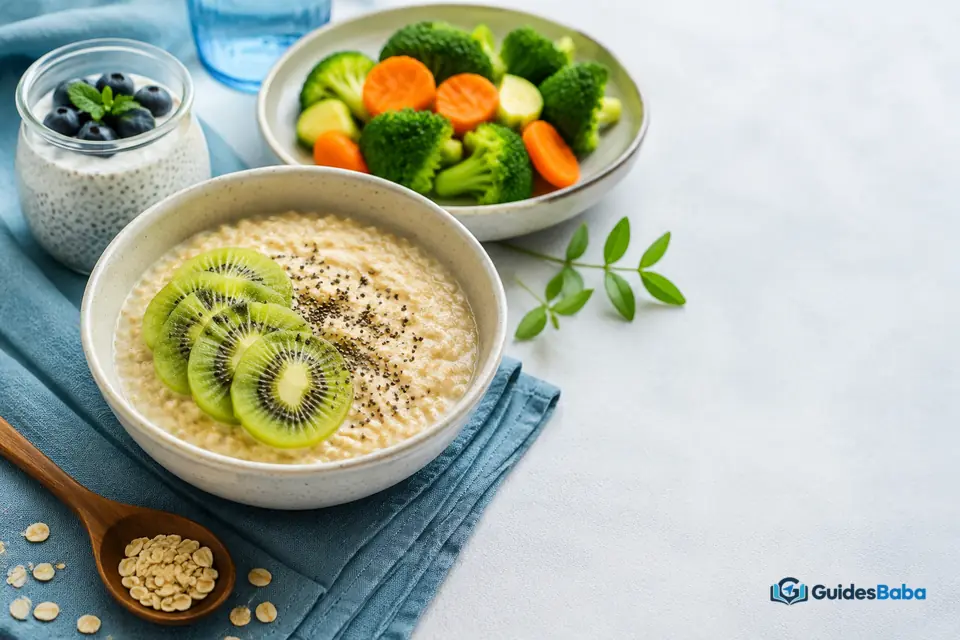
Fibre plays a big role in IBS. It can help or hinder symptoms. The type and amount both matter.
Soluble fibre often soothes the gut. It forms a soft, calming gel. Insoluble fibre can feel harsher for some. Slowly working to increase fibre in your diet helps. Gentle changes usually feel better.
You should adjust fibre carefully, not suddenly. A sharp jump can worsen symptoms. Raise or lower it in small steps. Notice how your gut responds. Personal balance guides the right amount. Gentle steps protect your comfort.
Understanding common triggers
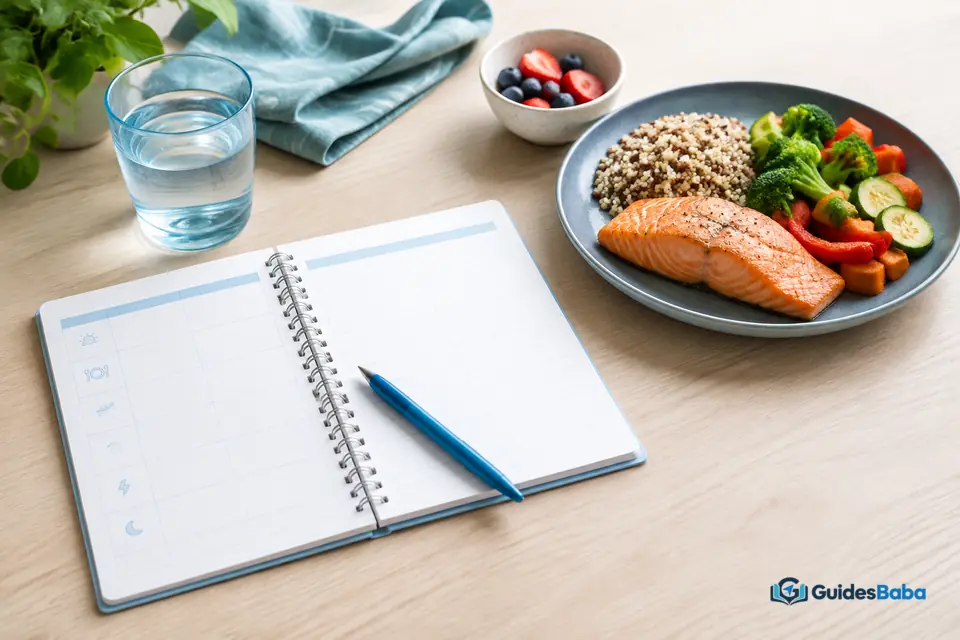
Many foods can trigger IBS symptoms. Triggers vary widely between people. Learning yours takes patient attention.
Fatty and fried foods bother many people. Very spicy meals can spark symptoms. Caffeine and alcohol affect some guts. Certain sugars and additives cause trouble. Personal reactions differ a great deal.
You can uncover triggers through careful notes. Change one thing at a time. Watch how symptoms rise or fall. Avoid cutting many foods at once. A measured approach protects nutrition. Careful notes reveal your real triggers.
Regular meals and routine
Routine helps a sensitive gut settle. Regular meals give it rhythm. Skipping meals can upset balance.
Try to eat at similar times daily. Avoid very long gaps between meals. Rushed eating can worsen symptoms. Chew slowly and eat calmly. A steady pattern soothes the gut.
You can plan simple, regular meals ahead. This removes stress from daily choices. Keep portions moderate and even. Sit down to eat without hurry. Rhythm supports smoother digestion. A steady schedule calms the gut.

Hydration and IBS
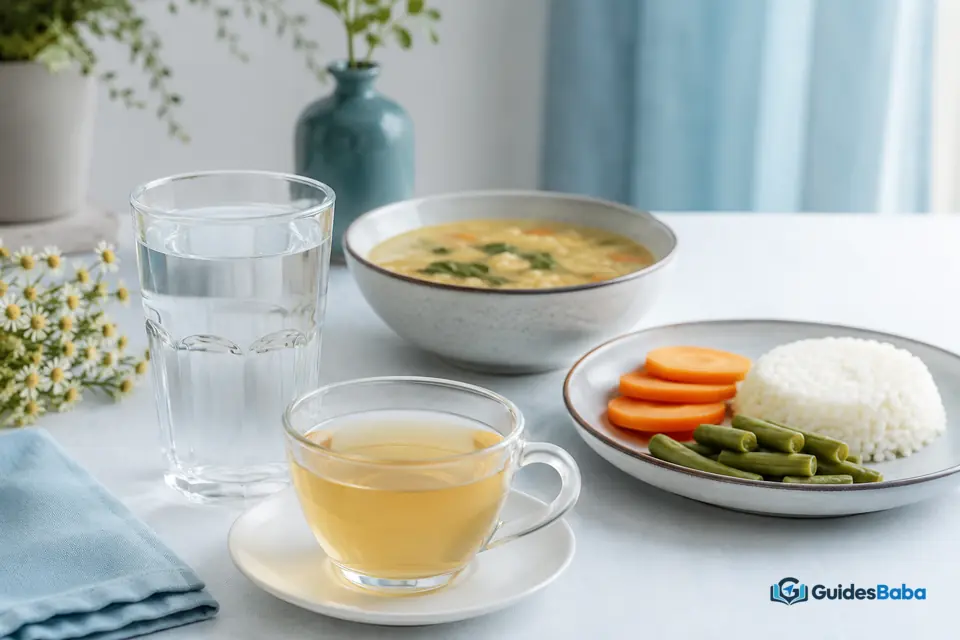
Fluids matter a lot for IBS. Water supports smooth, comfortable digestion. It also helps fibre work well.
Drink steadily throughout the whole day. Water is the simplest reliable choice. Some people find fizzy drinks unsettling. Eating foods that help keep you hydrated supports this. Watery fruit and soups add fluid.
You should sip regularly, not gulp fast. Keep a bottle within easy reach. Warm drinks suit some people better. Watch how caffeine affects your gut. Steady hydration eases digestion. Small sips add up across the day.
Gentle everyday foods
Some foods tend to sit gently. They suit many people with IBS. Choices still vary by individual.
Oats, rice, and potatoes are often gentle. Lean proteins usually digest well. Cooked vegetables can feel easier than raw. Building a balanced diet keeps meals nourishing. Simple cooking often helps.
You can build meals around these staples. Add richer foods slowly and watch results. Keep flavours mild while you learn. Notice which gentle foods you enjoy. Comfort and nutrition can coexist. Simple staples keep meals reassuring.
Foods that often cause trouble
Some foods commonly upset IBS guts. Knowing them helps you plan carefully. Reactions still vary between people.
Fatty and fried foods can trigger symptoms. Very spicy meals bother some guts. Certain sugars ferment and cause bloating. Alcohol and caffeine affect many people. Processed snacks often crowd out gentler options.
You do not have to ban them blindly. Test each food against your own gut. Reduce clear triggers, not everything at once. Keep meals varied and nourishing. Evidence should guide your choices. Test each food with patience.
Keeping a food and symptom diary
A diary is a powerful IBS tool. It links meals to how you feel. Patterns become far clearer over time.
Write down foods, timing, and symptoms daily. Note stress and sleep as well. Review the record after a few weeks. Look for repeating trigger patterns. Small clues often add up.
You can share the diary with a professional. It helps a dietitian spot triggers. Honest notes make advice more useful. Keep the record simple and consistent. Good data guides better choices. A simple record reveals hidden patterns.
Soluble versus insoluble fibre
Fibre comes in two main forms. The comparison is soluble versus insoluble fibre. Each affects IBS differently.
| Soluble fibre | Insoluble fibre |
|---|---|
| Forms a soft gel. | Adds bulk to stool. |
| Found in oats and carrots. | Found in bran and skins. |
| Often gentler for IBS. | Can feel harsher for some. |
| May soothe loose stools. | May help sluggish digestion. |
You may tolerate one type better. Many people find soluble fibre gentler. The difference between soluble and insoluble fibre guides choices. Adjust each type to your gut.
The low-FODMAP approach

You may have heard of low-FODMAP eating. It limits certain fermentable sugars. Many people find it helpful.
The approach removes some trigger foods first. Foods are then reintroduced one by one. This reveals personal triggers over weeks. It works best under expert supervision. A dietitian keeps it safe and balanced.
You should not attempt it alone long-term. It can become restrictive without guidance. Nutrition gaps are a real risk. Seek a dietitian before starting. Professional support makes it far safer. A dietitian keeps your nutrition balanced.
Stress, sleep, and the gut
The gut and mind are closely linked. Stress can worsen IBS symptoms. Poor sleep adds to the strain. A calm mind helps the gut settle.
A tense day can upset your gut. Rushed meals make things worse. Calm eating supports better digestion. Good sleep helps the gut recover. Mind and gut work together.
You can pair food changes with calm habits. Slow down at mealtimes each day. Build simple routines for winding down. Gentle movement can ease symptoms. Whole-life balance supports the gut. Calm days often mean calmer digestion.
Common mistakes people make
One common mistake is cutting many foods at once. This makes triggers impossible to spot. It also risks poor nutrition.
Another mistake is changing fibre too fast. A sudden jump can worsen symptoms. Adjust it slowly and gently instead. Watch how your gut responds. Patience protects your comfort.
Some people skip meals when symptoms flare. Long gaps can upset the gut further. Regular gentle meals usually help more. Keep a steady eating rhythm. Routine calms a sensitive gut.
Building an IBS-friendly day
A good day follows a gentle rhythm. Meals stay regular and moderate. Fluids flow steadily throughout.
Start with a gentle, familiar breakfast. Keep lunch balanced and calm. Choose a light, early dinner. Following ways to make your diet healthier supports this. Sip water between your meals.
You can adjust the plan to your gut. Swap triggers for gentler options slowly. Keep evenings calm and unhurried. Notice how your days improve. Small habits bring steady relief. A gentle rhythm steadies your gut.
Who might need tailored guidance

General tips suit many people well. Still, IBS often needs personal care. Certain signs deserve prompt attention.
New, severe, or changing symptoms need review. Weight loss or bleeding always matters. A doctor can rule out other conditions. A dietitian can build a safe plan. Personal advice always beats general rules. A quick check can bring reassurance.
This is not medical advice. See a professional before big changes. Use these ideas as a friendly guide. Then adapt them to your needs.
Making changes that last
Lasting relief grows from steady habits. Small daily choices work best. Consistency beats short bursts of effort.
Eat regular, gentle meals each day. Adjust fibre slowly and thoughtfully. Track foods and how you feel. Stay hydrated and calm at meals. Repetition makes comfort feel normal.
Above all, listen to your own gut. It signals what suits you best. Adjust foods to match those signals. Give every change a little time. Patience delivers the real results. Steady effort rewards you over time.
Frequently asked questions
What should you eat if you have IBS?
Focus on regular meals and gentle foods. Choose fibre types that suit your gut.
Does fibre help or hurt IBS?
It can do both, depending on type. Soluble fibre often feels gentler than insoluble.
What foods commonly trigger IBS?
Fatty, fried, and very spicy foods often trigger it. Caffeine, alcohol, and some sugars can too.
Is a food diary useful?
Yes, it links meals to symptoms clearly. Patterns become far easier to spot.
What is the low-FODMAP approach?
It limits certain fermentable sugars for a while. It works best under a dietitian.
Should I skip meals when symptoms flare?
Skipping meals can upset the gut further. Regular gentle meals usually help more.
Does drinking water help IBS?
Steady hydration supports smooth digestion. It also helps fibre work well.
Can stress affect IBS?
Yes, the gut and mind are linked. Stress and poor sleep can worsen symptoms.
How fast will changes work?
Results vary from person to person. Give each change a few patient weeks.
When should I see a professional?
See one for new or severe symptoms. Bleeding or weight loss always needs review.
The bottom line
So what should you eat with IBS? Aim for regular, gentle, balanced meals. Choose fibre types that suit your gut. Stay hydrated and eat calmly. Track the foods that trigger symptoms.
You do not need one perfect diet. Build steady habits and adjust slowly. Change one food at a time. Work with a dietitian for support.
For more background, read this overview of irritable bowel syndrome and its symptoms. You can also learn about the low-FODMAP diet approach. Use trusted sources to guide your habits.
This is not medical advice. See a professional for your personal needs. Choose gentle habits that fit your life. Then let steady eating do the work.