
Picture a small village welcoming curious travelers with open arms. Are there ethical concerns around visiting Indigenous communities? That question deserves a thoughtful, honest look.

Rather than treating a community like a photo backdrop, we can visit with real care. Good intentions matter, but they aren’t the whole story. So how do we get it right?
Here is the honest answer. Yes, ethical concerns exist, and they’re worth taking seriously. Tourism can help or harm, depending on how it’s done. Respect, consent, and fair benefit change everything. With care, a visit can be a good thing. Without it, harm creeps in fast.
This guide covers respect, consent, and fair benefit. We’ll cover money, photos, sacred spaces, and manners. You’ll learn how to choose community-led trips. Let’s travel with heart and eyes wide open.
So, are there ethical concerns about visiting Indigenous communities?
Yes, and pretending otherwise helps nobody. Every visit carries some impact, big or small. Think of yourself as a guest in a home. Your behavior shapes whether you’re welcome back.
Would you barge into a stranger’s house uninvited? Of course not, and the same courtesy applies here. Communities are living cultures, not open museums. That mindset guides every good choice.
The concerns are real, but they aren’t reasons to stay home. They’re reasons to slow down and think. Done well, visits can support pride and income. Done badly, they can wound and exploit.
Why this question matters more than ever
Travel has never been easier or cheaper. More people now reach remote and fragile places. That surge brings both opportunity and pressure. Awareness has to keep pace with access.
Many communities want visitors on their own terms. They seek income, connection, and a chance to share. Others feel crowded, photographed, and misunderstood. Both feelings can be true at once.
Your choices ripple further than you think. A single respectful trip sets a quiet example. A careless one can leave lasting damage. Small decisions add up across thousands of travelers.
Did you know?
Community-led tourism keeps far more money inside the community itself. Locals decide what to share and what stays private.
What respectful travel really means
Respect starts long before you arrive anywhere. It means learning a little about the culture first. Names, customs, and history all deserve your attention. Curiosity beats assumption every time.
It also means listening more than you speak. Ask questions, then truly hear the answers. Let hosts lead the conversation and the pace. Their home, their rules.
Respect shows up in tiny, everyday moments. A polite greeting can open real warmth. Patience with differences smooths the whole visit. Kindness translates across any language barrier.
The difference between guests and gawkers
There’s a wide gap between visiting and staring. A guest connects, shares, and gives something back. A gawker consumes a culture like entertainment. The difference lives in your attitude.
Gawking treats people as exotic curiosities. It reduces rich lives to a quick spectacle. That stings, even when nobody says so. Nobody enjoys feeling like a zoo exhibit.
Being a guest asks a little more of you. It means humility, patience, and genuine interest. You leave as a friend, not a tourist. That shift changes the whole experience.
How tourism money can help or harm
Money is where good intentions meet reality. Spent well, it funds schools, clinics, and pride. Spent badly, it lines outside pockets instead. Follow the money to judge a trip.
Ask who actually owns the tour company. Local ownership keeps earnings in the community. Big outside operators often take the biggest cut. That gap matters more than the brochure admits.
Fair pay respects the people doing the work. Guides, cooks, and artisans deserve real wages. Cheap trips sometimes hide unfair labor. A fair price protects the people you came to meet.
Consent and photography
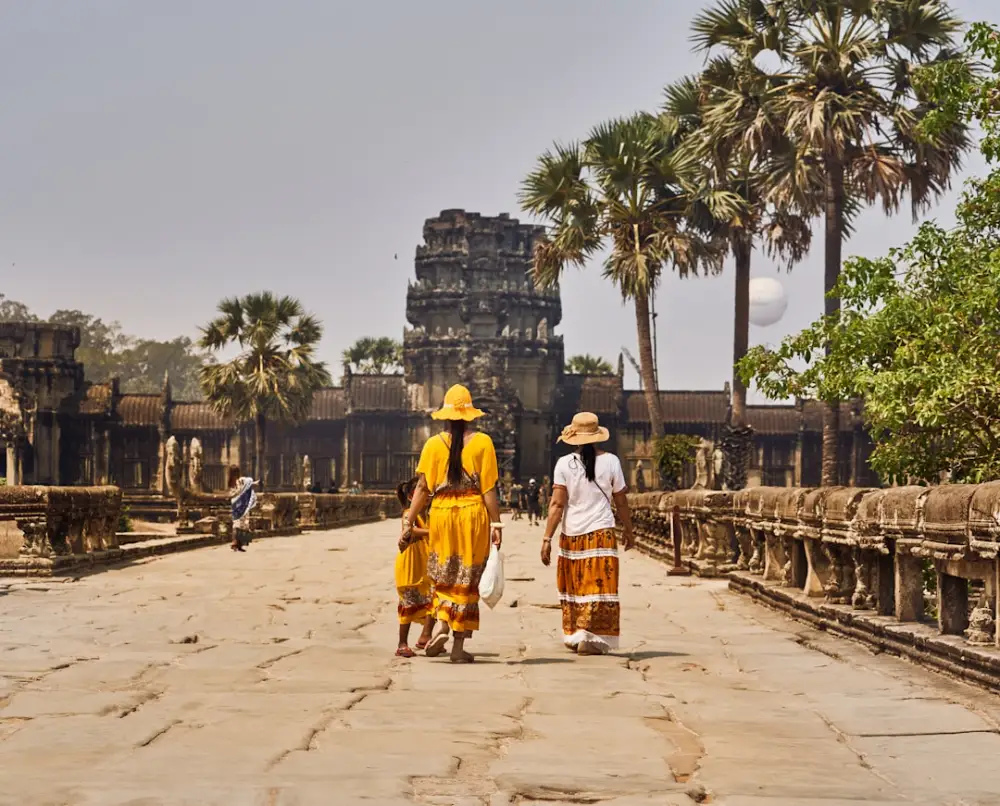
A camera can feel harmless to you. To others, it can feel like theft. Photos taken without consent cross a real line. Always ask first, every single time.
Some ceremonies and faces are simply off-limits. A polite question shows you understand that. If the answer is no, smile and put it away. The moment still belongs to you.
Sharing images online carries weight too. A quick post can spread far beyond your feed. Think about how the subject would feel. Consent covers posting, not just snapping.
Reading the signs of exploitation
Some tours dress up harm as culture. Learning to spot the warning signs protects everyone. Trust your gut when something feels staged. That instinct is usually right.
Watch for performances that feel forced or scripted. Real culture rarely runs on a rigid timetable. Beware trips that parade people for photos. Dignity should never be part of the ticket.
Notice whether locals seem willing and paid. Do they lead, or just serve on command? Genuine welcome looks relaxed and mutual. Coercion hides behind a polished smile.
Choosing community-led experiences
The best trips are shaped by the community itself. Locals decide what to show and when. That ownership makes all the difference. Seek it out on purpose.
Community-led means residents set the terms. They choose the stories, sites, and boundaries. Your money flows straight to their hands. Everyone wins under that model.
These experiences often feel warmer and realer. You meet people, not performers. Conversations replace staged displays. Planning ahead helps, so consider what your itinerary should include early.

Questions to ask before you book
A few smart questions reveal a lot. They separate ethical trips from empty marketing. Don’t be shy about asking them. Good operators welcome the curiosity.
Ask who owns the company and guides the tour. Ask how the community shares in the income. Ask what the visit involves and avoids. Clear answers signal real accountability.
Vague replies are a quiet red flag. Ethical operators explain their impact with pride. If nobody can answer, keep looking. Your questions push the whole industry higher.
Dress, behavior, and simple manners
What you wear can send a loud message. Modest, local-appropriate clothing shows easy respect. A quick check beforehand avoids awkward moments. Small effort speaks volumes.
Behavior counts just as much as clothing. Keep your voice gentle and your pace calm. Follow your host’s lead in every setting. Watch, then match their rhythm.
Simple manners carry across every border. Learn a greeting in the local language. Say thank you often and mean it. Warmth needs no translation at all.
Sacred sites and off-limits spaces
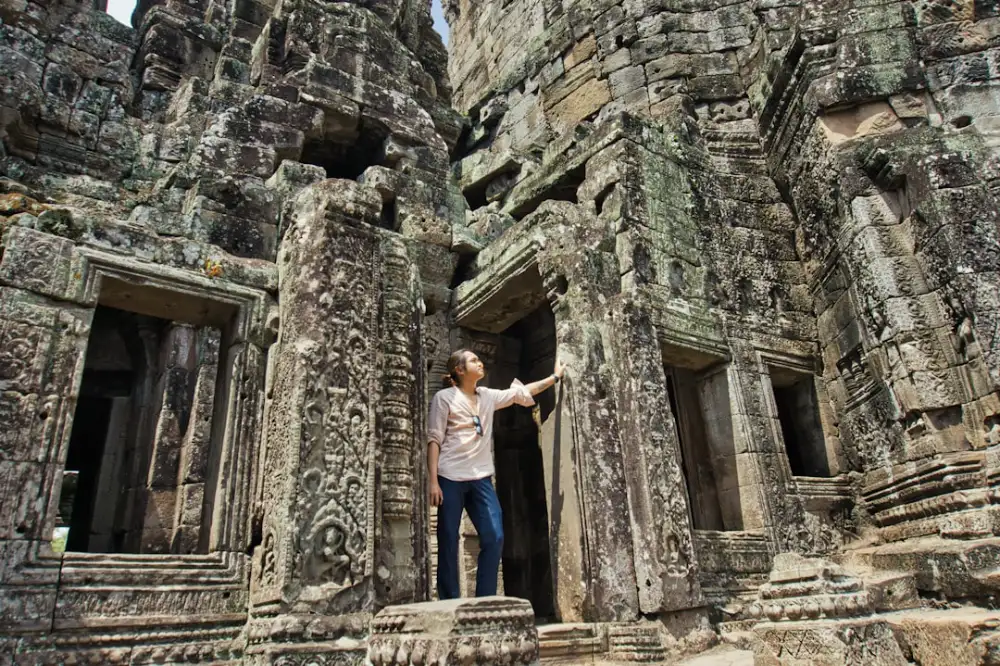
Not every place is open to visitors. Some spaces hold deep spiritual meaning. Boundaries protect what matters most to people. Honoring them is non-negotiable.
Look for signs, ropes, or spoken warnings. When in doubt, ask before stepping forward. A refused entry is never a personal slight. It’s a line worth respecting fully.
Sacred does not always mean obvious. A quiet field might hold real significance. Stay alert and follow local guidance closely. Reverence costs you nothing.
Ways to visit, compared
Different approaches carry very different impacts. Here’s how the main options stack up. Pick the path that respects people most.
| Approach | What it usually means |
|---|---|
| Community-led visit | Locals set terms and keep the income |
| Small ethical operator | Fair pay with clear community partnership |
| Big mass-tour package | Profit often leaves the local area |
| Unplanned drop-in | Risk of intruding without any consent |
Buying crafts the fair way
Handmade crafts carry culture and skill. Buying them can support families directly. But the way you buy really matters. Fair trade beats a hard bargain.
Pay a price that honors the work. Aggressive haggling can undercut a maker’s living. A few extra coins mean little to you. To them, it can mean a lot.
Buy from the maker whenever possible. That keeps the full value in their hands. Ask about the story behind each piece. A meaningful souvenir beats a cheap trinket.
When it is better to stay away
Sometimes the kindest choice is to skip it. Not every community wants visitors at all. Respecting that wish is its own gift. Absence can be a form of care.
Some groups avoid outside contact on purpose. Others limit visits during private seasons. Pushing past those limits causes real harm. A closed door means exactly that.
Ask yourself whether your visit truly helps. If the honest answer is no, reconsider. Flexibility keeps your conscience clean, so learn to make your itinerary flexible. Plans can always shift.
Talking with local guides and hosts
A good guide is your bridge to the community. They translate more than just words. They explain customs, history, and hidden meaning. Lean on their knowledge gladly.
Choose guides from the community itself. Local voices tell the truest stories. They also earn a fair living from it. That connection deepens your whole trip.
Treat every host as a partner, not staff. Thank them warmly and pay them fairly. Ask what they wish visitors understood. Their answers often reshape your view.
Bringing kids along respectfully
Family trips can teach powerful lessons. Kids learn respect by watching you closely. Prepare them for a culture unlike home. Their wonder can be a beautiful thing. Every choice you make sends a message.
Explain the rules before you arrive. Talk about photos, quiet voices, and manners. Turn the visit into gentle learning. Curiosity and courtesy can grow together.
Keep the pace kind for little ones. Tired kids struggle to stay respectful. Build in rest and simple snacks. A calm child is a polite guest.
Common mistakes to avoid
The biggest mistake is treating culture as a show. People are not props for your feed. Center their dignity above your photos. That single shift prevents most harm.
Another slip is skipping any research first. Arriving clueless leads to clumsy moments. A little reading goes a long way. Prepare before you pack your bags.
Some travelers give money in careless ways. Handing cash to kids can encourage begging. Support real cooperatives and schools instead. Thoughtful giving beats a quick handout.

Frequently asked questions
Is it wrong to visit Indigenous communities at all?
No, visiting can be positive when done with respect. Consent and fair benefit make the difference.
How do I know a tour is ethical?
Ask who owns it and how income is shared. Clear, proud answers signal a good operator.
Can I take photos of people I meet?
Only after you ask and receive a clear yes. Always accept no without any pushback.
Does my money actually reach the community?
It depends on ownership and structure. Community-led trips keep far more money local.
What should I wear on such a visit?
Choose modest clothing suited to local custom. A quick check beforehand avoids any offense.
Is haggling over crafts a problem?
Aggressive haggling can hurt a maker’s livelihood. Pay a fair price with a smile.
What if a community does not want visitors?
Respect that fully and stay away. Their wishes matter far more than your plans.
Are big tour packages always bad?
Not always, but profit often leaves the area. Small local operators usually help more.
How can I prepare before I go?
Read about the culture, customs, and history. Learn a greeting in the local language.
Can I bring my kids along?
Yes, with preparation and gentle guidance. Explain the rules and manners beforehand.
The bottom line
So, are there ethical concerns around visiting Indigenous communities? Yes, and they’re worth honoring. But concern is not a reason to stay home. It’s a reason to travel with care.
Choose community-led trips, ask honest questions, and always seek consent. Pay fairly, respect sacred spaces, and listen more than you speak. Building in downtime on your itinerary helps you slow down. For background, read about Indigenous peoples and sustainable tourism on Wikipedia.
Travel with humility, and you’ll be welcomed warmly. Leave places better than you found them. That’s the heart of ethical travel. Go gently, and go with respect. That’s a promise worth keeping.