
Carbs are hiding in plain sight all around you. They fill your plate more than you notice. So what foods are high in carbohydrates? The list is longer and friendlier than you expect.
Rather than fearing carbs, it helps to know them. Many high-carb foods are wholesome and filling. They deliver energy plus fiber and nutrients. Carbohydrates sit beside protein and fat as essential nutrients.
Here is the honest answer. Grains, bread, and pasta are high in carbohydrates. So are rice, potatoes, beans, and lentils. Fruit, milk, and oats carry plenty too. Sugary snacks and drinks are high as well. Whole sources beat refined ones most days.
This guide covers the main high-carb foods. You will see which ones to favor. We will note the difference between simple and complex carbohydrates too. Along the way we bust a few myths.
So what foods are high in carbohydrates?

The honest answer covers many everyday foods. Grains, bread, rice, and pasta lead the list. Potatoes, beans, and lentils add plenty more. Fruit, milk, oats, and sweets join them too.
Think of carbs as fuel stored in food. Each of these foods packs energy inside. Your body unpacks that fuel during digestion. Some unpack faster than others.
Does high-carb always mean unhealthy? Not at all, and the source matters most. Whole grains and beans are high-carb heroes. Sugary drinks are the ones to limit.
How to spot a high-carb food
Spotting high-carb foods gets easier with practice. Grains and their products are a safe bet. Starchy vegetables usually rank high too. Soon you notice them everywhere.
Sweet foods almost always carry carbs. Fruit, honey, and sugar are clear examples. Many packaged snacks are carb-heavy as well. The label confirms the amount.
Protein and fat foods sit lower on carbs. Meat, eggs, and oils carry very little. Knowing this helps you balance a plate. Balance is the real goal.
Did you know?
Many staple foods around the world are high in carbohydrates. Rice, wheat, and maize feed billions every day.
Whole grains for steady carbohydrates
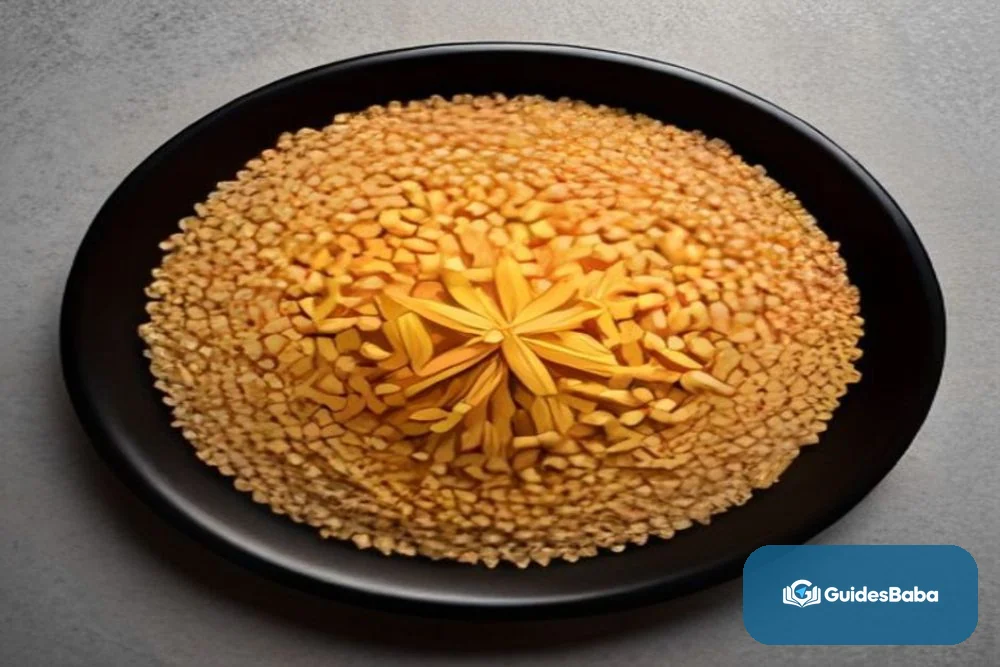
Whole grains are a top carb source. Think brown rice, oats, and whole wheat. They keep the bran and germ intact. That is where the goodness lives.
That means more fiber and more nutrients. Whole grains release energy at a calm pace. They also help you feel full. Fullness makes healthy eating easier.
Add quinoa, barley, and buckwheat for variety. Each grain brings its own texture and taste. Rotate them to keep meals interesting. Your plate stays fresh and fun.
Bread and pasta as common carb foods
Bread and pasta are classic high-carb foods. They form the base of many meals. Their carb content is quite high. That is why portions matter here.
Whole grain versions are the smarter pick. They carry more fiber than white versions. That fiber slows digestion and steadies energy. White versions digest much faster.
Portion size matters with bread and pasta. A moderate serving fits most plates. Pair them with vegetables and protein. Balance keeps the meal satisfying.
Rice and other grains
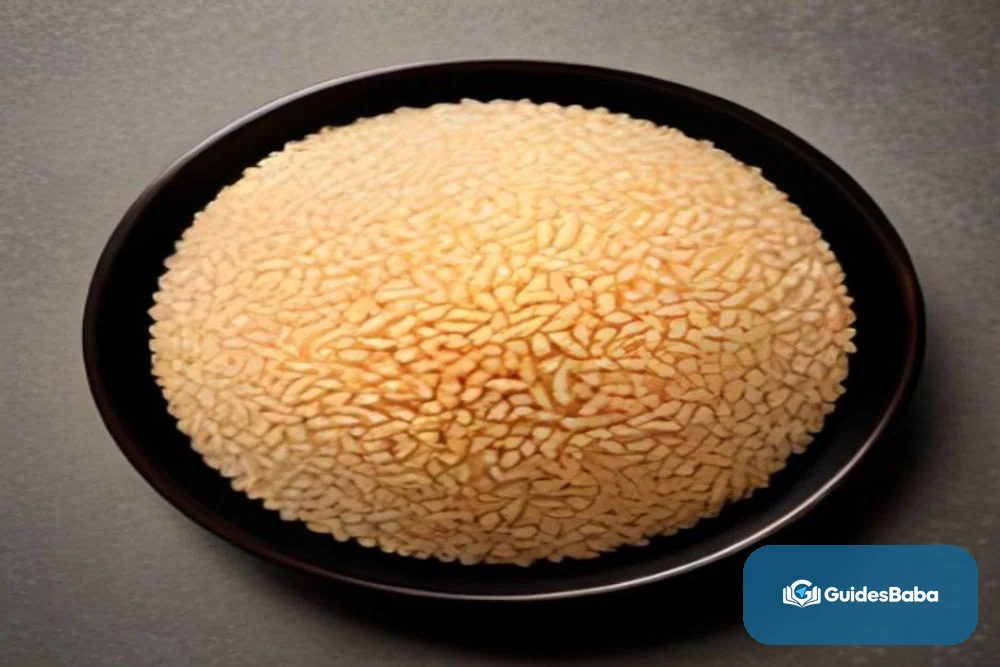
Rice is a carb staple for much of the world. It fuels countless meals every day. Brown rice keeps more fiber than white. That extra fiber is worth it.
Other grains deserve a place too. Millet, sorghum, and farro are worth trying. They bring carbs plus useful nutrients. Variety supports a balanced diet.
Cook grains in batches to save time. Store them for quick weekday meals. A ready grain makes dinner simple. Small prep pays off later.
Starchy vegetables like potatoes
Starchy vegetables are surprisingly high in carbs. Potatoes are the best-known example. Sweet potatoes and corn belong here too. They fuel meals across many cultures.
These vegetables bring fiber, potassium, and vitamins. They fill you up with real substance. The skin adds extra fiber and nutrients. Keep it on when you can.
Roast, bake, or steam them simply. Heavy toppings can undo the benefit. Let the vegetable itself shine. A light touch works best.
Beans and legumes
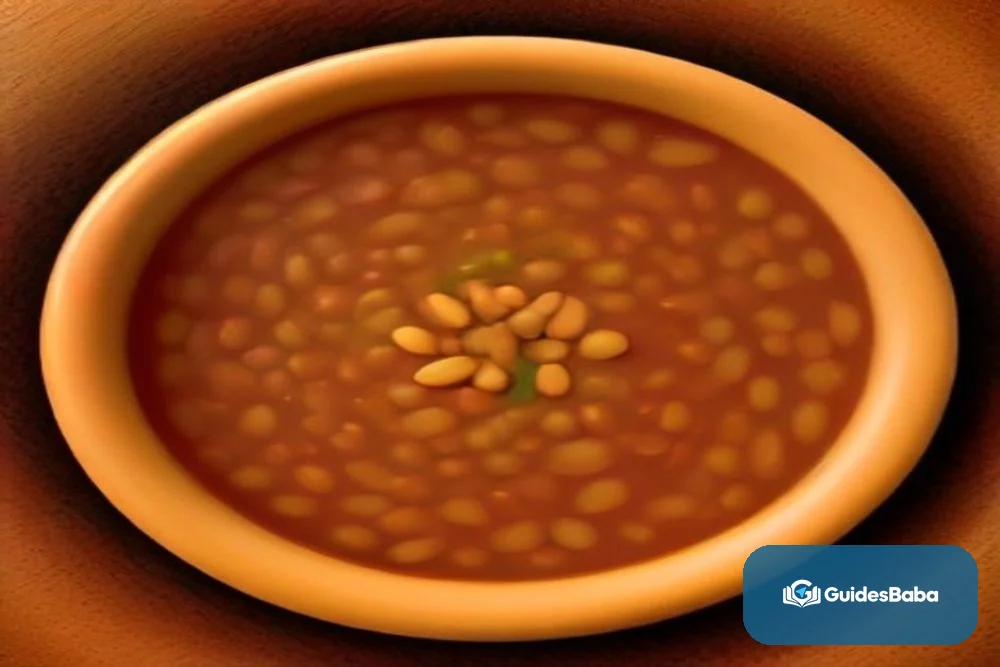
Beans and legumes are carb-rich and mighty. Think chickpeas, black beans, and lentils. They deliver carbs plus plant protein. Few foods pack such a combo.
These foods carry plenty of fiber too. That pairing keeps you full and satisfied. They are cheap, filling, and easy to store. Few foods offer more value.
Add beans to soups, salads, and stews. Canned beans make weeknight cooking fast. Rinse them well before you cook. They fit almost any cuisine.

Fruit as a natural carb source
Fruit is a naturally high-carb food. Its carbs come mostly from simple sugar. Yet fruit brings fiber and water too. That mix makes fruit special.
That fiber slows the sugar down. So whole fruit acts gently in your body. Bananas, apples, and mangoes are carb-rich picks. They also taste wonderful.
Whole fruit beats fruit juice most days. Juice loses fiber during processing. Reach for the whole fruit first. Your body handles it better.
Dairy and milk

Milk and yogurt carry carbs too. Their carb comes from a sugar called lactose. This is a natural simple sugar. It sits alongside protein and calcium.
Dairy also brings protein and calcium. Plain, unsweetened versions are the smart pick. Flavored versions often add extra sugar. Read the label to be sure.
Plant milks vary widely in carbs. Some are sweetened, and some are not. Check the ingredients before you choose. Unsweetened options keep sugar low.
Oats and breakfast cereals
Oats are a beloved high-carb breakfast. They deliver steady energy and fiber. A warm bowl starts the day well. They keep hunger away for hours.
Many packaged cereals are high-carb too. Some are wholesome, and some are sugary. The label reveals the real story. Choose ones with more fiber.
Top oats with fruit and seeds. Skip heavy sugar and syrup. Let the natural flavors lead. A simple bowl satisfies best. Overnight oats work well too.
Sugary snacks and sweet drinks

Sugary snacks are very high in carbs. Candy, cookies, and cake lead this group. They deliver sugar with little else. Enjoy them mindfully and sparingly.
Sweet drinks are carb-heavy as well. Soda and sweetened juice add up fast. They offer quick energy and quick crashes. Water is a friendlier choice.
These foods are not strictly forbidden. They can fit an occasional treat. Just let whole carbs lead most days. Balance keeps them in their place. A small portion is usually plenty.
Whole versus refined high-carb foods
People often ask which carbs are better. The honest comparison is about approach, not brands. Whole and refined carbs serve different roles. The table below makes it clear.
| Whole high-carb foods | Refined high-carb foods |
|---|---|
| Fiber and nutrients stay mostly intact | Fiber and nutrients are stripped away |
| Energy releases slowly and steadily | Energy spikes and then drops fast |
| Keeps you full for longer | Easy to overeat soon after |
| Oats, beans, fruit, and whole grains | Soda, candy, and white bread |
Refined carbs are not always the enemy. They can help on busy days. Just let whole carbs lead most of the time.
High-carb foods that also bring fiber

The best high-carb foods carry fiber too. Beans and lentils are prime examples. Oats and whole grains also qualify. Fiber turns good carbs into great ones.
Fruit and starchy vegetables bring fiber as well. That fiber slows digestion and steadies energy. It also supports fullness and gut health. These foods do double duty.
Aim to fill your plate with these picks. They give energy without the crash. Fiber is the quiet hero here. Most people could use more. Small daily additions add up quickly.
High-carb foods worth limiting
Some high-carb foods deserve a smaller role. Sugary drinks top that list. They deliver sugar with little value. Water is a friendlier daily choice.
White bread and pastries are refined too. They digest fast and fade fast. Enjoy them in modest amounts. Balance keeps them from taking over.
Added sugar hides in many packaged foods. Read the label when you can. Small cuts add up over time. Awareness is half the battle.
How to fit high-carb foods into your day
Fitting good carbs into a day is easy. Start with oats and fruit at breakfast. That gives steady morning energy.
Lunch might bring beans and whole grains. Add plenty of vegetables on the side. Dinner can include rice and roasted potatoes. The pattern feels natural, not forced.
Snacks can lean on fruit or yogurt. Whole carbs keep hunger calm between meals. A balanced day comes together easily. Small habits carry the load.
Portion sense with carbohydrates
You do not need to weigh every meal. Simple hand cues work well enough. A cupped hand guides many carb servings.
Fill half your plate with vegetables and fruit. Give a quarter to whole grains or starchy foods. Save the last quarter for protein. This picture keeps balance easy.
Listen to your hunger and fullness signals. Eat slowly and pause between bites. Your body often knows the right amount. Trust those quiet signals.
Common myths about high-carb foods
One myth says all high-carb foods cause weight gain. Total calories and habits matter more. Whole carbs can support a healthy weight.
Another myth calls potatoes unhealthy. Plain potatoes are actually nourishing. Heavy toppings are the real concern. The vegetable itself is fine.
A third myth says fruit is too sugary. Whole fruit brings fiber and nutrients too. For most people it is a smart choice.
Common mistakes people make
One mistake is choosing only refined carbs. White bread and sweets crowd out better foods. Aim for whole sources first. Your energy stays steadier.
Another mistake is drowning healthy carbs in extras. Heavy butter, sugar, and sauces add up. Keep toppings light and simple. Let the real food shine.
Some people also fear carbs completely. That often leads to low energy. Balance beats fear every single time.
Frequently asked questions
Which foods are highest in carbohydrates?
Grains, bread, rice, and pasta rank high. Potatoes, beans, fruit, and sweets follow closely.
Are high-carb foods unhealthy?
No, many high-carb foods are very healthy. Whole grains, beans, and fruit are great examples.
What carbs should I eat most often?
Favor whole, high-fiber carbs most often. Think oats, beans, fruit, and whole grains.
Are potatoes a high-carb food?
Yes, potatoes are high in carbohydrates. They also bring fiber, potassium, and vitamins.
Is fruit high in carbohydrates?
Yes, fruit is naturally high in carbs. Its fiber helps slow the natural sugar down.
Do beans count as a carbohydrate food?
Yes, beans are high in carbohydrates. They also deliver plant protein and plenty of fiber.
Are high-carb foods good before exercise?
Yes, carbs can fuel activity well. A light carb snack often helps before movement.
Should I avoid carbs to lose weight?
You do not need to avoid all carbs. Total calories and food quality matter more.
Which high-carb foods should I limit?
Limit sugary drinks, candy, and refined snacks. These give carbs with little other value.
Are whole grains better than white grains?
Yes, whole grains keep more fiber and nutrients. They also release energy more steadily.
The bottom line
So what foods are high in carbohydrates? Grains, bread, rice, and pasta lead the way. Potatoes, beans, fruit, and oats join them. Sugary snacks and drinks are high as well.
High-carb foods are not the enemy here. Whole sources support steady energy and fullness. Explore the healthiest carbohydrate sources for daily ideas. You can also learn how the glycemic index ranks these foods.
For more background, see this overview of carbohydrates. You can also read about the staple foods that feed the world. Use trusted sources to guide your choices.
This is general information and not medical advice. See a professional for your personal needs. Favor whole carbs most of the time. Your body will thank you for it.