
You cut out bread and suddenly feel lighter. So what is gluten sensitivity really? Is it a real problem or a passing fad? The answer is calmer than the headlines suggest.
Rather than chasing every food trend, start with the basics. Gluten is a protein found in wheat, barley, and rye. Some people feel unwell after eating it. Yet their coeliac disease tests come back clear. That gap is where this term lives.
Here is the honest answer. Gluten sensitivity means symptoms appear after eating gluten. Coeliac disease and wheat allergy get ruled out first. Common signs include bloating, tiredness, and stomach discomfort. Doctors still study exactly why this happens. The reaction is real for many people.
This guide covers what gluten sensitivity means. You will learn the common signs and triggers. We compare it with coeliac disease. This is not medical advice. See a professional.
So what is gluten sensitivity?
The honest answer sits between two clear conditions. It is not coeliac disease. It is also not a wheat allergy.
Think of it like a warning light with no clear cause. Symptoms flare after gluten, yet tests stay negative. Your body seems to react in its own way. Experts often call it non-coeliac gluten sensitivity. The name simply describes the pattern.
Does that make it imaginary? Not at all, since the symptoms are genuine. People truly feel better without gluten. The mechanism is still being studied. Real discomfort deserves real attention.
Which foods contain gluten

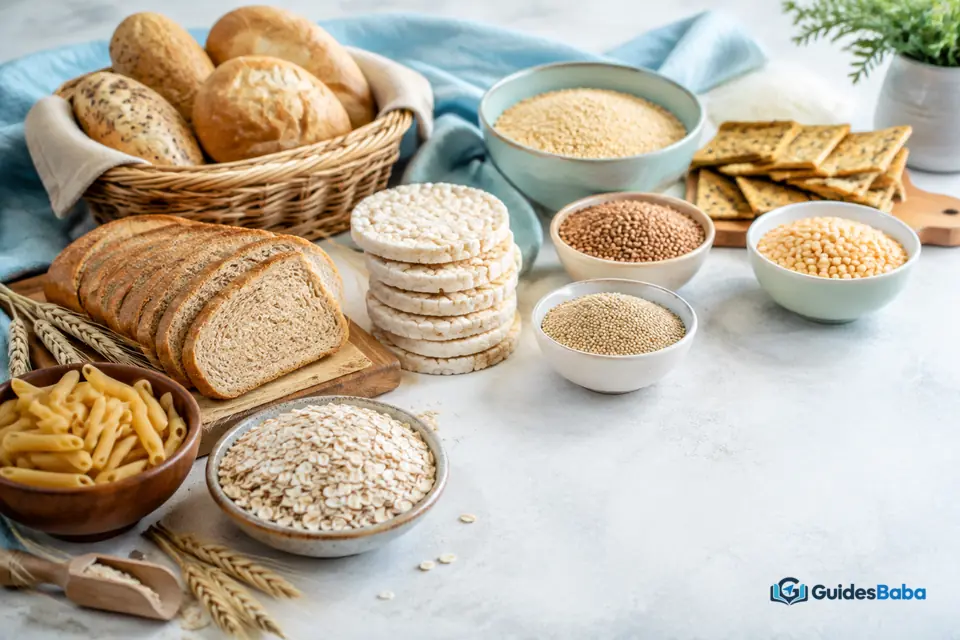
Gluten hides in many everyday staples. It appears wherever wheat, barley, or rye is used. That covers a wide range of foods.
Bread, pasta, and most baked goods contain it. Many cereals and crackers include gluten too. Barley shows up in soups and some drinks. Rye bread and certain sauces also carry it. Reading labels reveals hidden sources.
You may be surprised where gluten turns up. It can lurk in gravies and dressings. Some processed snacks use it as filler. Careful label reading helps a great deal. Hidden gluten catches many people out.
Did you know?
Gluten sensitivity is diagnosed only after coeliac disease is ruled out. That order of testing matters a lot.
Common signs people notice

Symptoms vary widely from person to person. Some are digestive, and others feel more general. No single sign proves the condition.
Bloating and stomach pain are common reports. Many people also mention tiredness and headaches. Some feel foggy or low in mood. Joint aches appear for a few too. The pattern differs for everyone.
You might notice symptoms hours after eating. They often ease when gluten is removed. This timing offers a useful clue. Still, other foods can cause similar feelings. Careful tracking helps separate the causes.
How it differs from a wheat allergy
A wheat allergy is a distinct condition. It involves the immune system reacting fast. The response can be more serious.
Allergy symptoms often appear within minutes. They may include hives, swelling, or breathing trouble. Gluten sensitivity works more slowly and mildly. The two are not the same thing. A doctor can tell them apart.
Understanding the difference between allergy and intolerance helps. It shapes how you respond to symptoms. It also guides the right testing. Knowing the type keeps you safer.
Why diagnosis needs a professional

Self-diagnosis can lead you astray easily. Symptoms overlap with many other conditions. A professional brings proper testing and context.
Coeliac disease needs specific medical tests. These work best while you still eat gluten. Cutting it early can hide the results. That is why timing matters so much. Your doctor guides the right steps.
You should not label yourself without guidance. A clear diagnosis prevents needless restriction. It also catches more serious conditions. Professional input protects your long-term health. Testing brings real peace of mind.
The role of the gut
Your gut sits at the centre of this. It processes everything you eat. Gluten passes through it every day.
Some researchers point to gut sensitivity as a factor. Others explore the wider digestive response. The exact process remains under study. What matters is how you feel. Your gut often signals the trouble.
You can support digestion with steady habits. Regular meals and fibre both help. A varied diet keeps the gut happy. Gentle routines ease many complaints. Kindness to your gut pays off.

Keeping a food and symptom diary
A diary turns vague feelings into clear data. You write down meals and how you feel. Patterns slowly rise to the surface.
Note the time you eat each meal. Record any symptoms and when they start. Include drinks, snacks, and sauces too. Small details often reveal hidden triggers. Consistency makes the diary useful.
You bring this record to your appointment. It saves time and sharpens the picture. Your doctor spots links you might miss. A good diary supports better decisions. Real notes beat vague memory.
Trying a careful elimination
Some people test their response by removing gluten. This should follow professional advice, not precede it. Timing around testing really matters.
A careful trial removes gluten for a set period. You then watch how your symptoms change. Reintroducing it can confirm the link. This works best with medical guidance. Rushing the process muddies the results.
You should not cut gluten before coeliac testing. Doing so can hide the disease. Speak to a professional first. They plan the safest order. Guidance keeps the trial meaningful.
Eating well without gluten
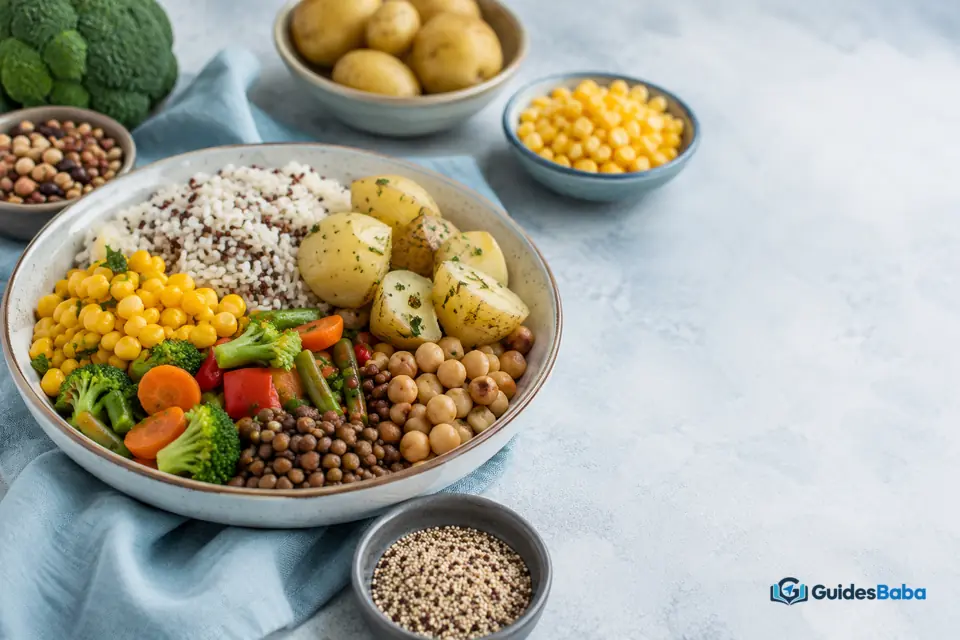
A gluten-free plate can still be balanced. Many whole foods contain no gluten at all. Variety keeps meals interesting and complete.
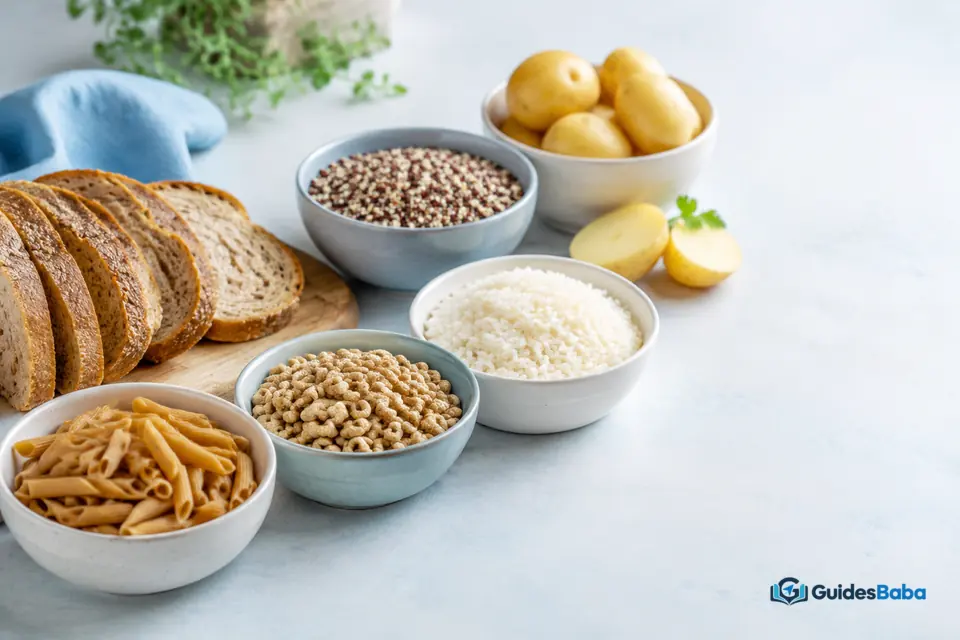
Rice, potatoes, and corn are naturally gluten-free. Fruit, vegetables, and most dairy work well too. Beans, nuts, and plain meat fit easily. Choosing good carbohydrate sources keeps energy steady. A colourful plate covers the basics.
You do not need special products to eat well. Whole foods form a strong base. Processed gluten-free snacks can be less healthy. Focus on simple, natural ingredients. Balance still matters without gluten.
Watching for hidden nutrients gaps
Cutting whole food groups carries a small risk. You might miss certain nutrients along the way. Planning helps you avoid those gaps.
Some gluten grains supply fibre and B vitamins. Removing them means finding other sources. Beans, seeds, and vegetables can help. A varied diet fills most gaps. Thoughtful choices protect your nutrition.
You may benefit from broader nutrition guidance. Learning about essential nutrients supports smarter swaps. It keeps your meals well rounded. Good planning prevents quiet shortfalls. Nutrition deserves steady attention.
Gluten sensitivity versus coeliac disease
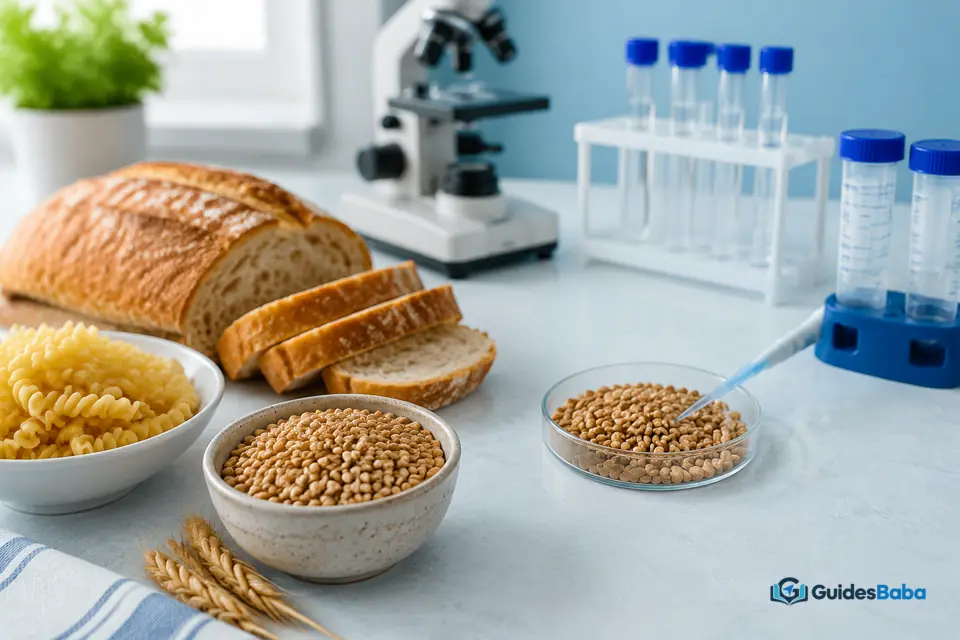
People often confuse these two conditions. The clear comparison sets them side by side. Each behaves in its own distinct way.
| Gluten sensitivity | Coeliac disease |
|---|---|
| Tests for coeliac come back negative | Specific medical tests come back positive |
| No lasting gut damage is found | The gut lining is genuinely damaged |
| Symptoms often milder and varied | Reaction is an autoimmune process |
| Strictness may depend on symptoms | Lifelong strict avoidance is required |
Only proper testing can separate the two. Never assume you have the milder form. A doctor confirms which one fits. The right label shapes your care.
How strict do you need to be
Strictness depends on your diagnosis and symptoms. Coeliac disease demands total, lifelong avoidance. Sensitivity may allow more personal flexibility.
Some sensitive people tolerate small amounts. Others feel best avoiding gluten fully. Your own response guides the level. There is no single correct rule. Listen to how you feel.
You should still confirm your diagnosis first. Guessing the level can backfire. A professional helps set the boundaries. Clear advice prevents needless worry. Personal fit matters most here.
Common mistakes people make
One common mistake is cutting gluten before testing. This can hide coeliac disease. Always test while still eating gluten.
Another mistake is self-diagnosing from a single symptom. Bloating alone proves very little. Many foods cause similar feelings. Keep an open, careful mind. Look at the whole picture.
Some people replace gluten with junk food. Gluten-free treats are not automatically healthy. Whole foods remain the better base. Balance still guides good eating. Do not swap one problem for another.
Building a balanced everyday plate

A steady plate helps whatever your situation. It combines protein, vegetables, and good carbs. Balance supports comfort and energy.
Fill half your plate with vegetables and fruit. Add lean protein and a smart carb. Include some healthy fat for flavour. A balanced diet keeps meals satisfying. Simple structure makes planning easy.
You can adapt this plate to any need. Swap gluten grains for naturally free ones. Keep variety across the week. Small habits build lasting health. A good plate rarely fails you.
When to see a doctor
Some signs call for prompt professional care. Ongoing symptoms should never be ignored. A doctor gives the clearest answers.
Book a visit if symptoms persist or worsen. Seek help for weight loss or severe pain. Mention any family history of coeliac disease. These details guide proper testing. Early care prevents bigger problems.
This is not medical advice. See a professional for a real diagnosis. Use these ideas as a friendly starting point. Then let expert care take over.
Living well day to day
Life with gluten sensitivity can feel normal. Good planning removes most of the stress. Small routines make eating easy.
Stock your kitchen with naturally gluten-free foods. Plan a few reliable meals you enjoy. Check labels when trying new products. Preparation turns worry into simple habit. Confidence grows with practice.
You can still eat out and travel well. Ask questions and choose simple dishes. Most places can offer safe options. A calm approach keeps life open. Good habits carry you through.
Staying calm about the diagnosis
A new diagnosis can feel overwhelming at first. Take it one meal at a time. The worry usually fades with practice.
Focus on the foods you can enjoy. Plenty of favourites remain on the menu. A positive mindset makes the change easier.
Frequently asked questions
What is gluten sensitivity?
It means symptoms appear after eating gluten. Coeliac disease and wheat allergy are ruled out first.
Is gluten sensitivity the same as coeliac disease?
No, coeliac disease damages the gut lining. Sensitivity shows negative coeliac tests and no damage.
What foods contain gluten?
Wheat, barley, and rye foods contain gluten. That includes bread, pasta, and many cereals.
What are the common symptoms?
Bloating, tiredness, headaches, and stomach discomfort are common. Signs vary from person to person.
Do I need a test?
Yes, a professional should confirm the cause. Testing rules out coeliac disease and allergy first.
Should I stop gluten before testing?
No, cutting gluten early can hide coeliac disease. Keep eating it until testing is done.
Can I eat any gluten at all?
Some sensitive people tolerate small amounts. Your own response and diagnosis guide the level.
Is gluten-free food always healthy?
No, many gluten-free treats are still processed. Whole foods remain the better everyday base.
How is it different from a wheat allergy?
A wheat allergy triggers a fast immune response. Sensitivity usually works more slowly and mildly.
Can I still eat a balanced diet?
Yes, many whole foods contain no gluten. Rice, fruit, vegetables, and beans work well.
The bottom line
So what is gluten sensitivity? It means symptoms appear after eating gluten. Coeliac disease and wheat allergy are ruled out first. Common signs include bloating, tiredness, and discomfort. The reaction is real, even when tests stay clear.
You should not cut gluten before proper testing. That timing protects an accurate diagnosis. Keep meals balanced with naturally gluten-free foods. Choose whole ingredients over processed swaps.
For more background, read this overview of non-coeliac gluten sensitivity and its signs. You can also learn what gluten actually is. Use trusted sources to guide your choices.
This is not medical advice. See a professional for your personal needs. A clear diagnosis brings real peace of mind. Then let steady habits do the rest.