
Your visa sticker is finally in your passport. But can you actually read it? What do all those dates, codes, and labels really mean? How do you read and understand your visa without guessing?
Rather than squint and hope, it helps to know the parts. Each field tells you something about your trip.
Here is the honest answer. A visa uses a few common fields. These cover the visa type, the validity dates, the number of entries, and the allowed stay. Learn those fields and the sticker stops looking like a puzzle. Formats still vary by country, so always confirm with the issuer.
This guide covers every common part of a visa. You will learn what each field means. You will see how validity differs from length of stay. And you will know when to ask for help. For the basics first, see our visa on arrival guide.
How do you read and understand your visa?
Reading a visa means checking a handful of key fields. Look at the type, the dates, the entries, and the stay. Together they define what your visa allows.
Think of a visa like a ticket to a concert. The ticket names the show, the date, and your seat. A visa names your purpose, your window, and your welcome.
So where do you start? Start at the top. Most visas print the type and country first.
Do not panic if some codes look strange. Many are country specific. You can always verify their meaning.
What a visa sticker really shows
A visa sticker is a permission label. It sits inside your passport. It shows a government agreed to let you travel.
The sticker holds printed fields and a coded strip. The fields are for you to read. The strip is for machines to scan.
Every field answers a simple question. Who are you? Why are you coming? How long can you stay?
Did you know?
The coded lines at the bottom of a visa are called a machine-readable zone. Scanners read them in seconds at the border.
Visa type and class explained
The visa type tells you why you may enter. Common purposes include tourism, business, study, and work. Each type carries its own rules.
Many countries label the type with a letter or code. These codes are not the same everywhere. One country’s code may mean nothing elsewhere.
The type also hints at what you may do. A tourist type rarely allows paid work. Always match your plans to your type.
Reading the validity dates
Every visa shows a validity window. It has a start date and an end date. You may enter between those two dates.
The start date is when the visa becomes usable. Before it, the visa is not yet active. Travel too early and you may be refused.
The end date is your last day to enter. After it, the visa expires. You cannot begin a new trip on it.
So check both dates before you book flights. Your travel must fit inside this window. Missing it can undo a whole plan.
Number of entries: single, double, and multiple
Visas differ in how often you may enter. This is the number of entries. It is a field worth checking closely.
A single entry lets you enter once. Leave the country and the visa is spent. You would need a new one to return.
A double entry allows two separate entries. A multiple entry allows many during the valid window. Each type suits a different trip.
So match the entries to your route. Planning a side trip to a neighbour? You may need more than one entry.
Duration of stay on each visit
Duration of stay is the length of one visit. It is often shown in days. This is not the same as validity.
The number tells you how long you may remain. It counts from the day you arrive. Overstaying it can bring penalties.
Some visas print this as a set number of days. Others leave the stay to the border officer. Rules vary widely by country.
Validity versus length of stay
This pair confuses many travellers. Validity and length of stay are different things. Mixing them up can cause trouble.
Validity is the window when the visa works. Length of stay is how long each visit may last. One frames the other.
Picture a gym pass valid for six months. Each visit might still be capped at two hours. The visa works the same way.
So a long validity does not mean a long stay. Check both numbers on your sticker. They protect you from an accidental overstay.

Place of issue and issuing authority
Your visa names where it was issued. This is the place of issue. It usually shows a city or a post.
The issuing authority is the office that granted it. This might be an embassy or a consulate. It stands behind the visa.
These details matter if questions arise. A border officer may check the source. The right office can confirm the terms.
The machine-readable zone
Many visas carry a strip of coded lines. This is the machine-readable zone. Scanners read it fast at the border.
The zone repeats key data in a fixed format. It may hold your name, number, and dates. Machines trust it more than the eye.
You do not need to decode it yourself. It exists for speed and accuracy. Officers rely on it every day.
Annotations and remarks
Some visas include extra notes. These are annotations or remarks. They add conditions to your visit.
A remark might name a sponsor or a purpose. It might limit where you may go. These notes carry real weight.
Ignoring an annotation can breach your terms. Read every line, even the small print. Ask if a note is unclear.
Validity and stay side by side
A simple table makes the difference clear. Validity and stay answer different questions. Seeing them together helps a lot.
| Validity window | Length of stay |
|---|---|
| When the visa can be used | How long one visit may last |
| Set by start and end dates | Set by a number of days |
| Governs entry timing | Governs departure timing |
| Can span many months | Often far shorter per visit |
So use the table as a quick check. Confirm the window, then confirm the stay. Two glances can prevent one big mistake.
Visa number and control number
Each visa carries its own number. It is a unique reference. Offices use it to find your record.
Some stickers add a separate control number. This helps prove the visa is genuine. It links to the issuing system.
Keep these numbers safe and private. Quote them when you contact the issuer. They speed up any query about your visa.
Photo, holder details, and personal data
Your visa repeats key personal details. It may show your name and photo. These must match your passport exactly.
Check the spelling of your name. Check your date of birth too. Even a small error can cause delays.
The photo confirms the visa belongs to you. Officers compare it with your face. A clear match speeds your entry.
Entry stamps versus the visa itself
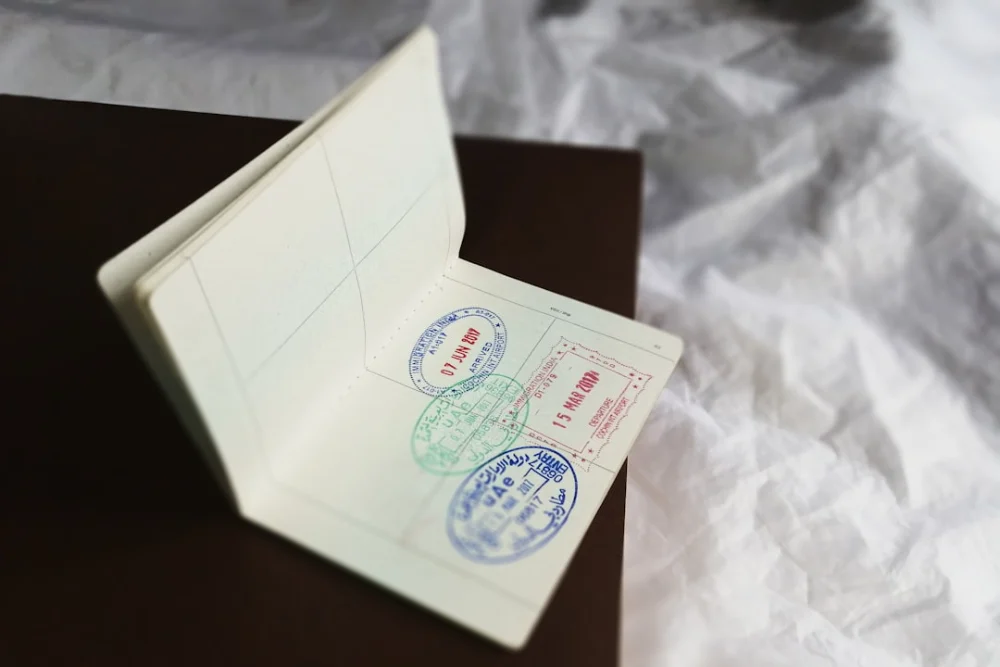
A visa and an entry stamp differ. The visa grants permission to seek entry. The stamp records that you actually entered.
The officer stamps your passport at the border. That stamp often shows your arrival date. It may also set your departure date.
Your allowed stay can depend on that stamp. Read it as carefully as the visa. The two work together.
Why visa formats differ by country
No single visa format rules the world. Each country designs its own. That is why stickers look so different.
Codes, colours, and layouts all vary. A field in one country may be missing elsewhere. This is normal and expected.
Formats also change over time. A government may redesign its visa. Old guides can quickly fall behind.
So never assume one country’s codes are universal. Read each visa on its own terms. When unsure, ask the issuer.
How to check your visa is correct
A quick review catches most errors. Do it the moment you receive the visa. Early checks save late headaches.
Start with your name and passport number. Then confirm the type and the dates. Finally check the entries and the stay.
Compare every field with your application. They should match without exception. Flag anything that looks off.
So build a habit of checking on collection. A few minutes now prevents big problems. Trust your eyes and your records.
What to do if something looks wrong
Sometimes a field does not add up. Do not travel and hope for the best. Act before your trip begins.
Contact the issuing office right away. Explain the problem in plain terms. Quote your visa number for speed.
Keep copies of everything you send. A clear record supports your case. It also helps if delays follow.
So treat any doubt as a signal. Ask questions early and often. The issuer is the true authority here.

Common mistakes when reading a visa
A few errors trip travellers up often. They are easy to avoid once known. A little care goes a long way.
The first is confusing validity with stay. People assume a long window means a long visit. That mistake causes overstays.
The second is ignoring the number of entries. A single entry visa ends when you leave. Many forget this at the border.
The third is skipping the annotations. Those small notes carry real conditions. Read them as closely as the dates.
Frequently asked questions
What are the main fields on a visa?
Most visas show the type, validity dates, number of entries, and allowed stay. They also list your personal details.
What is the difference between validity and length of stay?
Validity is when the visa can be used. Length of stay is how long each visit may last.
What does number of entries mean?
It shows how many times you may enter. Single, double, and multiple entry are the common options.
Can I stay for the whole validity period?
Usually not. Your stay is capped by the length of stay field, not the full validity window.
What is the machine-readable zone on a visa?
It is a strip of coded lines. Scanners read it quickly to confirm your details at the border.
Do visa codes mean the same in every country?
No. Codes and formats vary by country. Always confirm a code’s meaning with the issuing authority.
What are annotations on a visa?
They are extra notes or conditions. A remark might name a sponsor or limit your activities.
What should I do if my visa has an error?
Contact the issuing office before you travel. Explain the problem and quote your visa number for speed.
Is the entry stamp part of my visa?
No, but it works with it. The stamp records your entry and can set your departure date.
Where can I confirm what my visa allows?
Ask the embassy or consulate that issued it. They are the true authority on its terms.

The bottom line
So how do you read and understand your visa? Learn the common fields and check them one by one. The type, dates, entries, and stay tell the whole story.
Remember that validity and length of stay differ. A long window rarely means a long visit. Read the annotations and confirm your personal details.
Formats change and vary by country, so verify meanings with the issuer. Learn how to apply for a tourist visa for the next step. See the difference between a visa and passport too. Build a full travel document checklist before you fly.
Read your sticker with care and travel with confidence. For deeper background, see this overview of the travel visa and how a machine-readable zone works.