
You finish a hard session and feel wiped out. Was it the effort or simple thirst? So how should you hydrate before, during and after exercise? Good fluid timing can change how you feel.
Rather than gulping water at random, plan your drinks. Hydration is a full-day habit, not a last dash. Your body loses water and salts through sweat. A steady approach keeps you strong and clear-headed.
Here is the honest answer. Drink water in the hours before you train. Sip small amounts during longer or harder efforts. Replace lost fluids calmly after you finish. Add some salts when sweat runs heavy. Match your drinking to the conditions.
This guide covers each stage in plain steps. You will learn how much to drink and when. We compare water and sports drinks fairly. This is not medical advice. See a professional.
So how should you hydrate before, during and after exercise?
The honest answer spreads your fluids across three stages. Each stage has a simple job. Together they keep your body balanced.
Think of hydration like topping up a tank. You fill before the drive begins. You sip along the way as needed. Then you refill once the journey ends.
Do you need a rigid formula for this? Not really, since your body gives clear signals. Thirst, urine colour, and energy all guide you. Learn to read those signs.
Why water matters during exercise
Water does far more than quench thirst. It helps carry nutrients around your body. It also keeps your temperature steady.
During exercise, you sweat to cool down. That sweat pulls water from your system. Even mild loss can dent your performance. You may feel tired or foggy sooner. Good hydration keeps you sharp and steady.
Your muscles and joints rely on fluid too. Water cushions and lubricates as you move. Low fluid can make effort feel harder. It can also raise your risk of cramps.
Did you know?
Your body is mostly water by weight. Even small fluid losses can affect how you feel and perform.
How to hydrate before exercise
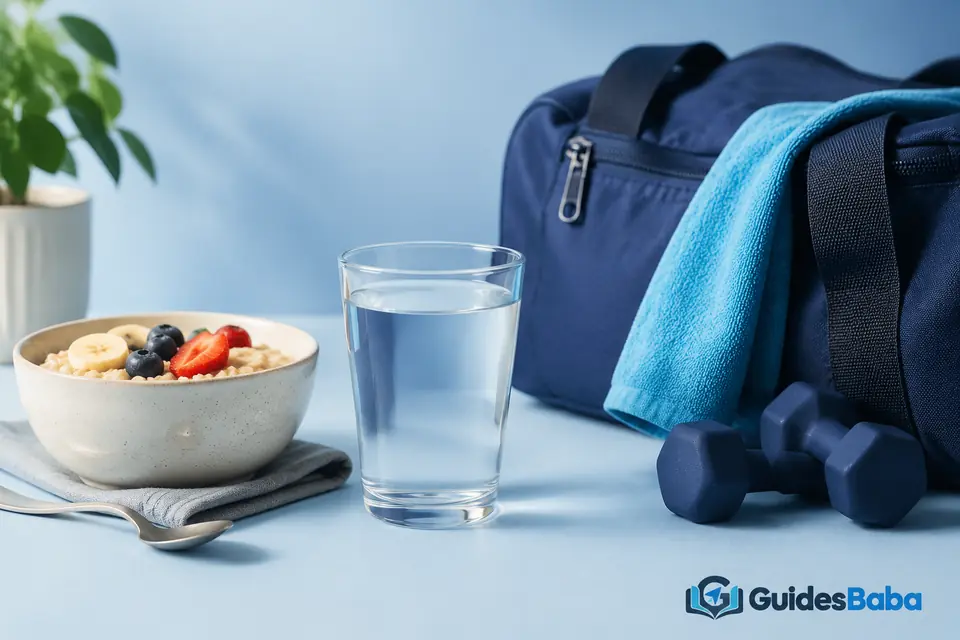
Pre-exercise hydration sets you up for success. You want to start already topped up. That means drinking in the hours beforehand.
Sip water steadily through the day before training. Have a modest glass in the final hour. You need not flood yourself all at once. Steady sipping beats a sudden large drink. Learn how much water to drink each day.
Check your urine colour as a rough guide. Pale usually means you are well hydrated. Dark can signal you need more fluid. Adjust your intake before you start.
How to hydrate during exercise
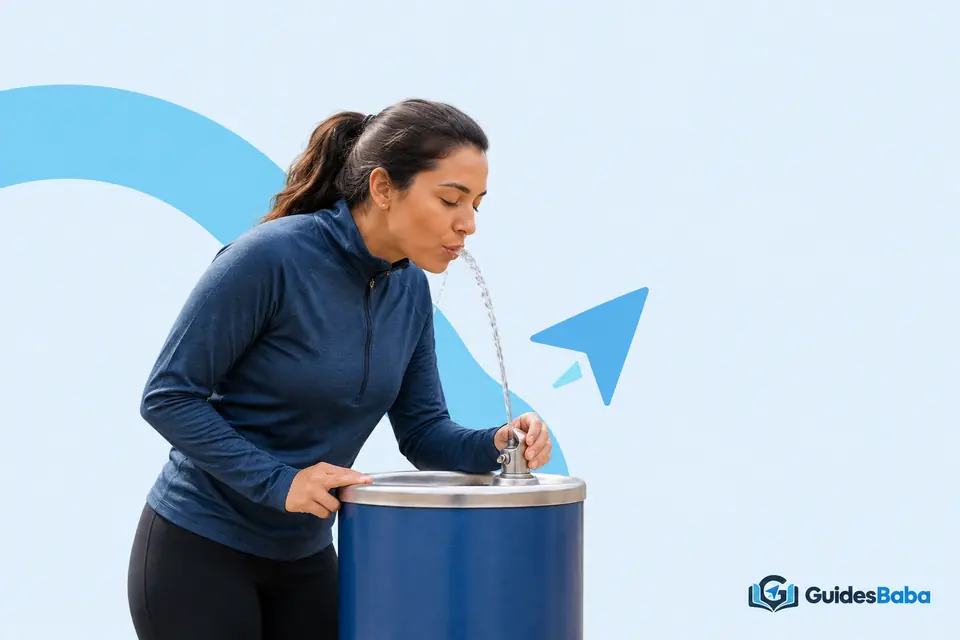
During exercise your needs depend on the effort. Short, easy sessions may need very little. Longer or harder efforts need regular sips.
For sessions under an hour, water is usually enough. Take small sips when you feel thirsty. Avoid gulping large amounts at one time. Big drinks can slosh and cause discomfort.
For longer efforts, plan your drinking ahead. Carry a bottle and sip at intervals. Hot days raise your fluid needs sharply. Listen to your thirst as you go. Steady intake keeps energy from dipping.
How to hydrate after exercise

Recovery hydration replaces what your session drained. You lose fluid and salts through sweat. Refilling helps your body bounce back.
Start drinking soon after you stop moving. Sip water steadily rather than downing it fast. Pair fluids with a light snack if hungry. Good post-workout food supports recovery too. Calm refilling settles your system.
Weigh how thirsty and tired you feel. Heavy sweat sessions need more careful replacing. Keep sipping across the next few hours. Your urine colour will slowly normalise.
Why electrolytes matter when you sweat
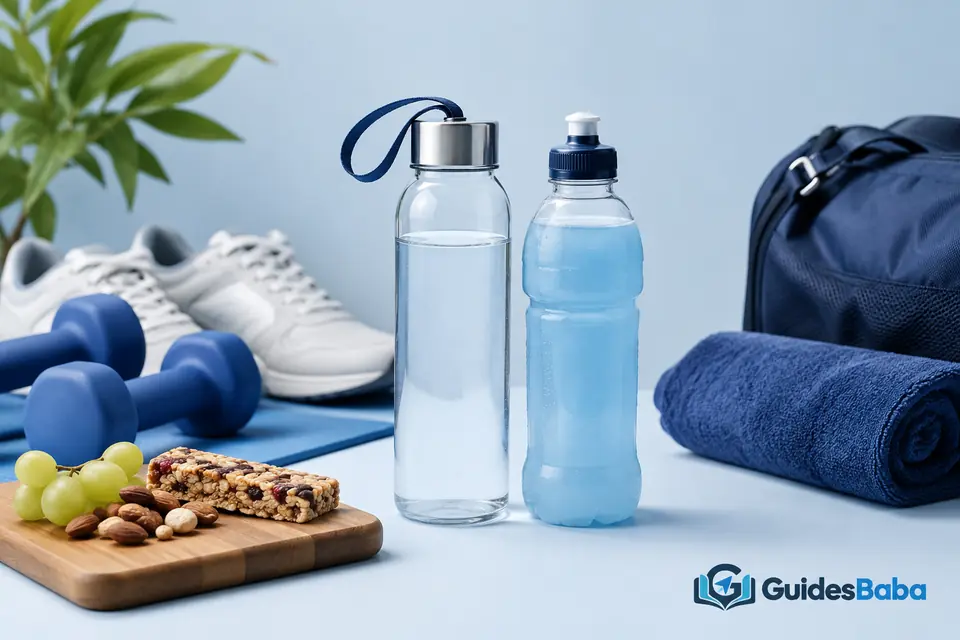
Sweat carries more than plain water away. It also removes salts called electrolytes. These minerals help your body function well.
Sodium and potassium support your nerves and muscles. Losing too much can leave you feeling off. Cramps and fatigue sometimes follow heavy sweating. A little salt replacement can help.
For most short sessions, food covers your salts. A normal meal restores what you lost. Very long or sweaty efforts may need more. Some potassium-rich foods help here. Match the response to the loss.
Why timing your fluids matters
When you drink shapes how you feel. Drinking too much at once can bloat you. Spacing your fluids keeps things comfortable.
Aim to arrive at training already hydrated. Sip gently during the effort itself. Then refill steadily once you finish. This rhythm avoids sudden swings.
Rushing a huge drink rarely helps you. Your body absorbs fluid at a steady pace. Extra water just leaves quickly anyway. Spread it out for better use.
Signs you are drinking enough
Your body offers clear hydration clues. You do not need constant measuring. A few simple signs tell the story.
Pale urine usually means you are on track. Steady energy is another good sign. You should not feel very thirsty often. Your mouth stays comfortable, not dry. These cues guide daily drinking.
Mood and focus also reflect your fluid balance. Good hydration supports a clear, calm mind. Feeling foggy can hint at low fluid. Check in with yourself during long days.

Signs of dehydration to watch
Dehydration can creep up during hard training. Spotting it early keeps you safe. A few warning signs stand out.
Strong thirst and a dry mouth are common. Dark urine often points to low fluid. You may feel dizzy, tired, or headachy. Your effort can suddenly feel much harder. Respond to these signs quickly.
Serious dehydration deserves real caution. Slow down and drink if you feel unwell. Rest in the shade on hot days. Seek help if symptoms feel severe.
How weather affects your fluid needs

The weather shapes how much you sweat. Hot, humid days pull fluid away fast. Cool days lower your needs a little.
In heat, you sweat more to stay cool. That means faster fluid and salt loss. Drink more often and watch for warning signs. Some hydrating foods can help too. Adjust to the conditions around you.
Cold weather can trick you into drinking less. You still sweat under warm layers. Thirst may feel weaker in the cold. Keep sipping even when it is chilly. Your body still needs fluid.
How exercise length changes your needs
The length of your session guides your plan. A quick walk asks very little. A long ride asks for far more.
Short workouts rarely need mid-session drinks. Water before and after usually covers them. Long efforts need steady fluid along the way. Salts may matter for lengthy, sweaty sessions. Duration sets the demand.
Very long events call for careful planning. Map out where you will drink and refuel. Practice your plan on training days first. Never test something brand new on event day. Preparation protects your performance.
Water versus sports drinks
People often wonder which drink suits them. The clear comparison is water versus sports drinks. Each fits a different situation.
| Plain water | Sports drinks |
|---|---|
| Best for shorter sessions | Aimed at long, sweaty efforts |
| No added sugar or salts | Contains salts and some carbs |
| Simple and low cost | Handy when sweat runs heavy |
| Enough for everyday exercise | Useful for endurance events |
Choose water for most regular workouts. Choose a sports drink for long, hot efforts. Both can keep you hydrated well. Match the drink to your session.
Foods that help you stay hydrated
Hydration does not come from drinks alone. Many foods carry plenty of water. They quietly boost your daily fluid.
Fruits and vegetables are especially watery. Cucumber, melon, and oranges all help. Soups and yoghurt add fluid too. A balanced diet supports your hydration. Food and drink work together.
These foods also bring useful salts and vitamins. That makes them a smart recovery choice. Pair them with water after training. Whole foods round out your plan nicely.
How much fluid is too much
More water is not always better. Drinking far too much can cause problems. Balance matters at both extremes.
Overdrinking can dilute the salts in your body. That rare situation can make you unwell. It mostly affects very long endurance events. Sip to thirst rather than forcing litres. Moderation keeps you safe.
For everyday exercise, this worry is small. Most people drink too little, not too much. Simply match your fluids to your effort. Let thirst and urine guide you. Common sense usually wins.
Common hydration mistakes
One common mistake is starting already dry. Skipping fluids beforehand sets you back. Arrive topped up instead.
Another mistake is gulping huge amounts at once. Your body cannot absorb a flood quickly. Small, frequent sips serve you better. Spacing your drinks avoids discomfort. Steady habits beat sudden ones.
Some people ignore salts on sweaty days. Others forget to drink in cold weather. Both errors can sap your energy. A little planning prevents them. Small steps protect your session.
Building a simple hydration plan
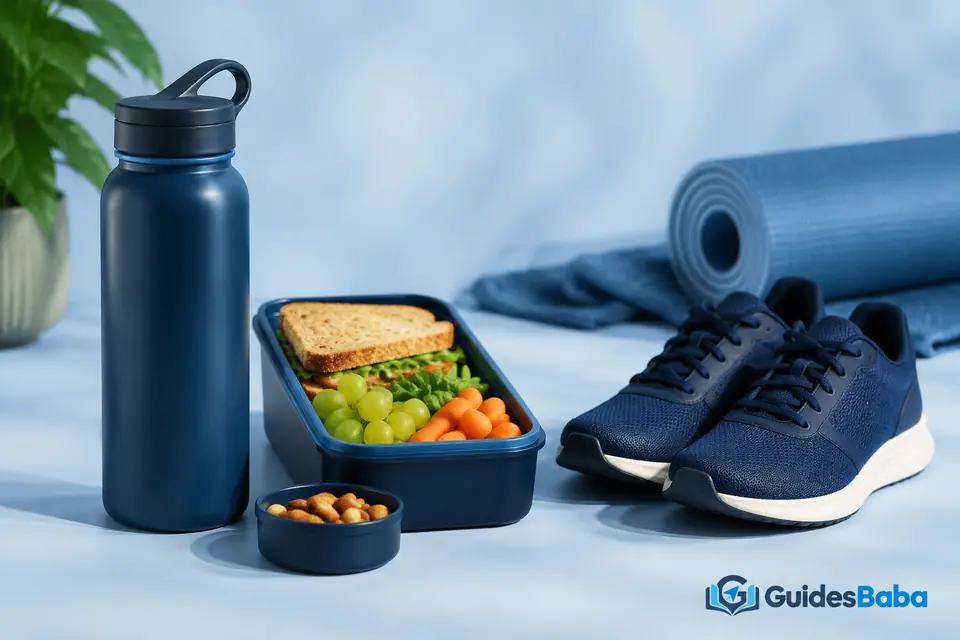
A steady plan removes the guesswork. Decide roughly when you will drink. Repeat what leaves you feeling strong.
Drink through the day before you train. Sip during longer or hotter sessions. Refill calmly once you finish up. Note how each choice makes you feel. Small tweaks refine your routine.
Keep a bottle where you can see it. Visible water reminds you to sip. Adjust the plan as seasons change. Consistency builds real confidence over time.
Who might need tailored advice
General guidance suits most healthy adults well. Still, some people need personal care. Certain situations change the picture.
Athletes, older adults, and some patients differ greatly. Certain conditions affect fluid and salt balance. Your doctor understands your full history. Personal advice always beats general rules here.
This is not medical advice. See a professional for your own situation. Use these ideas as a friendly guide. A short chat can prevent bigger problems.
Frequently asked questions
How should you hydrate before exercise?
Drink water steadily in the hours before training. Have a modest glass in the final hour.
Should I drink during a short workout?
Short, easy sessions often need little or nothing. Sip water if you feel thirsty.
How much should I drink after exercise?
Replace fluids steadily over the next few hours. Let thirst and urine colour guide you.
Do I need a sports drink?
Most everyday workouts only need plain water. Long, sweaty efforts may benefit from salts.
What are signs of dehydration?
Dark urine, strong thirst, and dizziness are common. Effort can suddenly feel much harder.
Can I drink too much water?
Yes, overdrinking can dilute your body salts. This mostly affects very long endurance events.
How does hot weather change my needs?
Heat raises sweating and speeds fluid loss. Drink more often and watch for warning signs.
Do foods count toward hydration?
Yes, watery fruits and vegetables add fluid. Soups and yoghurt help top you up.
Should I drink to a strict schedule?
A rough plan helps on long sessions. Otherwise, sipping to thirst works well.
How do I know I am hydrated?
Pale urine and steady energy are good signs. You should not feel very thirsty often.
The bottom line
So how should you hydrate before, during and after exercise? Drink water in the hours before you start. Sip small amounts during longer or harder efforts. Replace lost fluids calmly once you finish. Add some salts when sweat runs heavy.
Let thirst and urine colour guide your drinking. Watch the weather and your session length. Water suits most everyday workouts well. Save sports drinks for long, hot efforts.
For more background, read this overview of dehydration and its signs. You can also explore how electrolytes support your body. Use trusted sources to guide your habits.
This is not medical advice. See a professional for your personal needs. Hydrate in a way that feels good. Then enjoy stronger, steadier sessions.