

You are at a steaming bowl of noodles in a new country. The locals are slurping happily. You freeze, spoon in hand. So is it okay to slurp your soup?
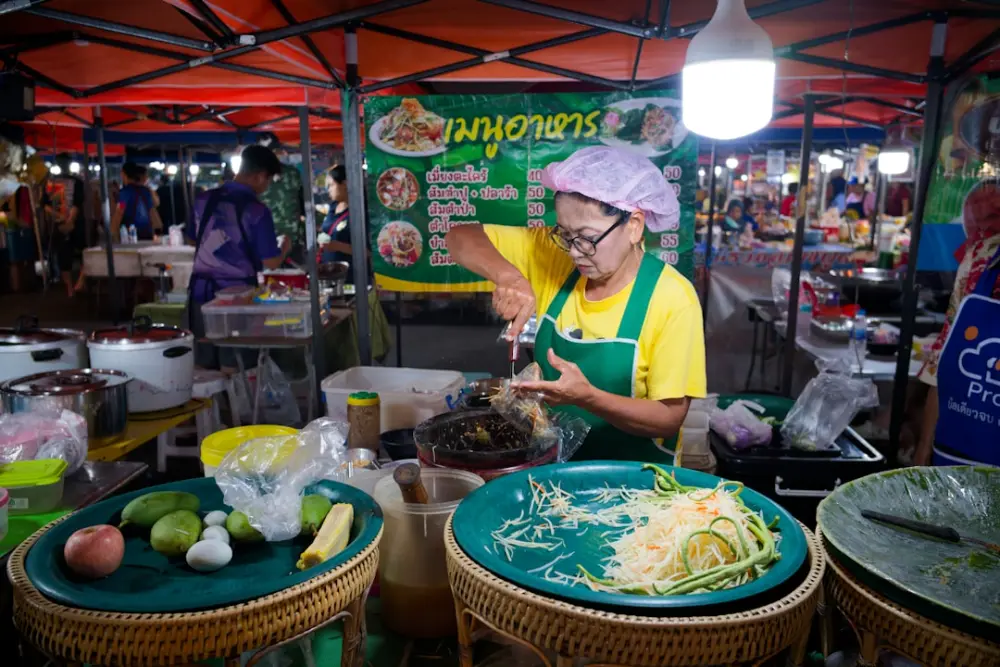
It feels like a trick question. At home you were told slurping is rude. Yet here everyone does it, loudly and with joy. Who is right?
Here is the honest answer. It depends entirely on where you are. In much of the West, slurping is frowned upon. In much of East Asia, it is normal and even a compliment.
This guide clears the confusion. You will learn where slurping is welcome and where it is not. You will also learn how to read any table. So you never feel out of place again.
Is it okay to slurp your soup?
Yes and no, and the answer is all about place. In many Western countries, slurping soup is considered bad manners. In much of East Asia, like Japan, slurping noodles and broth is normal. It even shows you are enjoying the meal.
So there is no single global rule. Table manners are a local language, and every culture speaks a slightly different dialect. What sounds rude in one room sounds happy in another.
Should you slurp on your next trip? Only if the locals do. When in Rome, do as the Romans do, as the old saying goes.
Read the room first. That one habit turns a nervous moment into an easy one.
Did you know?
In Japan, slurping noodles is often seen as a sign you love the dish. Some even say it cools the noodles and lifts the flavor as you eat.
Where slurping is welcome
Let us start with the happy places. In several East Asian food cultures, slurping is not just allowed. It is part of the joy of eating.
In Japan, slurping ramen or soba is common and cheerful. It signals you are into the meal, and it can cool a hot mouthful fast.
In parts of China and other Asian countries, eating noodles with gusto is normal too. A little noise means a lot of enjoyment.
So in these rooms, do not fight your instincts. A quiet, careful nibble can even seem a bit cold. Loosen up and eat like the locals do.

Where slurping is frowned upon
Now the other side of the table. In much of the Western world, slurping reads as poor manners. Quiet eating is the expected norm.
In many European countries and North America, soup is sipped softly from the spoon. Loud sounds at the table draw raised eyebrows.
Formal dinners raise the bar further. At a business meal or a fancy restaurant, silent eating shows polish and respect.
So in these settings, keep it low-key. When you are unsure, quiet is the safer bet. You can always loosen up once you see how others eat.
East versus West: a quick comparison
Two dining worlds, two very different takes. Here is the contrast at a glance. Neither is right or wrong. They are simply different.
See the split? Same soup, opposite manners. The bowl did not change. Only the room around it did.
How to read any table in seconds
You do not need to memorize the world. You just need to watch. A few quick cues tell you exactly how to eat.
Glance at the locals first. If they slurp, you can slurp. If they eat in silence, follow their lead. Monkey see, monkey do works beautifully here.
Notice the setting too. A casual noodle stall is relaxed. A formal dining room is not. Match your volume to the mood of the place.

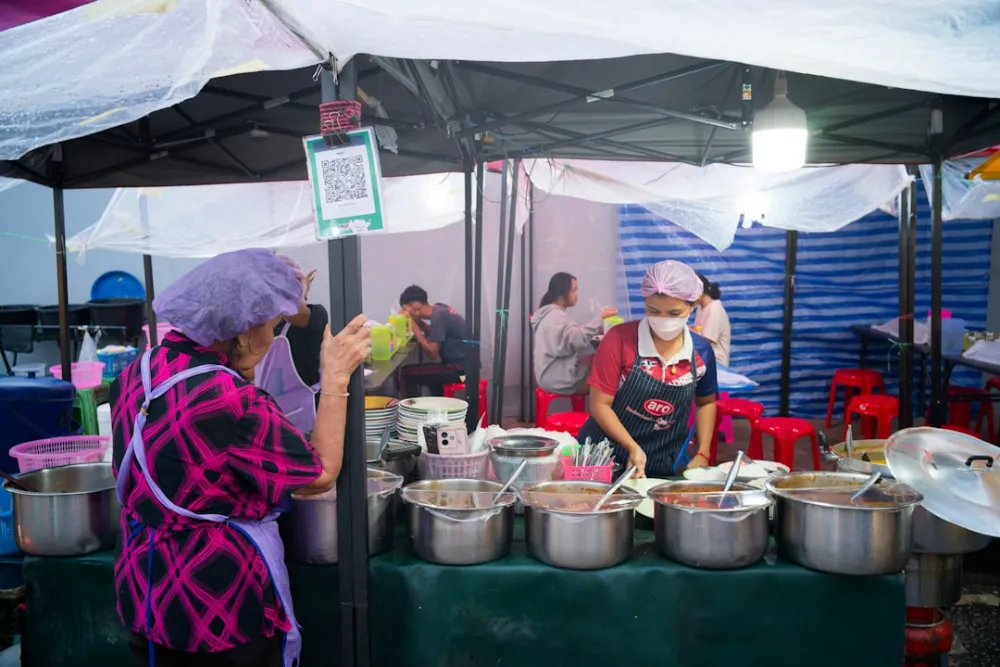
Why do some cultures slurp at all?
It is a fair question. Why would noise ever be polite? The reasons are practical and warm, once you hear them.
Slurping pulls in air with the food. That air cools a hot noodle on the way to your mouth. It is a clever trick against a scalding bowl.
Some also say it lifts the aroma and flavor. Drawing broth in fast spreads the taste across your palate. The sound is a side effect of good eating.
And in some cultures, a little noise is a thank-you. It tells the cook the meal is a hit. Silence, oddly, can feel like faint praise.
So the “rude” sound has a logic. Once you know the why, the noise stops feeling strange. It starts to sound like joy.
A quick country-by-country tour
Let us walk the map a little. Customs shift as you cross borders. A few examples show just how wide the range runs.
In Japan, slurping ramen and soba is cheerful and normal. The noise is part of the fun, not a faux pas.
In China, eating noodles with energy is common. A bit of sound signals a good appetite and a happy guest.
In the United Kingdom and United States, quiet eating rules. Soup is sipped softly, and loud slurping turns heads.
In much of Europe, the same hush applies at the table. A gentle spoon beats a noisy one nearly everywhere in the West.
The lesson is simple. The map, not the menu, decides the manners. Check the local custom before you dig in.
What about tea, broth, and other drinks?
Soup is not the only noisy food. The same cultural split shows up with tea and broth. The logic follows the borders again.
In some Asian tea traditions, a light slurp is fine. It cools the sip and shows appreciation. The sound is not a scandal.
In Western settings, tea and coffee are drunk quietly. A loud sip at a cafe would draw a glance. Soft is the safe default.
With broth served in a cup, follow the same rule. Watch the locals, match their volume, and you cannot go wrong.

How to slurp politely if you try it
Say you want to join in. You are in a ramen shop and the room is buzzing. How do you slurp without making a mess?
Start with a small mouthful, not a huge one. Draw the noodles in with a steady breath. A gentle pull beats a giant gulp.
Lean slightly over the bowl to catch drips. This keeps broth off your shirt and the table. Practice makes perfect, as they say.
Keep your pace relaxed and your smile easy. Nobody expects a first-timer to be flawless. The effort alone wins goodwill.
The deeper rule: respect over habit
Strip away the details and one idea remains. Good table manners are really about respect. The specific sound matters less than the intent behind it.
Basic table manners exist to make shared meals pleasant. That goal looks different from country to country. Your job is to honor the local version.
Whether or not you decide to slurp, do it with awareness. Watch, adjust, and follow the people around you. That respect never goes out of style.
So the real skill is not knowing every rule. It is caring enough to read the room. Curiosity and kindness travel further than any etiquette chart.
Is slurping unhygienic?
Some travelers worry about germs and mess. It is a fair thought. But the concern is mostly about splashing, not health.
Slurping pulls food and air together quickly. Done gently, it stays clean and controlled. Done wildly, it can spray broth around.
So the fix is technique, not fear. Keep your bites small and your pace calm. A tidy slurp is quiet enough and never a health risk.
In cultures where slurping is normal, it is simply how people eat. The habit is old, safe, and part of the local table.
Teaching kids about table manners abroad
Traveling with children adds a fun twist. Kids notice the new sounds fast. A little guidance helps them fit in and enjoy it.
Explain the idea simply. In some places noodles are noisy and that is okay. In others we eat quietly. It is like changing shoes for the weather.
Let them watch the locals with you. Kids copy quickly, and turning it into a game keeps it light. Curiosity beats correction every time.
Most of all, keep it relaxed. A child who tries the local way, even clumsily, charms everyone. Effort matters more than polish.
Common dining etiquette mistakes abroad
Slurping is just one trap among many. A few other habits catch travelers out. A little awareness spares you an awkward moment.
The first is assuming your home rules apply everywhere. What is polite at your table may be odd at another. Every country writes its own script.
The second is being loud about your surprise. Gasping at a local custom can sting. Quiet curiosity lands far better than open judgment.
The third is refusing to try. Copying the locals is a compliment, not a risk. Give the custom a go, and people warm to you fast.
The last is stressing too much. One wrong move rarely offends anyone. A warm smile covers a multitude of small slips.
Slurping on a date or business meal
Some meals carry extra weight. A first date or a business lunch is not the place to guess. Here the setting matters more than the country.
At a formal or professional table, lean quiet by default. Soft eating reads as polish, wherever you are in the world.
At a casual local spot with colleagues, relax and follow them. If your host slurps happily, you can join in with a smile.
When in doubt, let your host set the pace. Mirroring them is the safest, warmest move you can make.

Frequently asked questions
Is it okay to slurp your soup?
It depends on where you are. In much of the West it is rude. In much of East Asia it is normal.
Is slurping polite in Japan?
Often, yes. Slurping noodles can signal you are enjoying the meal, and it helps cool hot bites.

Is slurping rude in Western countries?
Usually. In most Western settings, soup is sipped quietly, and loud slurping draws frowns.
How do I know if I can slurp?
Watch the locals. If they slurp, you can too. If they eat quietly, follow their lead.
Why do people slurp noodles?
It cools hot noodles and spreads the flavor. In some cultures it also shows the cook you love the dish.

Should I slurp at a formal dinner?
No. At formal or business meals, quiet eating is the safe and respectful choice.
Is it disrespectful not to slurp in Asia?
Not at all. Slurping is welcome, not required. Eating quietly is perfectly fine too.
Does slurping really improve flavor?
Many say yes. Drawing in air with the broth can spread the taste across your palate.
What if I make a table manners mistake?
Do not panic. A warm smile and a willingness to learn smooth over almost any slip.
How can I prepare before a trip?
Read up on local dining customs, or simply plan to watch and copy the locals.
The bottom line
So is it okay to slurp your soup? Where you are decides it. In much of East Asia, slurp away with joy. In much of the West, keep it quiet.
The trick is never a fixed rule. It is reading the room and following the locals. Do that, and you will fit in at any table on earth.
Feed your curiosity as you travel. Explore the flavors of the best country to visit in Asia. See the top attractions in Bangladesh too. And mind your manners at the hotel with how tidy to leave a room.
Eat with an open mind and a warm heart. Then every meal abroad becomes a small, delicious adventure.