

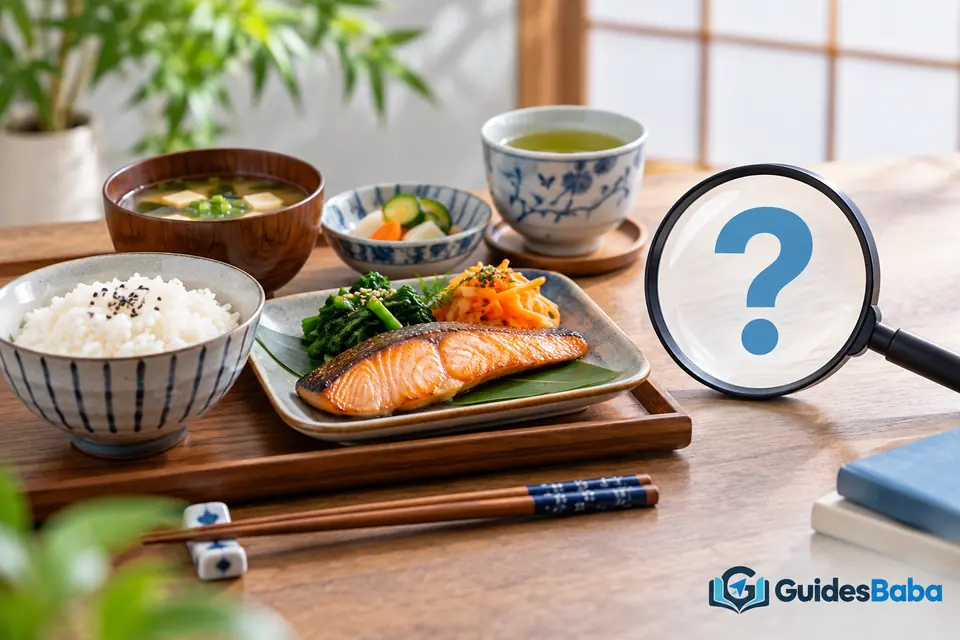
You have seen the videos promising one secret from Japan. They make it sound almost effortless. So what is the Japanese trick to lose weight? The honest picture is calmer than the hype.
Rather than chasing a single magic move, look wider. Japan has many small habits around food and movement. No one trick melts fat by itself. Together, though, these habits support a healthy weight.
Here is the honest answer. There is no secret Japanese trick that burns fat alone. Instead there are sensible customs worth learning. People often eat to about 80 percent full. Meals lean on vegetables, fish, and modest portions. Daily walking and slow eating round it out. These habits help, but they are not magic.
This guide covers the real habits behind the claims. You will learn what to copy and what to skip. We compare quick fixes against steady habits. This is not medical advice. See a professional.
So what is the Japanese trick to lose weight?
The honest answer is that no single trick exists. Popular videos oversell one idea at a time. Real results come from many small habits.
Think of these habits as threads in a rope. One thread alone snaps under weight. Woven together they grow strong. Portion control, vegetables, and walking form that rope.
Can one custom change your body fast? No, lasting change takes weeks and months. A steady calorie balance does the real work. Japanese habits simply make that balance easier. They guide gentler eating without strict rules.
Why there is no single magic trick
Weight loss follows the same rules everywhere. You must use more energy than you eat. No country escapes that basic maths.
The Japanese habits people admire work through this rule. Smaller portions cut calories quietly. More vegetables add volume with less energy. These habits shrink intake without harsh dieting. The trick is really a set of habits.
So treat viral tricks with calm doubt. A clip cannot rewrite human biology. Look for the habit behind the headline. That habit is usually simple and sensible.
Did you know?
Many Japanese customs support weight through portion size and vegetables. No single trick burns fat on its own.
Hara hachi bu and eating to 80 percent
One famous custom is hara hachi bu. It means eating until you feel 80 percent full. This gentle rule guards against overeating.
Your stomach signals fullness with a small delay. Stopping early lets those signals catch up. Over time this trims your total intake. Mindfulness makes the habit work.
Try leaving a little food on the plate. Notice comfort rather than a stuffed feeling. This simple pause supports a calorie deficit. It is a habit, not a quick trick.
The Japanese water therapy claim
Some videos push a Japanese water therapy. It involves drinking water on an empty stomach. The claims often stretch well past the science.
Water can support weight loss habits gently. It may ease early hunger before meals. Yet it does not burn fat directly. No morning ritual melts your waistline. Treat bold water claims with care.
Stay hydrated in a sensible, steady way. Learn how much water to drink each day here. Skip the dramatic promises and rules. Balance beats any strict water schedule.
Smaller plates and portion sizes
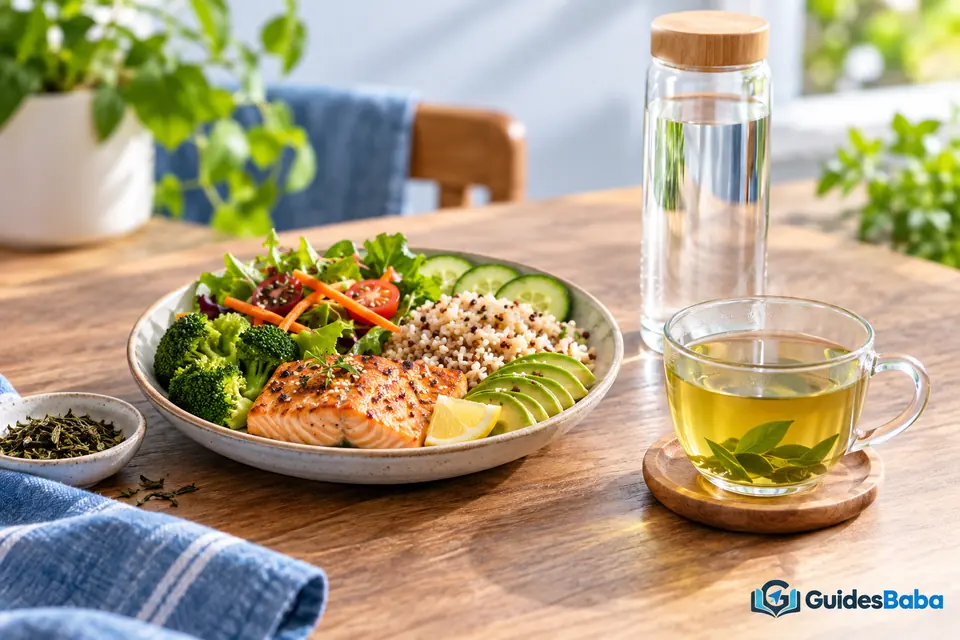
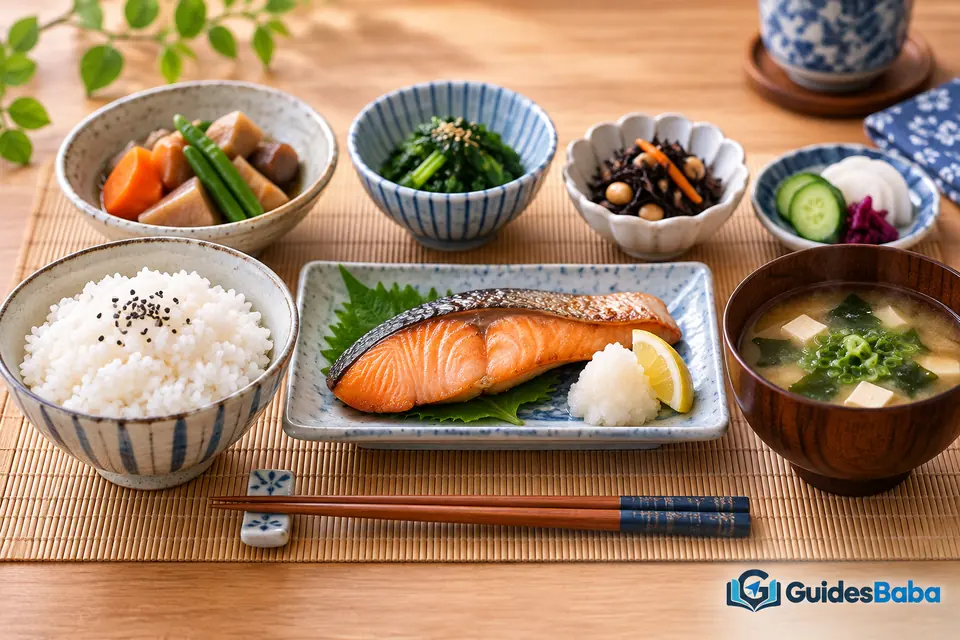
Japanese meals often arrive in small dishes. Several little bowls replace one huge plate. This layout naturally limits portions.
Smaller plates make normal servings look full. Your eyes help your stomach feel satisfied. The habit trims calories without a sense of loss.
Try serving your food on smaller plates. Plate your meal once and sit down. Avoid eating straight from big containers. Small changes here add up over time.
Vegetables and fish at the centre
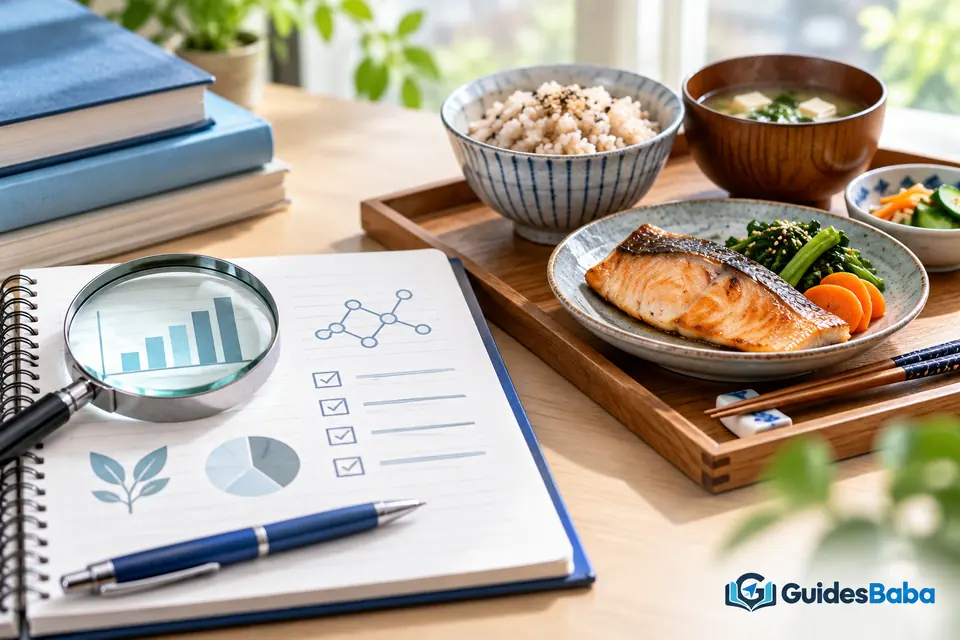
Traditional Japanese plates lean on vegetables and fish. These foods fill you with fewer calories. They also carry useful nutrients.
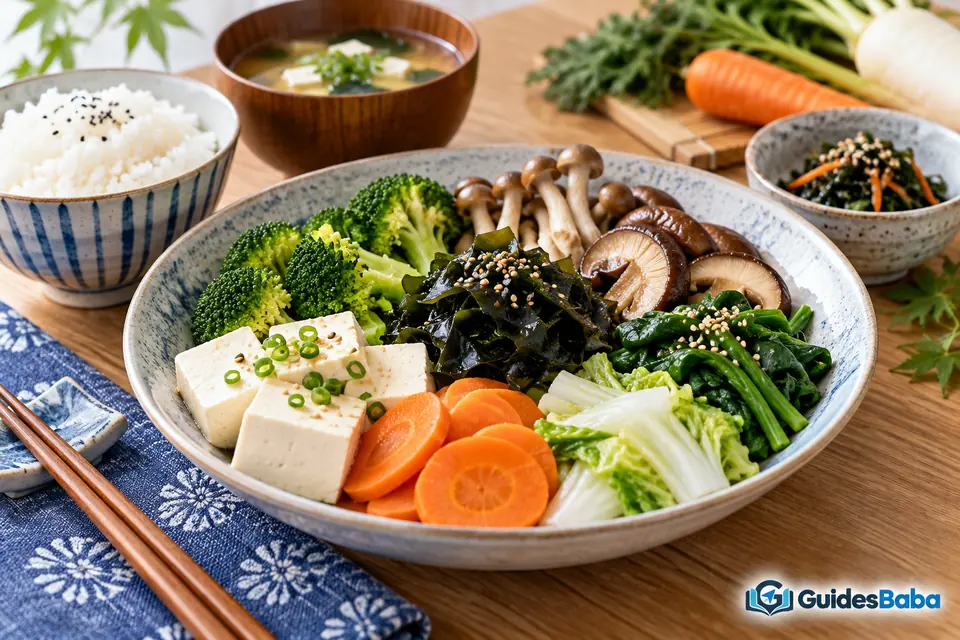
Vegetables add fibre, volume, and colour to meals. Fish offers lean protein that keeps you full. Together they crowd out heavier, richer foods. This balance supports a healthy weight naturally. See the best vegetables to eat for ideas.
Build your own plates around these foods. Fill half with vegetables where you can. Add a palm of protein like fish. Round it out with a modest grain portion.
Green tea and everyday drinks
Green tea is a common daily drink in Japan. People often sip it without sugar. That simple choice avoids many liquid calories.
Green tea itself is not a fat burner. Its main gift is replacing sweet drinks. Unsweetened tea keeps calories low and steady. It fits a calm daily routine well. The habit matters more than any magic claim.
Swap one sugary drink for plain tea. Keep it unsweetened to reap the benefit. Water and tea make a strong pair. Skip the exaggerated fat-burning promises.

Walking and daily movement
Daily walking is woven into many Japanese lives. People walk to stations and around towns. This steady movement burns real energy.
Regular walking supports your calorie balance well. It needs no gym and no special gear. Short walks after meals aid digestion too. Movement across the day beats one hard session. Consistency is the quiet secret here.
Add short walks to your normal routine. Take stairs and park a little further. Small steps stack into big totals.
Mindful and slow eating
Japanese meals often unfold at a calm pace. Slow eating gives fullness signals time to arrive. That helps you stop before overeating.
Chewing well and pausing between bites both help. You taste more and eat less overall. A calm table supports better choices. Mindfulness turns a meal into a habit that helps.
Put your fork down between bites. Chew slowly and notice the flavours. Give each meal your full attention. This gentle habit supports steady weight.
Fermented foods and gut health
Fermented foods appear often in Japanese meals. Miso, natto, and pickles are common examples. They add flavour with modest calories.
These foods may support a healthy gut. A varied diet with fibre helps digestion. Fermented sides fit that varied pattern well. They are tasty, not magic fat burners. Enjoy them as part of a broad diet.
Add small servings of fermented foods where you like. Pair them with vegetables and whole grains. Keep portions modest, since some are salty. Variety serves your health best.
Quick fixes versus steady habits
People often ask which path really works. The clear comparison is quick fixes versus steady habits. Each leads to a very different result.
| Viral quick fixes | Steady Japanese habits |
|---|---|
| Promise fast results | Build slow, real change |
| Rely on one trick | Rely on many small habits |
| Hard to sustain | Easy to keep for life |
| Often bring rebound gain | Support lasting balance |
Steady habits clearly win over the long run. Quick fixes fade and often backfire. Copy the calm customs, not the drama. A balanced diet supports the whole plan.
Common mistakes copying trends
One mistake is chasing every new video. Trends shift faster than real habits form. Focus wastes on the wrong thing.
Another mistake is copying only the dramatic parts. People try water rituals but skip the vegetables. Crash versions of these ideas rarely last. Balance and patience matter far more.
Some people also ignore their own culture. You can blend Japanese habits with local foods. Keep what helps and adapt the rest. Sustainable beats strict every time.
Myths about Japanese weight loss
One myth says Japanese people never gain weight. Everyone can gain weight with certain habits. Culture shapes trends, not magic immunity.
Another myth claims one food or drink is the secret. No single item melts fat by itself. Green tea and water help through habits. Bold single-food claims deserve doubt.
A calmer view helps you far more. Learn the habits and apply them slowly. Skip promises of instant transformation. Honest change is steady and quiet.
Building your own version of these habits
You do not need to copy everything exactly. Pick the habits that fit your life. Adapt them to foods you enjoy.
Start with portion control and more vegetables. Add a daily walk and slower eating. Swap some sweet drinks for water or tea. Combine ideas like high protein foods for fullness. Build the routine one habit at a time.
Keep changes small and repeatable at first. Let each habit settle before adding another. Progress feels lighter this way. Your own version will last longer.
Rice, noodles, and smart carbohydrates
Rice and noodles appear in many Japanese meals. Portions are often modest, not overflowing. That balance keeps carbohydrates in check.
Carbohydrates are not the enemy here. Modest servings alongside vegetables and protein work well. The plate stays balanced rather than heavy. See the healthiest carbohydrate sources here.
Keep your own grain portions modest. Pair rice or noodles with plenty of vegetables. Balance the plate rather than banning foods. Moderation beats strict cutting.
Japanese breakfast habits
A traditional Japanese breakfast looks quite varied. It may include rice, fish, and vegetables.
A balanced breakfast helps steady your hunger. Protein and fibre keep you full longer. That can reduce mid-morning snacking. The habit supports gentle portion control.
You can adapt this idea to your kitchen. Add some protein and vegetables at breakfast. Skip very sugary morning foods.
Who should ask a doctor first
General habits suit most healthy adults. Still, some people need personal guidance. Certain conditions change the picture.
Diabetes, heart issues, or eating disorders need care. Some diets do not suit every body. Pregnancy raises different needs too. Your doctor knows your full history. Personal advice always beats general trends.
This is not medical advice. See a professional for your own situation. Ask before big diet or fasting changes. A short chat can prevent real problems.
Frequently asked questions
Is there a single Japanese weight loss trick?
No, there is no single magic trick. Many small habits support a healthy weight together.
What is hara hachi bu?
It means eating until you feel 80 percent full. This gentle rule helps prevent overeating.
Does Japanese water therapy burn fat?
No, water does not burn fat directly. It only supports habits like curbing early hunger.
Is green tea a fat burner?
Green tea is not a real fat burner. Its value lies in replacing sugary drinks.
Why do smaller plates help?
Smaller plates make normal servings look fuller. They trim portions without a feeling of loss.
Does walking really matter?
Yes, daily walking burns real energy over time. It supports your calorie balance without a gym.
Are fermented foods needed for weight loss?
No, fermented foods are helpful but not essential. Enjoy them as part of a varied diet.
How fast will these habits work?
Change is steady and takes weeks or months. Sustainable habits beat any quick fix promise.
Can I mix these habits with local food?
Yes, adapt the habits to foods you enjoy. Keep portion control, vegetables, and daily movement.
When should I ask a doctor?
Ask a doctor if you have health conditions. Diabetes, heart, or pregnancy needs deserve personal advice.
The bottom line
So what is the Japanese trick to lose weight? There is no single secret at all. The real answer is a set of habits. People eat to 80 percent full and choose vegetables. They walk daily and eat slowly and mindfully. Those habits support a healthy weight over time.
Skip the viral promises of instant results. Copy the calm customs behind the clips. Small, steady changes will serve you best. Patience beats any dramatic quick fix.
For more background, read this overview of Japanese cuisine and its balance. You can also explore the role of green tea as a daily drink. Use trusted sources to guide your habits.
This is not medical advice. See a professional for your personal needs. Choose habits you can keep for life. Then let steady customs shape your health.