
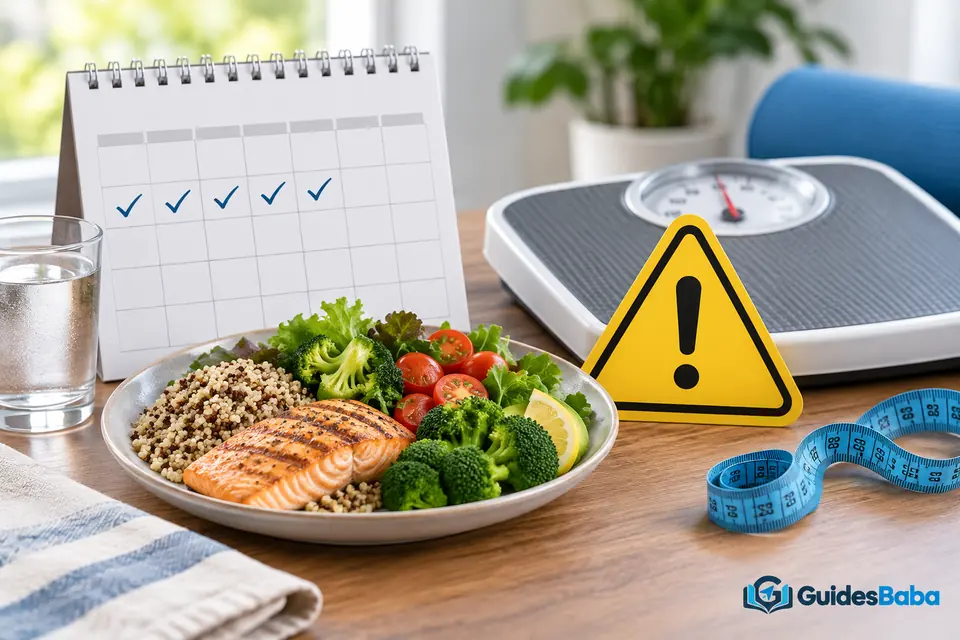
The scale feels stubborn and the week feels short. You want a fast, visible drop. So how do you lose 5 lbs in a week? The honest answer needs a clear reality check.
Rather than chasing a dramatic number, understand what moves it. The scale reflects far more than body fat. Water, food, and glycogen all shift daily. A big weekly drop is rarely pure fat.
Here is the honest answer. You can see the scale fall by 5 lbs quickly. Most of that loss is water, not fat. Real fat loss is slower and steadier. A commonly cited safe rate is about 1 to 2 pounds weekly. Crash plans may show fast numbers that soon return. Steady habits protect your health and results.
This guide covers what a fast drop really means. You will learn safe, sensible steps instead. We compare crash diets against steady loss. This is not medical advice. See a professional.
So how do you lose 5 lbs in a week?

The honest answer starts with realistic hopes. A 5 lb scale drop is possible for some. Yet most of it is water and food weight.
Think of the scale as a busy junction. Water, food, and waste all pass through. Fat changes slowly beneath that traffic.
Should you even aim for 5 lbs fast? For most people, a gentler target is safer. Rapid loss often rebounds within days. A steady pace protects muscle and health. Slow and sustainable wins this race.
Why fast loss is mostly water
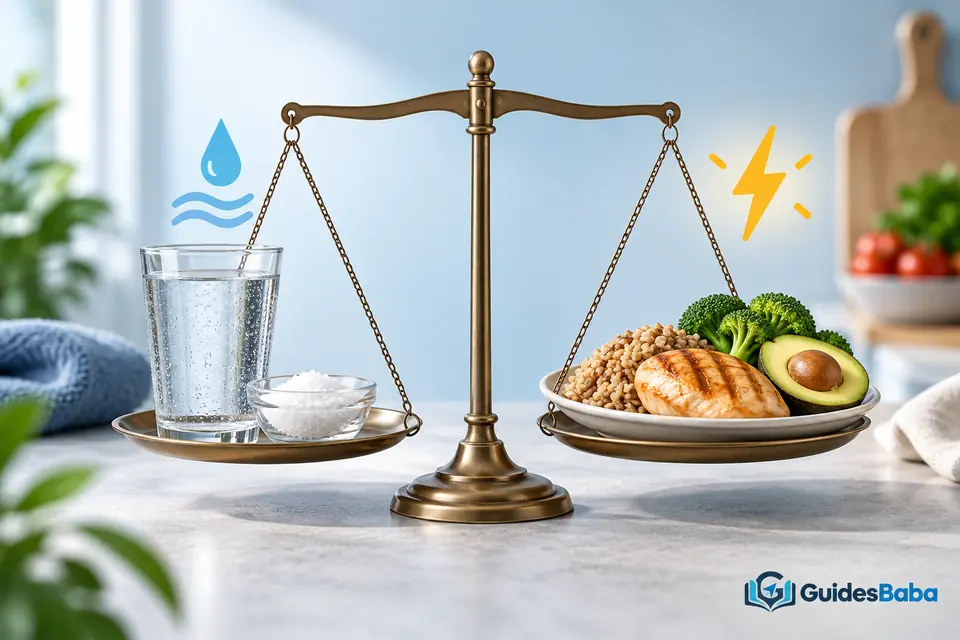
Your body stores carbohydrate as glycogen. Glycogen holds a lot of water with it. Cutting carbs sheds that water fast.
This is why low-carb weeks show quick drops. The early loss is water leaving your body. It looks dramatic on the scale. Yet it is not the same as fat loss. The water returns when you eat normally again.
So a fast number can mislead you. It does not prove you burned much fat. Honest expectations keep you motivated.
Did you know?
Much of a fast weekly drop is water, not fat. That water often returns when you eat normally again.
What a safe weekly rate looks like

Health guidance often points to a gentle pace. A commonly cited safe range is 1 to 2 pounds weekly. That rate favours fat over water.
This slower pace protects your muscle and energy. It comes from a modest calorie deficit. You keep eating enough to feel well. The loss then tends to last longer. Patience really does pay off here.
Faster is not always better for your body. A gentle deficit feels more livable. Sustainable loss beats a quick spike.
Water weight versus fat loss
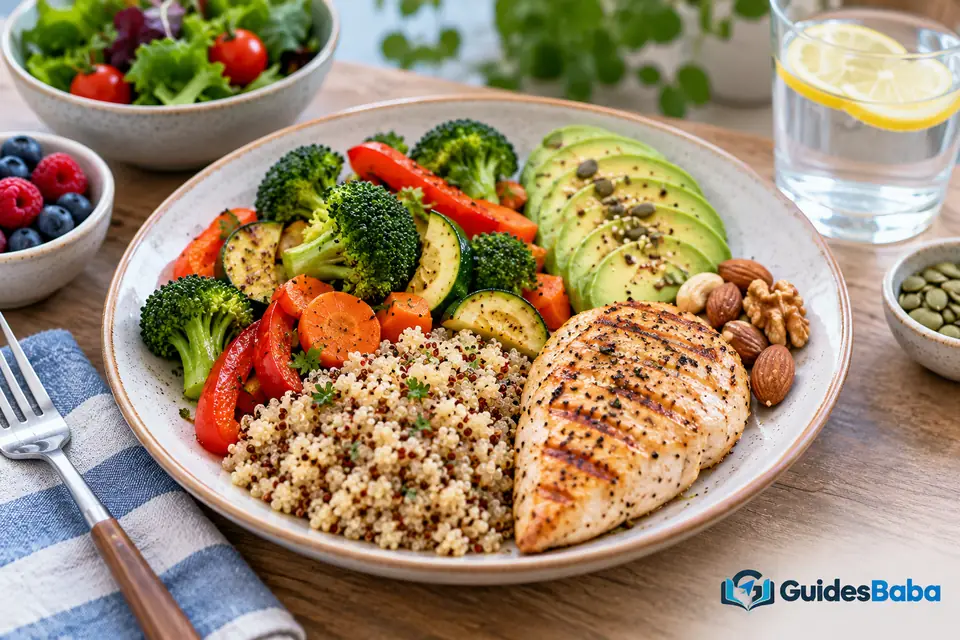
Water weight shifts quickly with your habits. Salt, carbs, and hydration all move it. Fat weight changes far more slowly.
A single salty meal can add water overnight. A low-carb day can drop water fast. Neither reflects real fat change. Reading the scale daily can mislead you. Track the trend across weeks instead.
Focus on fat loss for lasting results. That means a steady calorie deficit over time. Water swings will come and go. The long trend tells the real story.
Creating a modest calorie deficit

Fat loss always needs an energy gap. You must use more than you eat. A modest deficit does this safely.
Aim for a small, steady reduction in calories. Fill your plate with vegetables and lean protein. Cut back on sugary and fried extras. This gap drives real fat loss. It should still leave you fed and functional.
Avoid extreme deficits that leave you starving. Very low intake backfires and rebounds. Learn what a balanced diet really looks like. Balance keeps the deficit sustainable.
Cutting refined carbs and added sugar

Refined carbs and sugar add quick calories. They also hold extra water in your body. Trimming them can drop the scale fast.
Swap white bread and sweets for whole foods. Choose vegetables, beans, and whole grains instead. This lowers calories and steadies your energy. Some early loss will be water. The habit still supports real fat loss.
Learn more about refined carbohydrates and their effects. Cut back on added sugar where you can. These swaps help beyond one week. Keep them going for lasting results.
Protein and fibre for fullness
Protein and fibre help you eat less easily. They keep you full for longer. That makes a deficit far more bearable.
Protein protects muscle while you lose weight. Fibre adds volume with fewer calories. Together they curb hunger between meals. This helps you stick to your plan. Fullness is a powerful, quiet tool.
Build meals around high protein foods and vegetables. Add beans, oats, and fruit for fibre. These foods steady your appetite. A satisfied body diets more easily.

Hydration and the role of sodium
Water and salt shape your water weight. High sodium makes your body hold water. Good hydration actually helps balance this.
Drinking enough water supports your whole plan. It can ease hunger before meals too. Very salty foods puff up the scale briefly. Cutting excess salt can drop water weight. That change is water, not fat.
Stay hydrated in a sensible, steady way. See how much water to drink each day here. Do not force extreme amounts. Balance serves you best.
Movement and daily steps
Movement adds to your energy gap. Daily steps burn calories without a gym. They also lift your mood and energy.
Walking is simple, gentle, and repeatable. Short walks after meals help too. Add some strength work to protect muscle. Movement across the day beats one hard session. Consistency matters more than intensity.
Set a realistic step goal for the week. Take stairs and walk short trips. Keep movement enjoyable and steady.
Sleep, stress, and your weight
Sleep and stress quietly affect your weight. Poor sleep can raise hunger and cravings. Stress often pushes you toward snacks.
Good sleep supports better food choices. It steadies the hormones that guide appetite. Managing stress helps you avoid comfort eating. These factors support your deficit indirectly. They matter more than most people think.
Aim for regular, restful sleep each night. Find calm habits that lower daily stress. A rested body handles hunger better.
Crash diets versus steady loss
People often ask which approach really works. The clear comparison is crash diets versus steady loss. Each leads to a very different outcome.
| Crash diets | Steady loss |
|---|---|
| Fast scale drop, mostly water | Slower drop, more fat |
| Often leaves you hungry | Keeps you fed and steady |
| Can lose muscle | Helps protect muscle |
| Usually rebounds fast | Tends to last longer |
Steady loss clearly wins over the long run. Crash diets fade and often backfire. Choose habits you can keep for months. Slow and steady protects your health.
Common mistakes chasing fast loss
One mistake is starving yourself all week. Extreme cuts backfire and harm your energy. They rarely last more than days.
Another mistake is trusting the daily scale. Water swings hide your real progress. People panic over normal fluctuations. Some also cut out whole food groups. Balance beats harsh restriction every time.
People also skip protein and lose muscle. That slows your body over time. Keep protein steady while you cut calories. Protect muscle to protect your results.
Myths about rapid weight loss
One myth says a fast drop is all fat. Most rapid loss is water and food weight. The scale hides that truth.
Another myth promises a magic detox week. No tea or juice melts fat fast. These plans mostly drop water briefly. The weight returns when you eat normally. Bold detox claims deserve real doubt.
A calmer view helps you far more. Aim for steady, honest fat loss. Skip promises of instant transformation. Real change is quiet and gradual.
Keeping the weight off after
Losing weight is only half the task. Keeping it off needs lasting habits. Crash plans make this very hard.
Build routines you can hold for life. Keep your deficit modest and livable. Stay active and eat mostly whole foods. Slow habits survive real life better. Consider gentle routines like intermittent fasting if it suits you.
Expect the scale to wobble day to day. Judge progress by the monthly trend. Keep your habits steady through swings. Consistency protects your hard work.
Planning a steady week of meals
A little planning removes daily guesswork. It keeps your deficit gentle and consistent. That protects you from panic choices.
Plan simple meals around protein and vegetables. Prepare a few basics in advance. Keep easy snacks like fruit on hand. This lowers the pull of fast food. A calm plan beats last-minute decisions.
Write a short list before you shop. Buy mostly whole foods you enjoy. Small preparation saves real calories. Planning makes the week feel lighter.
Setting realistic goals beyond one week
One week is a very short window. Real change unfolds across many weeks. Long goals keep you grounded.
Aim for steady loss you can sustain. Celebrate habits, not just the scale number. Measure progress by how you feel too. Energy, sleep, and mood all matter. These signs often beat the scale.
Set a gentle target for the month ahead. Break it into small weekly steps. Patience turns effort into lasting results. Slow progress is still real progress.
Who should ask a doctor first
General advice suits most healthy adults. Still, some people need personal guidance. Rapid loss can be risky for some.
Certain conditions and medicines change safe limits. Very low intake can cause real harm. Pregnancy and eating disorders need special care. Your doctor knows your full situation. Personal advice always beats general rules.
This is not medical advice. See a professional before extreme diets. Ask before starting any crash plan. A short chat can prevent real problems.
Frequently asked questions
Can you really lose 5 lbs in a week?
The scale can drop that much for some. Most of it is water, not fat.
Is losing 5 lbs a week healthy?
For most people it is too fast. A safer rate is about 1 to 2 pounds.
Why do I lose weight so fast at first?
Early loss is mostly water and glycogen. It looks dramatic but is not all fat.
Will the weight come back?
Water weight returns when you eat normally again. Steady habits keep fat loss lasting.
Does cutting carbs help lose weight fast?
Cutting carbs drops water weight quickly. The early loss is water, not mostly fat.
How big should my calorie deficit be?
Aim for a modest, steady reduction. Extreme deficits backfire and harm your energy.
Does drinking water help?
Water supports habits and can ease hunger. It does not burn fat on its own.
Should I weigh myself every day?
Daily weighing can mislead you with swings. Track the trend across weeks instead.
Do detox teas melt fat fast?
No, detox teas mostly drop water briefly. They do not melt fat quickly.
When should I ask a doctor?
Ask before any extreme or crash diet. Health conditions and pregnancy need personal advice.
The bottom line
So how do you lose 5 lbs in a week? You can drop that much on the scale. Yet most of it is water, not fat. Real fat loss is slower and steadier. A safe rate is about 1 to 2 pounds weekly. Steady habits protect your health and results.
Skip the crash plans and magic detoxes. They fade fast and often rebound. Build a modest deficit and stay active. Small, steady changes serve you best.
For more background, read this overview of weight loss and how it works. You can also explore the idea of a calorie in the body. Use trusted sources to guide your choices.
This is not medical advice. See a professional for your personal needs. Choose a pace you can sustain. Then let steady habits reshape your weight.