
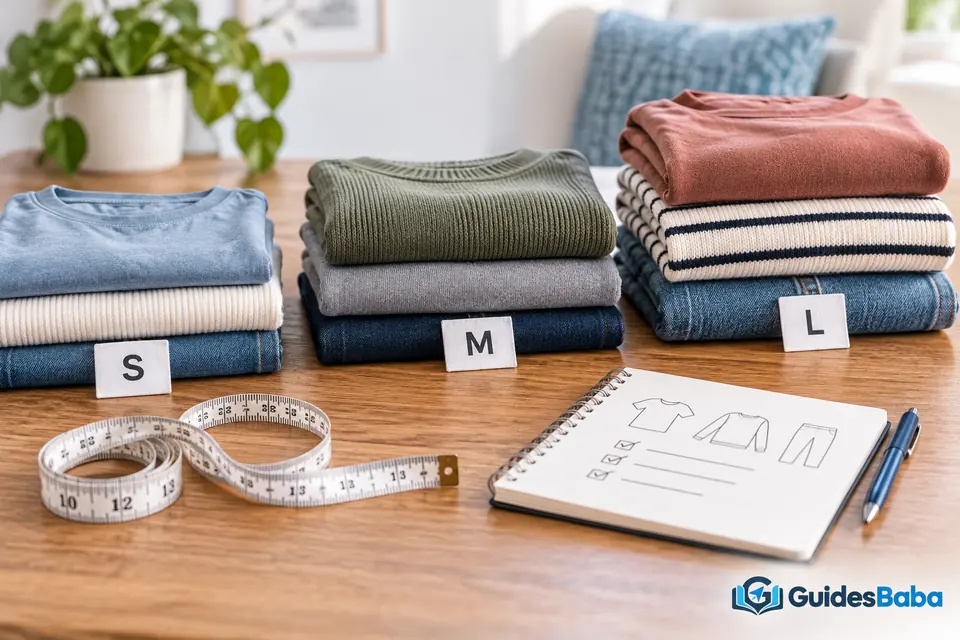
You picture sliding into smaller jeans with ease. The goal feels exciting and concrete. So how many sizes do you go down losing 20 pounds? The honest answer depends on you.
Rather than expecting one fixed number, learn the factors. Clothing size reflects shape, not just weight. Two people can lose the same and differ. Your body and your brands both matter.
Here is the honest answer. There is no single rule that fits everyone. Many people drop about one to two clothing sizes. That range shifts with your starting size and shape. Brand sizing adds even more variation. Measurements tell the story better than the scale.
This guide covers what really drives size change. You will learn why the number varies so much. We compare scale weight against body measurements. This is not medical advice. See a professional.
So how many sizes do you go down losing 20 pounds?
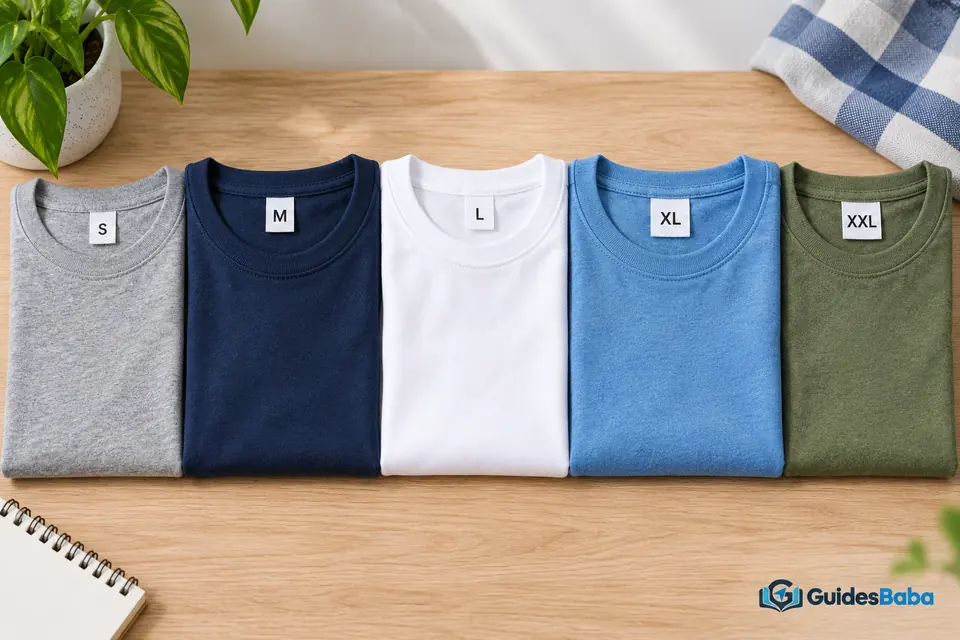
The honest answer is that it truly varies. Many people drop roughly one to two sizes. Yet no promise fits every body.
Think of clothing size as a rough map. It hints at shape but misses detail. Weight is only one part of that map. Your frame and fat pattern fill the rest.
Will 20 pounds change your size a lot? For some people, yes, quite noticeably. For others, the change feels smaller. Starting size and shape drive the result. Expect a range, not a fixed answer.
Why the answer varies so much

Clothing sizes are not a precise science. Brands cut their clothes very differently. One size can vary between labels.
Your body also loses fat in its own pattern. Some lose from the waist first. Others notice their face or legs change. This spreads the effect across your body. So the same 20 pounds looks different on everyone.
Height and frame add more variation still. A taller frame spreads weight over more area. A smaller frame may show change faster. Many factors shape the final number.
Did you know?
Losing 20 pounds often drops about one to two clothing sizes. The exact change varies by body and brand.
A rough general guide to expect
People love a simple rule of thumb. A rough guide suggests one size per 10 to 15 pounds. That points to one or two sizes for 20 pounds.
Treat this only as a loose estimate. Your real result may land higher or lower. It is a starting expectation, not a promise. Bodies rarely follow neat formulas. Use it as a gentle guide only.
Hold the number lightly as you progress. Measure and try clothes to see the truth. The mirror often beats the maths. Your own results are what matter.
Starting size and body shape matter
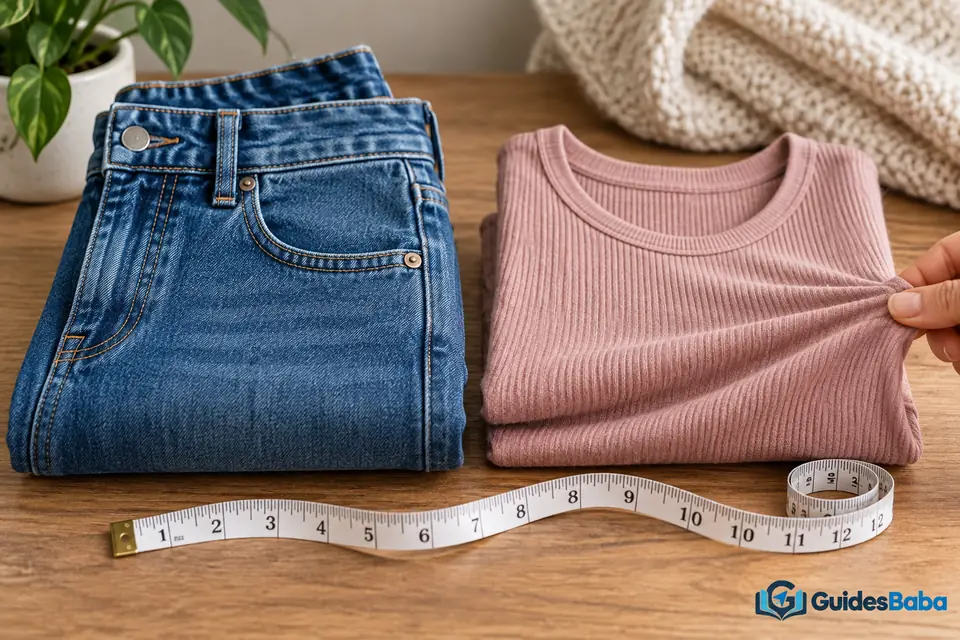
Your starting size shapes how much you shift. A larger starting size may show less size change. A smaller starting size may show more.
This happens because sizes are not evenly spaced. The gap between sizes changes across the range. Twenty pounds covers different ground for different people. Body shape steers the effect too. Curves and frames respond in their own way.
So compare yourself only to your past self. Your journey follows your own body. Focus on your personal progress.
Where your body loses fat first

Your body chooses where fat leaves first. You cannot fully control that order. Genetics guides much of the pattern.
Some people slim at the waist early. Others see their arms or face change first. This affects which clothes feel looser sooner. Spot reduction cannot override this pattern. Overall fat loss is the real driver.
Be patient as your shape shifts gradually. Stubborn areas often change later. Keep your habits steady through the wait. Consistency shapes the outcome.
Vanity sizing and brand differences

Clothing brands size their garments differently. One label calls a fit medium, another large. This makes sizes hard to compare.
Vanity sizing shifts the numbers over time. The same size can grow more generous. So your size may differ across shops. A single number cannot capture your body. Try clothes on rather than trusting labels.
Do not tie your worth to a tag. Sizes are tools, not verdicts. Focus on fit, comfort, and how you feel. Numbers on labels are only rough guides.
Measurements versus the scale
The scale gives just one narrow view. Measurements often tell a richer story. They track how your shape truly changes.
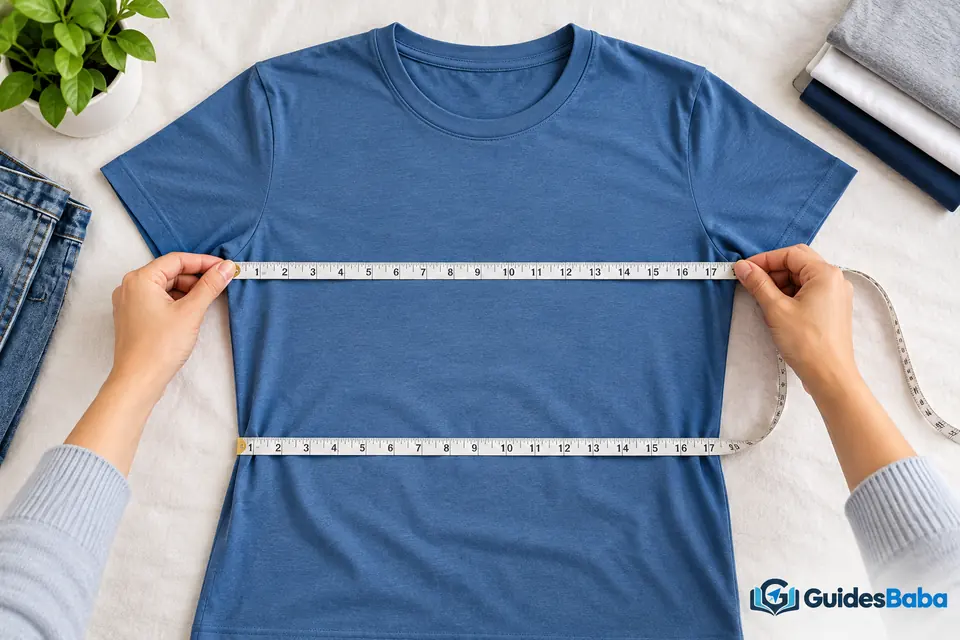
A tape measure follows your waist and hips. It can show progress the scale hides. Muscle and fat shifts appear in inches. Clothes then confirm the change you feel. Measure regularly to see real trends.
Combine the scale with tape and clothes. Together they paint a fuller picture. See what a balanced diet looks like alongside this. Many signs beat one number.

How fat loss changes your shape
Fat loss reshapes your body slowly. Clothes loosen before the size number drops. Small changes appear day by day.
You may notice looser waistbands first. Sleeves and collars can feel roomier too. These hints arrive before a full size change. They prove your habits are working. Celebrate them as real progress.
Add gentle strength work to shape muscle. Muscle gives your body firmer lines. It supports how clothes hang on you. Movement and food together shape the result.
Losing 20 pounds at a healthy pace
A steady pace protects your health and results. A commonly cited safe rate is 1 to 2 pounds weekly. Twenty pounds then takes several months.
This slower path favours fat over water. It helps protect your muscle too. The size change tends to last longer. Crash plans often rebound quickly. Patience makes the results stick.
Build a modest calorie deficit you can keep. Fill up on high protein foods and vegetables. Stay hydrated and keep moving daily. Slow and steady wins here.
Building habits for steady fat loss
Lasting size change grows from daily habits. A gentle deficit does the heavy lifting. Small routines carry you forward.
Fill your plate with vegetables and protein. Choose whole grains over refined ones. Drink water and walk most days. Sleep well and manage your stress. These pillars beat any quick fix.
Pair fibre rich foods with your meals. See how fibre helps you feel full here. Fullness keeps the deficit livable. Steady habits shape steady change.
Scale weight versus body measurements
People often ask which number to trust. The clear comparison is scale weight versus measurements. Each tells a different part of the story.
| Scale weight | Body measurements |
|---|---|
| One single number | Tracks shape by area |
| Swings with water and food | Steadier week to week |
| Ignores muscle and fat mix | Reflects real shape change |
| Weak link to clothing size | Closer to clothing size |
Measurements often predict size change better. The scale still helps track the trend. Use both for a fuller picture. Clothes then confirm the real result.
Common mistakes judging progress
One mistake is watching the scale alone. It hides shape change behind water swings. That can crush your motivation.
Another mistake is expecting an exact size drop. Bodies do not follow neat formulas. People also compare themselves to others too much. Every body loses in its own way. Comparison steals your honest progress.
Some judge success only by clothing tags. Sizes vary too much for that. Use inches, fit, and feel together. Many signs beat one number.
Myths about dress sizes and weight
One myth ties a fixed size to each pound. No formula fits every body exactly. Reality is far more personal.
Another myth says you can target one area. Spot reduction does not control where fat leaves. Overall fat loss shapes your body. Creams and wraps do not melt fat. Bold shaping claims deserve real doubt.
A calmer view helps you far more. Expect a range and stay patient. Skip promises of exact size drops. Honest change is gradual and personal.
Keeping perspective and body confidence
A number on a tag is not your worth. Health and energy matter far more. Confidence grows from how you feel.
Celebrate looser clothes and better stamina. Notice steadier moods and stronger habits. These wins outlast any single size. They build a healthier relationship with your body. Progress is more than a label.
Set goals around habits and wellbeing. Let size change follow naturally. Be kind to yourself through the process. Steady effort deserves real credit.
Using sizing charts and try-ons
Sizing charts turn measurements into rough sizes. They help you shop with more confidence. Still, they remain only a guide.
Measure your waist, hips, and chest first. Compare those inches to a brand chart. Order or try nearby sizes to check. Fit varies even within one label. A quick try-on beats any chart.
Keep your measurements noted for shopping. Update them as your body changes. Pair this with plenty of vegetables and protein. Good habits drive the numbers down.
Non-scale victories to celebrate
Progress shows in many quiet ways. Not every win appears on the scale. These signs keep you motivated.
Looser waistbands and easier stairs both count. Better sleep and steadier energy matter too. Old clothes fitting again feels rewarding. These victories prove your habits work. They often arrive before a size change.
Keep a simple list of these wins. Add hydration goals like daily water targets too. Small victories build lasting motivation. Celebrate every honest step forward.
Who should ask a doctor first
General advice suits most healthy adults. Still, some people need personal guidance. Certain conditions change the picture.
Health issues and medicines can affect weight loss. Some plans do not suit every body. Pregnancy and eating disorders need special care. Your doctor knows your full history. Personal advice always beats general rules.
This is not medical advice. See a professional for your own needs. Ask before big diet changes. A short chat can prevent real problems.
Frequently asked questions
How many sizes is 20 pounds?
Many people drop about one to two sizes. The exact change varies by body and brand.
Why do some people change sizes faster?
Starting size and body shape both matter. Smaller frames often show change more quickly.
Does everyone lose fat in the same order?
No, your body follows its own pattern. Genetics guides where fat leaves first.
Are clothing sizes accurate?
No, sizes vary a lot between brands. Try clothes on rather than trusting labels.
Should I trust the scale or measurements?
Measurements often track shape change better. Use both plus how your clothes fit.
Can I target where I lose fat?
No, spot reduction does not work. Overall fat loss shapes your whole body.
How long does losing 20 pounds take?
At a safe pace it takes several months. That favours fat over water weight.
Do looser clothes count as progress?
Yes, looser clothes show real progress. They often appear before the size number drops.
Does muscle affect how clothes fit?
Yes, muscle gives your body firmer lines. It changes how clothes hang on you.
When should I ask a doctor?
Ask a doctor if you have health conditions. Pregnancy and eating disorders need personal advice.
The bottom line
So how many sizes do you go down losing 20 pounds? Many people drop about one to two sizes. Yet no rule fits every body exactly. Starting size, shape, and brands all shift the result. Where you lose fat matters too. Measurements and clothes tell the truest story.
Hold the number lightly and stay patient. Judge progress by inches, fit, and feel. Steady habits shape lasting change. Slow and sustainable serves you best.
For more background, read this overview of clothing sizes and how they vary. You can also explore how body shape differs between people. Use trusted sources to guide your view.
This is not medical advice. See a professional for your personal needs. Focus on health over any single number. Then let steady habits reshape your body.