
You train hard and wonder about protein. Are you eating enough to recover well? So how much protein do athletes need? The answer depends on your body and sport.
Rather than chasing a single magic number, think in ranges. Active people generally need more than couch potatoes. Protein repairs muscle and supports adaptation. Your training load shapes the amount. Balance matters as much as totals.
Here is the honest answer. Athletes usually need more protein than inactive people. General guidelines often suggest a range per kilogram of body weight. Endurance and strength athletes sit at different points. Spreading protein across the day helps. Whole foods can cover most needs.
This guide covers how to judge your needs. You will learn how weight and sport matter. We compare endurance and strength requirements. This is not medical advice. See a professional.
So how much protein do athletes need?
The honest answer is a sensible range. Athletes generally need more than average adults. Your weight and sport set the target.
Think of protein as building material. Your muscles use it to repair and grow. Too little slows that rebuilding. Enough keeps the work steady.
Is there one perfect number for everyone? No, as needs vary by person and sport. A sprinter differs from a marathon runner. Use ranges as a helpful guide. Adjust to how you feel and perform.
Why athletes need more protein than average
Training breaks down muscle in small ways. Your body then rebuilds it stronger. That repair needs extra protein.
Active people turn over more muscle protein. Harder training raises the demand further. A little extra supports this process. These high-protein foods make it easy. Regular servings support steady repair.
Inactive people need less overall protein. Athletes simply have higher demands. Still, more is not endlessly better. There is a sensible upper range. Balance beats piling on extra. Extra protein cannot replace good training. It supports the work you put in.
Did you know?
Your body cannot store spare protein like fat. That is why regular, spread-out servings work best.
How body weight guides protein needs

Protein needs often scale with body weight. Bigger athletes carry more muscle to feed. Smaller athletes generally need less.
Guidelines usually express needs per kilogram of weight. Active people fall within a broad range. Learn how much protein you need each day. Use your weight as a rough anchor. Then adjust to your training.
These figures are guides, not strict rules. Your appetite and results also matter. Two athletes can differ at the same weight. Treat ranges as a sensible starting point. Fine-tune from there.
How training type changes your needs
Different sports place different demands on muscle. Heavy strength work drives more repair. Steady endurance work has its own needs.
Strength athletes often sit higher in the range. They build and maintain more muscle. Endurance athletes still need solid protein. It supports repair after long efforts. Match the amount to your sport.
Mixed training blends both demands. Team sports combine sprints and endurance. Your protein should reflect that mix. Adjust as your program changes. Flexibility serves you well. Heavy weeks may call for a little more. Lighter weeks can ease back slightly.
Why protein timing can help

Spreading protein through the day helps repair. Your body handles regular servings well. That beats one giant serving.
Including protein at each meal works nicely. A serving after training supports recovery. You need not rush it in seconds. A sensible window works fine. Steady spacing beats perfect timing.
Still, total daily protein matters most. Timing fine-tunes what your habits build. Get your daily amount right first. Then space it across meals. Basics come before the details.
Best protein sources for athletes

Whole foods offer excellent protein for athletes. They bring other nutrients along too. That fuller package supports health.
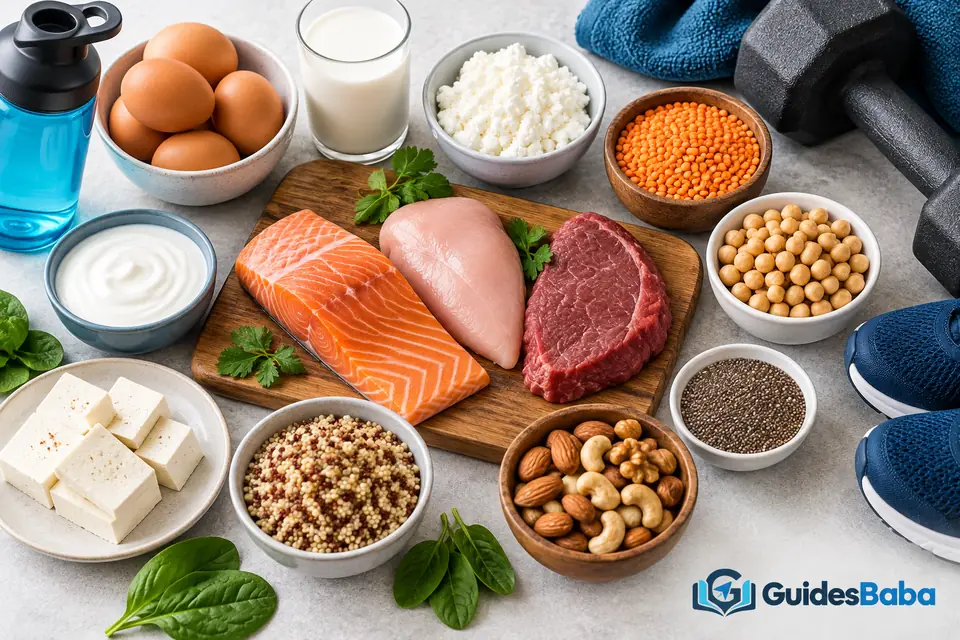
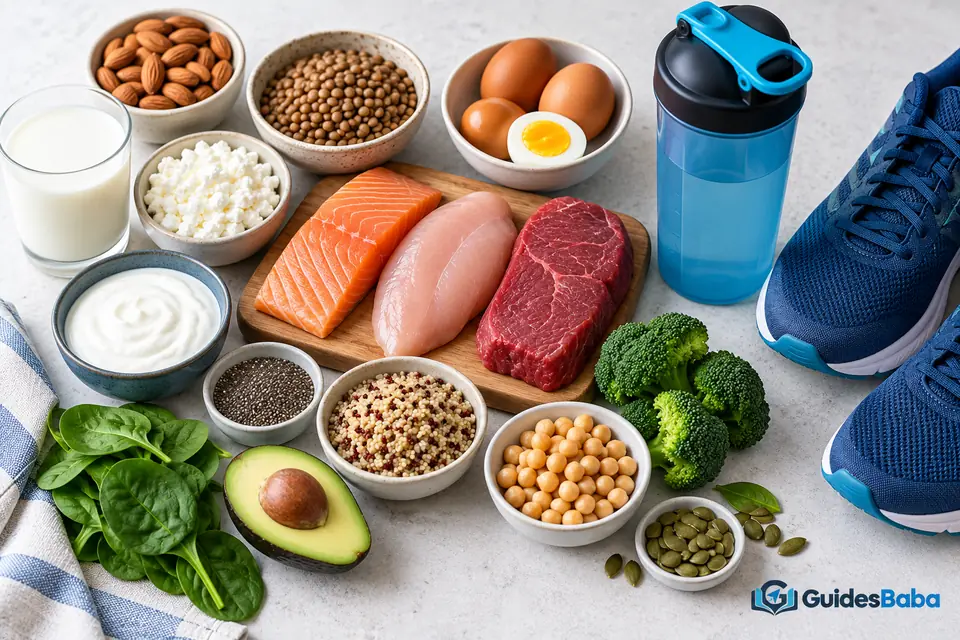
Eggs, dairy, fish, and lean meat all help. Beans, lentils, and tofu work well too. A balanced diet covers most needs. Mix animal and plant sources freely. Variety keeps meals interesting.
Quality and balance matter alongside quantity. Pair protein with carbs and vegetables. That supports both fuel and repair. Build meals around whole ingredients. Real food leads the way.

Plant-based protein for athletes

Plant eaters can meet their protein needs. Many plants supply solid protein. Careful variety makes it easier.
Beans, lentils, tofu, and tempeh all help. Nuts, seeds, and grains add more. These plant-based protein sources suit athletes. Mixing them covers a broad range. Variety fills any small gaps.
Plant proteins differ slightly from animal ones. Eating a range solves that easily. Aim for enough total protein daily. Combine sources across your meals. Balance makes plant diets work.
Why total daily intake matters most
Your daily total drives your results. One meal will not make or break progress. The full day is what counts.
Hitting a sensible daily amount supports repair. Spreading it out then adds polish. Do not fixate on any single serving. Aim for a steady overall pattern. Habits shape your progress.
This keeps protein simple and manageable. You need not weigh every gram. Rough consistency works for most athletes. Focus on the big picture. Small daily wins add up. A steady habit beats occasional big efforts. Repeat what works for you.
Can you eat too much protein?
More protein is not endlessly better. Past a point, extra offers little. Your body uses only so much.
Very high intakes can crowd out other foods. Carbs and vegetables still matter greatly. Balance keeps your whole diet strong. Stay within a sensible range. Extreme amounts rarely help.
Most healthy athletes handle solid protein well. Some people need extra care, though. Kidney concerns can change the picture. Ask a professional if unsure. Personal advice beats guessing. When in doubt, keep amounts moderate. A balanced plate rarely goes wrong.
How protein supports recovery

Recovery is where training pays off. Your muscles rebuild between sessions. Protein supplies the raw materials.
A protein serving after training helps repair. Pairing it with carbs aids recovery. That readies you for the next session. Good recovery turns effort into gains. Rest and food work together.
Skipping protein can slow your progress. Sore muscles may linger longer. A simple habit prevents that. Include protein in recovery meals. Consistency keeps you fresh. A recovery meal need not be large. A modest serving still helps repair.
Endurance versus strength protein needs

People often ask how sports compare. The clear comparison is endurance versus strength protein needs. Each sits differently within the range.
| Endurance athletes | Strength athletes |
|---|---|
| Protein aids repair after long efforts | Protein builds and holds muscle |
| Often lower in the range | Often higher in the range |
| Carbs remain the main fuel | Carbs still power heavy sets |
| Spread protein across meals | Spread protein across meals |
Both groups benefit from steady protein. The exact amount differs by demand. Use the range as a guide. Adjust to your own sport.
How to spread protein through the day
Even spacing helps your body use protein. Regular servings support ongoing repair. That beats one heavy meal.
Aim for protein at breakfast, lunch, and dinner. Add a serving around training too. Snacks can fill any gaps. This keeps repair steady all day. Simple habits do the work.
You need not count every serving precisely. Rough balance across meals works well. Build the pattern once, then repeat. Consistency beats fussy tracking. Keep it easy to follow.
How your goals shape protein needs
Your goals nudge your protein target. Building muscle sits toward the higher range. Simply staying fit needs a little less.
An athlete gaining muscle leans on protein. It supplies the building blocks for growth. Someone maintaining fitness needs steady, modest amounts. Weight goals also shape your portions. Match protein to what you want.
None of this needs to feel strict. A flexible range serves most people. Adjust as your goals change. Let your training guide the amount. Balance keeps you on track.
Do you need protein powder?
Protein powder is a convenience, not a must. Whole foods can meet most needs. Powder simply makes life easier.
A shake helps when meals are rushed. It offers a quick, portable serving. Still, food should form your base. Use powder to fill real gaps. Do not lean on it entirely.
Check that any product suits your diet. Some prefer plant-based options. Others do well with dairy-based powders. Choose what fits your body. Keep it simple and sensible. Read labels and pick trusted brands. Quality matters as much as convenience.
Common protein mistakes athletes make
One common mistake is eating too little protein. Some athletes under-fuel their training. That slows repair and progress.
Another mistake is cramming protein into one meal. Your body handles spread servings better. Some also ignore carbs entirely. Protein alone cannot fuel effort. Balance the whole plate.
Over-relying on shakes is another slip. Whole foods bring extra nutrients. Chasing huge amounts wastes effort too. Aim for a sensible range. Keep habits simple.
Who might need tailored guidance
General ranges suit most healthy athletes well. Still, some people need personal care. Certain situations change the picture.
Growing teens, older athletes, and some patients differ greatly. Kidney concerns need careful handling for some. A sports dietitian understands your full picture. Personal advice always beats general rules here.
This is not medical advice. See a professional for your own situation. Use these ranges as a friendly guide. A short chat can prevent bigger problems.
How to check you are getting enough
Simple signs can hint at your intake. Steady recovery suggests you are on track. Ongoing soreness may signal a gap.
Notice how you feel between sessions. Good energy and repair are positive signs. If progress stalls, review your meals. A quick check often reveals gaps. Small tweaks can help.
You need not track every gram forever. A short review now and then helps. Adjust as your training shifts. Listen to your body first. It offers useful clues.
Frequently asked questions
How much protein do athletes need?
Athletes generally need more than inactive adults. A sensible range per kilogram guides most people.
Does body weight affect protein needs?
Yes, bigger athletes usually need more protein. Guidelines often scale needs to body weight.
Do strength athletes need more protein?
Strength athletes often sit higher in the range. Endurance athletes still need solid protein.
Can I get enough protein from plants?
Yes, varied plant foods can cover your needs. Combine beans, grains, tofu, nuts, and seeds.
Is protein timing important?
Spreading protein across meals helps repair. Your total daily intake still matters most.
Can you eat too much protein?
Very high intakes offer little extra benefit. They can crowd out other useful foods.
Do I need protein powder?
Powder is a convenience, not a requirement. Whole foods can meet most needs.
What are good protein sources?
Eggs, dairy, fish, beans, and lentils work well. Mix animal and plant sources freely.
Should I eat protein after training?
A serving after training supports recovery. Pair it with some carbs.
How do I know I get enough?
Steady recovery and energy are good signs. Review your meals if progress stalls.
The bottom line
So how much protein do athletes need? Most need more than inactive adults. A sensible range per kilogram guides your target. Strength athletes often sit higher than endurance athletes. Spread your protein across the day for best results.
Do not chase one magic number. Build meals around whole protein foods. Balance protein with carbs and vegetables. Use ranges as a flexible guide.
For more background, read this overview of protein in the diet. You can also explore how amino acids build muscle. Use trusted sources to guide your habits.
This is not medical advice. See a professional for your personal needs. Fuel your training in a way that feels good. Then recover stronger, session after session.