


Thirst can feel intense while nursing. So how much water should you drink while breastfeeding? Have you heard you must gulp litres daily? The truth is more relaxed than that. Your body guides you well here.
Rather than forcing a fixed amount, drink smartly. Breastfeeding does raise your fluid needs. Your thirst usually rises to match. A steady, sensible intake supports you both. Your care team can guide the details.
Here is the honest answer. Drink enough to satisfy your thirst. Most parents need a little extra fluid. General ranges suggest several glasses daily. Your own needs will vary, though. Always follow your own doctor or midwife.
This guide covers hydration while nursing. You will learn about drinks and thirst. We also cover supply and timing. This is not medical advice. See a professional.
So how much water should you drink while breastfeeding?

The honest answer is drink to thirst. Your fluid needs rise a little now. Milk making uses water each day. Your body signals when to drink.
Think of thirst like a helpful gauge. It rises when you need fluid. It settles once you drink enough. General guidance suggests several glasses daily. Some parents need a bit more. Your climate and activity change this. Warm days may lift it further. Balance is the quiet goal here.
Do you need a fixed litre target? Not really, just answer your thirst. Keep water within easy reach. Your midwife can tailor advice. Personal guidance always comes first. Simple habits work best here. No guide replaces your own team.
Why hydration matters while nursing
Water is a big part of milk. Your body uses fluid to make it. Good hydration supports your comfort too. It helps many body systems.
Staying hydrated helps your energy levels. It supports digestion and mood. Nursing can leave you feeling thirsty. That is a normal signal. Meeting it keeps you comfortable. Steady fluids help you cope. Your baby benefits when you feel well.
You do not need to overdo it. Aim for steady, sensible sipping. Small good habits add up. Your care team will support you. Progress matters more than perfection.
Did you know?
Many parents feel thirsty right as they feed. Keeping a drink nearby makes hydration much easier.
How much, roughly
Many expect a huge water target. In truth your body guides you well. General ranges suggest several glasses daily. Your own needs may differ.
The exact amount depends on many things. Your activity level matters here. The weather plays a role too. Your body size affects it as well. This is why ranges stay general. See how much water to drink each day here.
You should not chase a rigid number. Let thirst guide your drinking instead. Focus on steady sips over gulps. Your midwife can advise more. Trust real guidance over any myth. Simple habits work best here.
Signs you may need more
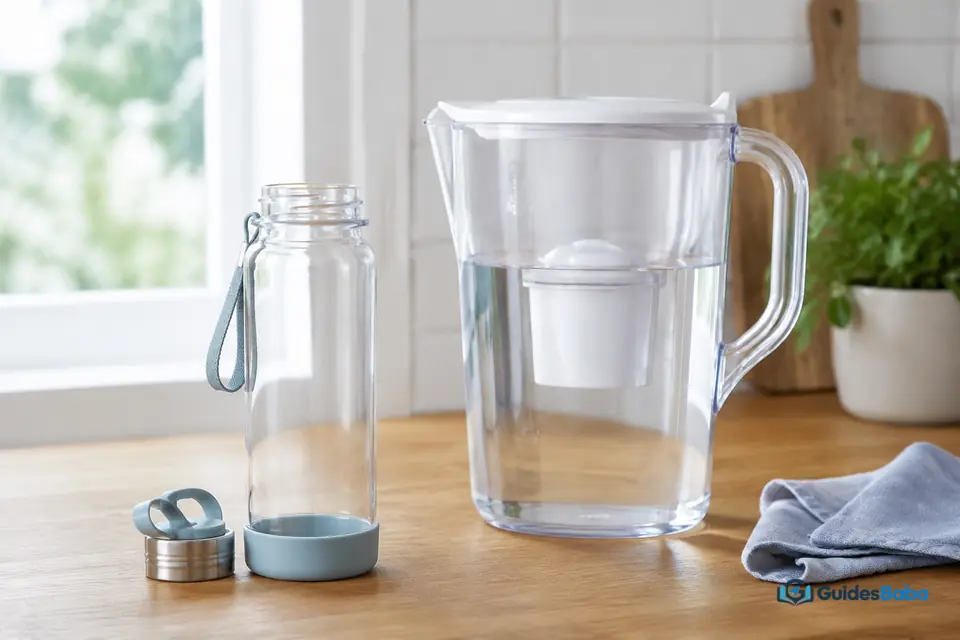
Your body sends helpful signals. Learning them keeps you comfortable. Simple signs point to low fluids. Acting early is always easier.
Dark urine can suggest you need more. Dry mouth is another clue. Headaches and tiredness sometimes follow. Feeling faint is a stronger sign. Respond by sipping water calmly. Ongoing symptoms deserve professional advice.
You should not ignore steady thirst. It usually means drink more. Respond with water first. Act early to stay comfortable. Ask a professional if worries persist.
Best drinks to choose
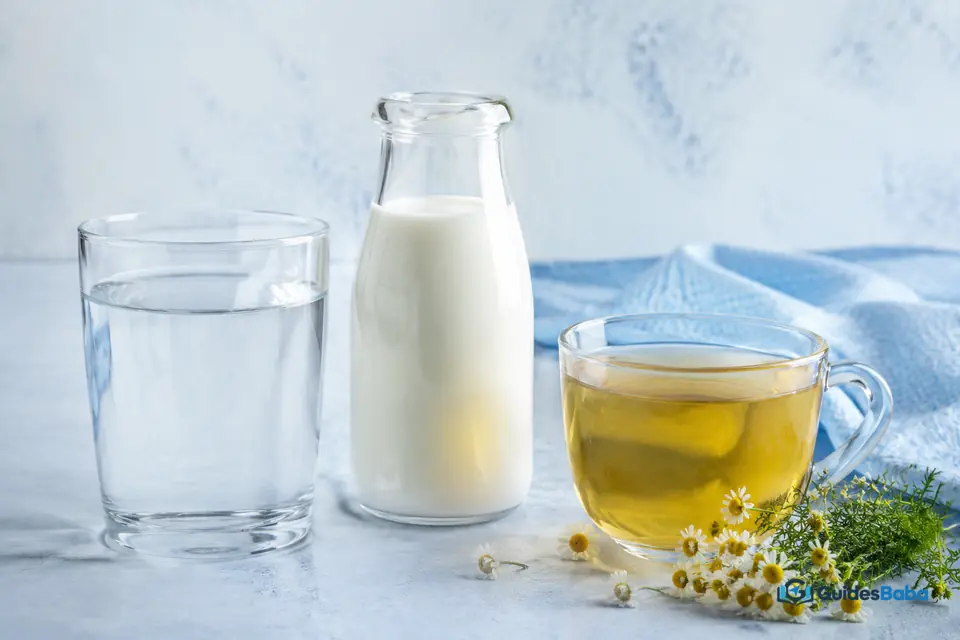
Plain water is the simplest choice. It hydrates without extra sugar. It suits nursing parents well. Keep it as your main drink.
Water is the gold standard here. Milk adds fluid and nutrients too. Diluted juice can add variety. Herbal drinks may suit some parents. Sugary drinks are best kept low. Learn what to eat while breastfeeding here.
You should not rely on sweet drinks. They add sugar without much benefit. Water remains your best friend. Your dietitian can guide choices. Keep it simple and steady.
Foods that help hydration
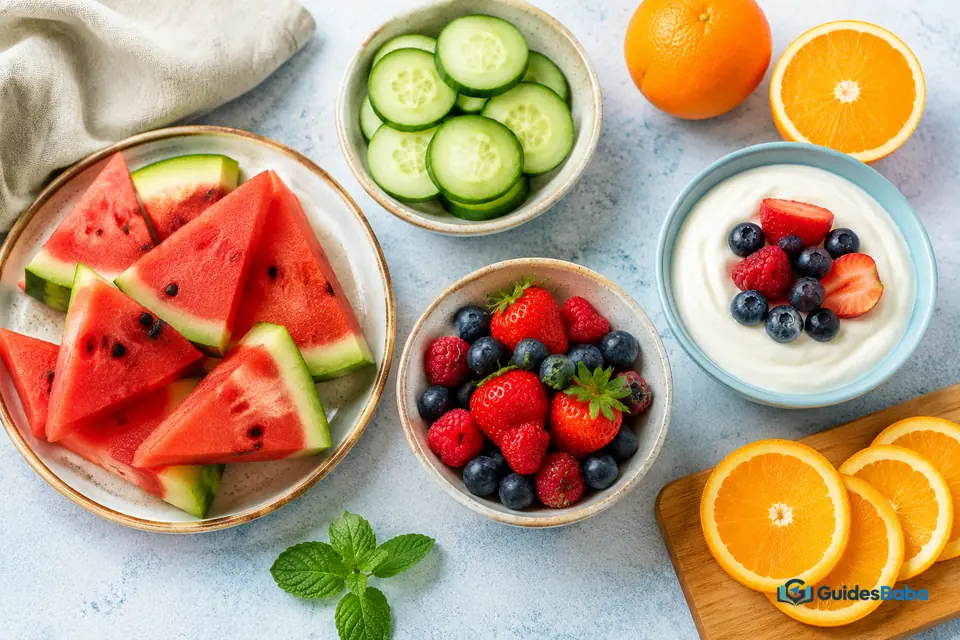
Drinks are not your only source. Many foods carry useful water. They quietly top up your fluids. Every little bit helps.
Fruit like melon and oranges hydrate well. Cucumber and tomatoes add water too. Soups and stews count as fluid. Yoghurt contributes a little as well. These support your daily intake. Discover foods that help keep you hydrated here.
You should not forget these foods. They make hydration easier. Pair them with your drinks. Your dietitian can suggest ideas. Every glass and bite counts.

Water and milk supply
Some parents worry about supply now. Good hydration does support milk making. Drinking far too much does not boost it. Balance is the key idea.
Supply relies mostly on regular feeding. Water supports the process, though. Being very dry is not helpful. Meeting your thirst is enough. Overdrinking will not raise supply. Steady hydration serves you best.
You should not force extra litres. Answer your thirst instead. Regular feeding matters most. Ask a lactation consultant for personal advice. Stay calm and steady.
Timing your drinks
When you drink can help too. Feeding times are natural reminders. A drink then is simple and effective. Routine makes it easy.
Have water ready before each feed. Sip during or after nursing. Keep a glass by your bed. Drink a little at each meal. Spread your fluids through the day. Small, regular sips beat big gulps.
You should not save it all up. Steady sipping works far better. Spread drinks across the day. Your midwife can advise more. Routine makes it effortless.
Caffeine and hydration
Many parents enjoy tea or coffee. A modest amount is usually fine. Very high caffeine is best avoided. Balance is the sensible aim.
Caffeine drinks still add some fluid. Keep your intake within sensible limits. Watch for a restless or jittery baby. Cut back if you notice this. Water should stay your main drink. See how much caffeine is too much here.
You should follow local guidance on limits. Your midwife can advise clearly. Do not guess at safe amounts. Ask a professional for your case. Water stays your main drink.
Can you drink too much?
More is not always better here. Overdrinking offers no extra benefit. It will not increase your supply. Balance beats extremes every time.
Drinking far beyond thirst is unnecessary. In rare cases it can be harmful. Your body regulates fluids well. Answering thirst is usually enough. There is no prize for excess. Sensible sipping keeps things simple.
You should not chase huge targets. Let thirst be your guide. Balance protects you best. Ask a professional with any worries. Sensible sipping is enough.
Hydration in hot weather
Warm days raise your fluid needs. You lose more water through sweat. Nursing adds to that demand. Extra care helps in the heat.
Keep water close during hot spells. Sip more often than usual. Rest in cool, shaded places. Watch for signs of low fluids. Dress your baby comfortably too. Simple steps keep you both cooler.
You should not wait for strong thirst. In heat, drink a little sooner. Keep sipping through the day. Ask a professional if unwell.
Building a simple routine
A routine makes hydration effortless. Small habits do the work. You barely have to think. Consistency is the real secret.
Fill a bottle each morning. Refill it after lunch. Keep one by each feeding spot. Link sips to daily tasks. Use a marked bottle if helpful. Small cues build a steady habit.
You should not rely on memory alone. Let simple cues remind you. Build the habit gently. Your care team can help you.
Listening to your thirst

Thirst is a reliable guide. Your body knows its needs. Trusting it usually works well. It adapts to your day.
Drink when thirst arrives, not by clock. Do not wait until you feel dry. Keep water within easy reach. Notice how your body feels. Respond calmly and steadily. Simple attention goes a long way.
You should not override strong thirst. It signals a real need. Respond with water first. Your midwife can guide you further.
Water versus sugary drinks
People often reach for sweet drinks. The clear comparison is water versus sugary drinks. One serves you far better.
| Plain water | Sugary drinks |
|---|---|
| Hydrates without sugar | Adds extra sugar |
| Steady, calm energy | Quick spikes and dips |
| Kind to teeth | Harder on teeth |
| Simple and cheap | Costs more over time |
Water wins as your daily drink. Keep sugary drinks as rare treats. Let professionals guide any concerns. Your body prefers simple fluids.
Common hydration mistakes
One mistake is ignoring your thirst. Busy days make this easy. Then you feel drained later. Small sips prevent this slump.
Another mistake is drinking far too much. That offers no real benefit. Some parents rely on sugary drinks. Others forget water entirely. Both can cause problems. Guesswork has no place here.
You should avoid guessing at big changes. Base your choices on real advice. Your midwife can correct myths. Trusted guidance keeps you safe. Reliable sources beat old wives’ tales.
When to seek professional advice
General tips suit many parents well. Still, every family is unique. Personal advice always matters most. Your needs are truly your own.
See your midwife or doctor regularly. Ask about hydration, supply, and health. Some conditions affect your fluid needs. Certain medicines change them too. Your team will tailor everything. Regular checks keep you on track.
This is not medical advice. See a professional for your own plan. Use these ideas as general background. Then follow your trusted care team. They know your full history.
Simple daily habits
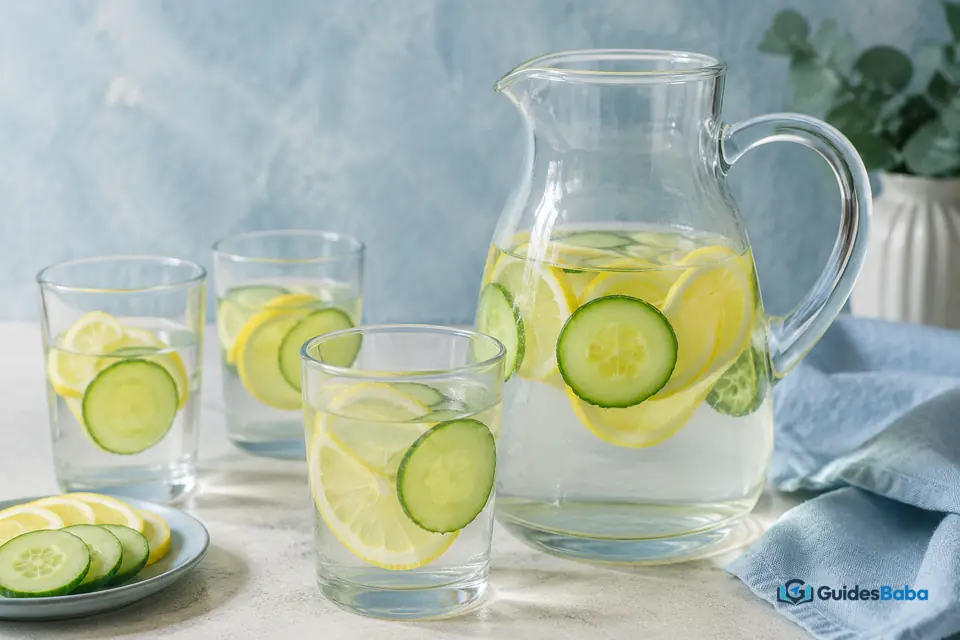
Good habits grow from small steps. Change one thing at a time. Build steadily through your week. Small shifts feel manageable.
Keep water beside your feeding chair. Sip at every feed and meal. Add hydrating foods to your plate. Carry a bottle when you go out. Refill it through the day. Small routines make a difference.
Above all, listen to your body. It signals thirst clearly. Drink and rest when you can. Lean on your care team. They are there to help you.
Frequently asked questions
How much water should you drink while breastfeeding?
Drink enough to satisfy your thirst. General ranges suggest several glasses daily.
Do I need a fixed litre target?
No, let thirst guide your drinking. Your needs vary with activity and weather.
Will drinking more boost my supply?
No, overdrinking does not raise supply. Regular feeding matters far more.
What are the best drinks?
Plain water is the best choice. Milk and diluted juice can help too.
Can foods help me hydrate?
Yes, fruit, cucumber, and soups add fluid. They top up your daily intake.
How do I know I need more?
Dark urine and thirst are common signs. Respond by sipping water calmly.
Is caffeine a problem?
A modest amount is usually fine. Keep water as your main drink.
Can I drink too much water?
Drinking far beyond thirst is unnecessary. Answer your thirst and stay balanced.
What about hot weather?
Warm days raise your fluid needs. Keep water close and sip often.
When should I seek advice?
See your midwife or doctor regularly. Ask about any concerns straight away.
The bottom line
How much water should you drink while nursing? Enough to satisfy your thirst comfortably. Most parents do need a little extra fluid. Let thirst guide you most days. Keep plain water within easy reach.
You do not need to force litres. Overdrinking will not boost supply. Choose water over sugary drinks. Lean on your care team throughout.
For general background, read this overview of breastfeeding. You can also learn about drinking water and health. Use trusted sources alongside professional advice.
This is not medical advice. See a professional for your own care. Every parent and baby is different. Then let your trusted team guide you.