
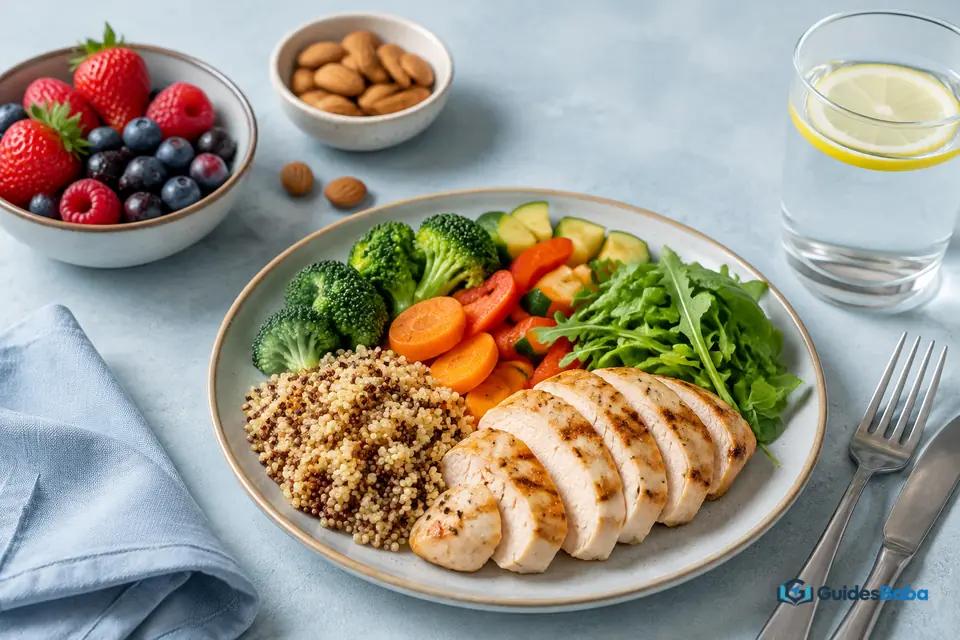
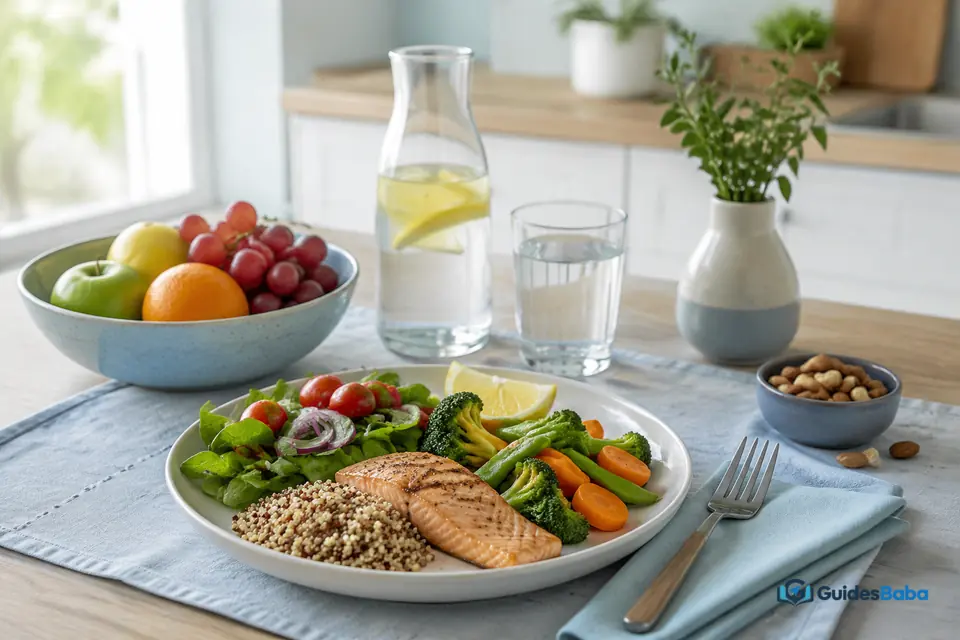
New parents hear this question often. So do you need extra calories while breastfeeding? Have you been told to eat for two? The truth is more balanced than that. Your body handles a lot itself.
Rather than counting every calorie, eat well. Breastfeeding does use extra energy. Your appetite often rises to match. A varied, balanced diet supports you both. Your care team can guide the details.
Here is the honest answer. Yes, you usually need some extra energy. The exact amount varies for everyone. General ranges suggest a modest increase. Quality matters more than strict counting. Always follow your own doctor or dietitian.
This guide covers energy needs while nursing. You will learn about quality calories and hunger. We also cover supply and weight. This is not medical advice. See a professional.
So do you need extra calories while breastfeeding?
The honest answer is usually yes. Making milk takes real energy. Your body needs a little more fuel. The extra amount stays fairly modest.
Think of milk making like gentle work. It quietly burns energy all day. Your body asks for more fuel. Your appetite often rises naturally. Good food answers that call. You rarely need to force extra. Balance is the quiet goal here.
Do you need to count calories? Not really, just eat to your hunger. Focus on whole, nourishing foods. Your dietitian can tailor advice. Personal guidance always comes first. Simple food is often best. No guide replaces your own team.
Why your body needs more energy
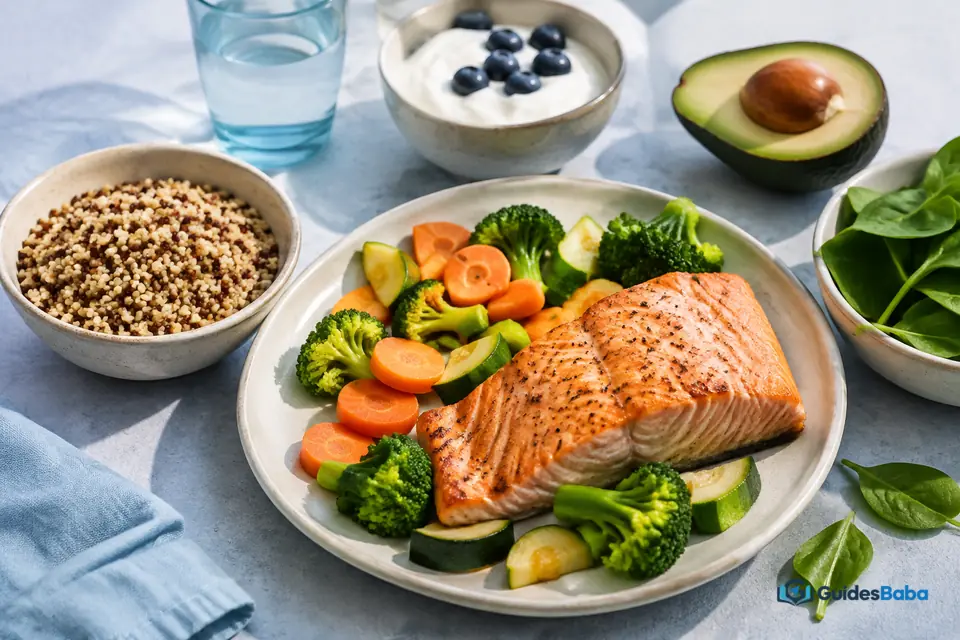
Making milk is an active process. It uses energy through the day. Your body draws on food and stores. Extra fuel helps keep you steady.
The energy supports milk production. It also supports your own recovery. Sleep is often short right now. Good food helps you cope better. Steady energy keeps your mood stable. Your baby benefits when you do.
You do not need to overeat. Aim for steady, sensible meals. Small good habits add up. Your care team will support you. Progress matters more than perfection.
Did you know?
Your body draws on stores built during pregnancy. That is why the extra food need stays modest.
How much extra, roughly
Many expect a huge calorie jump. In truth the extra need is modest. General ranges suggest a few hundred calories. Your own needs may differ.
The exact figure depends on many things. Your baby’s age matters here. How often you feed matters too. Your own body plays a role. This is why ranges stay general. Your dietitian can personalise the number.
You should not chase an exact count. Let hunger guide your eating instead. Focus on quality over strict maths. Your care team can advise. Trust real guidance over any myth.
Eating a balanced, varied diet
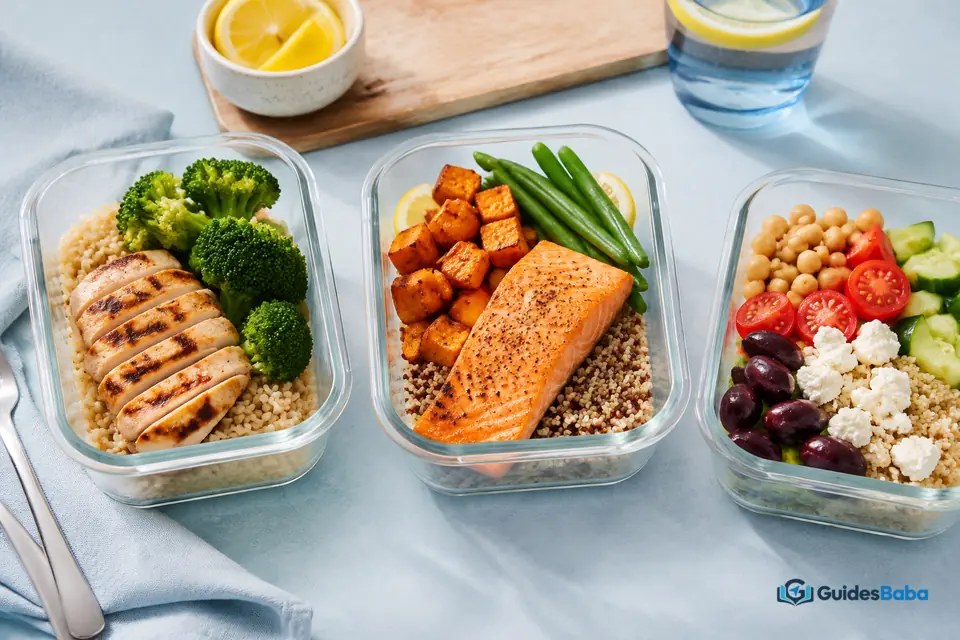
A balanced diet is your foundation. It covers most of your needs. Variety fills in the gaps. Together they cover a lot.
Fill your plate with different food groups. Include fruit, vegetables, and whole grains. Add protein and some dairy. Healthy fats belong there too. See what a balanced diet looks like here.
You do not need fancy superfoods. Everyday whole foods work well. Aim for colour and variety. Your care team can adjust this. Simple food is often best.
Quality calories over empty ones
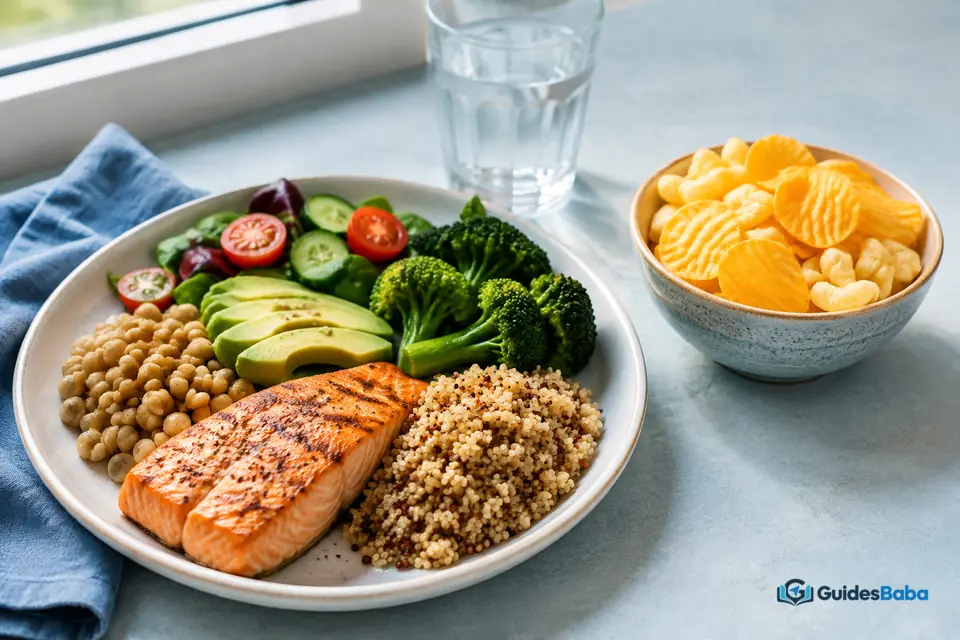
Not all calories are equal here. Quality fuel serves you far better. Empty calories give little in return. Choose nourishing foods where you can.
Whole foods pack more nutrients per bite. They support you and your milk. Sugary snacks fade quickly and disappoint. Balanced meals keep energy steadier. Small swaps make a real difference. Learn how to eat while breastfeeding here.
You should not fear a treat sometimes. Balance is the sensible aim. Most meals can be nourishing. Your dietitian can guide choices. Food should come first.
Protein while breastfeeding
Protein supports your body and recovery. It helps you feel steadier too. Your needs rise a little now. Regular sources keep you strong.
Good options are easy to find. Eggs, beans, lentils, and fish help. Lean meat and poultry work well. Dairy and nuts add more. These high-protein foods support you.
You should spread protein across meals. Include some at each sitting. This keeps your energy steady. Simple choices are usually enough. Your dietitian can advise amounts. Aim for a little regularly.

Carbohydrates for steady energy
Carbohydrates are your main fuel source. They power your busy days. Whole grains release energy slowly. This keeps you going for longer.
Choose oats, brown rice, and wholemeal bread. Add fruit, beans, and starchy vegetables. These give steady, lasting energy. They also supply useful fibre. Refined snacks fade fast by comparison. Explore the healthiest carbohydrate sources here.
You should not cut carbs sharply now. They support energy and milk. Balance them with protein and fat. Your dietitian can guide portions. Steady fuel keeps you going.
Healthy fats for energy
Fats give concentrated, useful energy. They also support many body functions. Some fats help your milk too. Balance is what matters here.
Oily fish supplies helpful omega-3 fats. Nuts and seeds offer good fats. Olive oil is another gentle source. Avocado adds richness and energy. These support you and your baby. Whole sources are usually best.
You should not fear healthy fats. They fuel your busy days. Choose whole options where you can. Your dietitian can guide choices. Moderation keeps things simple.
Staying well hydrated
Fluids matter a great deal now. Breastfeeding can leave you thirsty. Hydration supports your comfort and energy. It helps many body systems.
Plain water is the best choice. Sip it steadily through the day. Keep a bottle within easy reach. Drink when you feel thirsty. Good fluids support your energy. Regular sips work better than gulps.
You do not need to overdrink. Extra water will not boost supply. Simply meet your thirst well. Your midwife can advise more. Balance is the sensible aim.
Listening to your hunger

Hunger is a helpful guide now. Your body signals when to eat. Trusting it often works well. It adjusts to your real needs.
Eat when hunger arrives, not by clock. Choose nourishing foods most of the time. Keep snacks ready for busy moments. Do not wait until you crash. Your appetite reflects your energy use. Simple attention goes a long way.
You should not ignore steady hunger. It may signal a real need. Respond with balanced foods. Your dietitian can help you tune in. Trust those signals.
Calories and milk supply
Some parents worry about supply now. Eating too little can be a risk. Very strict diets may affect milk. Steady, adequate eating is safer.
Supply relies mostly on regular feeding. Good nutrition supports the process too. Crash diets are not advised while nursing. They can leave you drained. Talk to a lactation consultant first. Steady eating protects you both.
You should avoid sudden big cuts. Base changes on real advice. Your care team can guide safely. Get proper help before restricting.
Weight and breastfeeding
Many parents think about weight now. Gentle, gradual change is the safest path. Sudden loss can affect energy. Patience serves you far better.
Breastfeeding may support gradual weight change. Everyone responds a little differently, though. There is no fixed timeline here. Focus on nourishing, balanced meals. Avoid harsh diets while nursing. Your care team can advise you.
You should not rush this process. Give your body real time. Steady habits work best. Ask a professional for personal guidance. Patience really pays off.
Snacks that help
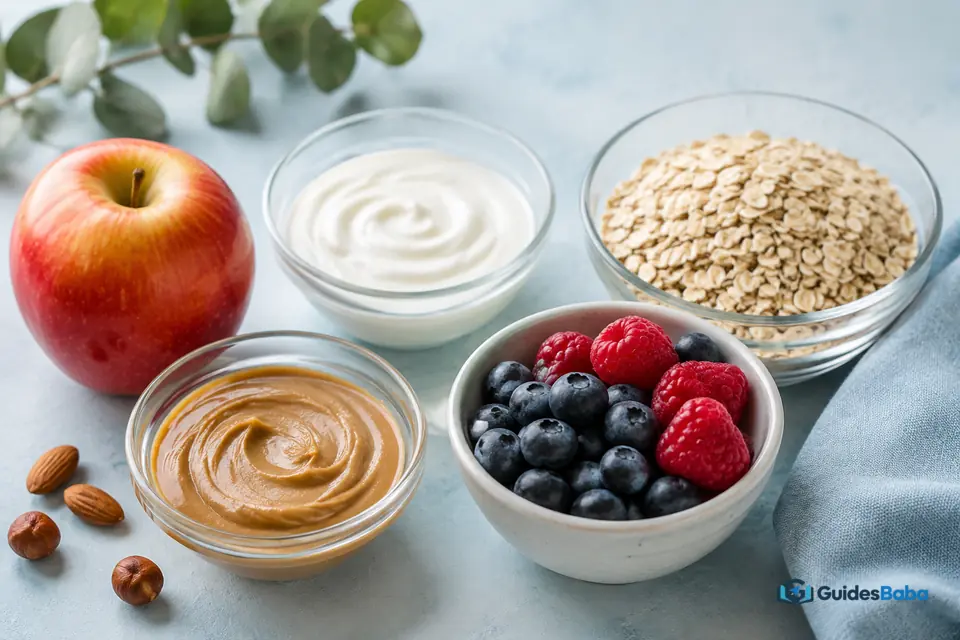
Handy snacks make nursing days easier. They fill the gaps between meals. Good choices keep energy steady. Preparation removes a lot of stress.
Try fruit, yoghurt, or a handful of nuts. Wholegrain toast works well too. Boiled eggs are easy and filling. Hummus with vegetables is simple. Keep snacks near your feeding chair. Small bites add up nicely.
You should not rely on sugary snacks. They fade fast and disappoint. Choose balanced options where you can. Your dietitian can suggest ideas. Preparation removes daily stress.
Eating well versus strict dieting
People sometimes ask about restricting food. The clear comparison is balanced eating versus strict dieting. One supports you far better.
| Balanced breastfeeding eating | Strict calorie cutting |
|---|---|
| Eats to real hunger | Ignores hunger signals |
| Steady, lasting energy | Risk of low energy |
| Supports milk supply | May affect supply |
| Guided by your care team | Often done without advice |
Breastfeeding is no time to crash diet. Focus on nourishing, balanced meals. Let professionals guide any changes. Your body needs steady fuel.
Common calorie mistakes
One mistake is truly eating for two. You need only modest extra energy. Quality beats sheer quantity. Overeating is not the goal.
Another mistake is cutting calories too hard. That can leave you drained. Some parents skip meals entirely. Others rely on sugary snacks. Both can cause problems. Guesswork has no place here.
You should avoid guessing at big changes. Base your choices on real advice. Your dietitian can correct myths. Trusted guidance keeps you safe. Reliable sources beat old wives’ tales.
When to seek professional advice

General tips suit many parents well. Still, every family is unique. Personal advice always matters most. Your needs are truly your own.
See your midwife or dietitian regularly. Ask about energy, supply, and weight. Some conditions need special diets. Diabetes and allergies need extra care. Your team will tailor everything. Regular checks keep you on track.
This is not medical advice. See a professional for your own plan. Use these ideas as general background. Then follow your trusted care team. They know your full history.
Building simple daily habits
Good habits grow from small steps. Change one thing at a time. Build steadily through your week. Small shifts feel manageable.
Keep water beside your feeding chair. Prepare easy, balanced snacks ahead. Add one extra vegetable each day. Cook a little extra to freeze. Plan simple meals in advance. Small routines make a difference.
Above all, listen to your body. It signals hunger and thirst. Rest and eat when you can. Lean on your care team. They are there to help you.
Frequently asked questions
Do you need extra calories while breastfeeding?
Yes, you usually need some extra energy. The amount stays modest and varies.
How many extra calories exactly?
General ranges suggest a few hundred calories. Your dietitian can personalise the number.
Should I count calories?
No, let hunger guide your eating. Focus on quality over strict counting.
Do I need to eat for two?
No, the extra energy need is modest. Quality matters more than quantity.
Can eating too little hurt supply?
Very strict diets may affect milk. Steady, adequate eating is safer.
Can I lose weight while nursing?
Gentle, gradual change is usually safest. Ask a professional for personal guidance.
What snacks are good?
Try fruit, yoghurt, nuts, or wholegrain toast. Keep them near your feeding chair.
Are carbs important now?
Yes, they give steady, lasting energy. Choose whole grains most of the time.
Should I take supplements?
Ask your doctor or midwife first. They advise what is right for you.
When should I seek advice?
See your midwife or dietitian regularly. Ask about any concerns straight away.
The bottom line
So do you need extra calories while breastfeeding? Usually yes, but only a modest amount. Let hunger guide you most days. Focus on quality, nourishing foods. Your body draws on its stores too.
You do not need to eat for two. Avoid strict diets while nursing. Stay hydrated and eat regularly. Lean on your care team throughout.
For general background, read this overview of breastfeeding. You can also learn about the process of lactation. Use trusted sources alongside professional advice.
This is not medical advice. See a professional for your own care. Every parent and baby is different. Then let your trusted team guide you.