


You train hard yet feel flat on game day. Could your food be the missing piece? So how does nutrition affect athletic performance? What you eat shapes how well you move.
Rather than chasing every new fad, focus on basics. Good nutrition fuels effort and speeds recovery. It supports muscles, energy, and focus. The right habits build a steady edge. Small choices add up over time.
Here is the honest answer. Nutrition affects nearly every part of performance. Carbs fuel your effort during training. Protein repairs and builds your muscles. Fluids and minerals keep your body working. Steady, balanced eating supports it all.
This guide covers how each nutrient helps. You will learn how food shapes endurance and strength. We compare whole foods and processed choices. This is not medical advice. See a professional.
So how does nutrition affect athletic performance?

The honest answer touches every system. Food gives energy for muscles to work. It also supplies materials for repair.
Think of your body as a fine engine. The right fuel keeps it running smoothly. Poor fuel makes it splutter and stall. Good nutrition keeps the engine strong.
Does one meal decide your results? Not really, as habits matter far more. A single snack will not transform you. Steady eating builds lasting gains. Consistency beats any quick fix. Your daily pattern shapes your progress most.
Why energy availability drives performance

Your body needs enough energy to perform. Training burns fuel at a fast rate. Too little food leaves you drained.
When energy runs low, effort suffers. You tire early and lose sharpness. Eating enough keeps your tank full. A balanced diet supports steady energy. Fuel your training, not just your rest.
Under-eating can also slow recovery. Your body struggles to repair and adapt. That leads to fatigue over time. Match your intake to your training load. Balance protects your progress.
Did you know?
Your muscles store carbs as glycogen for quick fuel. Full stores can help you train harder for longer.
How carbohydrates fuel your effort

Carbohydrates are the body’s main fuel. They break down into simple, usable energy. Your muscles reach for them first.
During hard effort, carbs really shine. They power quick, intense movements well. Good carbohydrate sources keep energy steady. Rice, oats, fruit, and bread all help. Low fuel leaves you tired early.
Endurance athletes lean heavily on carbs. Long efforts drain the stored supply. Refilling those stores supports the next session. Match your carbs to your training. Steady fuel carries you further. Even sprinters rely on quick carb energy. Timing your carbs can sharpen your effort.
Why protein supports training and repair

Protein helps your muscles repair and grow. Hard training creates tiny muscle tears. Protein provides the building blocks.
Spreading protein across the day works well. Think eggs, beans, yoghurt, or lean meat. These high-protein foods aid recovery. Regular servings beat one large hit. Balance protein with your other food.
Protein also supports strength over time. Muscles adapt when fuelled and rested well. Too little can slow your gains. Aim for steady, sensible amounts. Consistency builds real strength. Pair protein with enough total energy. Recovery then works far better.
How fats provide steady energy

Fats give a slow, lasting energy source. They fuel longer, gentler efforts well. Your body taps them during endurance work.
Healthy fats also support overall health. They help you absorb some vitamins. Nuts, seeds, olive oil, and fish help. Include modest amounts in balanced meals. Quality matters more than quantity here.
You do not need huge amounts of fat. Very fatty meals can feel heavy. Keep portions sensible around training. Balance fat with carbs and protein. Moderation supports steady energy. Save richer meals for rest days. Light plates suit training days better.
Why hydration shapes performance
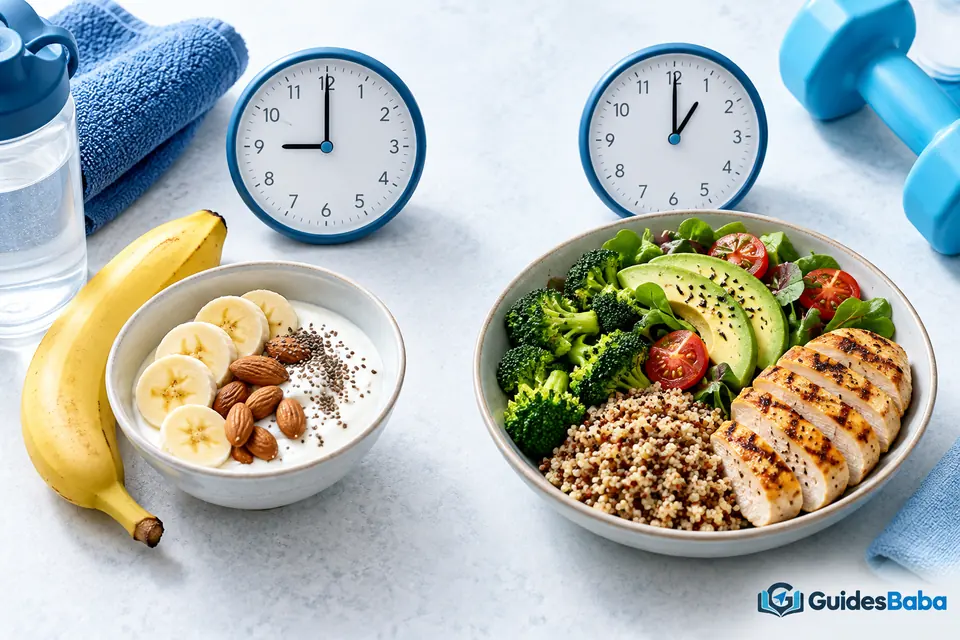
Water keeps your body working smoothly. Even mild dehydration can slow you down. Thirst often arrives after the dip.
Drink steadily through the day, not just during sport. Learn how much water to drink each day. Sweat carries water and salts away. Replace both during long, hot efforts. Good hydration supports strength and focus.
Dehydration affects your mind as well. Focus and coordination can fade quickly. That hurts skill and decision making. Keep fluids topped up around training. Simple habits protect performance.

How vitamins and minerals support athletes
Vitamins and minerals work quietly behind the scenes. They help turn food into usable energy. They also support bones and blood.
Iron helps carry oxygen to your muscles. Calcium and vitamin D support strong bones. These daily vitamins keep systems running. A varied diet usually covers your needs. Colourful plates supply a broad range.
Most athletes get enough from good food. Supplements help only in certain cases. Focus on whole foods first. Add extras only with proper advice. Real food leads the way.
Why meal timing affects your training
When you eat can shape your sessions. A little fuel before helps harder efforts. Recovery food afterwards aids repair.
A pre-training snack tops up your energy. A post-training meal refills and rebuilds. Spacing meals keeps energy even. Timing supports both effort and recovery. Small habits make a difference.
Still, total daily food matters most. Timing fine-tunes what your habits build. Do not obsess over the clock. Get the basics right first. Then adjust the details. A steady daily pattern beats perfect timing. Build the habit before the extras.
How nutrition affects endurance
Endurance depends heavily on steady fuel. Long efforts drain your carb stores. Good fuelling keeps you moving longer.
Well-fed muscles resist fatigue better. Low stores can leave you flagging early. Carbs before and during help greatly. Fluids and salts support the effort. Fuel matches the distance.
Recovery between sessions also counts. Refilling stores readies you for tomorrow. Skipping fuel builds up tiredness. Plan food around your training block. Steady habits build endurance. Fatigue often hides a fuelling gap. Fix the food and energy returns.
How nutrition affects strength and power
Strength work relies on fuel and repair. Muscles need energy to train hard. They need protein to rebuild after.
Enough carbs power your heavy sets. Protein then supports muscle recovery. Together they help you grow stronger. Under-eating can stall your progress. Balance fuels real gains.
Rest and sleep also shape your results. Nutrition works alongside recovery time. Neither alone builds full strength. Combine good food with good rest. The whole picture matters. Good sleep helps your muscles repair. Food and rest work as partners.
Why recovery nutrition matters
Recovery is where progress truly happens. Your body adapts between sessions. Food gives it the tools to rebuild.
A balanced recovery meal refuels and repairs. Protein rebuilds while carbs refill energy. Fluids replace what sweat carried away. Good recovery readies your next session. Rest turns effort into progress.
Skipping recovery food slows your gains. Tired muscles struggle to adapt. That raises the risk of burnout. Treat recovery as part of training. It deserves real attention.
Whole foods versus processed foods
People often ask which choices serve athletes. The clear comparison is whole foods versus processed foods. Each affects performance differently.
| Whole foods | Heavily processed foods |
|---|---|
| Rich in nutrients and fibre | Often low in nutrients |
| Steady, lasting energy | Quick spikes and crashes |
| Support recovery well | Offer little for repair |
| Best as your daily base | Best kept occasional |
Whole foods work best as your base. Occasional treats will not undo progress. Aim for balance, not perfection. Let quality guide most meals.
How nutrition affects focus and mood
Food fuels your brain as well as muscles. Steady energy supports clear thinking. Sharp focus helps skill and tactics.
Low fuel can leave you foggy and slow. Reactions and decisions may suffer. Balanced meals steady your mood too. That helps you stay calm under pressure. Mind and body share the same fuel.
Blood sugar swings can affect concentration. Whole foods give steadier energy. Sugary snacks alone bring crashes. Choose balanced meals before big events. Focus follows good fuel. Calm energy helps you make better calls. Steady fuel keeps your head clear.
How poor nutrition holds you back
Poor eating quietly limits your ceiling. You may train hard yet stall. The missing fuel caps your results.
Skipping meals leaves you low on energy. Too little protein slows repair. Poor hydration blunts your effort. These gaps add up over weeks. Good habits close them steadily.
Fixing nutrition often unlocks progress. Athletes feel fresher and recover faster. Small changes bring real gains. Start with the basics first. Consistency does the rest. Better fuel can lift a plateau. Simple habits often bring the breakthrough.
Common nutrition mistakes in sport
One common mistake is under-eating overall. Athletes sometimes fear extra food. That leaves them short on fuel.
Another mistake is ignoring recovery meals. Skipping food after training slows repair. Some rely too much on supplements. Whole foods should come first. Basics beat any quick fix.
Poor hydration is another frequent slip. Many drink too little each day. Others chase fad diets that fall short. Keep your approach simple and balanced. Steady habits win.
Who might need tailored guidance
General advice suits most active people well. Still, some athletes need personal care. Certain situations change the picture.
Elite athletes, diabetics, and some patients differ greatly. Special diets need careful handling for some. A sports dietitian understands your full picture. Personal advice always beats general rules here.
This is not medical advice. See a professional for your own situation. Use these ideas as a friendly guide. A short chat can prevent bigger problems.
Building a performance nutrition routine
A steady routine takes the guesswork out. Build meals around whole foods and balance. Match your fuel to your training.
Note how different foods make you feel. Keep the habits that leave you strong. Adjust as your training changes. A simple routine saves daily thinking. Consistency builds real confidence.
Above all, listen to your own body. It signals hunger, energy, and fatigue. These cues guide your best choices. Trust them over any strict rule.
Frequently asked questions
How does nutrition affect athletic performance?
Food fuels effort, repair, and focus. Good habits support strength, endurance, and recovery.
Which nutrient matters most for athletes?
Carbs fuel effort while protein rebuilds muscle. Both matter, alongside fluids and balance.
Can poor eating limit my results?
Yes, poor fuel can cap your progress. Fixing basics often unlocks better performance.
Do athletes need more carbohydrates?
Active people often need more carbs for fuel. Endurance athletes rely on them heavily.
How important is hydration for sport?
Hydration strongly affects strength and focus. Even mild dehydration can slow you down.
Should athletes take supplements?
Most athletes meet their needs through food. Supplements help only in certain cases.
Does nutrition affect focus and mood?
Balanced meals steady your energy and mind. Low fuel can leave you foggy.
How soon do good habits show results?
Nutrition works over weeks, not one meal. Steady habits build lasting gains.
Are whole foods better for performance?
Whole foods give steady energy and nutrients. Keep processed foods more occasional.
Do I need a special athlete diet?
Most people thrive on balanced whole foods. Some cases benefit from professional guidance.
The bottom line
So how does nutrition affect athletic performance? Food shapes energy, repair, hydration, and focus. Carbs fuel your effort while protein rebuilds muscle. Fluids and minerals keep your body working. Steady, balanced eating supports it all.
Do not chase perfection or fad diets. Build most meals from whole foods. Match your fuel to your training load. Recovery food turns effort into progress.
For more background, read this overview of sports nutrition and its aims. You can also explore how carbohydrates fuel effort. Use trusted sources to guide your habits.
This is not medical advice. See a professional for your personal needs. Fuel your training in a way that feels good. Then enjoy stronger, steadier performance.