


The Paleo diet pops up in every health chat. People call it eating like our ancestors. So what is the Paleo diet really? Let us separate the wheat from the chaff.
Rather than following a slogan, it helps to look closer. Paleo focuses on whole, minimally processed foods. It drops grains, dairy, and refined sugar. The idea draws on a stone-age picture of eating. The reality is more nuanced than that.
Here is the honest answer. Paleo emphasises meat, fish, eggs, vegetables, and fruit. It cuts out processed and modern staples. Many people eat more whole foods this way. Some find the restrictions hard to keep. It has clear strengths and real limits.
This guide covers how Paleo works and who it may suit. You will learn the possible benefits and drawbacks. We compare Paleo with a balanced approach. This is not medical advice. See a professional.
So what is the Paleo diet?

The Paleo diet centres on whole, unprocessed foods. It mirrors what early humans might have eaten. Modern staples get left off the plate.
Think of it as eating close to nature. Foods you could hunt or gather stay in. Foods from farming and factories drop out. That is the simple guiding rule.
Does this mean eating exactly like cavemen? No, as that is neither possible nor needed. It is a modern take on old ideas. People adapt it to their own lives. Flexibility keeps it realistic.
What foods you can eat
Paleo plates lean on whole animal and plant foods. Meat, fish, and eggs feature strongly. Vegetables, fruit, nuts, and seeds fill the rest.
Protein sits at the heart of the plan. Lean meats and fish appear often. These high-protein foods support muscle and fullness. Quality sources matter more than quantity. Whole cuts beat processed options.
Plenty of vegetables round out each meal. Colourful produce brings fibre and vitamins. Healthy fats come from nuts and olive oil. This mix feels hearty and satisfying.
What foods you avoid
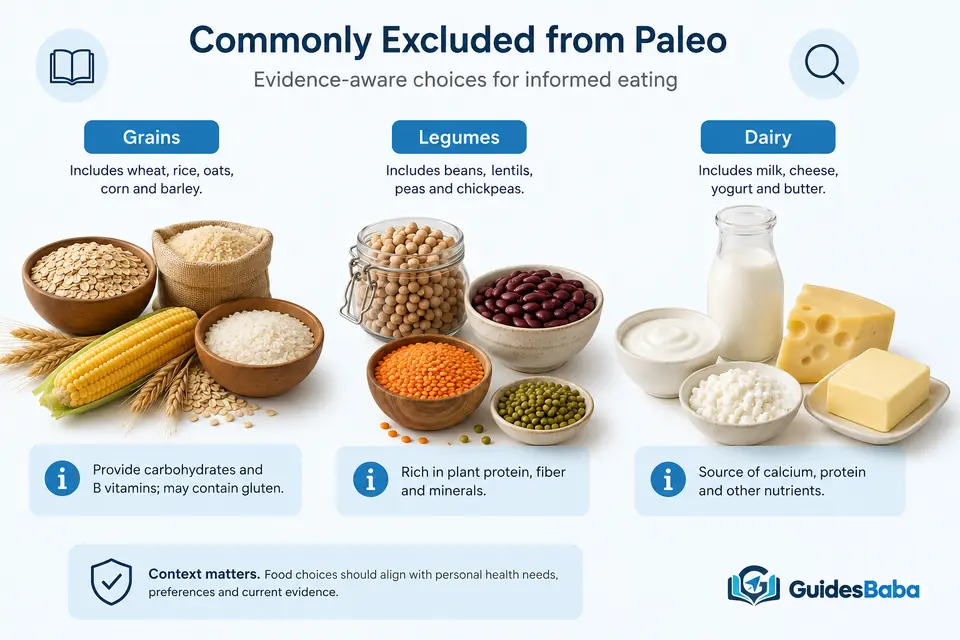
Paleo cuts several common food groups. Grains like wheat, rice, and oats are out. Dairy products are usually avoided too.
Refined sugar sits firmly on the no list. Learning about added sugars shows why this matters. Processed and packaged foods disappear as well. So do most vegetable oils.
Legumes such as beans and lentils are excluded. This point sparks real debate among experts. Many nutritionists value legumes highly. Cutting them removes a cheap protein source. The trade-off deserves careful thought.
Did you know?
Farming changed human diets only around ten thousand years ago. Paleo argues our bodies still favour older foods.
The idea behind Paleo
The Paleo idea rests on evolution. Supporters say our genes changed slowly. Yet our food changed very quickly.
They argue modern foods outpaced our biology. Grains, dairy, and sugar arrived fairly late. So the diet returns to older staples. This story is appealing and simple. It is also debated by scientists.
Critics note that ancient diets varied hugely. Early humans ate whatever they could find. There was no single caveman menu. So the theory has clear gaps. Treat the origin story with care.
Possible benefits worth knowing
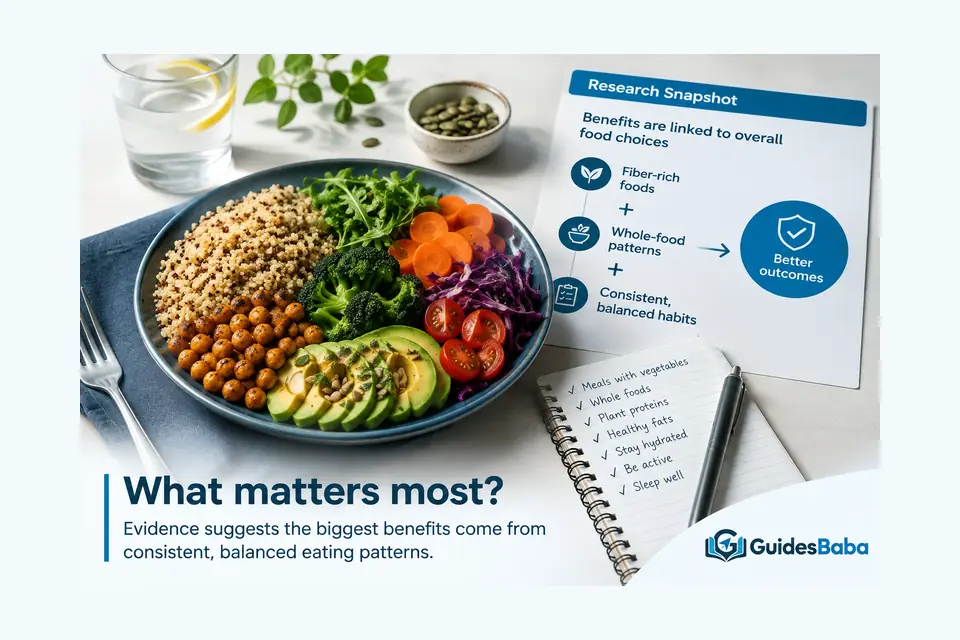
Paleo can push you toward whole foods. Cutting processed items often helps many people. Fewer refined snacks can mean fewer calories.
Eating more vegetables and lean protein sounds sensible. That pattern may support weight control. Some report steadier energy and fullness too. These effects vary from person to person. Whole foods deserve much of the credit.
The plan also builds cooking awareness. You read labels and prepare fresh meals. That habit alone brings real value. Many balanced diets share this strength.
Possible drawbacks and risks

Paleo is not without its problems. Cutting whole food groups can create gaps. Dairy provides calcium many people rely on.
Dropping grains and legumes removes cheap nutrition. These foods offer fibre and B vitamins. Replacing them takes planning and money. Meat-heavy versions can also raise costs. Balance within Paleo still matters.
The strict rules can feel limiting socially. Eating out grows harder for some. A few people struggle to stay consistent. The science on long-term effects stays thin. Caution and monitoring both make sense.

Paleo and weight management
Many people try Paleo to lose weight. Whole foods tend to feel filling. That fullness can lower total calories.
Cutting processed snacks removes easy overeating. Fewer sugary treats often means fewer calories. Some people see steady, gradual results. Others see little change at all. Personal habits still drive the outcome.
No diet melts weight by magic. Calories and consistency always matter most. Paleo simply nudges better food choices. Pair it with realistic expectations. Slow progress usually lasts longer.
Paleo and your energy
Energy on Paleo shifts for many people. Cutting refined carbs steadies blood sugar. That can smooth out afternoon slumps.
Some feel sharper and more even through the day. Others miss the quick fuel from grains. Athletes may notice this most keenly. The response is highly individual. Listen to your own body closely.
Give any change a few weeks. Your body adjusts to new fuel patterns. Track how your days actually feel. Adjust the plan if energy dips. Comfort should guide your choices.
Getting enough nutrients on Paleo
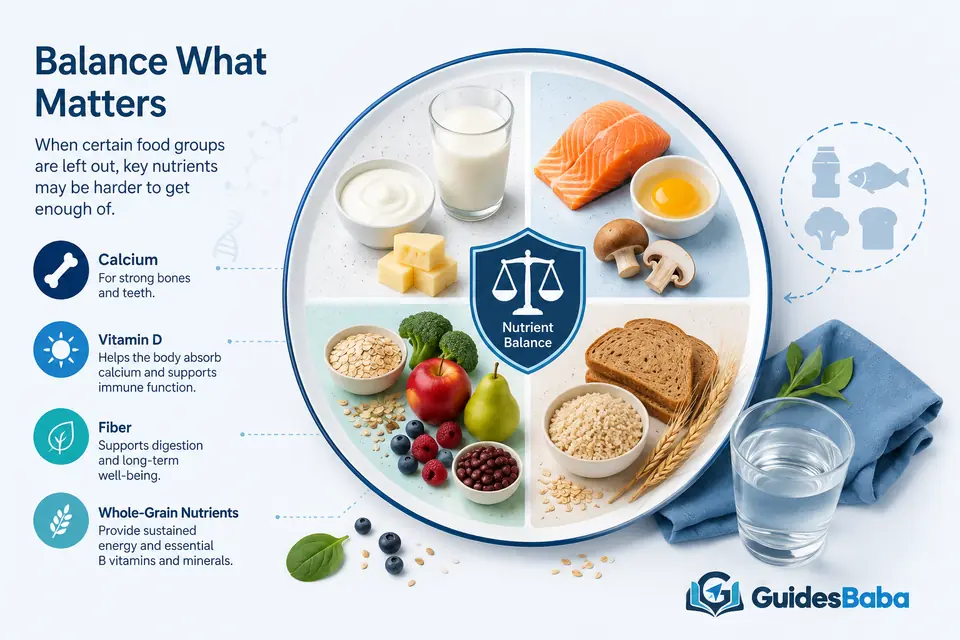
Nutrient balance needs real attention on Paleo. Dropping dairy can lower your calcium. Dropping grains can lower certain B vitamins.
Careful planning fills these gaps well. Leafy greens and fish support calcium. Nuts, seeds, and organ meats add minerals. Understanding essential nutrients helps you plan wisely.
Do not rely on meat alone. Load your plate with colourful vegetables. Rotate your protein and produce often. This variety keeps nutrition strong. Simple habits prevent most gaps.
Paleo versus a balanced diet
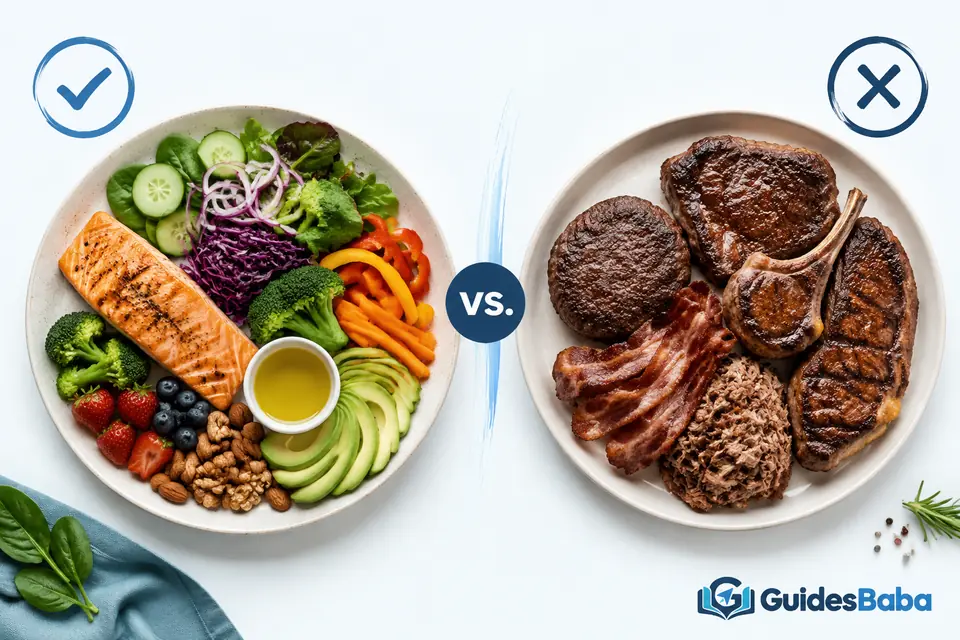
People often compare Paleo with balanced eating. The clear contrast is Paleo versus a balanced diet. Each fits different people and goals.
| Paleo diet | Balanced diet |
|---|---|
| Cuts grains, dairy, and legumes | Includes all food groups |
| Focus on whole foods | Focus on variety and portions |
| Can feel restrictive | More flexible day to day |
| Based on an ancestral idea | Based on broad nutrition science |
Choose Paleo if its rules suit you. Choose balance for flexibility and range. A balanced diet works well for most people.
Is Paleo backed by science?
The evidence on Paleo stays mixed. Short studies show some promising signs. Long-term research remains fairly limited.
Some trials link Paleo to modest weight loss. A few suggest better blood sugar markers. Yet many benefits may come from whole foods. Balanced diets can match those gains. The diet is not uniquely magical.
Be wary of bold, sweeping claims. Real nutrition science moves slowly. Treat dramatic promises with healthy doubt. Whole-food eating is the honest core. The ancestral story is just packaging.
Is Paleo right for everyone?
Paleo does not suit every person. Some health conditions make it unwise. Medical guidance becomes important here.
People with kidney issues should watch protein. Those on a tight budget may struggle. Vegetarians find the plan very hard. Your doctor knows your full picture. Personal advice beats general rules.
This is not medical advice. See a professional before big changes. A short check-up can prevent problems. Your needs always come first.
Common mistakes on Paleo
One common mistake is eating only meat. Vegetables deserve half your plate. Balance keeps the diet healthy.
Another mistake is buying costly Paleo products. Marketed bars and snacks defeat the point. Choose simple whole foods instead. Learning the best vegetables to eat helps. Real food beats packaged hype.
Some people go too strict too fast. That approach often leads to burnout. Ease in and stay flexible. Small steps build lasting habits.
Making Paleo more sustainable
Sustainability separates a fad from a habit. Plan your meals a few days ahead. This removes daily guesswork and stress.
Keep a short list of easy meals. Repeat the ones you truly enjoy. Batch cooking saves time and money. Simple routines protect your consistency. Consistency builds real confidence.
Allow yourself some gentle flexibility too. Rigid rules can lead to burnout. A relaxed mindset helps you continue. Progress beats perfection every time.
Who might benefit most from Paleo
General advice suits most healthy adults well. Still, Paleo fits certain people better. Goals and taste shape the fit.
Those who overeat processed foods may gain most. Cutting them can be a clear win. People who enjoy cooking adapt easily. Personal habits change everything here.
If you feel drawn to it, ease in. Read widely and gather good information. Then talk with a trusted professional. Informed choices always serve you best.
Paleo and snacking habits
Snacking changes a lot on Paleo. Chips and biscuits leave your cupboard. Whole-food snacks take their place.
Nuts, fruit, and vegetable sticks work well. A boiled egg makes a filling bite. These options steady your energy nicely. They also cut hidden sugar and salt. Simple swaps make snacking healthier.
Watch the portions on calorie-dense snacks. Nuts are healthy but easy to overeat. A small handful is usually enough. Mindful snacking supports your goals.
Paleo and gut health
Gut health depends heavily on fibre. Paleo can supply plenty from vegetables. It also removes many processed foods.
Still, cutting grains and legumes lowers some fibre. That trade-off deserves your attention. Load up on vegetables to compensate. Fruit and seeds help fill the gap. Variety feeds a healthy gut.
Everyone reacts to fibre changes differently. Some feel lighter and more regular. Others need time to adjust. Increase vegetables gradually if needed.
Signs Paleo suits you
People often ask if Paleo fits them. Several gentle signs can appear over weeks. None of them proves success alone.
Steadier energy is a common early sign. Fewer cravings for sweets is another. Some enjoy cooking more than before. These clues suggest the plan works for you. Track them without obsessing over numbers.
Avoid judging progress by one hard day. Trends over weeks matter far more. Keep simple notes on how you feel. Patterns tell a clearer story.
Frequently asked questions
What is the Paleo diet in simple terms?
It focuses on whole, unprocessed foods. It drops grains, dairy, and refined sugar.
What can you eat on Paleo?
You eat meat, fish, eggs, vegetables, and fruit. Nuts and seeds are welcome too.
What foods does Paleo avoid?
It avoids grains, dairy, legumes, and refined sugar. Processed foods are excluded as well.
Does Paleo help with weight loss?
Many people lose weight on Paleo. Whole foods feel filling, which lowers calories.
Is the Paleo diet healthy?
It can be, if you plan for nutrients. Watch your calcium and fibre intake.
Why does Paleo cut out grains?
Supporters say grains arrived late in human history. Critics view whole grains as nutritious.
Is Paleo backed by science?
Short studies show some benefits. Long-term evidence remains fairly limited.
Can vegetarians follow Paleo?
It is very hard for vegetarians. The plan leans heavily on animal foods.
Is Paleo expensive?
It can be, since meat and produce cost more. Simple planning helps control costs.
Is Paleo better than a balanced diet?
Neither is best for everyone. The right choice depends on your goals.
The bottom line
So what is the Paleo diet? It focuses on whole foods our ancestors might recognise. It drops grains, dairy, legumes, and sugar. Many people eat more real food this way. Others find the restrictions hard to keep.
Paleo offers a useful nudge toward whole eating. It also carries gaps and real trade-offs. The ancestral story is more marketing than science. Keep the good habits and question the rest.
For more background, read this overview of the Paleolithic diet. You can also explore the wider idea of whole foods. Use trusted sources to guide your habits.
This is not medical advice. See a professional before starting Paleo. Choose an approach that fits your life. Then build habits you can truly maintain.