
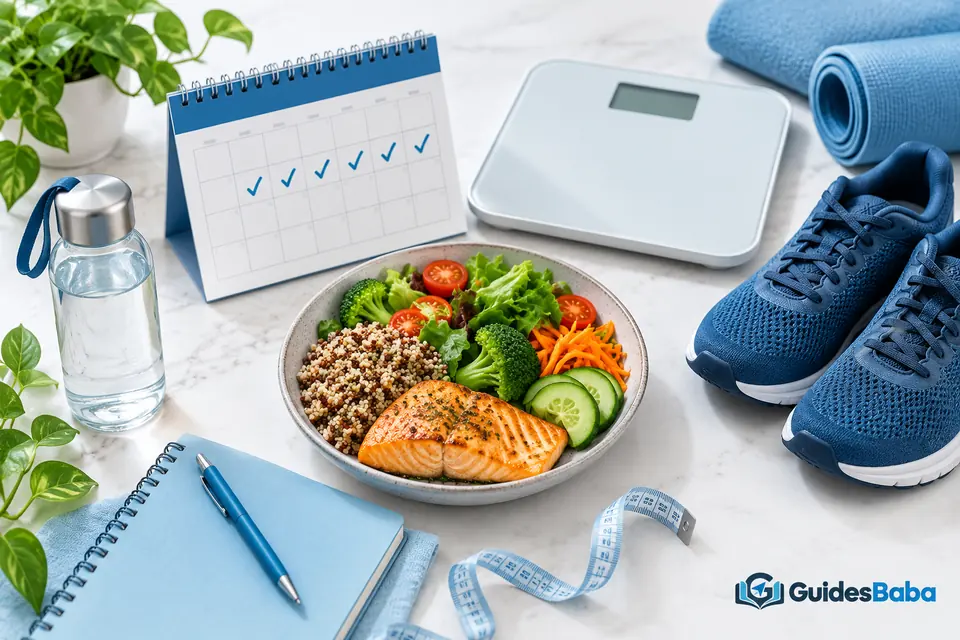
The scale can feel like a moody friend. Some weeks it moves, some weeks it sulks. So what is a realistic rate of weight change? A steady, gentle pace beats any wild sprint.
Rather than chasing fast drops, aim for slow progress. Small weekly changes tend to last far longer. Crash plans often fade within a few weeks. A calm, steady approach protects your health. That patience usually pays off in the end.
Here is the honest answer. Most people can safely change weight slowly. A change of around half a kilo weekly is common. Some weeks show more, some show less. Muscle, water, and food all shift the number. Gradual change tends to stick better than rapid change.
This guide covers what a sensible pace looks like. You will learn why slow beats fast for most people. We compare fast and gradual approaches clearly. This is not medical advice. See a professional.
So what is a realistic rate of weight change?
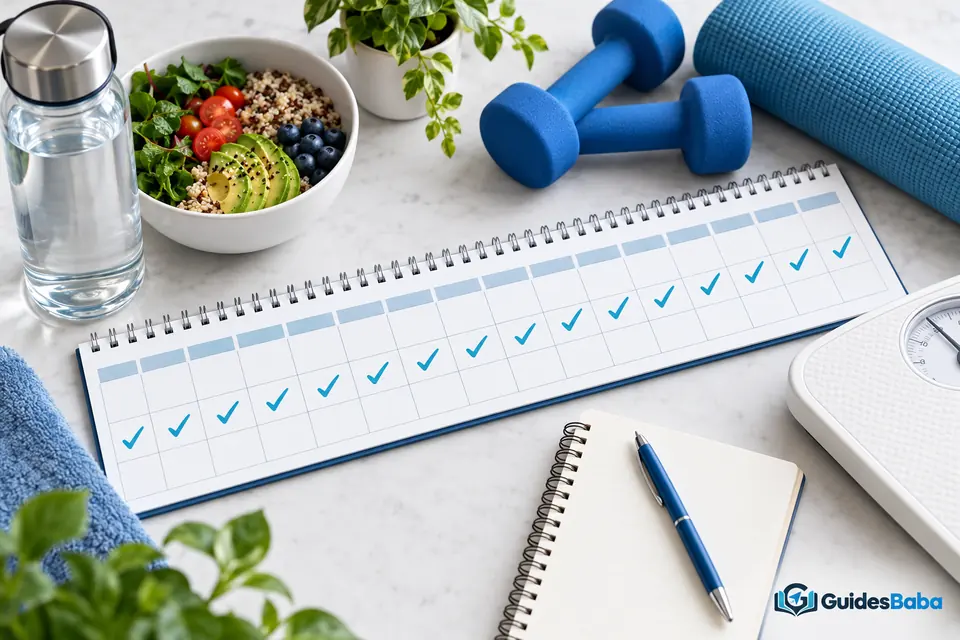
The honest answer favours slow and steady progress. Many people manage roughly half a kilo each week. That gentle pace suits most healthy adults.
Think of it like growing a garden slowly. You water a little and wait patiently. Rushing rarely helps the plants thrive. The same idea fits your body well.
Does a slow pace feel too modest? It may at first, yet it adds up. Half a kilo weekly means real change over months. Consistency matters far more than speed. Small steps carry you a long way.
Why gradual change tends to last

Fast weight loss often relies on harsh rules. Those rules are hard to keep for long. Most people slip back once they stop.
Gradual change works with your daily life instead. You build habits you can actually maintain. Small tweaks feel manageable and calm. Over time these habits become second nature. That is how lasting change is built.
A steady pace also protects your muscle and mood. Rapid drops can leave you tired and cranky. Slow progress keeps energy more stable. It supports a balanced diet you can enjoy. Comfort helps you keep going.
Did you know?
A large part of early weight change is water, not fat. That is why the first week can look dramatic.
The problem with very fast weight loss
Very fast loss can look exciting on paper. Yet it often carries hidden costs. Your body may push back hard.
Sharp cuts in food can slow your energy. You might feel weak, dizzy, or moody. Muscle loss can creep in alongside fat. Extreme plans rarely teach lasting habits. The weight often returns just as fast.
Speed can also strain your relationship with food. Strict rules may trigger cravings and guilt. That cycle wears people down over time. A gentler pace feels far more human.
What half a kilo a week really means

Half a kilo weekly sounds small at first. Over ten weeks it becomes five kilos. That steady total quietly adds up.
This pace usually comes from a modest daily change. You eat a little less or move a little more. The gap need not feel painful. Small daily choices drive the weekly result. Patience turns them into progress.
Everyone sits at a slightly different point. Your pace may run a touch faster or slower. Starting weight and habits both matter. There is no single perfect number here.
How food choices support a steady pace

What you eat shapes how you feel each day. Filling, simple foods make a calm pace easier. They keep hunger from taking over.
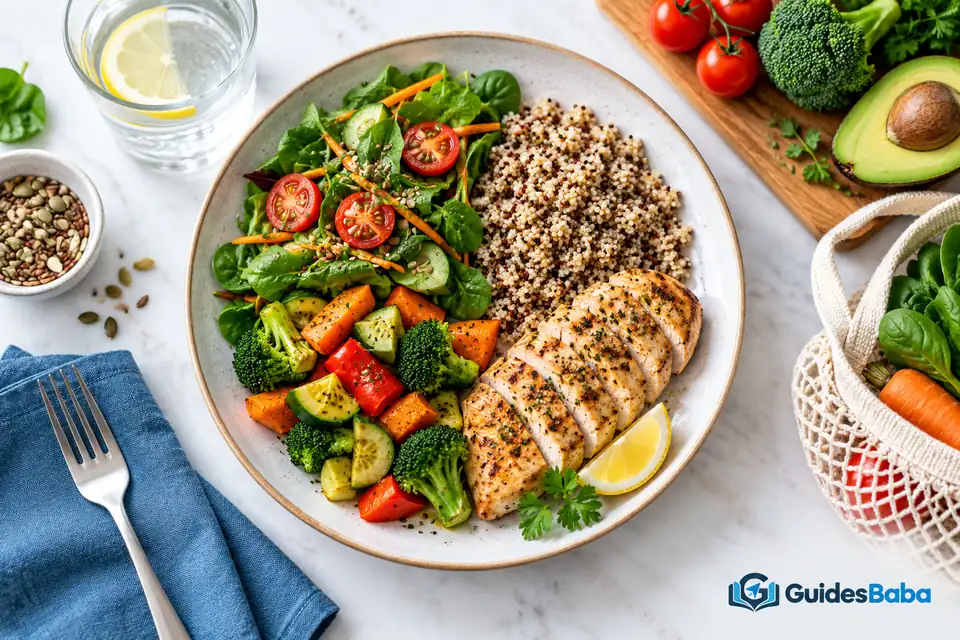
Protein and fibre help you feel satisfied longer. Vegetables add volume without heavy calories. Whole foods steady your energy through the day. These foods that keep you full reduce snacking urges. A satisfied body cooperates more.
You do not need a joyless plate to progress. Balance leaves room for foods you love. Small treats fit inside a steady plan. Enjoyment keeps the whole thing sustainable.
How activity fits into weight change

Movement supports weight change in gentle ways. It burns some energy and lifts your mood. It also helps protect your muscle.
You do not need punishing gym sessions daily. Walking, chores, and play all count nicely. Regular movement beats rare intense bursts. Muscle-friendly activity keeps your body strong. Consistency wins again here.
Exercise also builds appetite in many people. That is normal and not a failure. Pair movement with mindful eating habits. Together they keep progress steady and safe.
Why the scale is not the whole story
The scale shows only one flat number. It cannot tell fat from muscle or water. So it hides much of the real picture.
You might lose fat yet gain some muscle. The scale may barely move on such weeks. That does not mean nothing is happening. Photos, clothes, and energy tell you more. Look beyond the number alone.
Daily weigh-ins can swing for many reasons. Salt, sleep, and hormones all play a part. Weekly averages give a calmer view. Trends matter more than single days.

Setting goals you can actually reach
Good goals feel clear and kind at once. They stretch you without breaking your spirit. Realistic targets keep motivation alive.
Aim for a pace you could hold for months. Tie goals to habits, not just the scale. A daily walk is a habit you control. Focus on actions you can repeat easily. Results follow steady action.
Write your goals down where you see them. Small wins deserve a quiet cheer. Celebrate consistency more than big numbers. Progress grows on encouragement.
How water and hydration affect the number
Water weight shifts your total surprisingly fast. A salty meal can add a kilo overnight. That change is water, not real fat.
Staying hydrated actually steadies your body. It supports digestion and controls false hunger. Good hydration helps you read the scale calmly. Learn how much water to drink each day for balance. Water is a quiet ally.
Do not panic at a sudden jump upward. One heavy day rarely reflects fat gain. Wait a few days and watch the trend. Patience keeps you grounded.
Comparing fast and gradual approaches
People often weigh fast plans against slow ones. The clear comparison is speed versus sustainability. Each path behaves very differently.
| Fast approach | Gradual approach |
|---|---|
| Sharp, strict food cuts | Small, livable adjustments |
| Higher muscle loss risk | Better muscle protection |
| Hard to keep going | Easier to maintain |
| Often regained quickly | More likely to last |
Gradual change wins for most everyday people. Its habits fit real life better. Fast plans may suit rare, guided cases. Sustainability is the dividing line.
How your starting point shapes the pace
Your starting point changes what feels realistic. People with more to lose often start faster. That early pace usually settles down later.
Those nearer their goal see slower change. This is normal and not a stall. Compare yourself only to your own past.
There is no single right speed for all. Fit the plan to your own life.
Why plateaus happen along the way
Progress rarely runs in a straight line. Most people hit a flat patch eventually. A plateau is normal, not failure.
Your body adjusts as your weight changes. It may need slightly less food than before. Habits can also drift without notice. A gentle review often restarts progress. Patience carries you through the pause.
Do not react to a plateau with panic. Harsh cuts can backfire and stall you more. Small, steady tweaks work better here. Trust the longer trend line.
Building habits that make the everyday easier
Lasting change grows from small daily habits. One better choice repeated beats a perfect week. Routines quietly shape your results.
Plan simple meals you enjoy and repeat. Keep filling foods within easy reach. Build movement into your normal day. These steps make your everyday diet healthier without stress. Habits do the heavy lifting.
Systems beat willpower over the long run. You cannot rely on motivation every day. A calm routine catches you on hard days. Structure keeps progress alive.
Common mistakes with weight change
One common mistake is expecting instant results. Bodies change slowly, not overnight. Impatience often leads to quitting early.
Another mistake is judging by daily weigh-ins. The scale swings for many small reasons. Salt and sleep can hide real progress. Weekly trends give a truer signal. Read the pattern, not the panic.
Some people cut food far too hard. That often triggers cravings and burnout. Gentle changes feel more human. Kindness to yourself keeps you steady.
Who might need tailored guidance
General advice suits most healthy adults well. Still, some people need extra personal care. Certain situations change the picture.
Pregnancy, illness, or medications can shift your needs. Some conditions affect weight in complex ways. Your doctor understands your full history. Personal advice always beats general rules here.
This is not medical advice. See a professional for your own situation. Use these ideas as a friendly starting point. A short chat can prevent bigger problems.
How sleep and stress shape your progress
Sleep and stress quietly affect weight change. Poor sleep can raise hunger the next day. Stress often nudges us toward comfort foods.
Good rest supports steady energy and choices. Calm days make healthy habits easier. Managing stress protects your steady pace. These pillars matter more than people think.
Keeping a healthy mindset around the scale
Your worth is not a number on a scale. Weight is one small health signal only. A kind mindset supports real progress.
Harsh self-talk rarely helps anyone improve. It often fuels stress and giving up. Speak to yourself like a good friend. Celebrate effort as much as outcomes. Mindset carries the whole journey.
Focus on how you feel day to day. Better sleep and energy matter greatly. Health is bigger than the scale.
Frequently asked questions
What is a realistic rate of weight change?
Around half a kilo a week suits many adults. This gentle pace tends to last far longer.
Is fast weight loss ever safe?
Rapid loss can sometimes be guided by professionals. For most people, a slow pace is safer.
Why does my weight jump overnight?
Sudden jumps are usually water, not fat. Salt, sleep, and hormones all shift the number.
How often should I weigh myself?
Weekly weigh-ins at the same time work well. Track the trend rather than each daily reading.
Does slow weight change really work?
Yes, slow change builds habits that stick. Small weekly progress adds up over months.
Why have I stopped losing weight?
Plateaus are normal as your body adjusts. Small, steady tweaks often restart your progress.
Can I lose fat and gain muscle?
Yes, this can happen at the same time. The scale may barely move during it.
Does exercise speed up weight change?
Movement helps, yet food choices matter most. Activity also protects muscle and lifts mood.
Should I cut out whole food groups?
Cutting groups is rarely needed for progress. Balance is easier to keep over time.
How do I stay motivated?
Focus on habits you can repeat easily. Celebrate consistency more than big scale numbers.
The bottom line
So what is a realistic rate of weight change? A slow, steady pace works best for most people. Around half a kilo a week is a common guide. Water and muscle shift the number daily. Gradual change tends to stick far longer than crashes.
Patience is your greatest tool here. Build habits you can keep for months. Track the trend and ignore daily noise. A calm approach protects your health and mood.
For more background, read this overview of weight loss as a topic. You can also explore how body composition shapes the scale. Use trusted sources to guide your habits.
This is not medical advice. See a professional for your personal needs. Choose a pace you can live with happily. Then let steady effort do its work.