
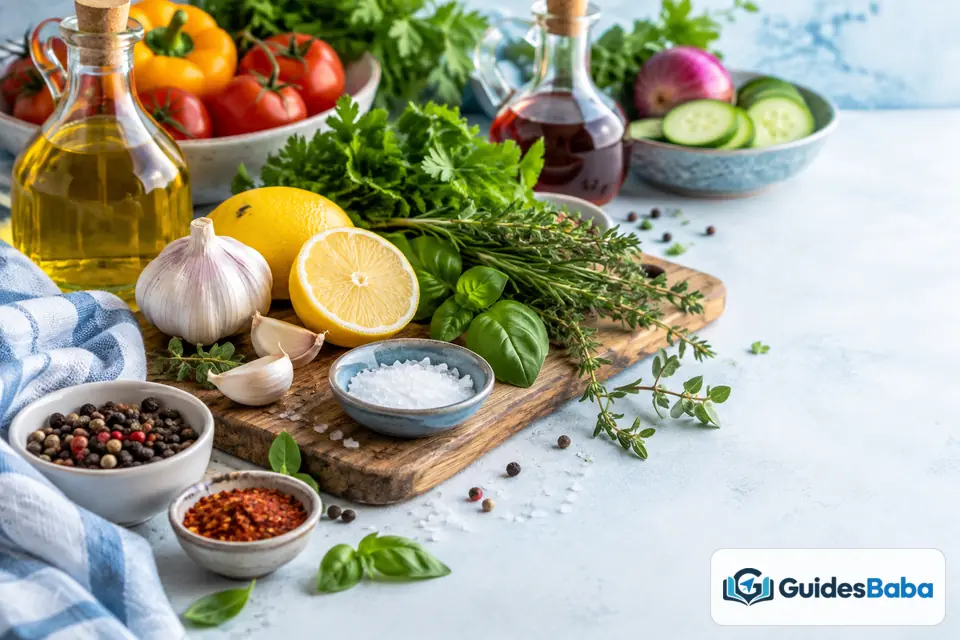
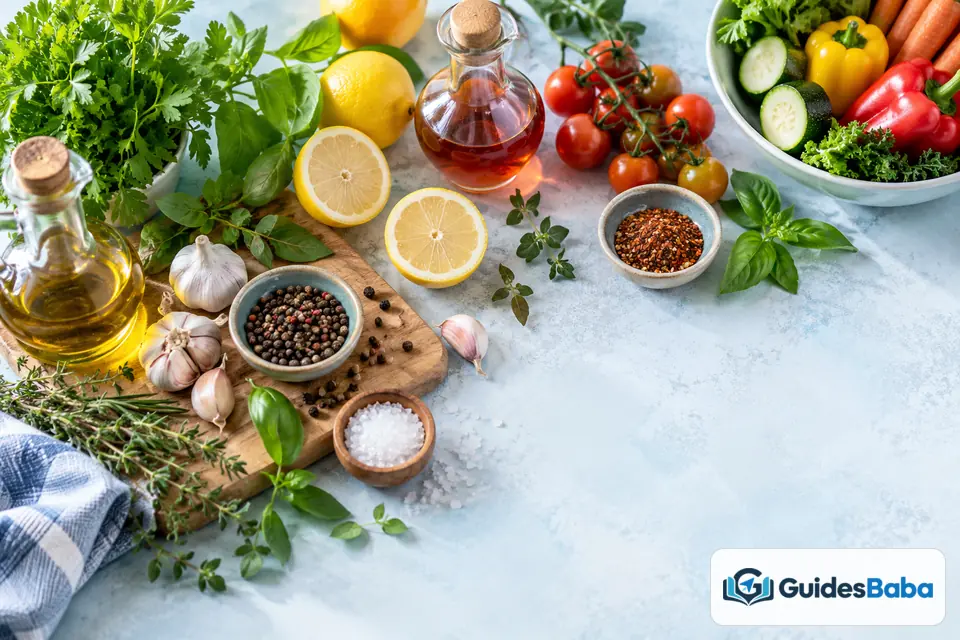
Cutting salt sounds like a recipe for bland food. Many people fear a plate with no punch. So how can you reduce sodium without losing flavour? The trick is easier than it seems.
Rather than chasing salt alone, widen your toolkit. Flavour comes from many sources beyond the shaker. Herbs, acids, and heat all add depth. Salt is only one lever among many. You can pull the others instead.
Here is the honest answer. Lean on herbs, spices, and fresh aromatics. Add acids like lemon and vinegar for brightness. Build savoury depth with roasting and umami. Salt at the end, and taste first. This is not medical advice. See a professional.
This guide covers low sodium cooking in plain language. You will learn simple flavour boosting tricks. We will compare salt led and flavour led cooking. Small changes keep meals lively and light.
So how can you reduce sodium without losing flavour?
The honest answer starts in your kitchen. Flavour has many sources beyond salt. You simply lean on the others.
Think of a dish as a full band. Salt is one instrument in the group. Herbs, acid, and heat play too. Together they carry the whole tune.
Does less salt always mean less taste? Not at all, and that is the key. A bright squeeze of lemon lifts a plate. Fresh herbs add life and colour. Balance replaces the missing salt.
Why flavour does not depend on salt alone
Salt sharpens flavour, but it is not flavour itself. Real taste comes from many notes. Sweet, sour, bitter, and savoury all matter.
Aroma also shapes how food tastes. Your nose does much of the work. Fresh herbs and spices fill that role. They add depth a shaker cannot.
This is why skilled cooks use layers. They stack aromatics, acid, and heat. Salt then plays a supporting part. Flavour becomes a team effort. Balance beats brute force here.
Did you know?
A squeeze of acid can make food taste seasoned with less salt. Lemon and vinegar trick the palate nicely.
Cook more meals from scratch
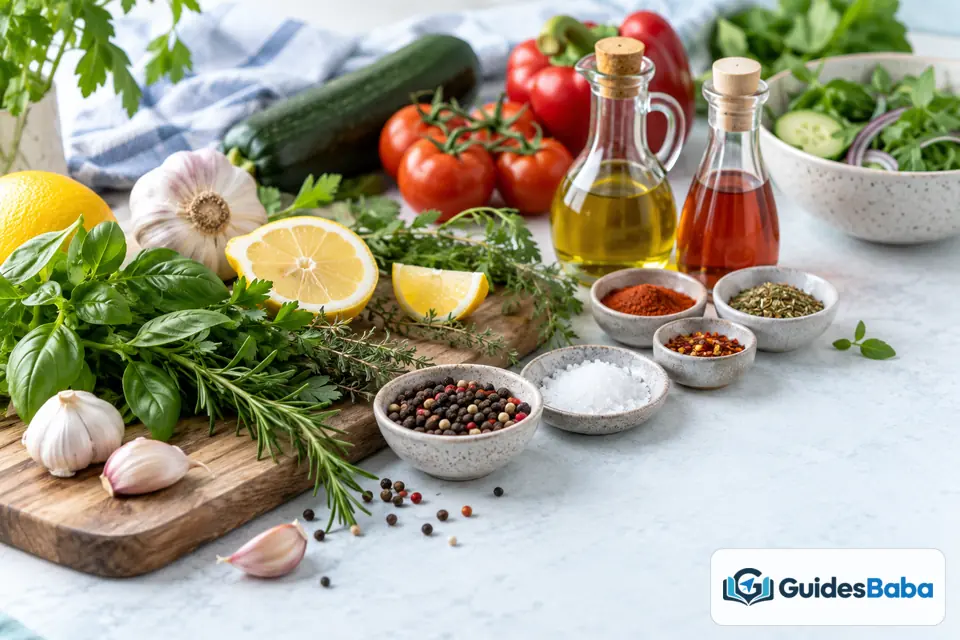
Home cooking is your biggest sodium lever. Most hidden salt comes from packaged food. Cooking fresh puts you in charge.
You decide how much salt goes in. You choose fresh over processed ingredients. You control every sauce and seasoning. That control changes your whole intake.
Start with a few simple recipes. Batch cook and freeze portions ahead. Keep fresh staples within easy reach. See how to make your everyday diet healthier. Small routines make this stick. You will taste the difference soon.
Lean on fresh herbs
Fresh herbs add flavour with no sodium. Basil, coriander, and parsley bring life. A handful transforms a dull dish.
Dried herbs work well too. Oregano, thyme, and rosemary add depth. They keep for months in the cupboard. A pinch goes a long way.
Add soft herbs near the end of cooking. Stir hardy herbs in a little earlier. Scatter extra over the finished plate. Herbs deliver colour and aroma at once. They cost little and pay off big. Grow a small pot on your windowsill.
Use acids like lemon and vinegar
Acid is a quiet flavour hero. It brightens food and wakes the palate. It also mimics the lift of salt.
Lemon and lime add fresh zing. Vinegars bring tang and gentle sweetness. A splash cuts through rich dishes. The whole plate tastes more seasoned.
Squeeze citrus over vegetables and grains. Splash vinegar into soups and dressings. Add a little near the end. Acid does heavy lifting for free. Keep a lemon on the counter always. It brightens almost any savoury dish.
Add aromatics like garlic and onion
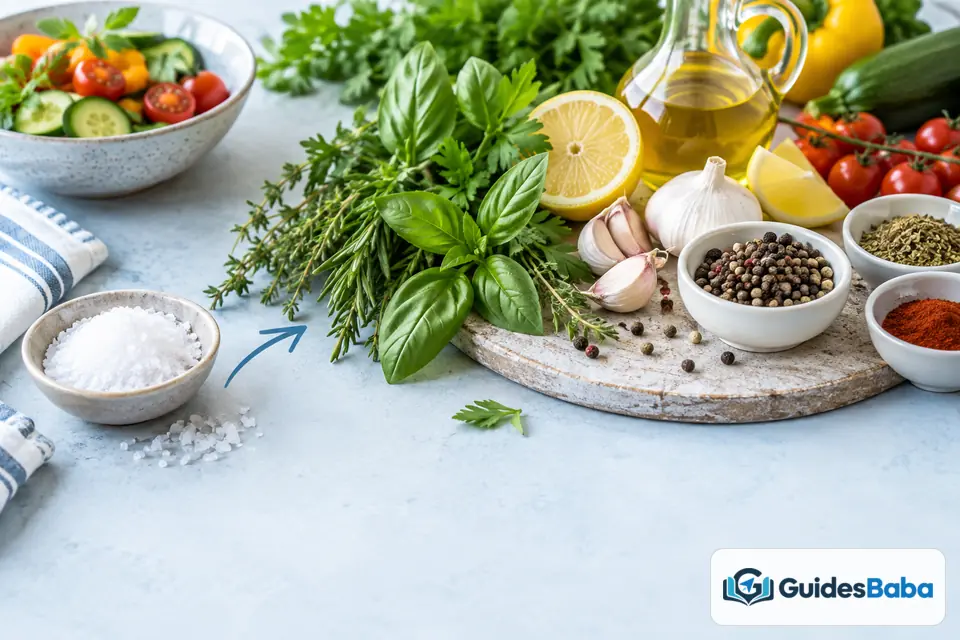
Aromatics build a savoury base. Garlic, onion, and ginger lead the way. They fill a dish with warmth.
Cook them gently to release flavour. Softened onion turns sweet and deep. Toasted garlic adds a rich note. This base carries the whole meal.
Start most dishes with these aromatics. Add chilli or leek for variety. Let them soften before other ingredients join. A strong base needs less salt. Aroma does the persuading for you. This base rewards a little patience.
Build umami without salt
Umami is the deep savoury taste. It makes food feel rich and full. Many umami sources are naturally low in salt.
Mushrooms, tomatoes, and roasted vegetables carry it. A little cheese or yeast flake helps. Slow cooked dishes develop it too. This savoury depth replaces some salt.
Roast tomatoes to concentrate their flavour. Simmer mushrooms into sauces and stews. Stir in a spoon of tomato paste. Umami fills the gap salt leaves. Depth beats mere saltiness every time. Savoury layers satisfy the whole palate.

Toast, roast, and char for depth
Heat creates flavour all on its own. Browning builds rich, complex notes. These notes need no extra salt.
Roasting concentrates the taste of vegetables. Toasting spices wakes their aroma. A quick char adds smoky depth. Cooking method becomes a flavour tool.
Roast a tray of mixed vegetables. Toast nuts and seeds before serving. Sear proteins for a golden crust. Heat turns plain food into a treat. Let the pan do the seasoning. Colour on the plate signals flavour.
Boost flavour with spices and blends
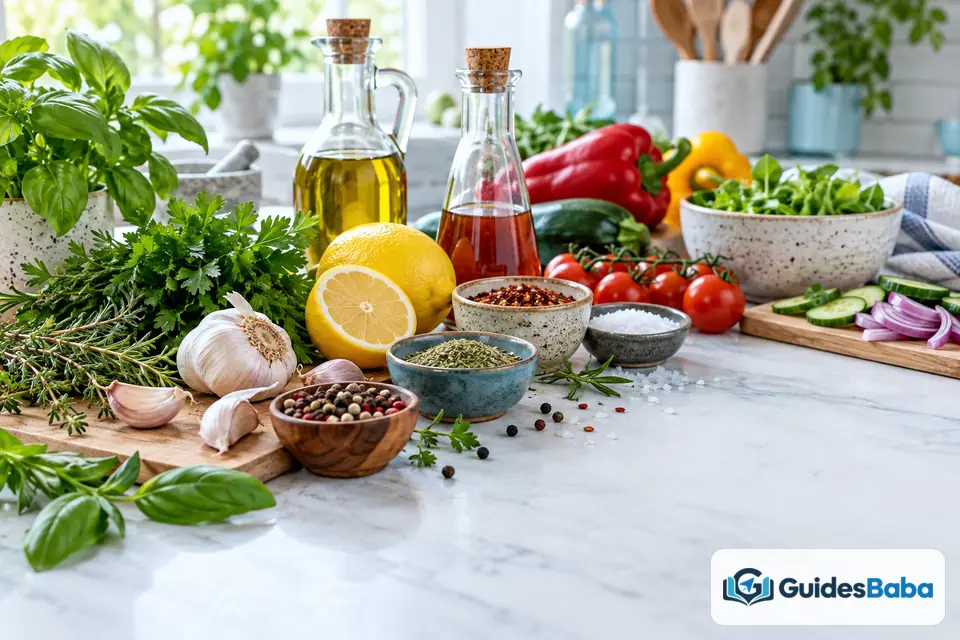
Spices deliver bold flavour without sodium. Cumin, paprika, and pepper add warmth. A small pinch changes everything.
Salt free blends make life easy. Curry powder and chilli mixes work well. Check that blends skip added salt. Read the label to be sure.
Keep a small, well stocked spice rack. Toast whole spices to deepen them. Grind fresh for the strongest hit. Spices carry a dish far. Variety keeps meals exciting. A good blend saves real time.
Rinse and drain canned foods
Canned beans and vegetables hold added salt. A quick rinse washes some away. This simple step cuts real sodium.
Drain the liquid before you cook. Rinse the contents under cold water. Then add them to your dish. The flavour stays, the salt drops.
Choose no salt added cans when you can. Rinse the salted versions anyway. Pair them with fresh aromatics. A rinse is an easy win. Small habits trim big totals. Every rinse chips away at sodium.
Salt at the end and taste first
When you salt matters as much as how much. Salt on the surface hits your tongue first. So it tastes saltier for less.
Taste your food before adding any. Many dishes need less than you assume. A final pinch often does the job. Habit, not need, drives heavy salting.
Keep the shaker off the table. Season lightly and taste as you go. Add a squeeze of acid instead. Your palate adjusts surprisingly fast. Restraint becomes second nature.
Flavour led cooking versus salt led cooking

People often ask what really changes. The honest comparison sets two styles apart. One leans on salt, the other on layers.
| Flavour led cooking | Salt led cooking |
|---|---|
| Uses herbs, acid, and heat | Leans mainly on the shaker |
| Builds layers of taste | Relies on one salty note |
| Keeps sodium naturally lower | Pushes sodium totals higher |
| Tastes bright and varied | Tastes flat without the salt |
Flavour led cooking wins over time. It keeps meals interesting and light. Salt becomes a small final touch. Layers do the real work.
Read labels and swap salty staples
Labels help you cut sodium at the shop. Compare products and pick lower numbers. Small swaps add up across a week.
Trade regular stock for low sodium stock. Choose fresh meat over cured slices. Swap salty sauces for herbs and acid. Each swap trims your daily load.
Watch condiments, bread, and snacks closely. These quiet sources add up fast. Learn the best and worst vegetables for swaps. Smart shopping supports low salt cooking.
Retrain your taste buds
Your palate adjusts to less salt over time. Taste for salt fades with steady practice. Food soon tastes right again.
Cut back slowly rather than all at once. Reduce salt a little each week. Your tongue grows more sensitive. Small doses start to satisfy.
Give the change a few weeks to settle. Notice new flavours you once missed. Sweetness and aroma stand out more. Patience makes low salt food enjoyable. The reset is worth the wait.
Common myths about low sodium food
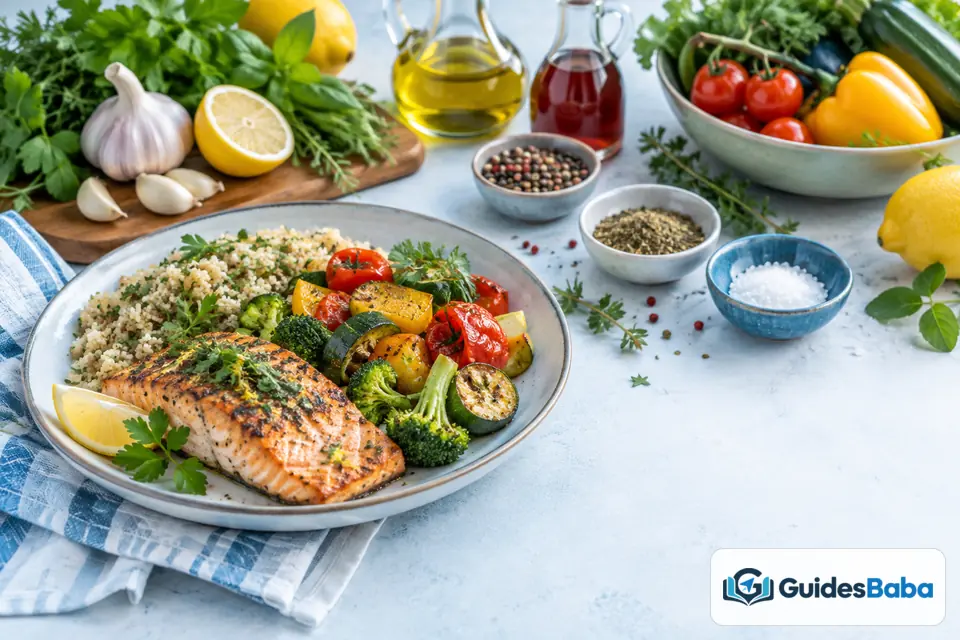
One myth says low salt means bland. Herbs and acid easily disprove that. Flavour survives a lighter hand.
Another myth claims salt substitutes taste bad. Many work well in the right dish. Blends and spices fill the gap.
Some people think cutting salt is drastic. Small steady swaps do the job. Your palate adjusts along the way. Gentle change beats a harsh overhaul.
Common mistakes people make
One common mistake is salting out of habit. Many cooks add salt before tasting. A quick taste saves needless salt.
Another mistake is ignoring hidden sources. Sauces and stock carry heavy sodium. Cutting table salt alone misses them.
Some people quit too fast and feel deprived. A slow reset works far better. Flavour tricks keep meals satisfying. Patience turns the change into a habit.
Who might need tailored advice
General tips suit many healthy adults. Still, some people have special needs. Certain conditions change the sodium picture.
Blood pressure concerns often need careful limits. Some medicines interact with salt substitutes. Your doctor knows your situation best.
This is not medical advice. See a professional for your personal needs. Use these cooking ideas as a friendly guide. A short chat can prevent bigger problems.
Flavour, sodium, and a balanced diet
Low sodium cooking fits a wider pattern. Your body needs only a little salt. The rest is flavour you can build.
Balance salty extras with fresh produce. Potassium rich foods help offset sodium. See what a balanced diet looks like. Variety keeps the whole plate steady.
Treat herbs, acid, and heat as tools. Pair whole foods with mindful seasoning. This mix keeps sodium in check. A simple plate does the heavy lifting. Good habits compound quietly over time.
Frequently asked questions
Can I cut salt without bland food?
Yes, herbs and acid keep food lively. Flavour survives a much lighter hand.
What can I use instead of salt?
Try herbs, spices, lemon, and vinegar. Aromatics like garlic add savoury depth.
Does acid really replace salt?
Acid brightens food and mimics seasoning. A squeeze makes dishes taste fuller.
When should I add salt while cooking?
Add it near the end and taste first. Surface salt tastes stronger for less.
Do salt substitutes work?
Many work well in the right dish. Blends and spices can fill the gap.
Does rinsing canned food reduce sodium?
Yes, a rinse washes away some salt. Drain and rinse before cooking.
How long until low salt food tastes normal?
Often a few weeks of steady practice. Your palate slowly grows more sensitive.
Is umami a good salt replacement?
Yes, umami adds savoury depth without salt. Mushrooms and tomatoes are handy sources.
Are herbs better fresh or dried?
Both work well in cooking. Add soft herbs near the end.
What is the biggest low sodium change?
Cooking more meals from scratch helps most. It removes the bulk of hidden salt.
The bottom line
So how can you reduce sodium without losing flavour? Lean on herbs, spices, and aromatics. Add acids for brightness and lift. Build savoury depth with heat and umami. Salt lightly at the very end.
Flavour led cooking keeps meals satisfying. Your palate adjusts within a few weeks. Whole foods keep sodium naturally low. Small daily habits truly add up over time.
For more background, read this overview of umami. You can also explore how sodium works in food. Use trusted sources to guide your plate.
This is not medical advice. See a professional for your personal needs. Try one flavour trick today. Then build slowly from there. Your plate will thank you.