
Supplements feel gentle and harmless to many people. Yet they can clash with your medicines. So can supplements interact with medications? The honest answer is a clear yes. This matters more than most people realise.
Rather than assuming natural means safe, stay alert. Some supplements change how drugs work. They may weaken or strengthen a medicine. A few raise the risk of side effects. Knowing this can keep you safe.
Here is the honest answer. Yes, supplements can interact with many medications. They may affect how drugs absorb or break down. Some blunt a medicine, while others boost it. Blood thinners and certain herbs are common concerns. Always tell your doctor about every supplement.
This guide covers how these interactions happen. You will learn which combinations raise concern. We compare minor and serious interactions clearly. This is not medical advice. See a professional.
So can supplements interact with medications?
The honest answer is yes, they can. Supplements are active substances, not just food. They can affect your body in real ways.
Think of your medicines as a careful recipe. A supplement can throw off the balance. It may add too much of something. It may block a drug from working. The result can surprise you.
Does this happen with every supplement? No, many cause no trouble at all. Still, some carry a genuine risk. Certain drugs are especially sensitive. Caution protects you here. A little knowledge goes far.
What does an interaction mean?
An interaction means two substances affect each other. One can change how the other works. The result may be weaker or stronger.
A supplement might reduce a drug’s effect. It might also raise the drug’s level too high. Both outcomes can cause problems. Some interactions are mild and harmless. Others are serious and need care. The gap between them is wide.
Supplements add essential nutrients and other active compounds. Those compounds can meet your medicines inside the body. That meeting is where interactions begin. Awareness is the first safeguard. Knowing this keeps you alert.
How do these interactions happen?
Interactions happen through a few main routes. Some change how a drug is absorbed. Others change how it breaks down.
A supplement may bind to a drug in the gut. That can block the medicine from absorbing. Some affect liver enzymes that process drugs. This can raise or lower drug levels. The effects ripple through the body. Even small shifts can matter. The liver plays a central role here.
A few supplements add to a drug’s action. Two blood thinners together raise bleeding risk. The combined effect grows too strong. Small overlaps can matter a lot. Adding effects is a real danger.
Did you know?
Natural does not always mean safe with drugs. Some herbs strongly affect how medicines work.
Supplements that commonly cause concern
Some supplements come up again and again. They interact with a range of medicines. These deserve extra attention.
St John’s wort affects many prescription drugs. Vitamin K can oppose some blood thinners. High-dose fish oil may thin the blood. Calcium and iron can block certain drugs. Even green tea extract can play a role.
This list is far from complete. New concerns appear as research grows. Never assume a product is harmless. Check each one with a professional. New products need fresh caution.
Blood thinners and supplements
Blood thinners need very careful handling. Many supplements can shift their effect. This combination causes real concern.
Vitamin K can reduce some thinners’ action. Fish oil and garlic may add to thinning. Ginkgo can raise bleeding risk further. The balance here is delicate. Small changes can have big effects. This area needs real vigilance.
People on blood thinners should be extra cautious. Tell your doctor about every supplement. Do not start or stop one alone. Professional guidance is essential here.
Herbal supplements and medicines
Herbal products are a frequent source of trouble. Plants contain many active compounds. Those compounds can meet your drugs.
St John’s wort is a well-known example. It can weaken several important medicines. Other herbs may raise drug levels instead. The effects vary widely by plant. Caution should guide every choice. No herb is automatically safe.
Read about whether herbal supplements are safe first. Discuss any herb with your doctor. Natural does not mean risk-free. A quick check prevents harm.
Vitamins, minerals, and drug interactions
Vitamins and minerals can interact too. They seem gentle, but they are active. High doses raise the risk further.
Calcium and iron can block some antibiotics. Vitamin K affects certain blood thinners. Potassium supplements can clash with some drugs. Very high doses cause the most trouble. Amounts really matter here. Modest doses carry less risk.
Learn about the risks of taking too many vitamins. More is not always better. Stick to sensible amounts. Ask a professional about safe use.
Timing and absorption issues
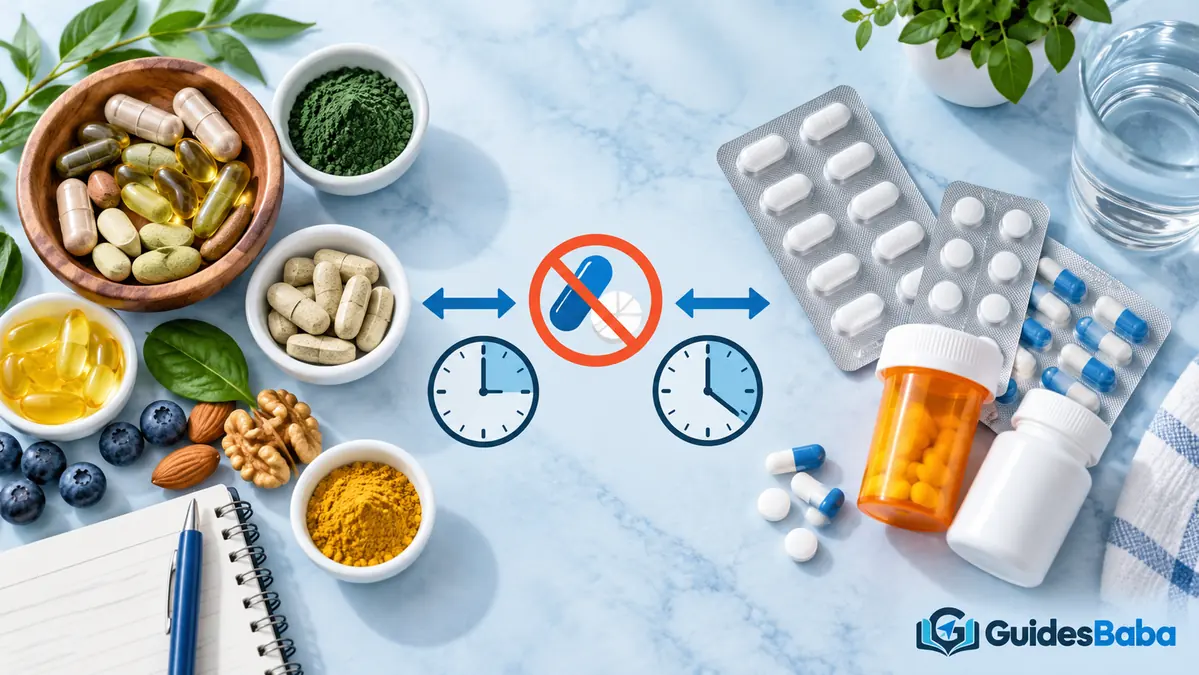
Sometimes timing is the whole problem. A supplement and drug taken together may clash. Spacing them apart can help.
Calcium can block a drug in the gut. Taking them hours apart may fix this. Iron behaves in a similar way. Your pharmacist can suggest good timing. Small spacing changes can protect the medicine. Ask before you assume anything.
Still, timing alone does not solve everything. Some interactions run deeper than that. Never rely on spacing as a cure. Ask a professional for the right plan.

Who faces the highest risk?
Some people face more risk than others. Their medicines or health raise the stakes. Extra care helps these groups.
People on several medicines face higher odds. Those on blood thinners need great care. Older adults process drugs differently. People with liver or kidney issues too. Pregnancy adds another layer of caution. Each factor raises the stakes.
If this sounds like you, go slowly. Never add a supplement on a whim. Talk to your doctor first. A short conversation lowers your risk.
Warning signs to watch for
Your body often signals a problem. Certain changes deserve quick attention. Do not brush them aside.
Unusual bruising or bleeding is a red flag. New dizziness or a racing heart matters. Sudden stomach upset can be a clue. A medicine that stops working is another. Report these to a professional promptly. Do not wait and hope.
This is not medical advice. See a professional if something feels wrong. Trust your instincts about your body. Quick action can prevent harm.
Comparing minor and serious interactions
Not all interactions carry equal weight. Some are mild and easy to manage. Others are serious and need urgent care.
| Minor interactions | Serious interactions |
|---|---|
| Small change in effect | Large change in effect |
| Often fixed by timing | May need stopping the product |
| Mild or no symptoms | Clear, worrying symptoms |
| Routine advice usually helps | Needs prompt medical care |
You cannot always judge which is which. A mild-seeming issue may hide a serious one. When in doubt, seek advice. Never guess with your health. A quick call can help. Safety is always worth the effort.
How to lower your risk
You can take simple, sensible steps. These lower your chance of trouble. Small habits make a big difference.
Tell every doctor about your supplements. Use one pharmacy so records stay complete. Read labels and warnings carefully. Avoid stacking many products at once. Introduce anything new one step at a time. This makes any problem easier to spot.
Do not start or stop medicines alone. Always check before adding a supplement. Keep your questions ready for visits. Care and honesty protect you best. Simple steps prevent big problems.
Keeping an updated supplement list
A simple list is a powerful tool. It shows your whole health team the picture. This prevents dangerous surprises.
Write down every medicine you take. Add each supplement and its amount. Note the reason for each item. Update the list when things change. Bring it to every appointment.
Share the list at the pharmacy too. It helps them spot risky combinations. A clear record saves time and worry. Good notes support safer care. Keep the list on your phone.
Why your pharmacist is key
Pharmacists are experts on drug interactions. They know how medicines and supplements mix. Their help is easy to reach.
You can ask a pharmacist without an appointment. They can check your combinations quickly. They often spot risks a shopper misses. They suggest safer timing or choices. Their advice costs you nothing.
Use this resource whenever you shop. Ask before you buy a new product. A quick question can prevent harm. Pharmacists are your frontline guide. Lean on them without hesitation.
Talking to your doctor first
Your doctor sees your full health picture. They know your medicines and conditions. Their guidance keeps supplements safe.
Share every supplement you take or plan. Mention doses and how often you take them. Ask about any risky combinations. Raise any new symptoms you notice. Honest details lead to safer advice.
Never hide a supplement out of embarrassment. Doctors need the full story to help. There is no silly question here. Open talk protects your health. Your honesty guides better care.
Common mistakes people make
A few mistakes come up often. Most are easy to avoid. Awareness is half the battle.
Some people assume natural means totally safe. Others hide supplements from their doctor. A few stack many products at once. Some ignore new warning symptoms. Small errors can add real risk.
Trusting online claims blindly is another trap. Bold promises can mislead you. Rely on professionals, not adverts. Sensible habits always win. Evidence beats hype every time.
Supplements within a balanced diet
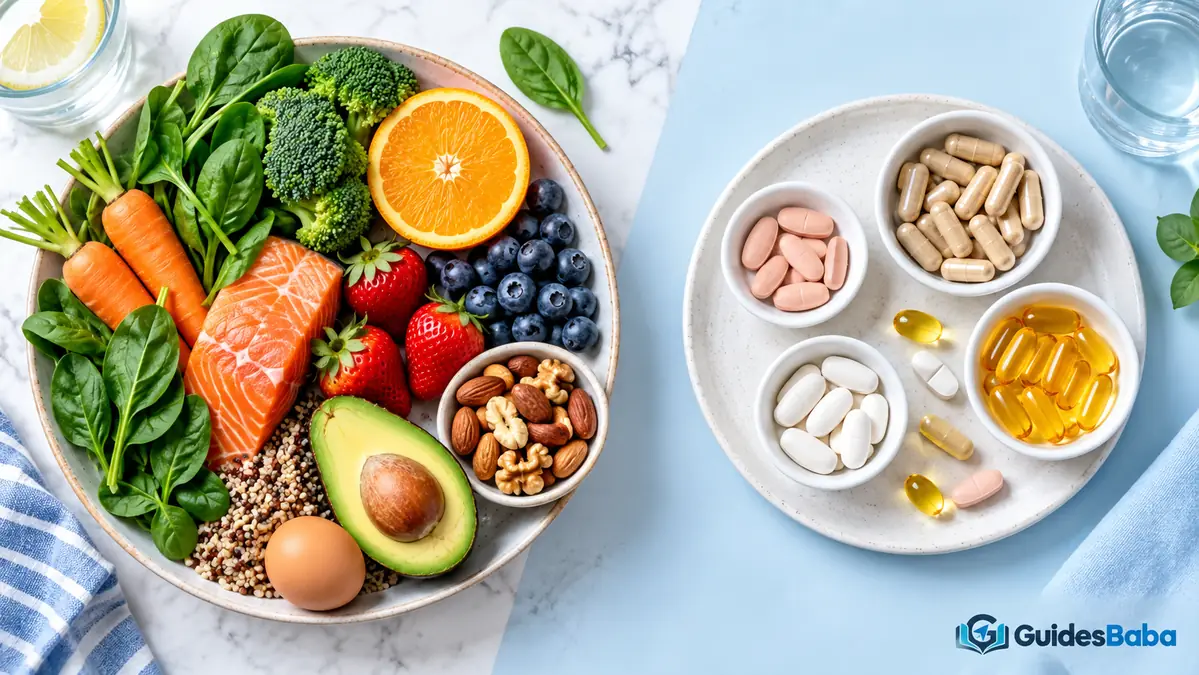
Supplements work best as a small extra. A good diet covers most needs. Balance remains the real goal.
Fill your plate with vegetables, fruit, and grains. Add lean protein and healthy fats. Drink water and move your body. Use supplements only for genuine gaps. This keeps your routine grounded in food.
Treat any supplement with respect. It is active, not just a snack. Whole foods should always lead. Balance carries the day. Food remains your safest base.
Frequently asked questions
Can supplements interact with medications?
Yes, many supplements can affect your medicines. Some weaken drugs while others boost them.
Are herbal supplements risky with drugs?
Some herbs strongly affect how drugs work. Always discuss any herb with your doctor.
Which supplements worry doctors most?
St John’s wort and vitamin K are common concerns. Fish oil and iron can also matter.
Can vitamins clash with medicines?
Yes, especially at very high doses. Calcium and iron can block some drugs.
Does timing help avoid problems?
Spacing doses apart can help sometimes. It does not fix every interaction though.
Who is most at risk?
People on several medicines face higher risk. Blood thinner users need special care.
What warning signs should I watch?
Watch for unusual bleeding or dizziness. Report any new symptoms promptly.
Should I tell my doctor everything?
Yes, share every supplement you take. Doctors need the full picture to help.
Can my pharmacist help?
Yes, pharmacists check interactions quickly. No appointment is usually needed.
Is natural always safe?
No, natural does not mean risk-free. Many natural products affect medicines.
The bottom line
So can supplements interact with medications? Yes, and the effect can be serious. They may weaken or strengthen your medicines. Blood thinners and certain herbs raise real concern. Always share your supplements with your doctor.
Treat every supplement as an active substance. Tell your doctor and pharmacist about each one. A balanced diet covers most needs anyway. Caution and honesty keep you safe.
For more background, read this overview of a drug interaction in general. You can also explore how warfarin reacts with other substances. Use trusted sources to guide your choices.
This is not medical advice. See a professional for your personal needs. Talk to a doctor or pharmacist first. Then decide what truly fits you.