
You reach the payment step, and a choice appears. One button says pay now, the other says pay later. So what does pay now mean when booking?
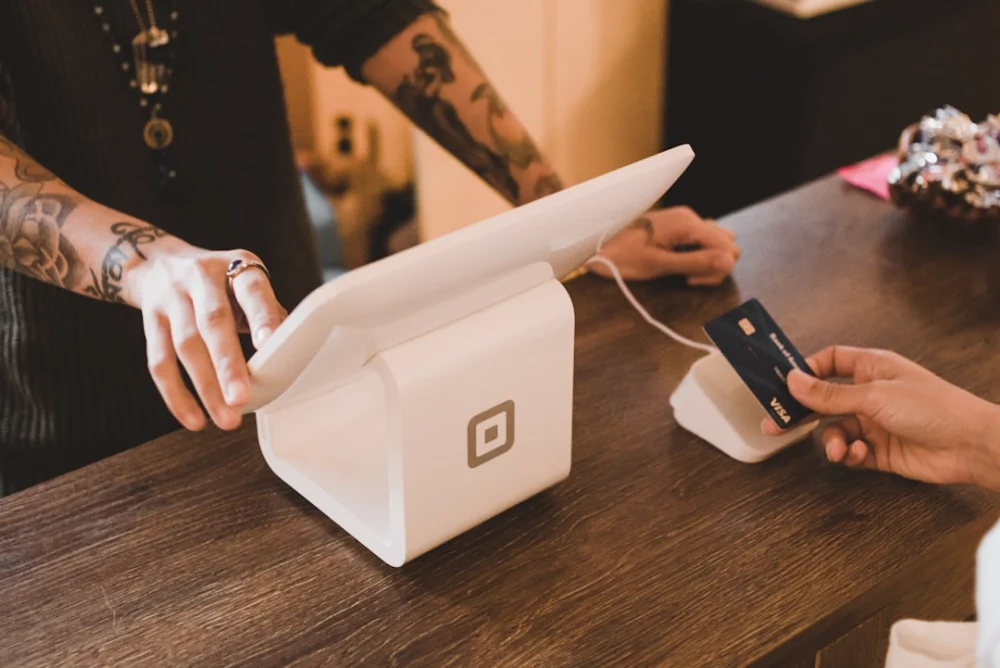
Rather than guess in the moment, it helps to know the trade-off first. The label is small, but the effect on your money is real.
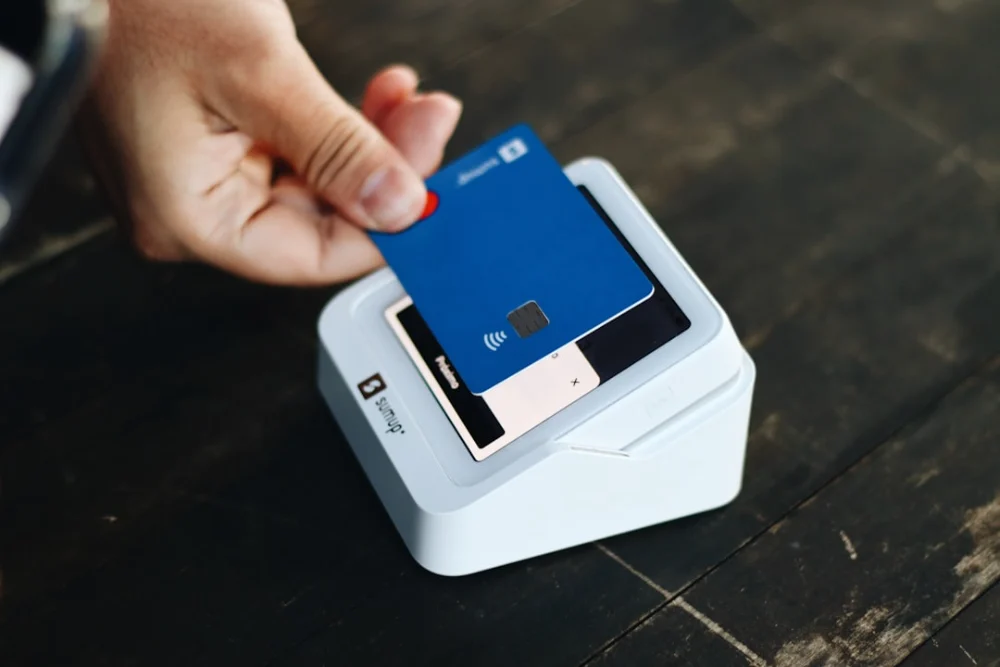
Here is the honest answer. Pay now means you prepay the full amount today. The booking site charges your card straight away. In return you often get a lower rate. The catch is that your money is committed early. Refund rules then decide if you can get it back.
This guide covers what pay now means. It shows how it differs from pay later. We weigh the pros and the cons. We also cover cancellation terms, currency, and card fees.
What does pay now mean when booking?
Pay now means you settle the whole cost at the point of booking. Your card is charged today, not at the hotel or on arrival. The room or seat is then paid in full before your trip.
Think of it like buying a concert ticket in advance. You hand over the money now to lock the spot. The seat is yours, but the cash has already left your account.
Is that a bad thing? Not always. Paying early can unlock a cheaper rate. It also removes a bill from your trip.
The key is knowing what you give up in flexibility.
How pay now differs from pay later
Pay later holds the room now. Your card details are stored, but no charge lands today. You often pay at check-in or a day or two before.
Pay now flips that timing. The money moves the moment you confirm the booking. There is no bill waiting for you at the end.
Both options can hold the same room. The real difference is when the cash leaves your account. That timing shapes your budget and your flexibility.
Did you know?
Many prepaid rates are labelled non-refundable. The lower price is the reward for locking your money in early.
Why pay now often costs less
Booking sites and hotels like certainty. A prepaid booking is money in hand for them. To reward that, they often shave the price a little.
This is why pay now rates can look cheaper than pay later. The gap is not huge, but it adds up. On a long stay it can matter.
The discount is a trade. You accept less flexibility in exchange for a lower rate. Whether that suits you depends on your plans.
The main benefits of paying now
The first benefit is the price. Prepaid rates are frequently the cheapest option shown. That saving is the main draw for many travellers.
The second benefit is a locked-in rate. Once you pay, the price cannot rise later. Currency swings and demand spikes no longer touch your booking.
The third benefit is budget certainty. The trip is paid before you leave home. There is no surprise charge waiting on arrival.
For planners, that peace of mind is worth a lot.

The main drawbacks of paying now
The biggest drawback is committed money. Your cash leaves today, weeks or months before the trip. That reduces the funds you can use elsewhere.
The second drawback is refund risk. Many prepaid rates are strict or non-refundable. If plans change, you may not get your money back.
The third drawback is less freedom to switch. A cheaper hotel or a schedule change can be hard to act on. Your money is already spent.
Refund and cancellation rules matter most
Pay now tells you the timing only. It does not tell you the refund terms. Those are two separate things. Always read the cancellation policy before you click.
Some prepaid rates allow a free cancellation window. Others give nothing back once you book. The label alone will not tell you which applies.
Look for the cancellation line near the price. It states the deadline and any fee. That small print decides your real risk.

How currency timing works with pay now
Currency can shift a prepaid booking’s true cost. When you pay now, the exchange happens today. The rate on booking day is the rate you lock.
With pay later, the conversion may occur nearer the stay. Rates move over time, so the final cost can differ. Neither approach is always cheaper.
Some sites offer to charge you in your home currency. That option can carry a poor exchange rate. Paying in the local currency is often wiser.
Card fees to watch when you prepay
Prepaying abroad can trigger a foreign transaction fee. Many cards add a small percentage on overseas charges. That cost is easy to miss at checkout.
Some cards waive these fees entirely. It pays to know your card before you book. A quick check can save a quiet surcharge.
Watch for the currency the charge is billed in. The wrong choice can stack conversion costs on top. Read the total before you confirm.
When paying now suits you best
Pay now fits travellers with firm, fixed plans. If your dates will not move, the discount is easy to take. The lower rate is real value.
It also suits people who like a clean budget. Paying early clears the cost before the trip starts.
If you want the cheapest confirmed price, prepaying often wins. Just be sure the plan is solid first.
When pay later is the safer pick
Pay later suits uncertain or flexible plans. If your dates might shift, keeping the cash helps. You avoid tying money to a booking you may drop.
It also helps if you compare options for a while. You can hold a room without paying today. That breathing room can be worth a slightly higher rate.
Flexibility has a price, and pay later is how you buy it.
Pay now versus pay later at a glance
The choice comes down to timing and flexibility. One saves money, the other keeps options open. Here is a simple side-by-side view.
| Pay now (prepay) | Pay later (reserve) |
|---|---|
| Charged in full today | Charged near the stay date |
| Often a lower rate | Often a slightly higher rate |
| Rate locked at booking | Rate can move over time |
| Refunds often limited | More flexible to cancel |
How to read the fine print
The price is only half the story. The terms below it carry the risk. Read them before you commit any money.
Look for three lines in particular. Check the charge timing, the refund window, and the currency. Those three shape your total exposure.
If a term is unclear, do not assume the best case. Ask the site or pick a clearer rate.
Does pay now guarantee your room?
Paying now confirms your booking straight away. The room is held and marked as paid. That certainty is part of the appeal.
Still, a confirmation is only as good as the terms. Read what happens if the property overbooks. Good sites explain your rights in that case.
A paid booking is strong, but it is not magic. Keep your confirmation email safe.
Common mistakes people make
The first mistake is chasing the lowest price alone. A cheap prepaid rate can hide a strict refund rule. The saving vanishes if plans change.
The second mistake is ignoring the currency choice. Paying in your home currency can cost more.
The third mistake is skipping the cancellation line. People click pay now and never read it. Then a change becomes an expensive surprise.
A quick checklist before you prepay
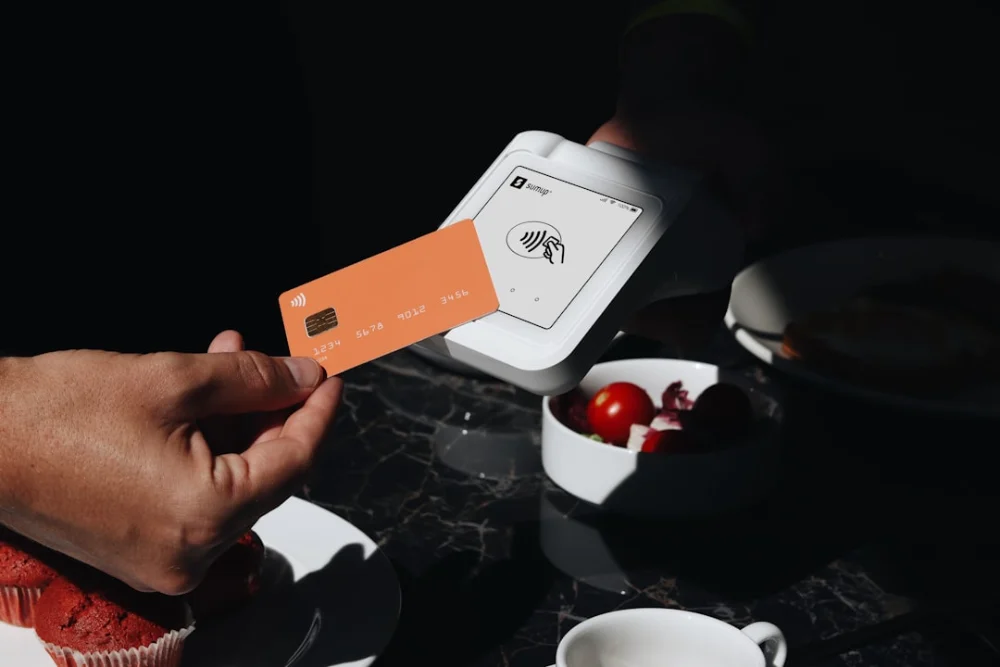
Run through a few checks before you confirm. First, confirm the dates are truly fixed. A firm plan makes prepaying safer.
Second, read the refund window and any fee. Know exactly what you can get back. That figure is your real risk.
Third, check the currency and your card fees. A small step now avoids a quiet surcharge. Then the pay now button is safe to press.
What does prepay actually mean here?
Prepay is just another word for pay now. You settle the bill before you use the service. The booking is paid up front, in full.
On a hotel site, prepay clears the room cost today. On a flight or car page, it works the same way. The service is booked and paid at once.
So if you see prepay, treat it like pay now. The timing and the trade are identical. Read the terms with the same care.
Can you change a pay now booking?
Changing a prepaid booking depends on the rate you chose. Some allow edits within a set window. Others lock you in the moment you pay.
A flexible prepaid rate may let you move dates. A strict one may charge a fee or refuse. The terms decide what is possible.
Never assume a change will be free. Check the policy before you rely on it. That habit saves money and stress later.
Is pay now the same on flights and hotels?
The core idea is the same across travel sites. Pay now means the full charge lands today. That holds for flights, hotels, and cars.
What differs is the refund culture around each. Flights are often stricter than hotel rooms. Rental cars can sit somewhere in between.
So the label behaves the same way everywhere. The fine print is what changes by product. Always read it for the item you book.
Frequently asked questions
Does pay now mean I am charged immediately?
Yes, pay now charges your card at the moment of booking. The full amount leaves your account straight away.
Is pay now always cheaper than pay later?
It is often cheaper, but not always. Compare both rates before you decide which one wins.
Can I get a refund on a pay now booking?
It depends on the cancellation terms. Some prepaid rates refund within a window, and others give nothing back.
Why is pay now sometimes non-refundable?
The lower price is the trade for that risk. You accept strict terms in return for a discount.
Does pay now lock in the currency rate?
Yes, the exchange happens on your booking day. That day’s rate is the one you pay.
Will I be charged a foreign transaction fee?
You might, depending on your card and the currency. Check your card terms before you prepay abroad.
Should I pay in my home currency?
Often it is better to pay in the local currency. Home currency conversion can carry a poor rate.
Does pay now guarantee my room?
It confirms and holds your booking right away. Still, always read the terms for overbooking cases.
Is pay now safe to use?
It is widely used and generally safe on trusted sites. Read the terms and keep your confirmation email.
Which option is best for flexible plans?
Pay later suits flexible or uncertain plans better. It keeps your money free until closer to the date.

The bottom line
Pay now means you prepay in full at booking. You often get a lower rate in return. The trade is less flexibility and tighter refund rules. So the choice is a balance of price against freedom.
Before you prepay, read the cancellation terms in full. Check the currency and your card fees too. If your plans are firm, pay now can be great value. If they are not, what does pay later mean may suit you more. It also helps to know why the price is different at checkout.
For related reading, see whether you should book a non-refundable hotel rate. It also helps to know if you will be charged a fee by card. For general background, see this overview of payment and the idea of prepayment.
We are not financial advisors. Read the terms and decide for yourself. The right pick depends on your plans and your budget.