
You have heard the word tossed around by travellers. It sounds free, cheap, and a little wild. So what is backpacking, really?
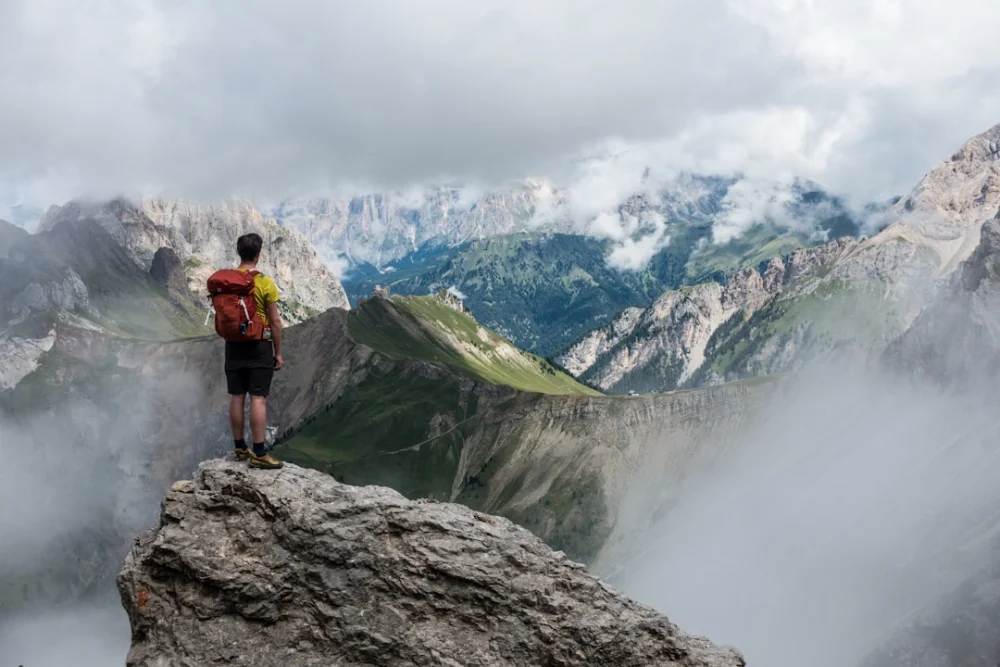
It is more than a bag on your back. It is a whole way of travelling. And a mindset all its own.
Here is the honest answer. Backpacking is low-cost, independent travel with everything carried in one pack. It usually means long trips, hostels, and slow, flexible routes. You meet fellow travellers and live close to local life. More than a bag, it is a mindset of freedom.
This guide explains what backpacking truly means. You will see how it differs from other travel. You will learn the culture and the freedom. And whether it might suit you.
What is backpacking?
Backpacking is low-cost, independent travel with all you need in one pack. It usually means longer trips, hostels, and shared transport. Routes stay flexible, and you meet other travellers along the way. More than a bag, it is a mindset of freedom and adventure.
Think of it as travel stripped bare. You carry little and roam freely. The world opens up.
So is it just cheap travel? Not quite. It is a whole style of life.
Home is where you hang your pack, as backpackers like to say. Your world fits on your shoulders. Freedom follows you everywhere.
Where the idea comes from
Backpacking grew from a simple wish. Young travellers wanted to see more for less. So they packed light and set off.
Over time it became a movement. Trails formed and hostels sprang up. A whole culture bloomed.
Today it spans every continent. Millions travel this way each year. The spirit stays the same.
So backpacking has deep roots. It is a proven way to roam. Generations have loved it. What began as a fringe idea is now a global way to travel.
Did you know?
The word backpacking describes a style, not just a bag. A traveller with a suitcase can still backpack if they travel cheap, slow, and free.
Everything in one pack
The heart of backpacking is the pack itself. You carry all you need on your back. Nothing more, nothing less.
This forces you to travel light. You bring only the essentials. Freedom grows from less.
A light load means easy movement. You hop buses and trains with ease. Mobility is the gift.
So the pack shapes the whole trip. It keeps you nimble and free. Less truly becomes more. Everything you own rides comfortably on your own two shoulders.
Low-cost by design
Backpacking is built to be affordable. Every choice leans toward saving. That is how trips last long.
You sleep in hostels and cook your own food. You take slow, cheap transport. Costs stay low.
Saving is not a chore here. It is part of the adventure. Thrift funds the journey.
So low cost is the whole point. It lets you travel far and long. Money stretches for months. A small budget can carry you across a whole continent.
Independent and flexible
Backpackers travel on their own terms. No tour guide sets the pace. You are the boss.
Plans stay loose and open. You change route on a whim. Freedom rules the road.
This independence is the real thrill. You follow your own curiosity. Every day is yours.
So flexibility defines backpacking. You bend the trip to your mood. The road stays open. A place you loved can hold you for an extra week with ease.

Hostels and shared transport
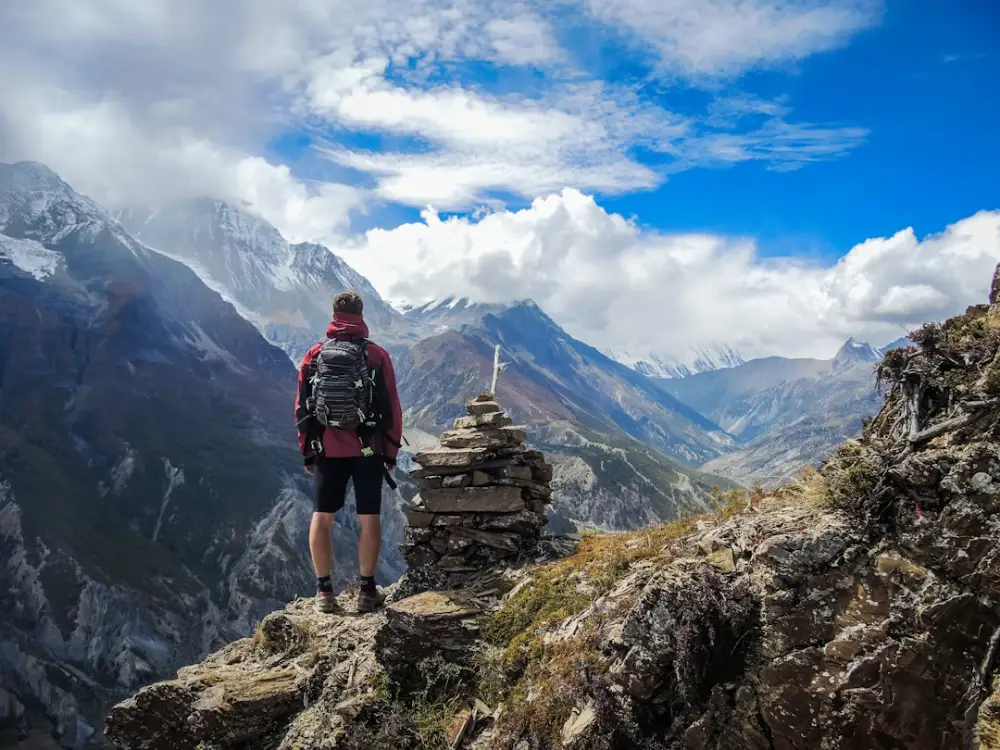
Where you sleep shapes the whole style. Hostels are the classic choice. They are cheap and social.
Dorm beds cost little and buzz with life. You meet travellers over breakfast. Friendships form fast.
Shared buses and trains move you cheaply. You travel beside locals and backpackers. The journey connects you.
So hostels and buses are core. They save money and build bonds. Community rides along. Some of your best friends will be met in a dorm room.
Meeting fellow travellers
Backpacking is rarely lonely for long. The trail is full of kindred souls. You are never truly alone.
Hostels bring travellers together nightly. You swap tips and stories freely. Bonds form in hours.
Many lifelong friendships start this way. Strangers become travel family. The community is warm.
So expect to meet many people. The backpacker trail connects you. Company is always near.
Slow and immersive
Backpackers rarely rush from sight to sight. They linger and soak it in. Depth beats speed.
Staying longer reveals a place truly. You find hidden corners and local life. Understanding grows.
This slow style is richer and cheaper. You see more by seeing slowly. Patience rewards you.
So backpacking favours slow travel. It trades rush for real connection. The place seeps in. You leave feeling you truly knew where you had been.
Living close to local life
Backpacking puts you among the people. You ride local buses and eat local food. Immersion is natural.
You shop at markets and wander back streets. Real life unfolds around you. Culture comes alive.
This closeness teaches more than any tour. You learn by living it. The world becomes your classroom.
So backpacking means living local. It brings you face to face with culture. Authenticity is the reward. You come home understanding a place, not just having seen it.
The backpacker mindset
More than gear, backpacking is an attitude. It is openness to the unknown. The mind matters most.
You embrace surprises and setbacks alike. A missed bus becomes a story. Flexibility is a virtue.
Curiosity and courage carry you far. You say yes to adventure. The mindset makes the trip.
So backpacking lives in the mind. A pack helps, but spirit leads. Attitude is everything.
Backpacking versus regular travel
Backpacking differs from a typical holiday. Here is how the two styles compare.
| Factor | Backpacking | Regular travel |
|---|---|---|
| Cost | Low, stretched far | Higher per day |
| Pace | Slow and flexible | Fixed and shorter |
| Style | Independent | Often planned |
| Focus | Experience and people | Comfort and sights |
Neither style is better overall. They simply suit different moods. Choose what calls to you.
The gear you carry
Your gear is your whole home on the road. A good pack sits at the centre. Everything else fits inside.
You carry clothes, toiletries, and a few tools. A padlock and towel earn their place. Essentials only make the cut.
Light gear keeps you quick and free. Heavy bags slow every step. Restraint is the golden rule.
So choose your gear with care. Each item must earn its weight. Less on your back means more freedom.
Budgeting on the trail
Money management keeps the dream alive. Backpackers watch every dollar closely. A budget is your best friend.
Most set a daily spending limit. It keeps the trip on track. Awareness prevents nasty surprises.
Cheap regions stretch your money far. The same funds last much longer. Location shapes the budget.
So track your spending from day one. A clear budget funds more days. Discipline buys freedom.
Staying safe on the road
Safety matters on any journey. A little care keeps you sound. Common sense goes a long way.
Guard your valuables and trust your gut. Keep copies of key documents. Preparation calms nerves.
Fellow travellers often look out for you. The trail has a caring spirit. You are rarely alone.
So travel smart and stay aware. Backpacking is safe with sense. Confidence grows with experience.
Who backpacking suits
Backpacking is not only for the young. It suits anyone open to adventure. Spirit matters more than age.
It rewards the curious and flexible. Those who love people thrive. Comfort-seekers may struggle.
You need patience and an open mind. Plans will change often. Adaptable souls flourish.
So backpacking suits the adventurous. If you crave freedom, it fits. The trail welcomes you.
The freedom it offers
Freedom is the true heart of backpacking. You go where you please. No schedule chains you.
You wake and decide your day. Stay or move, rest or roam. The choice is always yours.
This freedom feels rare and precious. Few things in life match it. It stays with you.
So freedom is the great reward. Backpacking hands you the reins. The open road is yours. Few experiences in life feel quite so wide and open.
The stories you collect
Backpacking fills your life with stories. Each day brings something new. Memories pile up fast.
A wrong turn becomes a legend. A kind stranger becomes a friend. Ordinary moments turn golden.
These tales stay with you for life. You retell them for years. They shape who you become.
So backpacking is a story machine. It hands you tales worth telling. The richest souvenir is memory.
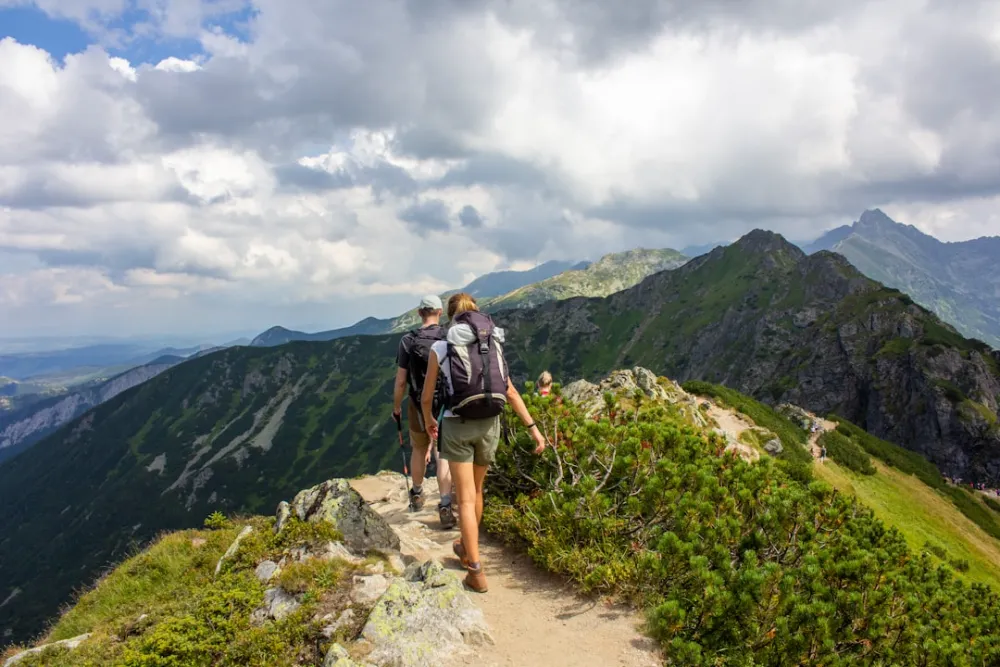
How it changes you
Backpacking rarely leaves you the same. It stretches and grows you. You return a little different.
You learn to cope with the unknown. Confidence blooms from each challenge. Self-belief takes root.
You also see the world more widely. New cultures open your mind. Empathy deepens along the way.
So backpacking is quietly transforming. It grows you as you roam. The journey shapes the traveller. Many say they came home as a wiser, calmer version of themselves.
Common myths about backpacking
Some myths scare people off. The first says it is only for youth. But all ages hit the trail.
The second says it is unsafe. With sense and care, it is not. Millions travel safely each year.
The third says it means roughing it. Comfort levels vary widely. You choose your own.
So do not let myths stop you. Backpacking is more open than it seems. The truth is welcoming.
Frequently asked questions
What is backpacking in simple terms?
It is low-cost, independent travel with everything in one pack. It usually means long, flexible trips, hostels, and meeting other travellers.
How is backpacking different from normal travel?
Backpacking is cheaper, slower, and more independent. It focuses on experiences and people rather than comfort and a fixed, packed itinerary.
Do you have to be young to backpack?
Not at all. Backpacking suits any age. It rewards curiosity, flexibility, and an open mind far more than youth.

Is backpacking just about the bag?
No. The bag matters, but backpacking is really a mindset. It is about travelling cheap, slow, free, and open to adventure.
Where do backpackers usually sleep?
Most stay in hostels, especially dorms. They are cheap and social, though some camp or use budget guesthouses along the way.
Is backpacking cheap?
Yes, by design. Hostels, cooking, and slow transport keep costs low. Backpackers can travel for weeks or months on a modest budget.
Is backpacking safe?
It can be very safe with common sense. Millions backpack each year, and the trail is full of helpful fellow travellers.
How long is a typical backpacking trip?
It varies widely. Some go for a week, others for months. Longer, flexible trips are common thanks to the low daily cost.
Do backpackers travel alone?
Many start solo but rarely stay lonely. Hostels and the trail make it easy to meet people and travel together.
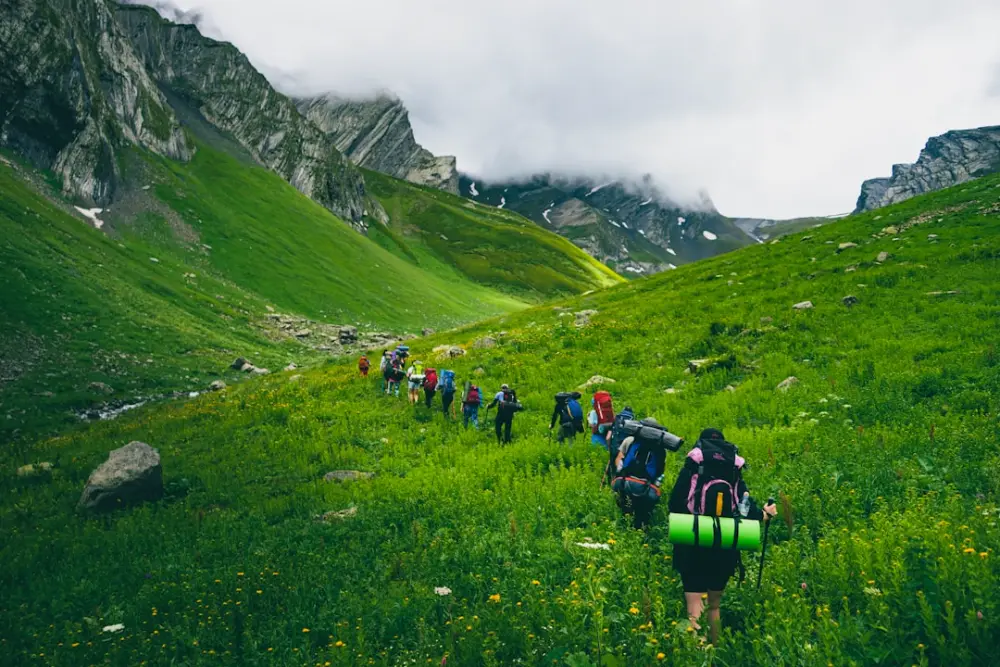
Can beginners go backpacking?
Absolutely. Start with a short, nearby trip to build confidence. The skills and mindset grow quickly with a little experience.
The bottom line
So what is backpacking? It is low-cost, independent travel with everything in one pack. It means long, flexible trips, hostels, and meeting fellow travellers.
More than a bag, it is a mindset of freedom. You live close to local life and travel slowly. The classic backpacking style trades comfort for adventure.
Ready to begin? Learn how to plan a backpacking trip. See what to pack in your backpacking packing list. You can even do it on a budget. Most nights you will sleep in a hostel.
The road is open and waiting. Pack light, stay curious, and go. Your first adventure starts now.