
Food tells a story that a museum never could. What is culinary tourism, and why should you visit local food markets? Ever wandered a market and felt instantly at home? That smell of spice pulls you right in.
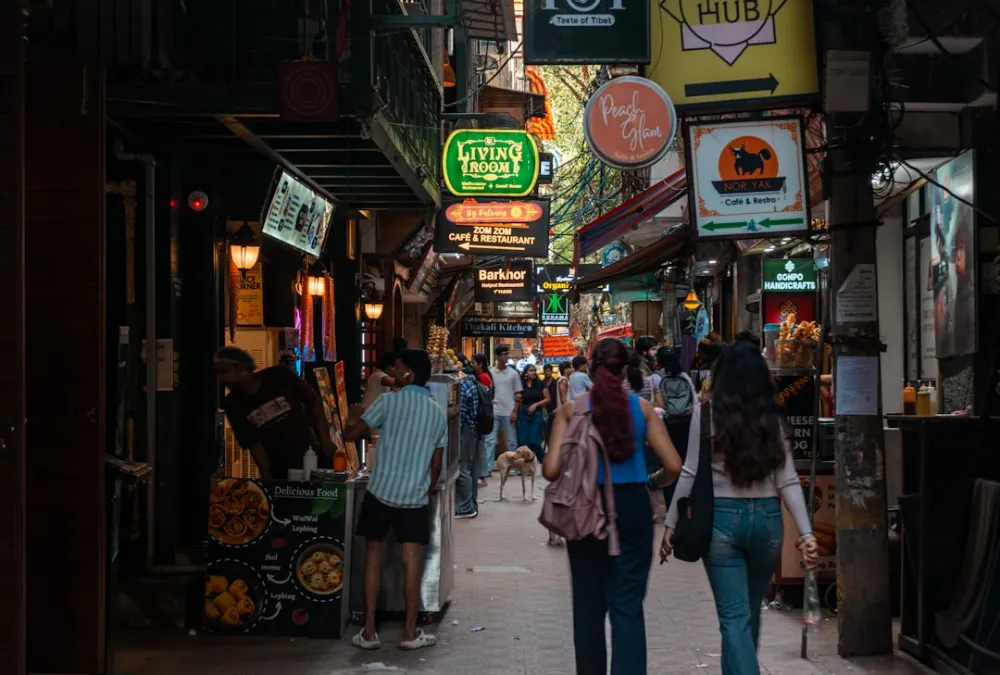
Rather than eat the same meals you get back home, why not taste the real place? Local markets serve food with roots and history. The proof is in the pudding, as they say. So why settle for a bland hotel buffet?
Here is the honest answer. Culinary tourism means traveling to taste a place. Local markets are the beating heart of that. They show you fresh food, real people, and daily life. You eat cheaply and learn a lot. It turns a trip into a memory.
This guide covers what culinary tourism is and why markets matter. You’ll learn how to plan, eat safely, and save money. We’ll keep it simple, friendly, and fun. You’ll also see how it fits into what your travel itinerary should include.
What is culinary tourism, exactly?
Culinary tourism is travel built around food and drink. You pick places partly for what’s on the plate. It means seeking out local dishes, markets, and flavors. The goal is to taste a culture, not just see it.
Think of food like a passport stamp you can eat. Every bite marks a place and a moment.
Does it mean fancy restaurants only? Not at all. A street stall counts just as much as a chef’s table.
Why local food markets are worth it
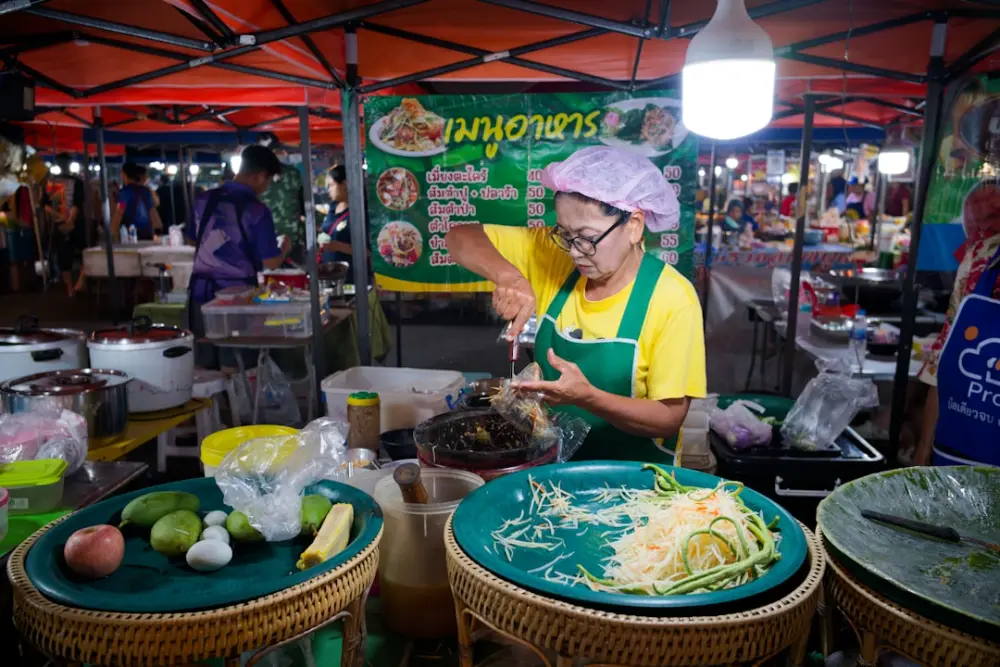
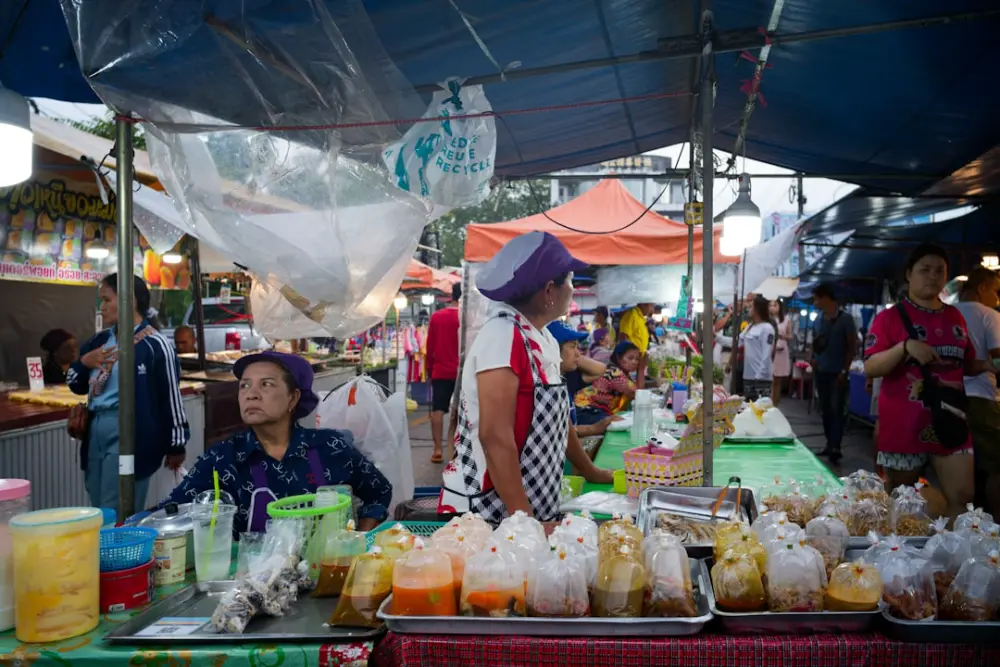
Markets pack a whole culture into one space. You see what locals really eat each day. Fresh produce, spices, and snacks sit side by side.
Prices at markets often beat tourist restaurants. Your money stretches further and feeds more people. Vendors are usually happy to share tips too.
Why do markets feel so alive? Because they run on real daily life. Locals shop there, so the energy is genuine.
Did you know?
Many famous dishes were born in humble street markets, not fancy kitchens. Everyday cooks shaped the food we love to travel for.
What you’ll find at a local market
Every market has its own flavor and rhythm. Expect stalls of fruit, veg, meat, and fish. You’ll spot spices piled in bright little mountains.
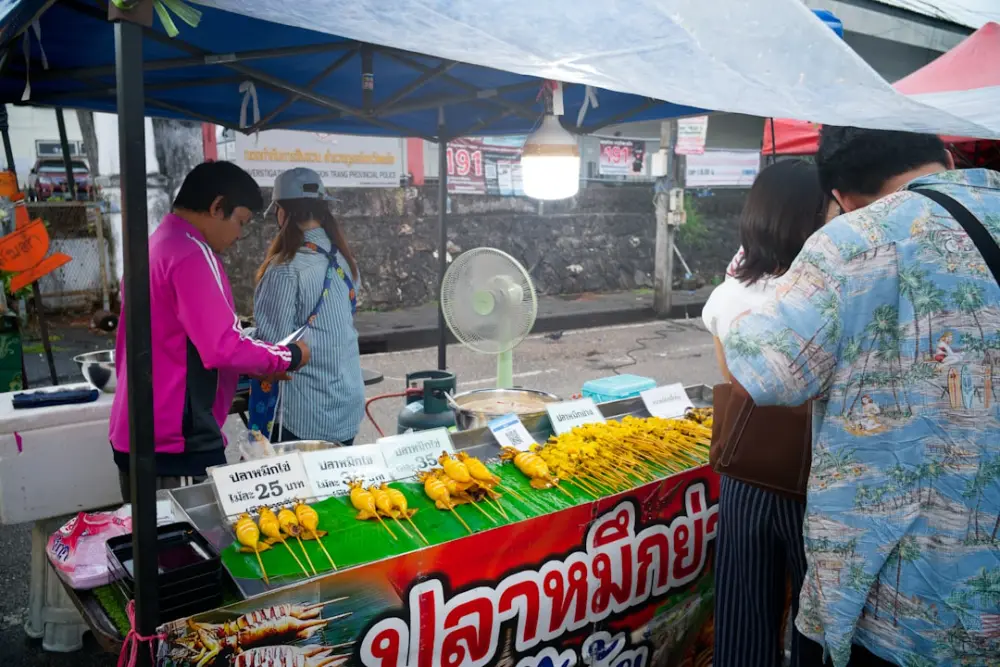
Cooked food is often the real star. Many stalls fry, grill, or steam dishes fresh. The smell alone can make your mouth water.
Not sure where to start? Look for the busiest stall. A long local queue is a great sign.
How food connects you to culture
Food is culture you can taste. Each dish carries history, climate, and trade. A single spice can tell a long story.
Sharing food breaks down barriers fast. A smile and a pointed finger can order lunch. You don’t need fluent words to connect.
Ever bonded with a stranger over a snack? It happens all the time at markets. Food gives you a reason to chat.
Planning food stops on your trip
A little planning makes food travel easy. Research a few markets before you arrive. Note their days and opening hours.
Leave room in your schedule for wandering. The best bites are often unplanned. A rigid plan can crowd out surprises.
Feeling unsure how much to squeeze in? Pick two or three food stops daily. That leaves space to rest and digest.
Eating safely at street stalls
Street food can be wonderfully safe. High turnover means fresh, fast cooking. Busy stalls sell out and restock often. Choose places where food is cooked hot in front of you.
Watch how the vendor handles the food. Clean hands and tidy surfaces are good signs. Piping hot dishes are safer than lukewarm ones.
Worried about an upset stomach? Ease in slowly with small portions. Bottled or safe water helps a lot.
Talking to vendors and stallholders
Vendors are the soul of any market. Most love to talk about their food. A simple hello opens plenty of doors.
Learn a few words in the local tongue. Please and thank you go a long way. A little effort earns big smiles.
Nervous about the language gap? Point, smile, and stay curious. Most vendors will happily meet you halfway.

Budgeting for market food
Markets are kind to your wallet. Street snacks usually cost very little. You can taste widely without spending big.
Set a loose daily food budget. Then let yourself splurge on one special treat. Sampling many small dishes stretches your money.
Want your cash to last longer? Eat where locals eat, not tourist strips. Prices there are fairer and food fresher.

Best times to visit a food market
Timing shapes your whole market visit. Early morning brings the freshest produce. Vendors are relaxed and stalls are full. You beat the midday crowds too.
Late afternoon has its own charm. Some sellers cut prices to clear stock. You might grab a bargain near closing.
Not a morning person? Aim for a quieter mid-morning slot. You’ll still find plenty on offer.
What to pack for a market visit
A few small items make markets easier. Bring a reusable bag for your finds. Pack tissues or wet wipes for sticky fingers. A refillable water bottle keeps you going.
Wear comfy shoes you don’t mind dirtying. Markets can be wet, busy, and crowded. Light clothes help in hot, packed spaces.
Short on space in your bag? Just take cash, wipes, and a tote. That trio covers most market needs.
Comparing ways to explore local food
There’s no single best way to eat local. Each approach has its own perks and gaps. The table below sizes them up fast. Mix a few for the fullest taste.
Notice how these methods work together. A market feeds your eyes and your budget. A food tour adds context and stories.
| Approach | Best for |
|---|---|
| Wandering a local market | Fresh food and low prices |
| Guided food tour | Local stories and hidden gems |
| Sit-down local restaurant | Comfort and full meals |
| Cooking class | Learning recipes to take home |

Trying new flavors without fear
New flavors are half the fun. Start small with a single bold bite. You can always order more if you love it.
Ask what a dish is before diving in. Vendors will gladly explain the basics. Knowing the ingredients builds your confidence.
Scared of something too spicy? Ask for a milder version politely. Many stalls will adjust the heat. There’s no shame in easing in.
Markets versus restaurants for travelers
Both markets and restaurants have their place. Markets win on price, buzz, and variety. Restaurants offer comfort, seats, and calm. The best trips blend the two.
Markets suit grazing and quick snacking. You taste many things in one visit. Restaurants suit slower, sit-down meals.
Can’t decide between them today? Snack at the market for lunch. Then book a proper dinner out. You get the best of both.
Shopping for edible souvenirs
Food makes a brilliant souvenir. Think spices, tea, sauces, or sweets. They’re light, cheap, and full of memory.
Check the rules before you buy. Some foods can’t cross borders freely. Fresh items may be seized at customs. Dried and sealed goods travel best.
Unsure what will make it home? Stick to packaged, shelf-stable treats. Ask the vendor how to store them. Then pack them snugly in your bag.
Food tours and guided tastings
A guided food tour can teach you loads. A local guide knows the best stalls. They share stories behind each dish. You skip the guesswork and eat well.
Tours suit your first day in a city. You learn the food scene quickly. Then you explore solo with confidence. It’s a smart way to start.
Prefer to roam on your own? Use a tour early, then wander later. You’ll blend guidance with freedom. Both styles have real value.
Staying safe in crowded markets
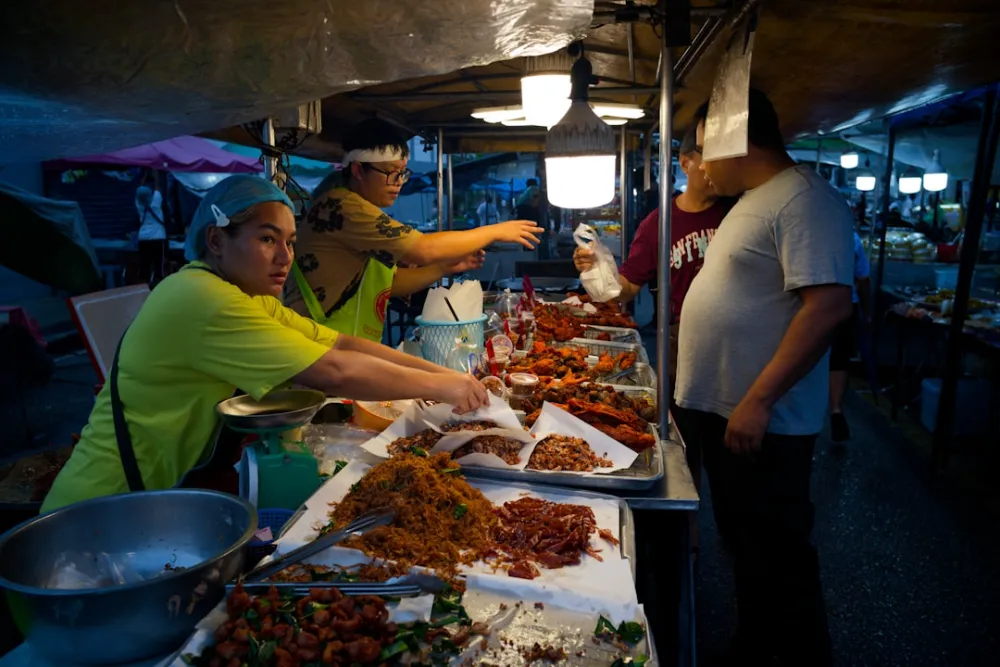
Busy markets are usually friendly places. Still, crowds can attract the odd pickpocket. Keep your bag zipped and close. Check current official travel advice before you go.
Carry only the cash you need. Leave spare cards back at your stay. A money belt or front pocket helps. Stay aware without getting paranoid.
Feeling swamped by the crush? Step aside to a quieter edge. Take a breath and get your bearings. Then dive back in refreshed.
Common culinary tourism mistakes
A few slip-ups catch many food travelers. The biggest is eating only near hotels. Tourist zones charge more for less flavor. Wander a few streets for better food.
Another mistake is over-planning every bite. You leave no room for happy accidents. Some rigidity is fine, but stay open. The best meals are often unplanned.
People also forget to pace themselves. Ten dishes at once ends badly. Space out your tasting across the day. Your stomach will thank you.
Handling dietary needs and allergies
Food allergies need real care abroad. Learn the local words for your triggers. Write them on a card to show vendors. Better safe than sorry every time.
This is not medical advice. See a professional. A doctor can help you plan ahead. Carry any medication your doctor advises. Keep it close at all times.
Vegetarian or vegan on the road? Markets often overflow with fresh produce. Ask vendors what’s in each dish. Many are happy to help you.
Making food part of your itinerary
Food deserves a spot in your plans. Pencil in markets like any sight. Match meal times to local rhythms. Then leave gaps for spur-of-the-moment finds.
Balance food days with lighter ones. You don’t want flavor fatigue. Mix big feasts with simple snacks. Variety keeps every meal exciting.
Not sure how to weave it in? Treat food stops as real appointments. Give them time and attention. Your trip will taste all the richer.
Frequently asked questions
What is culinary tourism in simple terms?
It’s traveling to experience a place through its food. You choose destinations partly for their local dishes and markets.
Why should I visit local food markets?
Markets show real daily life and cheap, fresh food. You taste the culture at its most honest there.
Is street food safe to eat?
Often yes, especially at busy stalls cooking hot and fresh. Choose crowded vendors and eat food piping hot.
What time should I visit a market?
Early morning brings the freshest produce and calmer stalls. Late afternoon can offer bargains near closing time.
How much money do I need for market food?
Usually very little, as street snacks are cheap. Carry small notes and set a loose daily budget.
Do I need to speak the local language?
No, a smile and pointing work fine. Learning a few polite words still helps a lot.
What should I bring to a food market?
Bring cash, a reusable bag, and some wet wipes. Comfy shoes and a water bottle help too.
Are food markets good for special diets?
Yes, markets often have fresh produce for many diets. Ask vendors what each dish contains to be sure.
Should I take a food tour?
A tour is great for your first day. A local guide reveals stalls you might miss.
Can I bring food home as a souvenir?
Often yes, if it’s packaged and shelf-stable. Check customs rules, since fresh items may be seized.
The bottom line
So what is culinary tourism, and why visit local markets? It’s simply travel that puts food first. Markets are the tastiest, cheapest way in. A little planning makes them shine.
Bring small cash and an open mind. It helps to know about paying in local currency abroad. Keep your bag safe and protect yourself from pickpockets in Europe. Then set a realistic budget for your vacation.
Want a little background before you go? This overview of culinary tourism is a fun read. You can also explore street food for more context. Both add flavor to your planning.