
You want a trip that helps nature, not harms it. Then you keep seeing one word. Ecotourism. So what is ecotourism, and how is it different?
The term sounds green and lovely. But its real meaning often stays fuzzy. That vagueness holds people back.
Here is the honest answer. Ecotourism means responsible travel to natural areas that protects the environment and helps local people. It focuses on nature, learning, and low impact. You enjoy the wild while keeping it safe.
This guide makes the idea plain. You will learn what ecotourism truly means. You will see how it works and why it matters. And how to travel green without the guesswork.
What is ecotourism?
Ecotourism is responsible travel to natural areas that conserves the environment and supports local communities. It centres on experiencing nature with a light footprint. It also teaches travellers about wildlife and conservation. In short, it is nature travel that protects the very places it visits.
Think of it as visiting a garden you love. You walk through gently and help it grow. You never trample the flowers.
So is it just a fancy word for hiking? No, it goes deeper. Care and learning are built in.
Leave a place better than you found it, as the saying goes. That idea drives ecotourism. Protection is the point.
The core principles of ecotourism
Ecotourism rests on a few clear ideas. They shape every good eco-trip. Knowing them helps you spot the real thing.
The first is low impact on nature. You visit without harming the land. The wild stays wild.
The second is benefit to local people. Your visit supports the community. Money stays close to home.
The third is learning and respect. You leave knowing more and caring more. Understanding grows.
Did you know?
Ecotourism often funds conservation directly. Entry fees and tours can pay for protecting habitats and wildlife, so your visit helps keep wild places safe.
How ecotourism differs from regular travel
Ecotourism is not just any nature trip. It has a clear purpose. That sets it apart.
Regular travel often just passes through. It takes the view and moves on. Impact is an afterthought.
Ecotourism puts nature and locals first. It aims to leave a positive mark. Care is the whole plan.
So the difference is intention. One consumes a place, the other protects it. Purpose changes everything.
Ecotourism versus sustainable tourism
People often mix these two terms up. They are close but not the same. A quick look clears it up.
Sustainable tourism is the broad umbrella. It covers all travel done with care. It spans cities and beaches too.
Ecotourism is a focused branch of it. It centres on natural areas and wildlife. Nature is its home.
So all ecotourism is sustainable, but not all sustainable travel is ecotourism. See our guide to sustainable tourism. The two work hand in hand.
Why ecotourism matters
Wild places face real threats today. Ecotourism offers a way to help. Its value runs deep.
It gives nature an economic reason to survive. A protected forest can earn its keep. That saves habitats.
It also builds care in travellers. People protect what they understand. Learning sparks action.
So ecotourism does double good. It funds protection and grows awareness. Both help the planet.
How ecotourism helps wildlife
Animals gain a lot from good ecotourism. It gives them value alive. That protection is priceless.
When wildlife draws visitors, it earns its keep. Communities then guard it, not hunt it. Living animals pay more.
Tour fees can fund rangers and reserves. That money shields creatures from harm. Your visit becomes a shield.
So ecotourism turns animals into allies. Their survival helps people too. Everyone wins when the wild thrives.

What ecotourism looks like in practice
The idea is clear, but what does it look like? Real eco-trips are easy to picture. Here are some shapes.
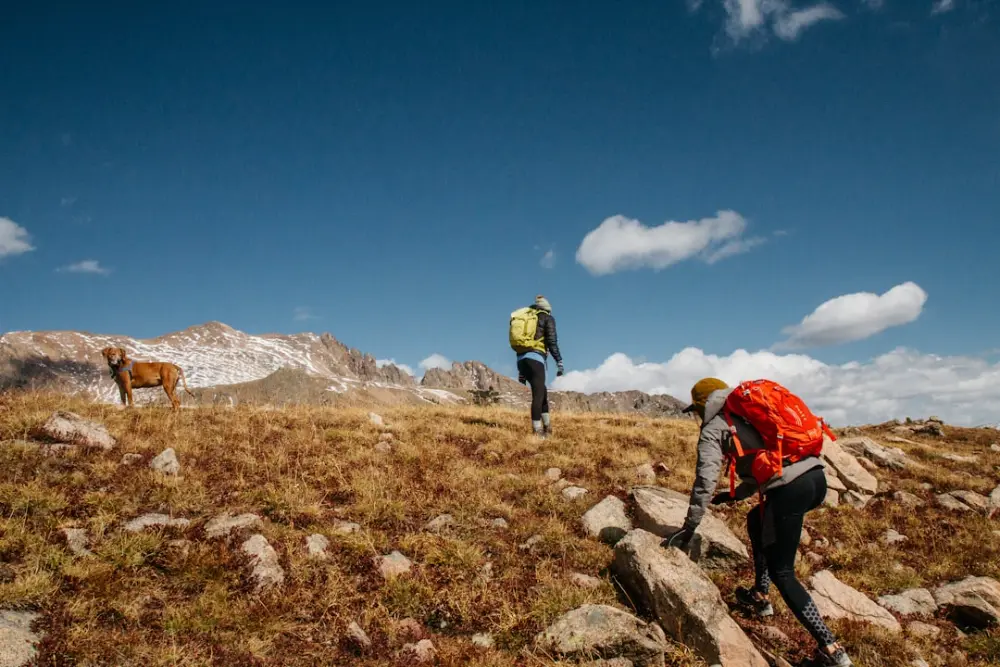
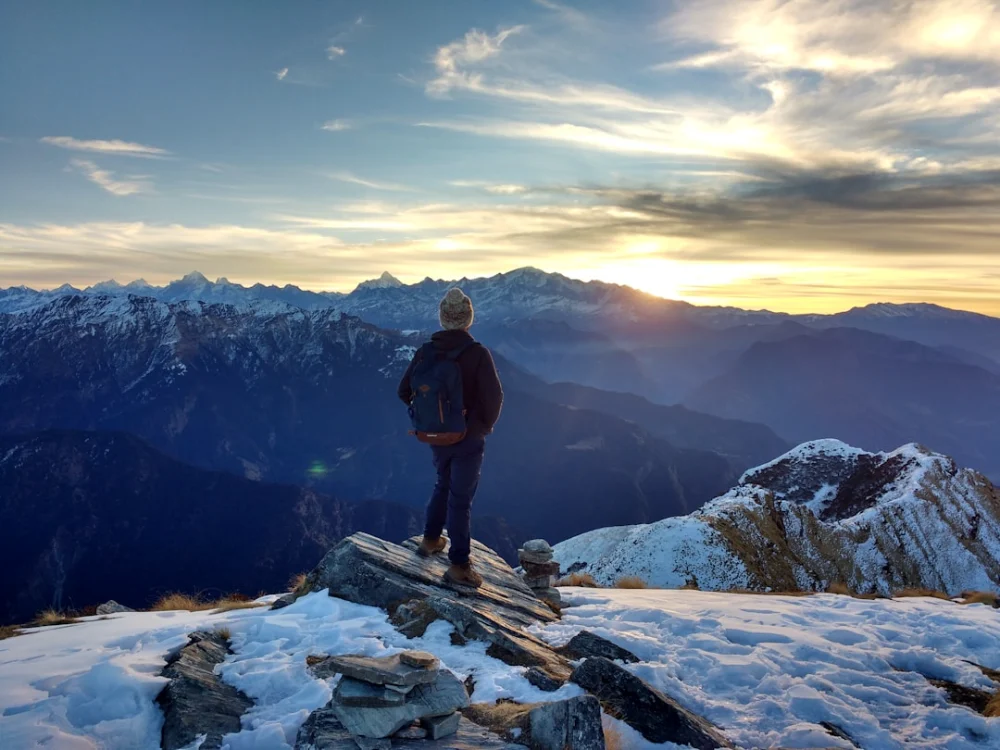
It might be a guided walk through a rainforest. You learn the plants and tread softly. Nature is the teacher.
It could be watching whales from a careful boat. You keep your distance and observe. Respect leads the way.
So ecotourism is active and mindful. You engage with nature gently. Wonder and care go together.
The benefits for local communities
People near wild places gain a lot. Ecotourism can lift whole communities. The rewards are real.
It creates jobs as guides and hosts. Families earn from protecting nature. Work and wildlife align.
It also values local knowledge and culture. Communities become proud partners. Their voice matters.
So ecotourism spreads benefit widely. It helps people and nature at once. That balance is its strength.
The risks of poor ecotourism
Not every eco-labelled trip is truly good. Some do more harm than help. It pays to be careful.
Too many visitors can stress fragile places. Crowds disturb wildlife and land. Even nature trips can overload.
Fake eco-labels also mislead travellers. A green name can hide a careless business. Words are not proof.
So choose your eco-trips with thought. Real care shows in clear action. Look beyond the label.
How to spot genuine ecotourism
Real ecotourism has telltale signs. Learning them protects your good intentions. Look for these clues.
Check for small groups and clear rules. These limit harm to nature. Care shows in the details.
See if locals run or guide the trip. Community benefit is a strong sign. Real ecotourism shares the reward.
So look for proof, not just claims. Genuine ecotourism stands up to questions. Substance beats a pretty logo.
Ecotourism and conservation
Conservation sits at the heart of the idea. Ecotourism and protection go together. One funds the other.
Visitor money can pay for protecting land. It supports reserves and rangers. Nature gains a guardian.
It also protects biodiversity by valuing wild species. A living forest earns more than a felled one. That math saves nature.
So ecotourism is conservation in action. Your trip helps guard the wild. Travel becomes a force for good.
Simple ways to be a good ecotourist
Being a good ecotourist is easy. A few habits carry the idea. Start with these steps.
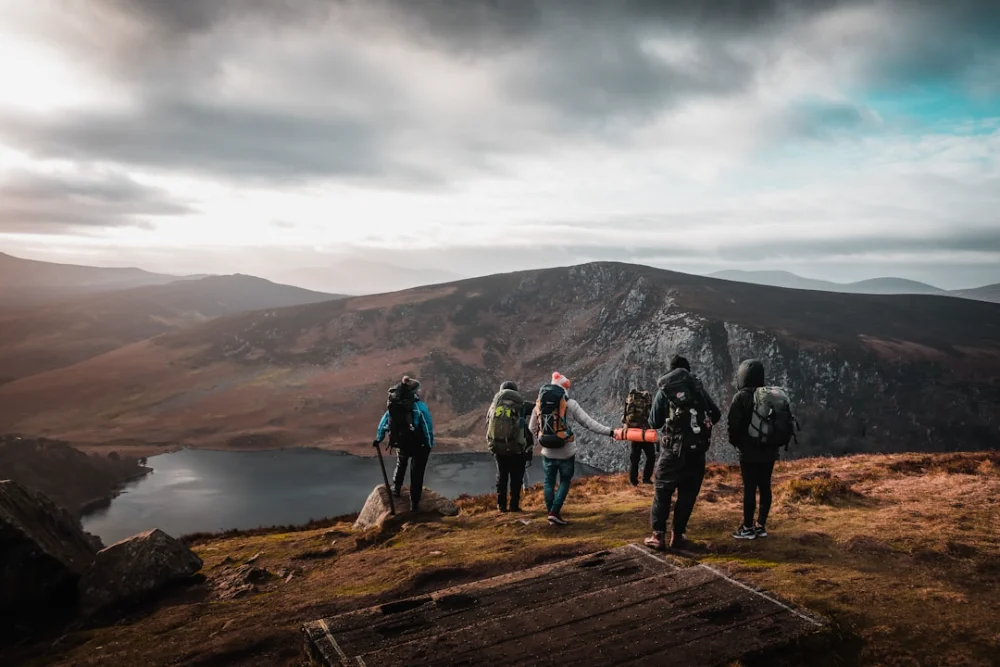
Keep your distance from wild animals. Never feed or crowd them. Their space comes first.
Stick to trails and follow local rules. They exist to protect the place. Rules are your friend.
So travel gently and stay curious. Learn, respect, and leave no trace. Good habits make a good ecotourist.
The role of local guides
Local guides are the soul of ecotourism. They know the land like family. Their role is priceless.
A good guide reads the forest with ease. They spot wildlife you would miss. Their eyes open the wild.
Hiring them keeps your money local too. It rewards the people who protect nature. Support flows the right way.
So seek out local guides everywhere. They enrich your trip and the community. Everyone gains from their skill. A good guide can turn a simple walk into an unforgettable lesson.
Ecotourism on any budget
Some fear ecotourism costs a fortune. That is not the case. It fits many budgets.
Local guides and simple stays are often affordable. They cost less than luxury resorts. Green can be cheap.
Nature itself is usually free to enjoy. A forest walk costs nothing. Beauty needs no big spend.
So do not let price scare you off. Ecotourism welcomes every wallet. Care matters more than cash. A gentle heart is the only budget that truly counts.
The history behind ecotourism
Ecotourism is not a brand-new idea. It grew from a simple worry. People saw travel harming nature.
As mass tourism spread, damage followed. Beautiful places began to suffer. A gentler way was needed.
Ecotourism rose as that kind answer. It joined the love of nature with care. The two finally fit together.
So the idea was born from concern. It answers a real problem. That purpose still guides it today.
Ecotourism and education
Learning is a quiet pillar of ecotourism. A good eco-trip teaches as it delights. Knowledge is part of the gift.
Guides share the story of the land. You learn how nature works and why it matters. Understanding deepens fast.
That learning often changes travellers. People return home caring more. New habits take root.
So ecotourism feeds the mind too. You leave richer in knowledge. Care grows from what you learn.
Where ecotourism thrives
Some places have embraced ecotourism fully. They show what the idea can do. Their example inspires.
Rainforests, reefs, and wild reserves suit it well. These fragile places need careful visitors. Ecotourism protects them.
Communities near them often lead the way. They guide, host, and guard the land. Local hands make it work.
So ecotourism blooms where nature is precious. It gives wild beauty a future. Those places thank their visitors.

Planning an eco-friendly trip
A little planning makes a green trip smooth. Good choices start before you leave. Prepare with care.
Research operators and their real practices. Look for proof of genuine care. Choose the honest ones.
Pack light and bring reusable items. A bottle and bag cut waste fast. Small kit, big help.
So plan with nature in mind. Thoughtful preparation shapes a kinder trip. The groundwork pays off. A well-planned eco-trip protects the place and deepens your joy.
Common ecotourism mistakes
A few slips trip up eager ecotourists. They are simple to avoid. A little care keeps you on track.
The first is trusting eco-labels blindly. Check for real action behind them. Proof over promises.
The second is getting too close to wildlife. Keep a respectful distance always. Their safety comes first.
The third is joining huge crowded tours. Small groups tread lighter. Choose intimacy over volume.
The last is ignoring local guides. They protect the place and deserve your support. Value their role.
Frequently asked questions
What is ecotourism?
It is responsible travel to natural areas with a light footprint. It protects the environment and supports local communities.
How is ecotourism different from sustainable tourism?
Ecotourism focuses on nature and wildlife. Sustainable tourism is broader, covering cities, culture, and beaches too.
Does ecotourism really help nature?
Yes. It gives wild places economic value, funding conservation and giving communities a reason to protect them.
What are examples of ecotourism?
Guided rainforest walks, careful whale watching, and community-run wildlife reserves are all common forms of ecotourism.
How do I know if a trip is genuinely eco-friendly?
Look for small groups, clear rules, and local involvement. Real care shows in action, not just labels.
Is ecotourism expensive?
Not always. Local guides, simple stays, and nature itself are often affordable, so ecotourism suits many budgets.
Can ecotourism harm nature?
Poorly run trips can. Too many visitors or fake eco-labels cause harm, so choose careful operators.
How does ecotourism help local people?
It creates jobs and values local knowledge. It also keeps money in the community, so people benefit alongside nature.
What should I do as a good ecotourist?
Keep your distance from wildlife and stick to trails. Follow local rules and support local guides and businesses.
Why does ecotourism matter?
It protects wild places and species while growing traveller awareness, helping nature survive for future generations.
The bottom line
So what is ecotourism? It is responsible travel to natural areas that protects the environment and helps local people. You enjoy the wild while keeping it safe. Care and learning are built in.
It rests on low impact, local benefit, and respect. Choose local guides and small groups. Keep your distance from wildlife and follow the rules.
Ready to travel green? Learn what sustainable tourism means and how to travel responsibly in Peru. See our responsible safari guide too. Then plan the money with our realistic vacation budget guide.
Travel with nature in mind, and the wild stays wild. Then your journeys protect the beauty you came to see.