
Picture a beach town that stays clean, kind, and thriving for decades. What is sustainable tourism, and why does everyone keep talking about it? That question is on many travelers’ minds.

Rather than treating a place like a throwaway backdrop, sustainable travel does the opposite. It treats the place as a living home. It asks you to leave a light footprint. But what does that really mean in practice?
Here is the honest answer. Sustainable tourism means travel that protects nature, culture, and local people. It looks after a place long term. It balances your fun with real care. Small choices add up fast. You can travel well without wrecking the world.
This guide covers the meaning, the pillars, and the payoff. We’ll cover transport, hotels, food, and culture. You’ll learn simple habits that make a big difference. Let’s make your next trip greener.
So, what is sustainable tourism, really?
Sustainable tourism is travel that keeps a place healthy over time. It protects the environment, respects culture, and supports local jobs. Think of it as leaving a campsite better than you found it. That simple idea guides every choice.
Does that mean giving up comfort or fun? Not at all. It just means traveling with a little extra thought. You still relax, explore, and enjoy yourself.
The goal is balance, not guilt. You want a place to thrive after you leave. That way future travelers enjoy it too. Care today keeps the magic alive tomorrow. It really is that simple at heart.
Why sustainable travel matters more than ever
Tourism is huge, and it keeps growing fast. That growth brings money but also strain. Popular spots can buckle under crowds and waste. Thoughtful travel eases that pressure.
Nature pays a price when we ignore our impact. Trash, pollution, and crowding harm fragile places. Responsible choices help protect what we love. The planet feels every footprint.
Local communities matter just as much as scenery. Fair tourism keeps money in local hands. It supports families, artisans, and small shops. Everyone wins when travel is done right. Good travel gives back more than it takes.
Did you know?
Many destinations now cap daily visitor numbers to protect fragile sites. They quietly admit that too many footprints can wear a place down.
The three pillars of sustainable tourism
Sustainable travel rests on three simple pillars. They are the environment, the economy, and the community. Balance all three and you travel well. Ignore one and the whole thing wobbles.
The environmental pillar protects nature and wildlife. It means less waste and cleaner choices. The economic pillar keeps money local. Fair pay supports real families.
The social pillar respects people and culture. It honors traditions and local ways of life. Together these pillars keep a place healthy. Think of them as a sturdy tripod. Remove one leg and the whole thing tips.
Sustainable tourism versus regular tourism
Regular tourism often chases the cheapest, fastest thrill. It rarely asks who pays the hidden cost. Sustainable tourism slows down and looks deeper. That mindset changes everything.
Mass tourism can flood a town with crowds. Money often leaks out to big chains. Local people see little of the profit. That imbalance strains communities.
Responsible travel flips the script gently. It spreads visitors, seasons, and spending more evenly. Small guesthouses and local guides benefit directly. The place stays alive and welcoming.
How your choices shape a destination
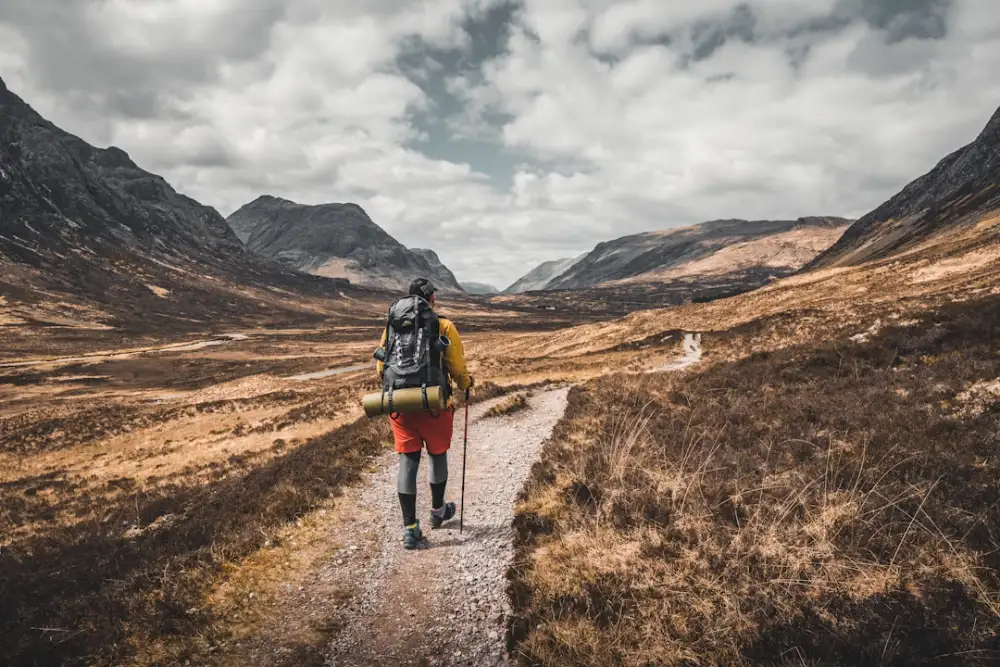
Every trip sends ripples through a place. Where you sleep, eat, and shop matters. Your money is a quiet kind of vote. Spend it with care.
Choose a local cafe over a global chain. That single meal supports a real family. Small, steady choices build strong communities. Your habits carry real weight.
Crowds also shape the mood of a town. Visiting in quieter months eases the strain. It spreads the benefits across the year. Timing is a gentle superpower.
Getting around the greener way
Transport is often a trip’s biggest footprint. Flying less and staying longer helps a lot. Trains and buses sip far less fuel. Smart routes shrink your impact.
Once you arrive, skip the constant taxis. Walk, cycle, or ride shared transit instead. It saves money and cuts emissions. You also see more of daily life.
Public transit is easier than many expect. Our guide on public transportation from the airport helps. A little planning keeps things smooth. Green travel starts on day one.
Where you sleep makes a difference
Your hotel choice carries surprising weight. Smaller, locally owned stays keep money in town. They often care deeply about their area. Look for genuine local roots.
Watch for real green habits, not empty labels. Solar power, water saving, and waste sorting count. Reusing towels is a tiny, honest start. Ask questions before you book.
Family run guesthouses add a warm human touch. You meet hosts who love their home. That connection makes trips richer. Comfort and care can go together. A good host turns a stay into a story.
Eating and shopping like a local
Food is one of travel’s greatest joys. Local markets and family kitchens feed that joy. They also keep money close to home. Eat where locals eat.
Seasonal, local dishes usually taste better anyway. They travel a short distance to your plate. Fresh ingredients mean smaller footprints. Flavor and care line up nicely.
Shopping local supports artisans and their crafts. Handmade goods carry a real story. Skip cheap trinkets shipped from far away. Buy things that actually last. A meaningful souvenir beats a landfill magnet.

Respecting culture and community
Every destination has its own rhythm and rules. Learning a few local customs shows real respect. A simple greeting opens many doors. Kindness travels everywhere.
Dress and behave with the local mood in mind. Sacred sites often ask for modest clothing. Asking before photos is basic courtesy. Small gestures build real goodwill.
Support local guides who share their heritage. Their stories bring a place to life. They also earn a fair living. Everyone gains from that exchange. You leave with real understanding, not just photos.
Protecting nature and wildlife
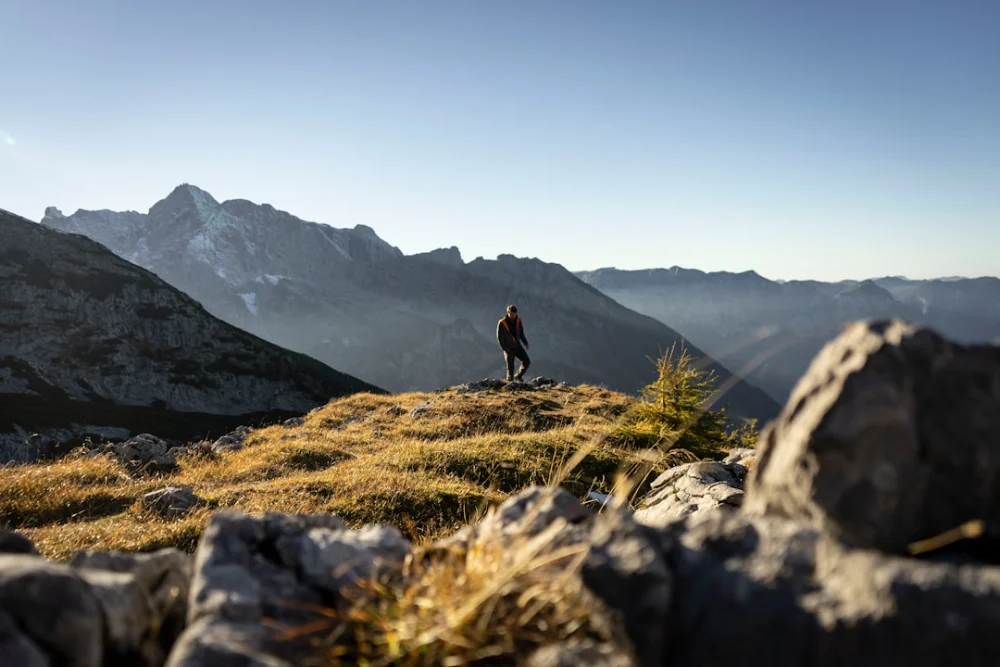
Wild places are fragile treasures worth guarding. Stay on marked trails to protect plants. Take only photos and leave only footprints. Nature keeps its balance that way.
Skip attractions that exploit or harm animals. Watching wildlife from a distance is kinder. Never feed or crowd wild creatures. Respect keeps them truly wild.
Parks and reserves deserve your gentle care. A trip to explore what to see in Yosemite shows why. Protected land rewards careful visitors. Tread lightly and it thrives.
Ways to travel more responsibly, compared
Different habits suit different trips and travelers. Here’s how the main approaches stack up. Pick the ones that fit your plans.
| Approach | When it shines |
|---|---|
| Slow travel | Longer stays in fewer places |
| Local homestays | Deeper culture and fair spending |
| Public transit | City trips and short hops |
| Off-season visits | Crowded, popular destinations |
Slow travel and why it helps
Slow travel means staying longer in fewer places. You swap a frantic checklist for real depth. Fewer flights mean a smaller footprint. Calm beats rushing every time.
Lingering lets you truly know a place. You find hidden cafes and quiet corners. Local friendships have time to grow. Memories run deeper this way.
Building in rest also protects your energy. Some downtime in your travel itinerary helps. A slower pace feels kinder to everyone. You and the place both breathe.
Sustainable tourism on a budget
Green travel does not have to cost more. Public transit is often the cheapest option. Local food usually beats tourist traps on price. Kindness and thrift line up nicely.
Staying longer in one spot saves money too. You skip repeated flights and transfers. Slow trips stretch every dollar further. Your wallet and the planet agree.
Free experiences are often the best ones. Hiking, markets, and local festivals cost little. They also connect you to real life. Rich travel need not be pricey. The best memories rarely come with a big bill.
The problem of overtourism
Overtourism happens when a place gets overwhelmed. Too many visitors strain streets, water, and locals. Famous spots suffer the most. The charm slowly fades away.
You can help by exploring lesser known places. Nearby towns often hold the same beauty. They welcome visitors with open arms. Spreading out eases the crowds.
Timing your trip helps just as much. Shoulder seasons offer calm and lower prices. You dodge the worst of the crush. Everyone enjoys a gentler pace. Quiet months often reveal a town’s true charm.
Travel that includes everyone
Responsible travel welcomes people of all abilities. Inclusive trips make the joy of travel wider. Good planning removes needless barriers. Everyone deserves the open road.
Accessible options keep growing across the world. Many hotels and sites now plan for access. A little research uncovers great choices. Ask questions early and often.
For helpful ideas, read about accessible transportation for travelers with disabilities. Thoughtful planning smooths the whole trip. Inclusion is part of doing travel right. Kindness leaves no one behind.
Small habits that add up
Big change often starts with tiny actions. Refuse single-use plastic whenever you can. Turn off lights and taps in your room. Little habits stack into real impact.
Pack light to lower fuel use on flights. Every extra kilo burns more energy. A lean bag is a greener bag. Travel smart from the start.
Share what you learn with fellow travelers. Good habits spread faster than you think. One tip can inspire many trips. Kindness is wonderfully contagious. Your example nudges other people toward better choices.
Common mistakes to avoid
The biggest slip is falling for greenwashing. Some brands claim to be green without proof. Look for real, specific actions instead. Ask how they actually help.
Another mistake is cramming too much in. A rushed trip burns fuel and energy. Slow down and enjoy fewer places. Depth beats a frantic checklist.
Some travelers forget the people who live there. Respect always comes before the perfect photo. Treat locals as neighbors, not scenery. Good manners matter most.
Frequently asked questions
What is sustainable tourism in simple terms?
It is travel that protects nature, culture, and local people. It keeps a place healthy long term.
Is sustainable tourism the same as ecotourism?
Not quite, ecotourism focuses mainly on nature. Sustainable tourism also covers culture and local economies.
Does sustainable travel cost more money?
Often it costs the same or less. Local food and transit are usually cheaper.
How can I travel more sustainably right now?
Use public transit and stay in local places. Carry a reusable bottle and bag.
Why does sustainable tourism matter?
It protects fragile places and supports local families. That care keeps destinations alive for the future.
What are the three pillars of sustainable tourism?
They are the environment, the economy, and the community. Balancing all three keeps travel healthy.

What is overtourism?
It is when too many visitors overwhelm a place. Crowds strain resources, locals, and charm.
Can flying ever be sustainable?
Flying has a real footprint you cannot ignore. Flying less and staying longer helps most.
How do I spot greenwashing?
Look for specific, proven actions, not vague claims. Ask exactly how a business helps.
Is slow travel really more sustainable?
Yes, fewer flights mean a smaller footprint. Longer stays also support local communities more.
The bottom line
So, what is sustainable tourism? It is travel that protects nature, culture, and people. It keeps a place thriving long term. Your small choices carry real power.
Choose local stays, greener transport, and slower trips. Respect the people and the land you visit. For the bigger picture, read about sustainable tourism and ecotourism on Wikipedia. A little awareness goes a long way.
Travel light, travel kind, and travel with care. Your next trip can help a place thrive. Small, steady choices really do add up.