


Supplement shelves promise antioxidants in a neat capsule. A bowl of berries makes a quieter offer. So are antioxidant-rich foods better than antioxidant supplements? The answer leans one clear way.
Rather than trusting the flashy label, weigh both sides. Whole foods carry a full package. Pills isolate one compound at a time. Most people do better with real food. This choice shapes your whole balanced diet plan.
Here is the honest answer. For most people, whole foods win clearly. They bring fibre, vitamins, and natural balance. Supplements isolate single compounds in high doses. Those doses can sometimes backfire. This is not medical advice. See a professional.
This guide covers foods versus pills in plain terms. You will learn why food usually leads. We will compare both sides fairly. Simple habits keep antioxidants flowing without capsules.
Are antioxidant-rich foods better than supplements?
The honest answer favours whole foods. They deliver antioxidants inside a full package. Fibre, vitamins, and minerals ride along. That teamwork is hard to bottle.
Think of whole food as an orchestra. Many parts play together in tune. A supplement is more like one note. It can sound thin on its own.
Does that make every pill useless? Not always, but the bar is high. A few people need targeted supplements. Most healthy adults do not. Food covers the everyday job well. The plate beats the bottle here.
What antioxidants actually are
Antioxidants are a broad group of compounds. They share one useful trick. Each can calm an unstable molecule safely.
Some antioxidants are familiar vitamins. Vitamin C and vitamin E belong here. Many others come from colourful plants. They join a wide cast of helpers.
Both food and pills can supply them. The difference lies in the package. Food brings a natural blend. Pills bring one part alone. That gap shapes the whole debate. The blend usually serves you better.
What antioxidant-rich foods offer
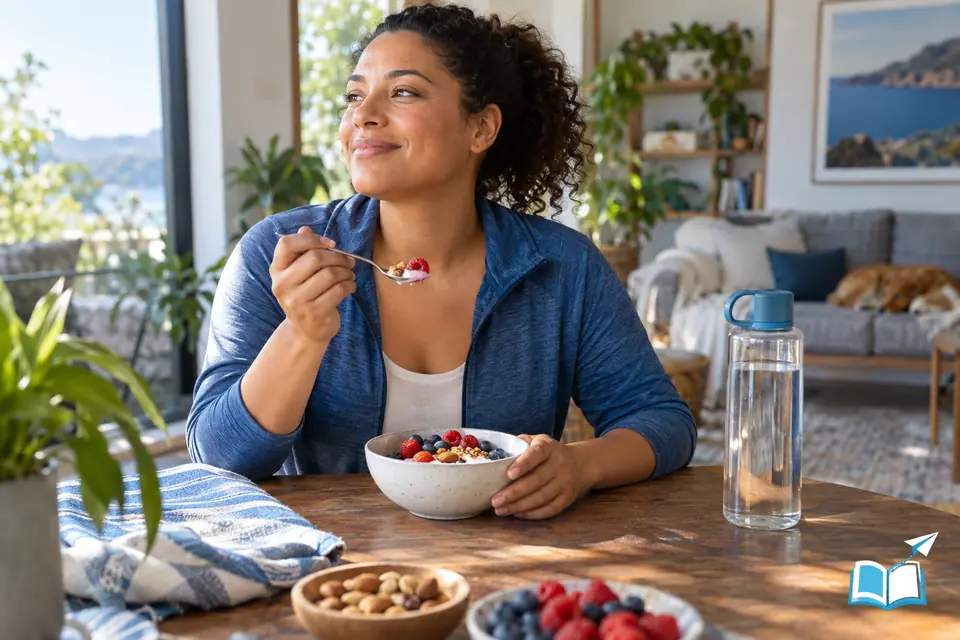
Antioxidant-rich foods bring more than one compound. They carry a broad mix of nutrients. Fibre and water come along too.
These foods fill you up and satisfy. They taste good and feel familiar. Your body handles them in gentle amounts. Nothing arrives in a sudden spike. That steady delivery suits your cells.
Explore which foods contain the most antioxidants here. Berries, greens, and spices lead well. Whole foods keep the balance natural. Variety brings many types together. Colour guides your choices simply.
Did you know?
Large trials of antioxidant pills have often disappointed. Whole food diets show steadier and clearer benefits.
What antioxidant supplements offer
Supplements offer convenience in a small dose. One capsule is quick and simple. It needs no cooking or shopping.
Each pill usually holds one isolated compound. It may lack the wider food package. Fibre and other nutrients are missing. The balance shifts toward a single hit.
Some supplements deliver very high doses. That amount can exceed food levels greatly. More is not always safer here. Balance matters more than raw numbers. Expert advice helps you decide. A capsule cannot replace a meal.
Why whole foods usually win
Whole foods bring antioxidants in natural amounts. Those amounts match how bodies evolved to eat. The compounds arrive with helpful partners.
Fibre slows digestion and steadies the release. Vitamins and minerals support the process. This teamwork is hard to copy in a pill. The package beats the single part.
Research often favours food over isolated pills. Diet studies show the clearest gains. Single compound trials frequently fall flat. Food wins on the everyday scoreboard. The whole plate does the work. Real meals keep the balance natural.
When supplements might have a place

Supplements are not always the wrong choice. Some people have genuine gaps to fill. A doctor may suggest one for that.
Certain conditions or diets create real needs. A professional can test and advise. Targeted use differs from casual dosing. The reason should be clear and checked.
Never start high doses on a whim. More antioxidants is not automatically better. Speak with a professional first. Food remains the sensible default. Use pills only with good reason. A test can show a true gap.

The risk of high dose pills
High dose antioxidant pills carry real risks. Very large amounts can upset your balance. The body prefers gentle, steady levels.
Some trials found no benefit at all. A few even hinted at harm. Isolated compounds behave differently from food. Context and dose both matter here.
Food rarely pushes you into excess. It delivers antioxidants in modest amounts. That built in limit is a feature. Whole foods stay within safe bounds. Balance protects you quietly. You would struggle to overdo berries.
Reading a supplement label with care
Supplement labels can look very convincing. Bold claims promise big health gains. The evidence often tells a quieter story.
Check the dose against normal food levels. Very high numbers deserve caution. A long ingredient list can mislead. Simple is usually safer here.
Words like natural do not guarantee value. Marketing often outruns the science. Treat strong promises with healthy doubt. Ask a professional if unsure. A careful read protects your money. Compare the label against real food.
Antioxidant-rich foods versus supplements

Let us compare the two approaches side by side. Each column shows a clear pattern. Food leads on most rows.
| Antioxidant-rich foods | Antioxidant supplements |
|---|---|
| Come with fibre and vitamins | Offer one compound alone |
| Deliver gentle, natural amounts | Can give very high doses |
| Filling, tasty, and familiar | Quick but often pricey |
| Backed by strong diet research | Mixed and sometimes weak results |
The pattern points firmly toward food. Supplements rarely match a whole plant. Ask a professional before you start one. Real produce stays the smarter default.
The cost of pills versus produce
Antioxidant pills can cost a fair amount. The price adds up month after month. The benefit often stays unclear.
Colourful produce usually costs far less. Frozen berries and cabbage stretch a budget. Seasonal fruit brings value and flavour. Your money buys real nutrition.
Compare the two over a full year. Food delivers meals plus antioxidants. Pills deliver only a single compound. Produce wins on value easily. Smart shopping beats the supplement aisle. Your grocery money works twice as hard.
How to get more antioxidants from food
Getting antioxidants from food is simple. Toss berries onto your morning oats. Stir spinach into a warm soup.
Swap a plain snack for colourful fruit. Brew a cup of green tea. Each small step lifts your total.
Add one new colour every few days. A slow build keeps meals lively. Habits stick when they feel easy. Small swaps beat sudden overhauls here. Keep fruit visible on the counter. Reach for it before the biscuit tin.
Building an antioxidant-rich plate

An antioxidant-rich plate follows a simple pattern. Fill half with fruit and vegetables. Aim for several deep colours.
Give a quarter to whole grains. Save the rest for beans or lean protein. See the foods to eat every day for ideas. Colour guides your choices well.
You do not need to weigh anything. A glance and simple habits work fine. Balance beats strict counting for most. Adjust the plate to fit your appetite. Small steady meals win over time. Colour makes the plate easy to build.
Do supplements match whole food variety?
Whole foods carry a huge range of compounds. Berries alone hold many antioxidants. A single pill cannot copy that spread.
Different foods bring different strengths. Learn how polyphenols add to the mix. Variety captures far more than one capsule. The plate beats the bottle here.
You could never fit a plate into a pill. Fibre, water, and flavour vanish. The wider package simply disappears. Food keeps the full team intact. Nothing bottles a rainbow of produce.
Fresh and frozen foods both count
Fresh produce is a classic antioxidant source. Frozen fruit and vegetables count fully too. They are frozen soon after harvest.
Cooking changes some compounds along the way. Gentle heat can keep more of them. Long boiling may wash some out. A mix of raw and cooked helps.
Do not fear frozen or canned choices. They make a colourful plate affordable. Keep some ready for busy days. Variety of form helps here too. A full freezer speeds healthy meals.
Common myths about antioxidant pills

One myth says pills equal a healthy diet. A capsule cannot replace real meals. Whole foods bring far more.
Another myth claims more antioxidants heal faster. Very high doses can backfire instead. Balance beats big numbers here.
Some people trust bold label promises. Marketing often outruns the evidence. Read claims with a careful eye. Food needs no fancy label. The plate speaks for itself. A berry sells itself just fine.
Common mistakes people make
One common mistake is swapping meals for pills. A supplement cannot feed you properly. Food gives energy and nutrients together.
Another mistake is stacking many high doses. More is not always safer. Balance matters more than quantity. Extra pills rarely bring extra health.
Some people ignore simple produce entirely. Cheap fruit and vegetables do plenty. They cover the everyday job well. A colourful plate rarely lets you down. Do not overlook the humble carrot.
Who might need supplements
General food advice suits many healthy adults. Still, some people have real gaps. Certain conditions change the picture.
A doctor may test for specific needs. Some diets miss particular nutrients. Targeted supplements can help in those cases. The reason should be clear and checked.
This is not medical advice. See a professional for your personal needs. Use food ideas as a friendly guide. A short chat can prevent bigger problems.
Antioxidant foods and a balanced diet
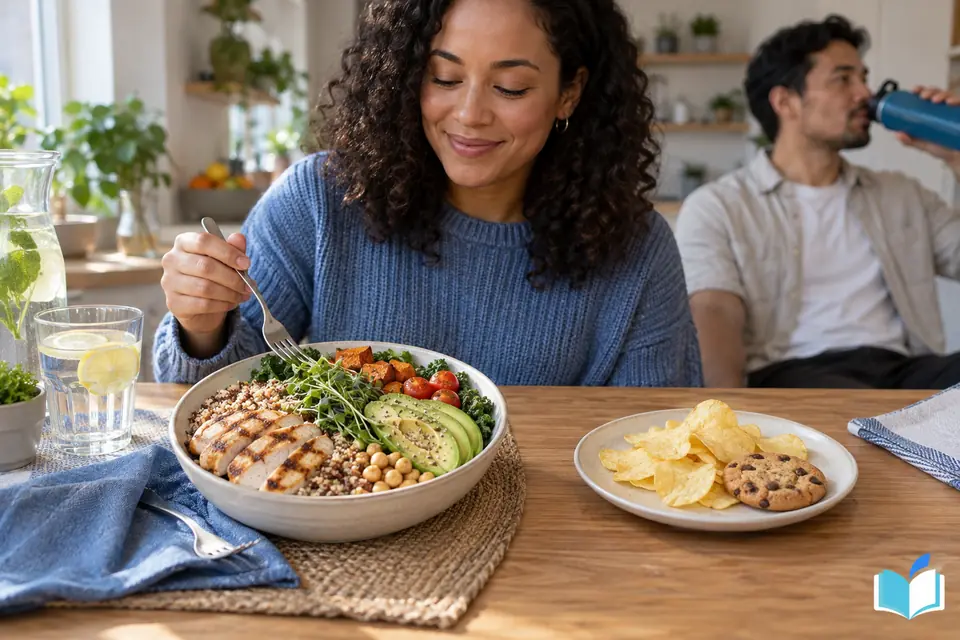
Antioxidant foods fit inside a wider pattern. They join fibre, vitamins, and minerals. Together they build a strong plate.
No single pill carries your whole diet. Balance across many foods matters most. Colour and flavour act as helpful signals. Variety remains the guiding rule.
Pair produce with whole grains and protein. This mix keeps your meals rounded. A simple plate does the heavy lifting. Good habits compound quietly across the weeks. Slow and steady wins the race.
Frequently asked questions
Are antioxidant foods better than supplements?
For most people, whole foods win clearly. They bring fibre and a natural balance.
Do antioxidant supplements work?
Results are mixed and often weak. Whole food diets show steadier benefits.
Can antioxidant pills be harmful?
Very high doses can upset your balance. Some trials even hinted at harm.
Why are whole foods better?
They carry fibre, vitamins, and many compounds. Pills isolate just one part.
Do I need an antioxidant supplement?
Most healthy adults do not. A varied, colourful diet covers your needs.
Which foods are richest in antioxidants?
Berries, greens, and spices lead. Tea, cocoa, and colourful produce rank high.
Are food antioxidants safer than pills?
Food delivers gentle, natural amounts. That built in limit keeps things safe.
When should someone take a supplement?
Only with a clear, checked reason. A professional should guide that choice.
Do supplements replace fruit and vegetables?
No, they cannot copy whole produce. Fibre and flavour go missing.
How do I get antioxidants cheaply?
Choose frozen berries and seasonal produce. Cabbage and carrots cost very little.
The bottom line
So are antioxidant-rich foods better than supplements? For most people, the answer is yes. Whole foods bring a full, balanced package. A colourful plate is the simplest way in.
Pills isolate one compound in high doses. Those doses can sometimes backfire. Reach for real produce before any capsule. Small habits truly add up over time.
For more background, read this overview of antioxidants. You can also learn how a dietary supplement is defined. Use trusted sources to guide your plate.
This is not medical advice. See a professional for your personal needs. Add one new colour today. Then build slowly from there. Your plate will thank you.