
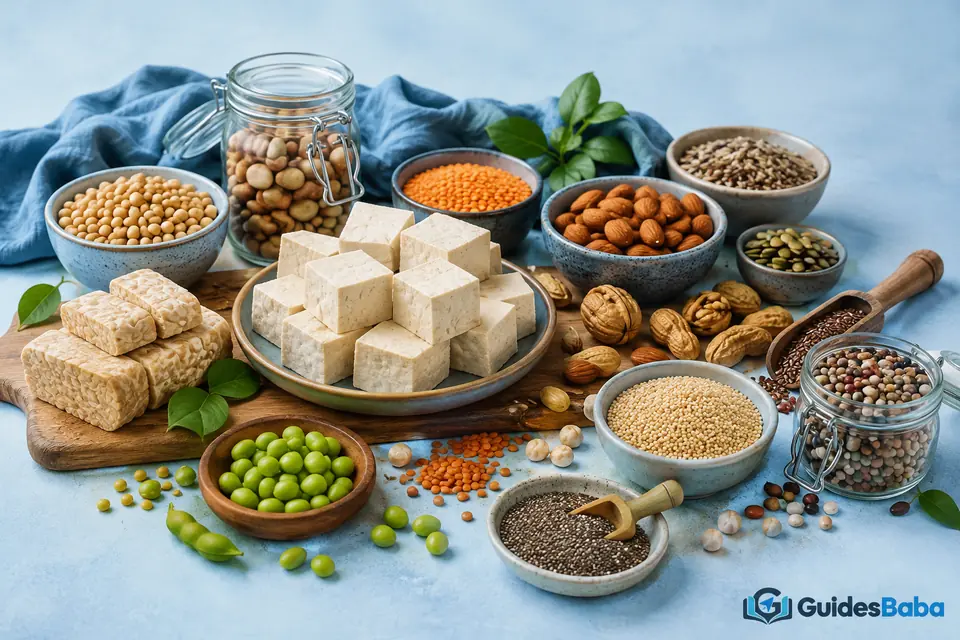
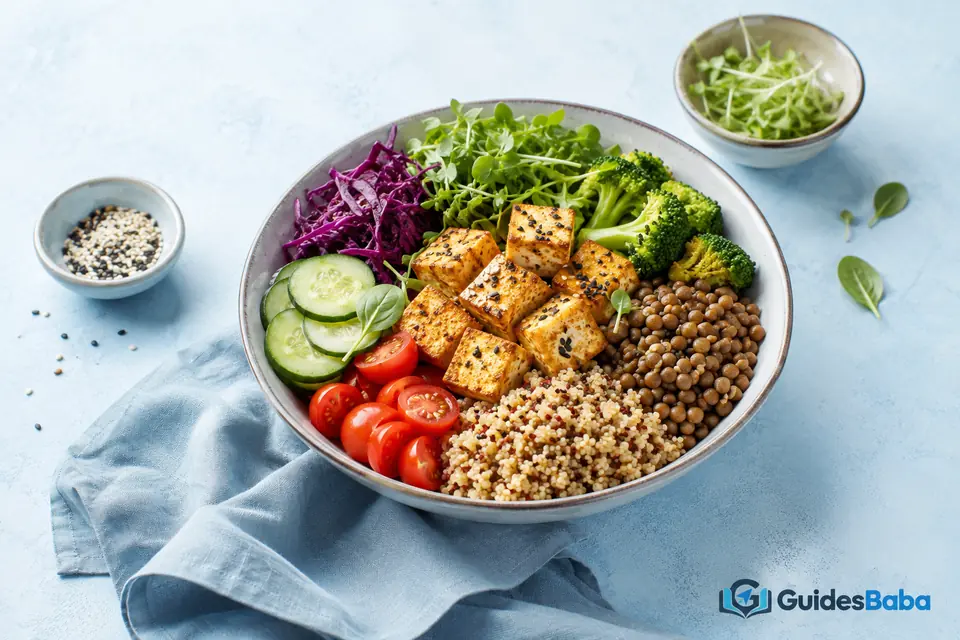
You want more protein without leaning on meat. Which plant foods actually deliver the goods? So what are the best plant-based protein foods? The choices are wider than you might think.
Rather than chasing one magic food, mix several. Plants offer protein across many food groups. Beans, soy, nuts, and grains all help. Together they cover your daily needs. A varied basket does the job.
Here is the honest answer. The best plant proteins are beans, lentils, and soy foods. Nuts, seeds, and whole grains add plenty more. Green vegetables and seitan contribute too. Eaten across the day, they add up fast. Variety is the real secret here.
This guide covers the top plant protein foods. You will learn how to use each one. We compare whole and processed plant protein. This is not medical advice. See a professional.
So what are the best plant-based protein foods?
The honest answer names a handful of stars. Beans, lentils, and soy lead the field. Nuts, seeds, and grains back them up.
Think of them as a protein toolkit. Each food brings its own strengths along. Together they build complete, satisfying meals. Variety fills every gap with ease.
Do you need every food on the list? Not at all, as a few suffice. Pick the ones you enjoy most. Rotate them through your week. Your needs get met without stress.
Why plant protein deserves a place
Plant protein brings more than just protein. It carries fibre, vitamins, and minerals too. That makes it a smart daily choice.
These foods support muscles and steady energy. They also tend to keep you full. Good naturally high-protein foods pull double duty. You gain protein and fibre together.
Plant sources are often light on saturated fat. Many cost far less than meat. They store well and cook easily. Variety keeps meals interesting. Plants earn their place on your plate.
Did you know?
Soybeans and quinoa carry a full set of amino acids. That makes them complete proteins on their own.
Beans and lentils lead the way
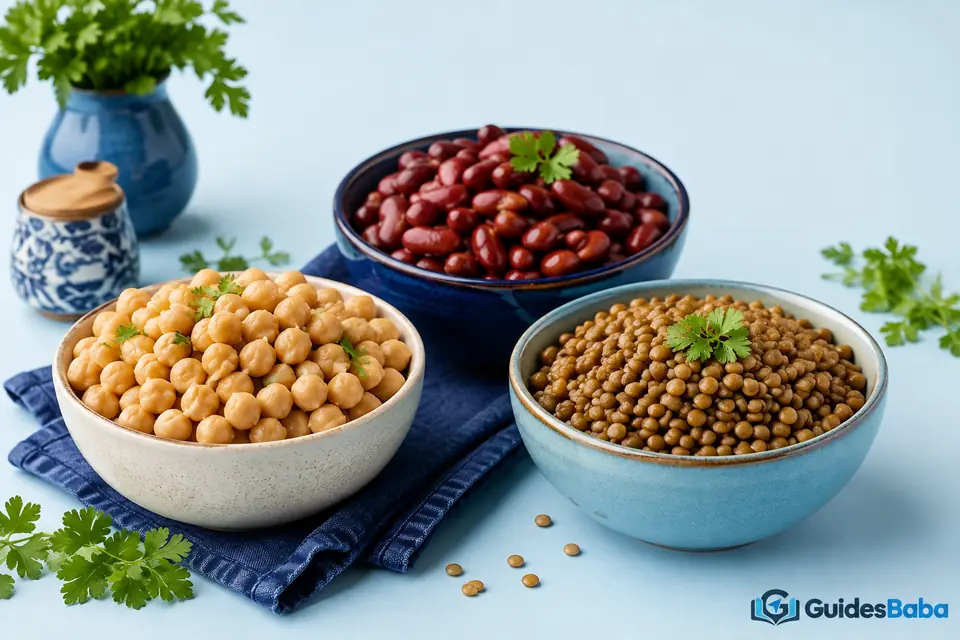
Beans and lentils top the protein list. They pack protein, fibre, and minerals together. They also cost very little.
Add lentils to soups, curries, and salads. Black beans suit tacos and bowls. Chickpeas make hummus or roast up crisp. These staples fit almost any meal. Keep a few kinds stocked always.
Their fibre helps you feel full longer. That supports steady energy through the day. Rotate different types for variety. Canned versions save busy weeknights. Legumes make protein simple and cheap.
Soy foods and their strength
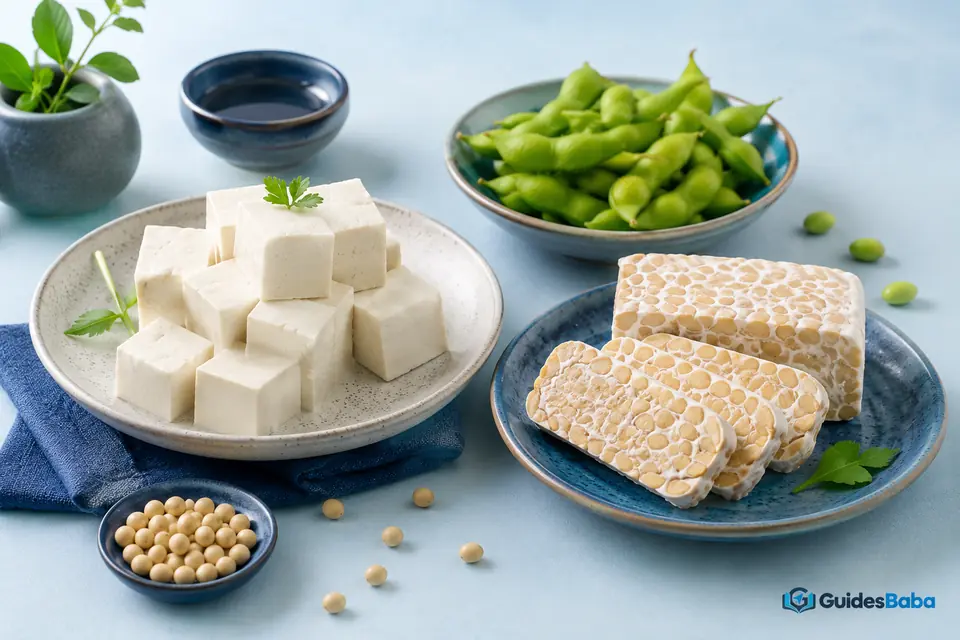
Soy stands out among plant proteins. It offers a full amino acid profile. That makes it a vegetarian favourite.
Tofu soaks up any flavour you add. Tempeh brings a firm, nutty bite. Edamame works as a snack or side. Soy milk lifts smoothies and cereal. These foods stretch across many meals.
Enjoy soy in simple, everyday ways. Stir tofu into a quick stir-fry. Toss edamame into salads and bowls. A little soy goes a long way.
Nuts for protein and healthy fats
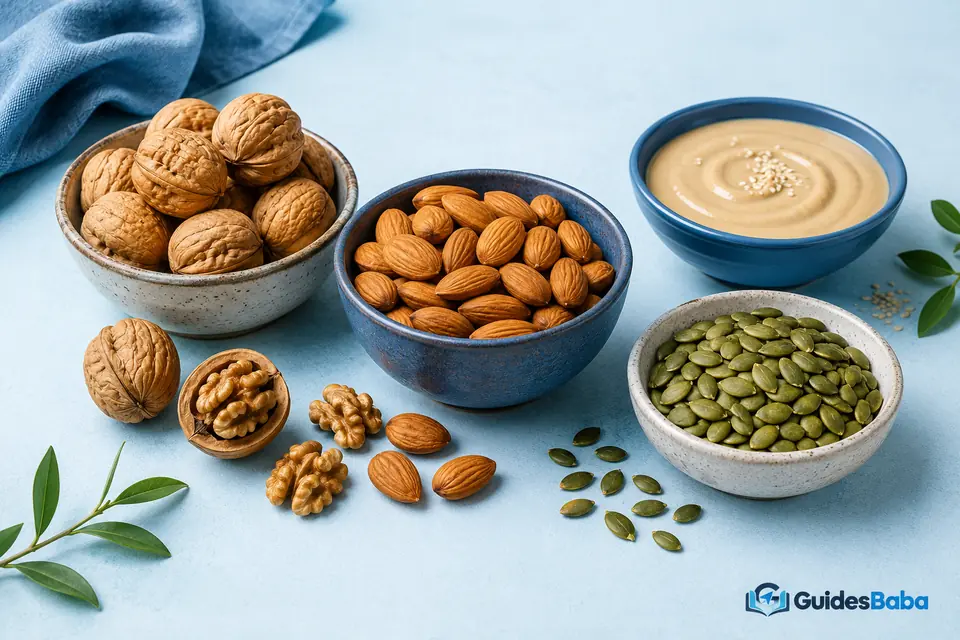
Nuts add protein alongside healthy fats. They also bring crunch and flavour. A small handful makes a fine snack.
Almonds, peanuts, and cashews all help. Nut butters spread protein onto toast. Add chopped nuts to porridge or salads. These foods pack a lot into little. Keep portions modest but regular.
Their fats support your brain and heart. Choose unsalted versions where you can. Stir nut butter into sauces too. Small additions build up across meals. Nuts are an easy protein win.
Seeds that pack a punch
Seeds are tiny protein powerhouses. They also carry fibre and healthy fats. A spoonful lifts almost any dish.
Pumpkin, sunflower, and hemp seeds shine here. Chia and flax boost smoothies and porridge. Sprinkle them over salads and soups. These seeds add protein without fuss.
Ground flax also supplies omega-3 fats. Store seeds cool to keep them fresh. Rotate a few kinds each week. Small servings suit them best. Seeds quietly boost your protein.
Whole grains with quiet protein
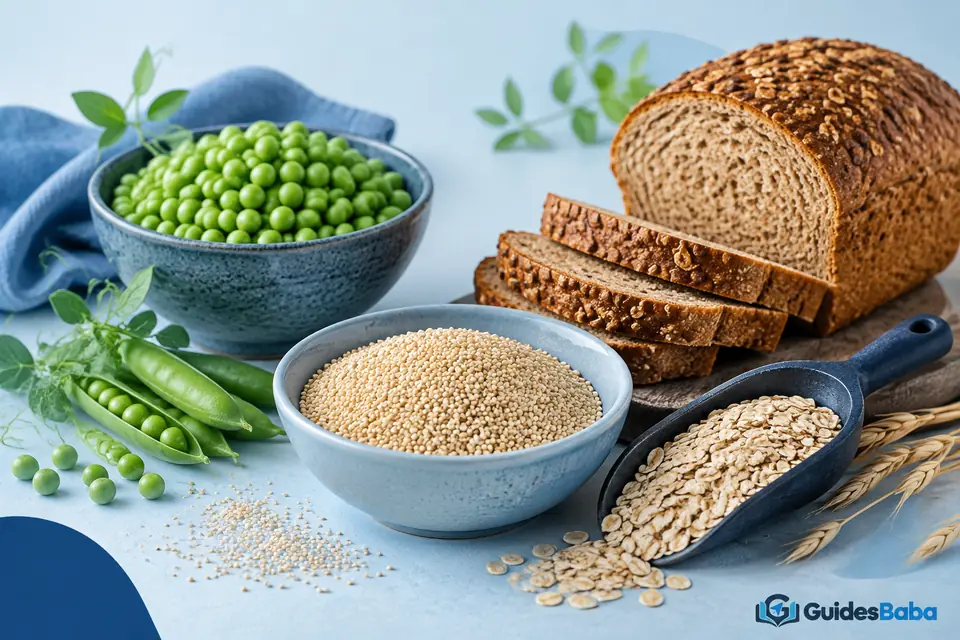
Whole grains carry more protein than many expect. They also bring fibre and steady energy. They form a solid meal base.
Quinoa offers a complete protein profile. Oats, barley, and brown rice add more. Whole wheat bread chips in too. These grains fuel your day evenly. Protein hides in plain sight here.
Pair grains with beans for a fuller profile. Rice and lentils make a classic team. Build bowls around a whole grain. Variety keeps this base interesting. Grains quietly support your protein.

Green vegetables that add protein
Some vegetables add a protein bonus. They will not match beans, of course. Still, they help your daily total.
Peas, broccoli, and spinach lead here. Asparagus and Brussels sprouts chip in too. They also bring fibre and vitamins along. Add them generously to any plate.
Treat these as helpful team players. They lift the protein in mixed meals. Pair them with beans or grains. Vegetables quietly support your goal.
Seitan and wheat protein
Seitan is a chewy wheat protein food. It carries a high protein content. Many people use it like meat.
It suits stir-fries, stews, and sandwiches. Its texture pleases many former meat eaters. Season it well for the best flavour. Seitan makes a filling protein choice. Use it as a hearty base.
People with gluten issues should avoid it. Choose beans or soy instead then. Seitan is not a complete protein alone. Pair it with beans for balance. Variety solves that easily.
Plant milks and yoghurts
Plant milks and yoghurts can add protein. Soy versions lead on protein content. They fit breakfast and snacks nicely.
Pour soy milk over cereal or oats. Blend it into a quick smoothie. Soy yoghurt tops fruit and granola. Choose unsweetened, fortified versions where possible. These foods add gentle protein.
Not all plant milks are equal, though. Almond and rice versions carry less. Check the label for protein content. Soy usually offers the most.
Whole-food versus processed plant protein
People often ask which type to choose. The clear comparison is whole versus processed plant protein. Each has a place in your diet.
| Whole-food plant protein | Processed plant protein |
|---|---|
| Beans, lentils, nuts, seeds | Veggie burgers and mock meats |
| High in fibre | Often lower in fibre |
| Little added salt | Can be high in salt |
| Cheap everyday staples | Handy for quick meals |
Whole foods suit most of your meals. Processed options help on busy days. Both can fit a balanced diet. Lean on whole foods most often.
Building complete protein from plants
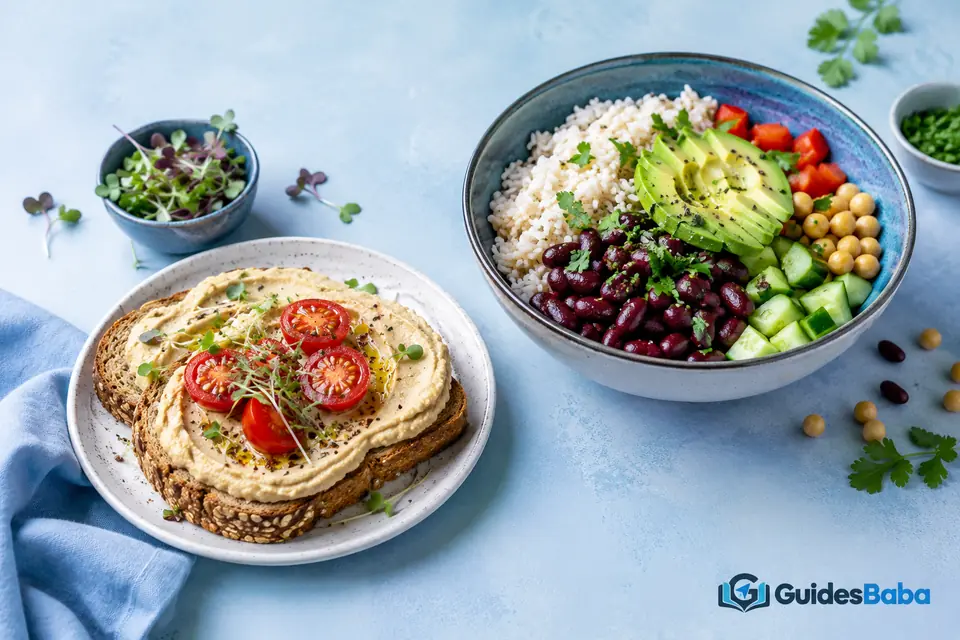
You may worry about complete protein. The idea sounds harder than it is. Variety across the day handles it.
Beans and grains complement each other well. Rice with lentils is a classic pair. Learn the complete and incomplete protein basics. Together they cover the full set.
You need not combine them in one meal. Eating varied foods across the day works. Your body pools the pieces it needs. Relax and enjoy a mixed diet. Balance happens naturally over time.
Protein-rich plant snacks
Snacks can boost your plant protein too. The right ones bridge gaps between meals. They also steady your energy nicely.
Try roasted chickpeas, edamame, or trail mix. Hummus with vegetable sticks works well. A handful of nuts makes a quick bite. These snacks add protein without fuss. Small servings really do count.
Keep a few options ready at home. Prepared snacks prevent hungry slip-ups. Whole foods beat sugary packets here. A protein snack tides you over. Simple choices support your day.
Cooking to boost plant protein
How you cook can lift plant protein. A few habits stretch every food. They also improve taste and texture.
Soaking and sprouting can aid digestion. Roasting chickpeas adds crunch and flavour. Blending beans thickens soups with protein. Learn to get enough protein without meat through simple cooking. Small techniques make a big difference.
Season plant proteins boldly for flavour. Herbs, spices, and sauces help a lot. Good cooking makes plants craveable. Enjoyment keeps the habit going. Taste and protein go together.
Plant protein on a budget
Plant protein is often very affordable. Dried beans and lentils cost little. They stretch across many meals.
Buy staples in bulk to save more. Cook large batches and freeze portions. Seasonal vegetables keep costs down further. Explore plant-based protein sources that fit your budget. Cheap does not mean boring.
Simple pantry staples build filling meals. A pot of dal feeds many people. Add rice and vegetables for balance. Budget cooking can taste great. Plants make thrifty eating easy.
Common mistakes with plant protein
One common mistake is relying on one food. Eating only beans grows dull fast. Variety keeps meals and nutrients balanced.
Another mistake is leaning on processed options. Mock meats suit busy days only. Build your base on whole foods. A little planning fixes this. Habits beat willpower here.
Some people forget to season plant protein. Bland meals rarely become habits. Bold flavours keep you coming back. Cook with care and confidence. Taste sustains good eating.
Who might need tailored guidance
General advice suits most healthy adults well. Still, some people need personal care. Certain stages change the picture.
Pregnant women, children, and athletes differ greatly. Their protein needs can rise noticeably. A professional understands your full situation. Personal advice beats general rules here.
This is not medical advice. See a professional for your own needs. Use these ideas as a friendly guide. A short chat can prevent problems.
Building a plant protein routine
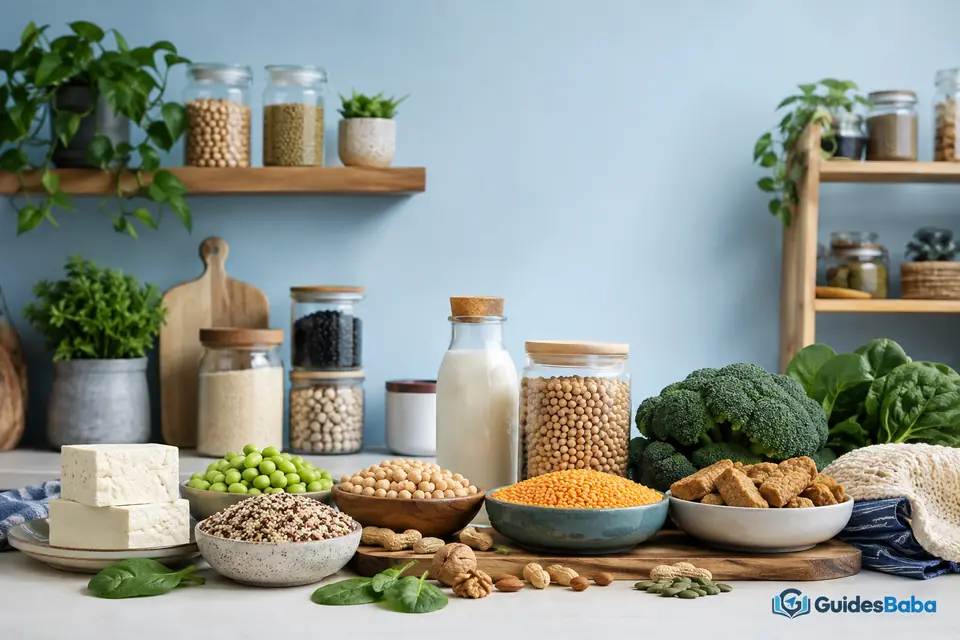
A steady routine keeps protein simple. Pick a few foods you truly enjoy. Repeat them across your week.
Add a plant protein to every meal. Keep beans, soy, and seeds handy. Snack on nuts or roasted chickpeas. A simple habit removes the worry. Consistency builds real confidence.
Above all, listen to your own body. It signals hunger, fullness, and energy. These cues guide your best choices. Trust them over any strict rule.
Frequently asked questions
What are the best plant-based protein foods?
Beans, lentils, and soy foods lead the list. Nuts, seeds, and whole grains help too.
Which plant food has the most protein?
Soy foods and lentils rank very high. Seitan also carries a strong protein content.
Are plant proteins complete?
Soy and quinoa are complete on their own. Mixing other plants covers the full set.
Can I build muscle on plant protein?
Yes, varied plant protein supports muscle growth. Many strong athletes eat only plants.
Are nuts a good protein source?
Yes, nuts add protein and healthy fats. Keep servings to a small handful.
Is soy safe to eat often?
Soy is a well-studied, nutritious food. Enjoy it as part of a varied diet.
Do I need protein powder?
Most people do not need powder. Whole plant foods usually cover your needs.
What is a quick plant protein snack?
Roasted chickpeas, edamame, or nuts work well. Hummus with vegetables is another easy option.
Are veggie burgers healthy?
They suit busy days in moderation. Whole foods should form your base.
Is plant protein cheaper than meat?
Often yes, beans and lentils cost little. They stretch across many affordable meals.
The bottom line
So what are the best plant-based protein foods? Beans, lentils, and soy foods lead the way. Nuts, seeds, and whole grains add plenty more. Green vegetables and seitan round things out. Variety across the day covers your needs.
Do not rely on a single food. Lean on whole foods most of the time. Keep processed options for busy days. Season your meals well for enjoyment.
For more background, read this overview of legumes as protein foods. You can also explore how tofu is made from soy. Use trusted sources to guide your habits.
This is not medical advice. See a professional for your personal needs. Fill your plate in a way that feels good. Then enjoy delicious plant-based protein every day.