

Picture yourself at a famous overlook with your camera ready. When is the best time to take travel photos anyway? The early bird really does catch the worm.
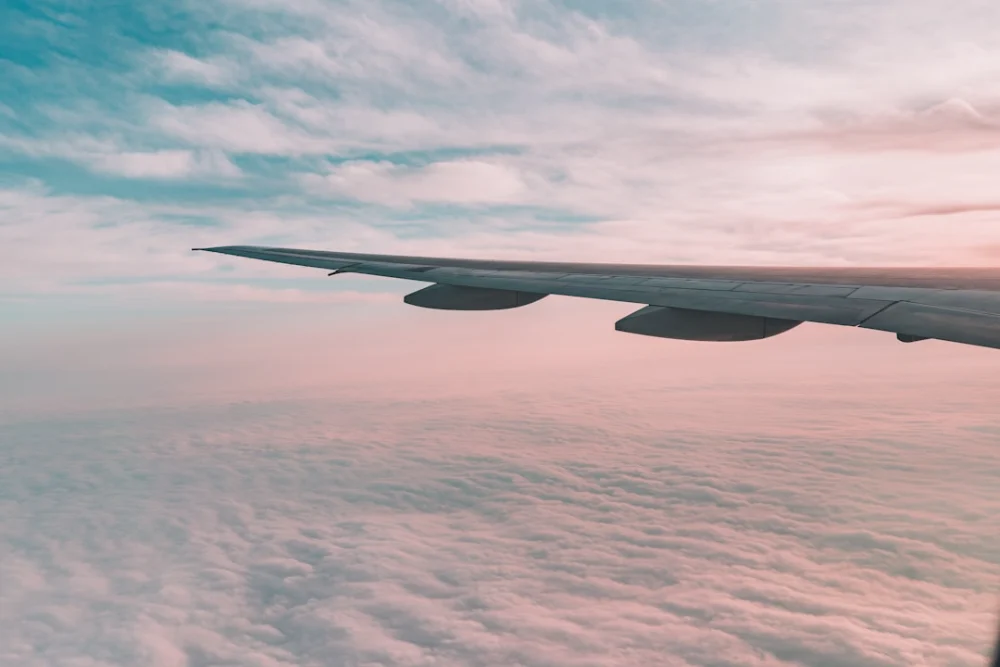
Rather than snapping at random, smart travelers chase good light. They plan around the sun. That habit changes every single photo.
Here is the honest answer. The best light comes early and late in the day. Golden hour flatters almost everything. Blue hour adds calm, moody color. Midday can still work with care. Timing beats fancy gear every time.
This guide covers light, timing, and seasons. We’ll cover golden hour, blue hour, and weather. You’ll learn to plan shots around your day. Let’s help you catch better photos.
So, when is the best time to take travel photos?
The best time is usually golden hour. That soft window sits near sunrise and sunset. Light turns warm and gentle then. Your photos glow without any effort.
Think of light as free makeup for the world. Would you shoot a portrait under a harsh bulb? Of course not. Soft light does the same favor outdoors.
Early and late light is your safest bet. Midday sun sits high and harsh. Shadows grow short and strong then. Plan around the edges of the day. The reward is worth the early alarm.
Why timing matters for travel photos
Light shapes every single image. The same scene looks different by the hour. Timing controls mood and color. It matters more than your camera.
Great light hides flaws and adds drama. Flat noon light can look dull. The right hour lifts an ordinary view. Timing is the quiet secret.
You cannot fix bad light in editing easily. Starting with good light saves hours. Plan the when, not just the where. Your future self will thank you. Good timing does half the work.
Did you know?
The same landscape can look completely different by the hour. Light, not location, often makes a photo unforgettable.
What best light really means
Best light is soft and low. It comes when the sun sits near the horizon. Shadows stretch long and gentle. Colors turn warm and rich.
Harsh light is high and direct. It creates hard shadows and blown highlights. Soft light wraps around your subject. That glow is what you want.
Learn to read the sky like a clock. Notice how light shifts through the day. Soon you will feel the best moments. Light becomes your favorite tool.
Golden hour, the photographer’s favorite
Golden hour is pure magic. It falls just after sunrise and before sunset. Light glows warm and soft then. Everything looks a little dreamy.
Skin tones look flattering in this light. Landscapes gain depth and warmth. Long shadows add lovely shape. It is hard to take a bad shot.
The window is short, so arrive early. Scout your spot before the glow starts. Then shoot fast as the light peaks. Golden hour rewards the ready. Missed light rarely comes back that day.
Blue hour and its quiet mood
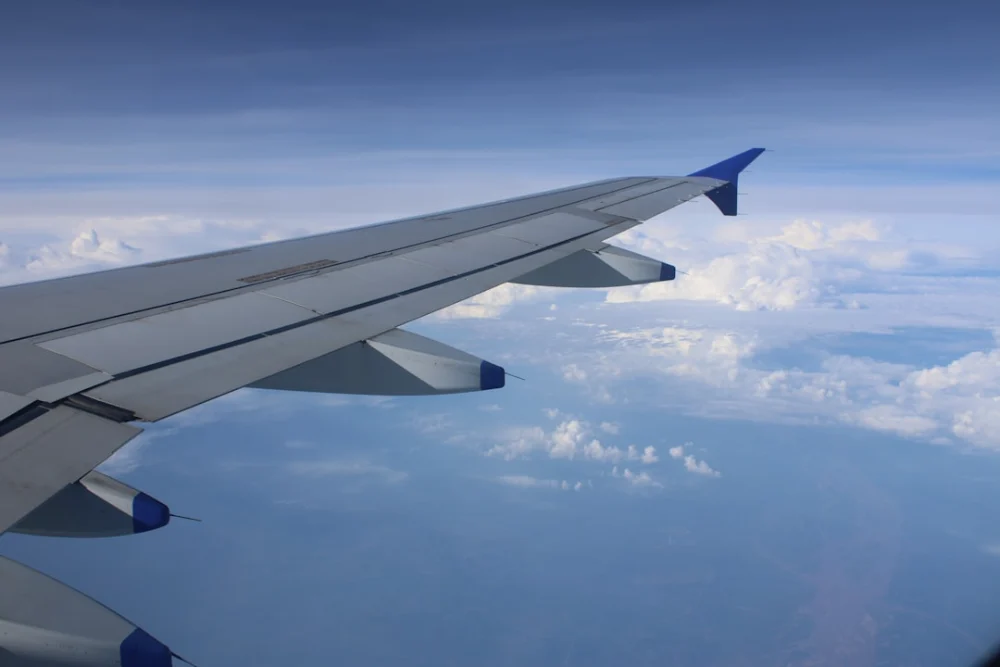
Blue hour comes before dawn and after dusk. The sky turns a deep, calm blue. City lights start to glow. The mood feels peaceful and cool.
This light suits cities and water beautifully. Reflections shimmer under the soft sky. Neon signs pop against the blue. It is a moody, cinematic time.
You will need a steady hand or tripod. Light fades fast during blue hour. Bump your settings to catch it. Patience pays off with stunning frames. The quiet mood is worth the effort.
Shooting at midday without harsh shadows
Midday sun is tricky but usable. Light sits high and shadows turn hard. Faces can look flat or squinty. Still, you have good options.
Find open shade under a tree or awning. Shade softens the harsh light nicely. Overcast days also tame the sun. Clouds act like a giant softbox.
Midday suits interiors, markets, and museums. Save your outdoor scenes for softer hours. Work with the light you have. Every hour has its own use. Smart timing means matching scene to light.

The magic of early mornings
Early mornings are a gift. Light is soft and streets stay empty. You get calm scenes and warm color. The world feels fresh and new.
Famous spots are almost crowd free at dawn. You can shoot clean, peaceful frames. Mist and dew add extra charm. Early risers catch the best shots.
Yes, the early alarm is painful sometimes. The photos make up for lost sleep. Pack your bag the night before. Then just roll out and shoot. Morning light is worth every yawn.
Sunsets and warm evening color
Sunsets bring rich, warm tones. The sky glows gold, pink, and orange. It is a favorite for good reason. Almost any scene looks better then.
Silhouettes shine against a bright sky. Point your camera toward the color. Try both wide shots and close details.
Do not pack up right after the sun drops. The best color often comes after sunset. Blue hour follows close behind. Stay a little longer for magic. Patience turns a good sky great.
Best times to shoot, compared
Different hours suit different scenes. Here is how key times stack up. Pick the light that fits your shot.
| Time of day | Best for |
|---|---|
| Golden hour | Portraits, landscapes, and warm mood |
| Blue hour | Cities, water, and moody scenes |
| Midday | Interiors, markets, and open shade |
| Overcast day | Even light for faces and detail |

Weather that makes photos pop
Weather shapes your light too. Clouds soften the sun like a filter. Storms add drama and mood. Do not fear a gray sky.
Overcast days give soft, even light. They flatter faces and rich colors. Rain leaves shiny, moody streets. Fog adds mystery to any scene.
Clear blue skies look great at golden hour. Harsh noon sun is the real challenge. Watch the forecast before you plan. Then match your shots to the sky. Every kind of weather offers a gift.
Timing photos around the seasons
Seasons change the light greatly. Winter sun stays low and soft all day. Summer light turns harsh at noon. Each season has its own feel.
Autumn brings warm color and gentle light. Spring offers fresh green and soft skies. Snow reflects light in lovely ways. Pick the season that fits your vision.
Golden hour shifts with the calendar too. It comes very early in summer. It arrives later in winter months. Check local sunrise times first. Planning around seasons pays off big.
Reading the light before you shoot
Learn to spot good light fast. Notice its direction, softness, and color. Side light adds shape and depth. Backlight creates a dreamy glow.
Front light is flat but simple and safe. Move around your subject to test angles. Small shifts change the whole mood. Let the light guide your feet.
Squint to judge shadows and contrast. Soft shadows mean gentle, friendly light. Hard shadows warn of harsh sun. Trust your eyes over any rule. Reading light becomes second nature.
Planning shots around your itinerary
Good photos need a little planning. Match your best spots to the best light. Save scenic views for golden hour. A flexible plan helps a lot.
Keep your schedule loose enough to chase light. Learn how to make your itinerary flexible for this. Scenic drives offer great stops too. See the prettiest drive in the US for ideas.
Build your day around light, not just sights. Shoot popular spots early or late. Use midday for travel and meals. Then return for the magic hours. Planning turns snapshots into keepers.
Timing street and people photos
People shots need soft, kind light. Golden hour flatters faces beautifully. Overcast days work well too. Avoid harsh noon sun on skin.
Streets come alive at different hours. Mornings feel calm and quiet. Evenings buzz with energy and light. Match the mood you want to show.
Always be kind and respectful with people. Ask before close portraits when you can. A smile opens many doors. Timing and manners both matter. Good moments reward a patient eye.
Night photography and city lights
Cities shine after dark. Neon, traffic, and windows all glow. Blue hour is the sweet spot. The sky still holds a little color.
You will need a steady base for sharp shots. A tripod or firm ledge works. Long exposures turn traffic into light trails. Low light rewards a calm setup.
Shoot right as the streetlights switch on. The mix of sky and city looks best. Full darkness can feel flat and empty. Catch the glow while it lasts. Timing makes night shots sing.
Avoiding crowds for cleaner shots
Crowds can ruin a great scene. Early mornings are your best friend here. Famous spots sit nearly empty at dawn. You get clean, calm frames.
Late evenings can also thin the crowds. Many tourists head to dinner then. You gain space and softer light.
Weekdays beat weekends at popular places. Off-season travel means fewer people too. Patience often clears a busy frame. Timing beats fighting the crowd.
Gear and settings for changing light
Light changes fast, so stay ready. Learn your camera before the moment. Know how to shift settings quickly. Practice makes those moves smooth.
Low light needs a steady hand or tripod. Bright noon calls for careful exposure. A phone can capture golden hour well. Gear matters less than timing.
Carry a cloth for dust and rain. Keep a spare battery for cold mornings. Charge everything the night before. Ready gear meets ready light.
Common timing mistakes to avoid
The biggest mistake is shooting at noon. Harsh light flattens most scenes then. Plan around softer hours instead. Your photos will thank you.
Another slip is arriving too late. Golden hour ends in minutes, not hours. Show up early and get set. Rushing ruins calm, sharp frames.
Some travelers ignore the weather entirely. A quick forecast check saves the day. Do not chase only clear skies. Clouds and mist can shine too. Flexible timing beats a rigid plan.
Frequently asked questions

When is the best time of day for travel photos?
Golden hour is usually best. That soft window sits near sunrise and sunset.
What is golden hour in photography?
It is the hour after sunrise and before sunset. Light turns warm and soft.
Is midday bad for travel photos?
Midday light is harsh but usable. Try open shade or indoor scenes.
What is blue hour?
It is the dim time before dawn and after dusk. The sky glows deep blue.
How early should I wake up for photos?
Aim to arrive before sunrise. Give yourself time to scout the spot.
Are cloudy days good for travel photos?
Yes, clouds soften the light nicely. They flatter faces and rich colors.
When is the best time to photograph people?
Golden hour and overcast days work best. Both give soft, kind light.
How do I avoid crowds in travel photos?
Shoot at dawn or on weekdays. Off-season trips also mean fewer people.
What season is best for travel photography?
Every season offers something special. Autumn and winter light feels especially soft.
Do I need special gear for low light?
A tripod helps a lot in low light. A steady phone can also work.

The bottom line
So, when is the best time to take travel photos? Golden hour and blue hour win most days. Shoot early and late for soft light. Save midday for shade and interiors.
Plan your route around the best light. Beautiful cities offer endless photo spots. See the best city in Europe to visit for ideas. Nature lovers can explore what to see in Yosemite too.
Want the science? Read about golden hour and blue hour on Wikipedia. A little knowledge sharpens your eye. Good light is always worth the wait.
Wake early, stay late, and watch the sky. Your travel photos will glow with life. The best moments reward a patient shooter.