
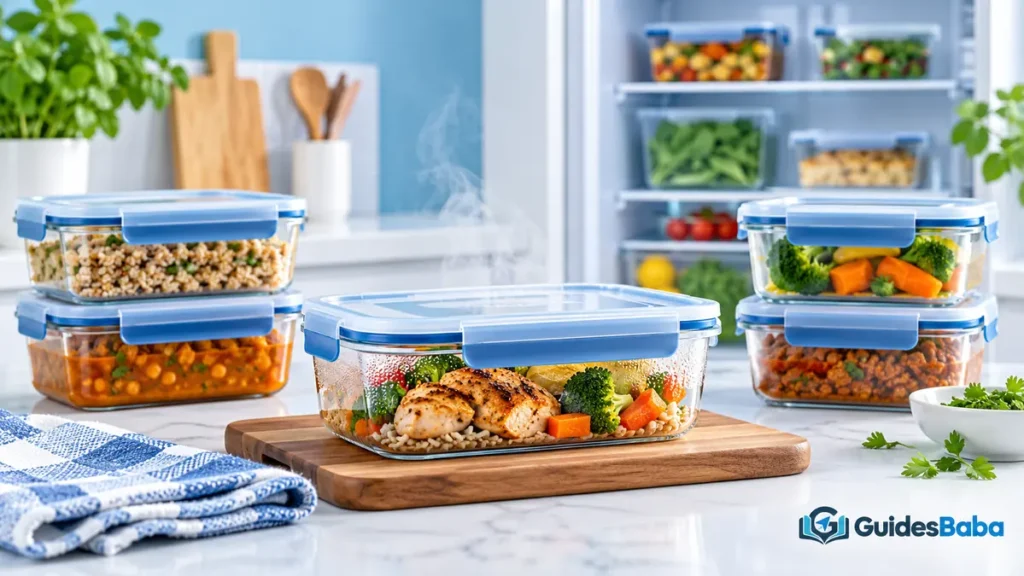
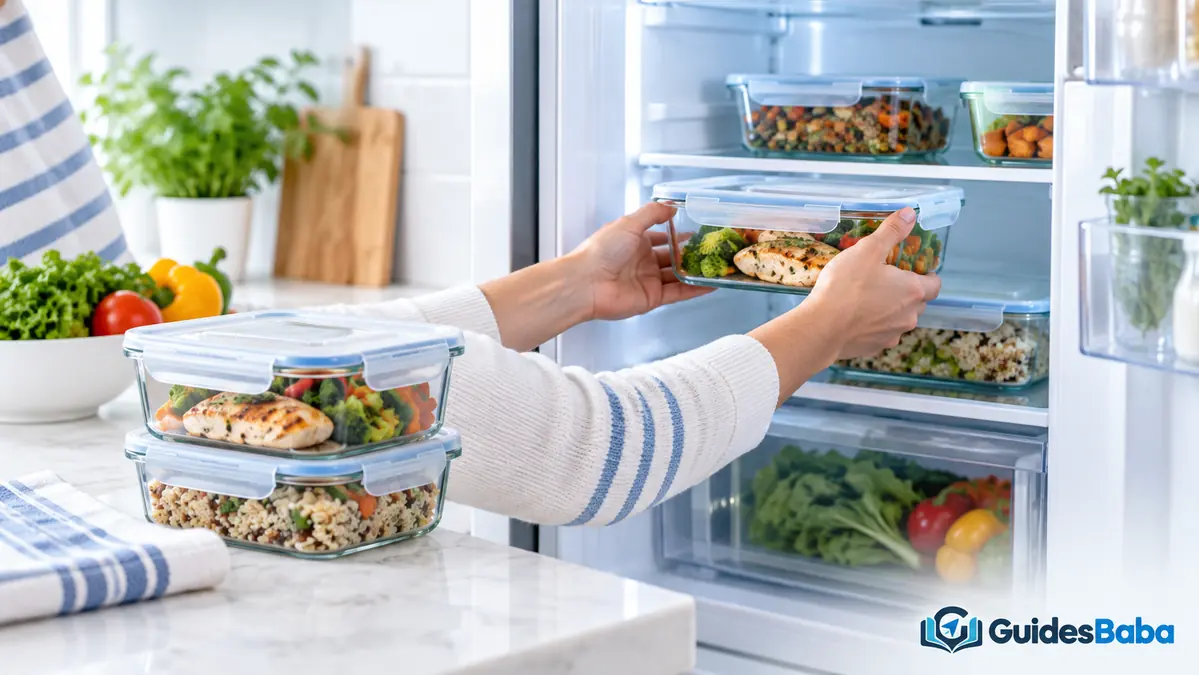
A pot of leftovers can feed you tomorrow. Yet stored badly, it can turn risky. So how should cooked food be stored safely? A few simple steps make all the difference.
Rather than leaving food out to fend for itself, store it with care. Warm food left out invites bacteria. Do not let good food go to waste. A little planning keeps every meal safe.
Here is the honest answer. Cool cooked food quickly and cover it. Refrigerate or freeze it without long delay. Keep it cold until you reheat it. Reheat it until piping hot throughout. Good cooling, chilling, and reheating keep food safe.
This guide covers each storage step clearly. You will learn cooling, chilling, and freezing. We compare fridge and freezer storage. This is not medical advice. See a professional.
So how should cooked food be stored safely?
The short answer follows a simple flow. Cool food fast, then keep it cold. Reheat it fully when you eat.
Think of storage as a relay race. Cooking is only the first leg. Cooling and chilling carry the baton next. Reheating brings it safely home. Each leg needs your attention.
Which step trips people up most? Often it is slow cooling on the counter. Warm food left out grows bacteria. Move it to the cold quickly. Official guidance stresses this point. A big pot cools slower than you think. Break it down to speed things up.
Why safe storage matters so much
Cooking kills many germs, but not all. Some spores survive the heat. Warmth then lets them wake and grow.
Stored food sits for hours or days. Poor storage gives bacteria time to multiply. You may not see or smell them. That hidden growth is the real danger. Good storage removes their opportunity.
Cold slows bacteria to a crawl. Freezing pauses them almost completely. Reheating finishes many of them off. Together these steps guard your health. Storage is quiet but powerful protection.
Did you know?
Bacteria grow fastest in a warm middle range. Quick cooling and cold storage slow them right down.

Cool cooked food quickly first
Speed matters once cooking is done. The faster food cools, the safer it stays. Long, slow cooling invites trouble.
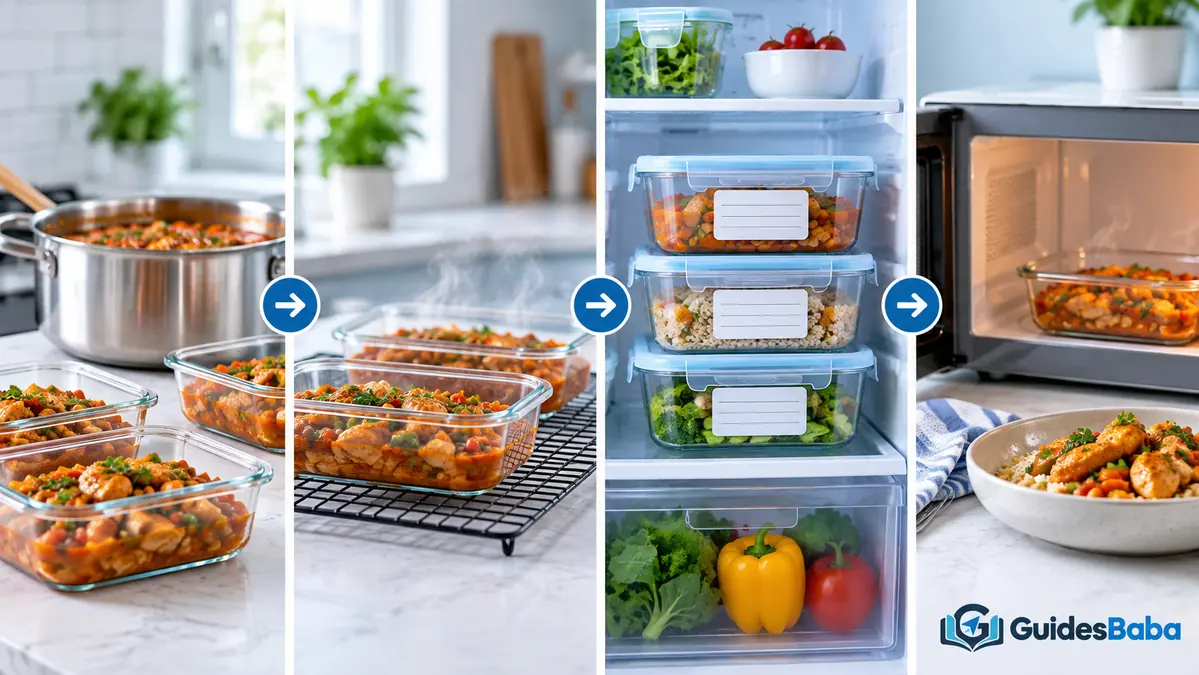
Divide large batches into smaller portions. Shallow containers cool much faster than deep ones. Spread food out to release heat. Avoid leaving a big pot to sit. Small steps speed the whole process.
Do not put steaming food straight in the fridge. Let it cool a short while first. Then chill it before too long. Follow official timing guidance for cooling. A steady routine keeps food safe.
Keeping food out of the danger zone
Bacteria love a warm, moist environment. A middle range of temperatures suits them. Food left there grows germs fast.
The danger zone sits between cold and hot. Cooked food should not linger there. Keep hot food hot until serving. Keep cold food properly chilled. Move quickly through that risky middle.
Time out of the fridge adds up. Two short spells still count together. So return food to the cold promptly. Follow official time and temperature advice.
Choosing the right containers
The right container protects stored food well. It keeps air, moisture, and germs out. It also speeds safe cooling.
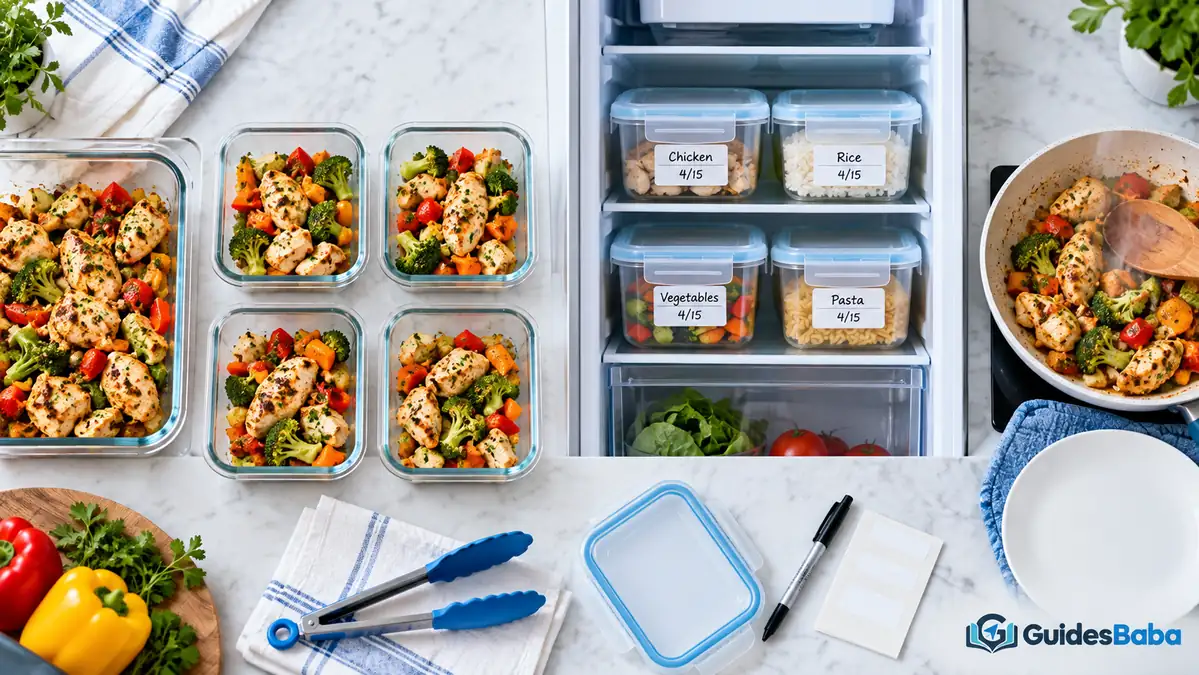
Use clean, airtight containers with tight lids. Shallow shapes cool food more quickly. Choose sizes that suit single portions. Glass and sturdy plastic both work well. Avoid cracked or stained old tubs.
Cover food even inside the fridge. This stops drips and cross-contamination. It also keeps flavours from mixing. Clean containers thoroughly between uses. A tight lid also locks in moisture. That keeps food fresher for longer.
Refrigerating cooked food properly
The fridge is your everyday storage hero. It keeps cooked food safe for days. A cold, tidy fridge works best.
Store cooked food above raw meat. This stops raw juices dripping down. Keep the fridge cold and uncrowded. Air needs room to circulate. Learn which foods should always be refrigerated.
Use refrigerated cooked food within a few days. Check how long leftovers safely stay refrigerated. Do not push your luck with time. When in doubt, throw it out.
Freezing cooked food for later
Freezing extends storage far beyond the fridge. It pauses bacteria almost entirely. Frozen meals wait patiently for you.
Cool food fully before you freeze it. Pack it in freezer-safe containers. Leave a little room for expansion. Label each item with the date. See how long frozen food stays safe.
Freeze in portions you will actually use. This avoids thawing more than needed. Quality slowly dips over many months. So use frozen meals within a sensible window. Flat, thin packs freeze and thaw faster. They also stack neatly in the freezer.
Reheating stored food safely
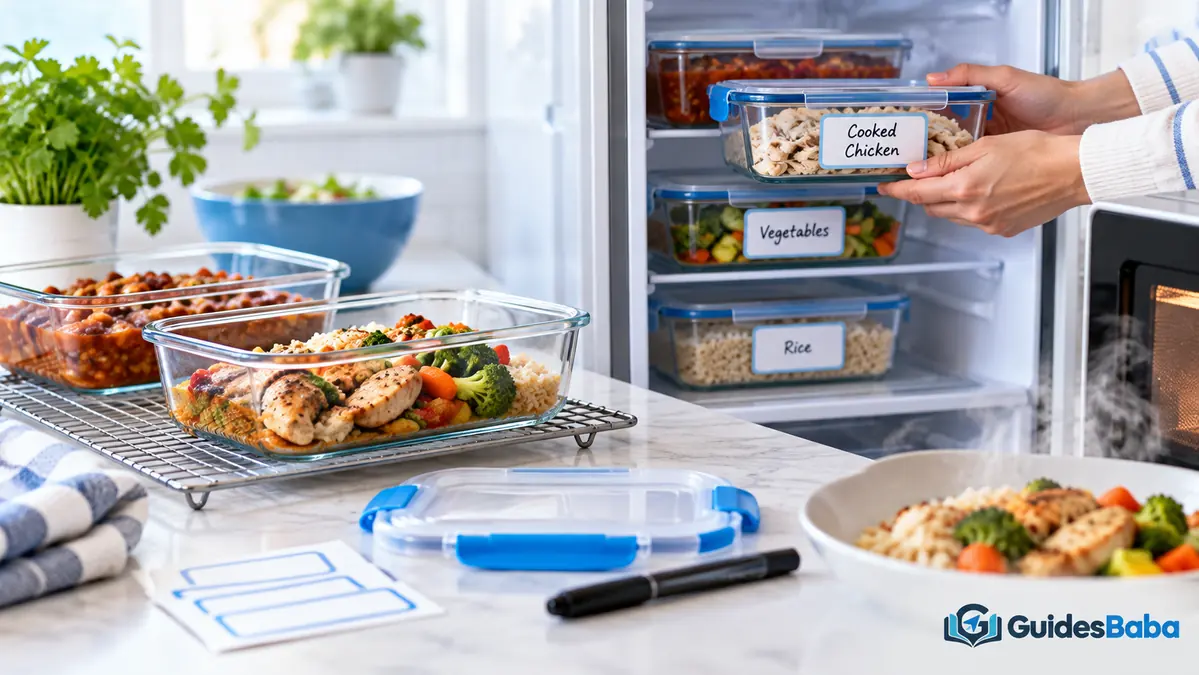
Reheating is the final safety step. It should be thorough, not gentle. Heat destroys many lurking germs.
Reheat food until it is piping hot throughout. Stir it so heat reaches the middle. Do not reheat the same dish repeatedly. Reheat only the portion you will eat. Cold spots can hide living bacteria.
Thaw frozen food safely before reheating. The fridge is the safest place. Cook or reheat it soon after. Follow official reheating guidance closely. Avoid thawing food on a warm worktop. That invites bacteria to grow again.

How long cooked food keeps
Cooked food does not last forever. Even chilled, its safe window is short. Freezing stretches that window much further.
Refrigerated leftovers last only a few days. Use your senses alongside the calendar. Frozen meals last for months, not years. Quality still fades slowly over time. Follow official storage timelines for guidance.
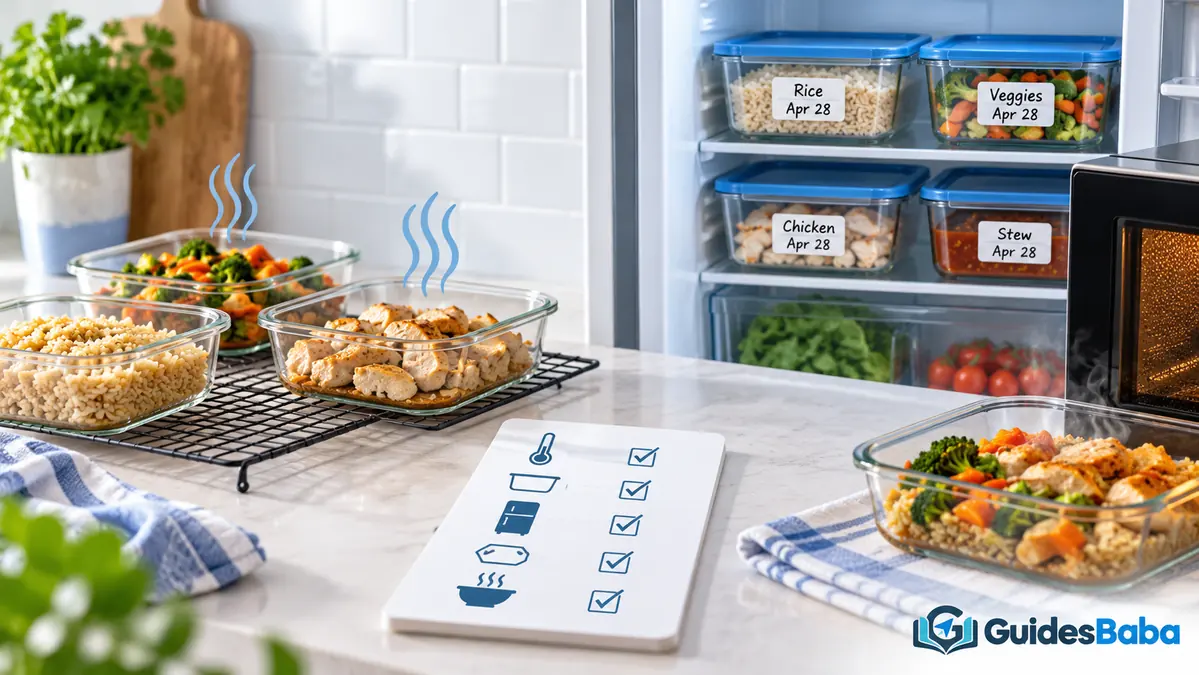
Write the date on every container. This takes the guesswork out of storage. You will know when to use it. Clear labels prevent forgotten, risky leftovers.
Fridge vs freezer for cooked food
People often weigh the fridge against the freezer. Each suits a different plan. The clearest split is short-term versus long-term.
| Fridge storage | Freezer storage |
|---|---|
| Best for the next few days | Best for weeks or months |
| Ready to eat with quick reheating | Needs safe thawing first |
| Keeps texture close to fresh | Texture may change over time |
| Great for tomorrow’s lunch | Great for batch-cooked meals |
Use the fridge for food you will eat soon. Choose the freezer for the long game. Both keep cooked food safe. Your plan decides which one wins.
Labelling and organising your storage
A tidy fridge and freezer save food. You can see what needs eating. Nothing hides until it spoils.
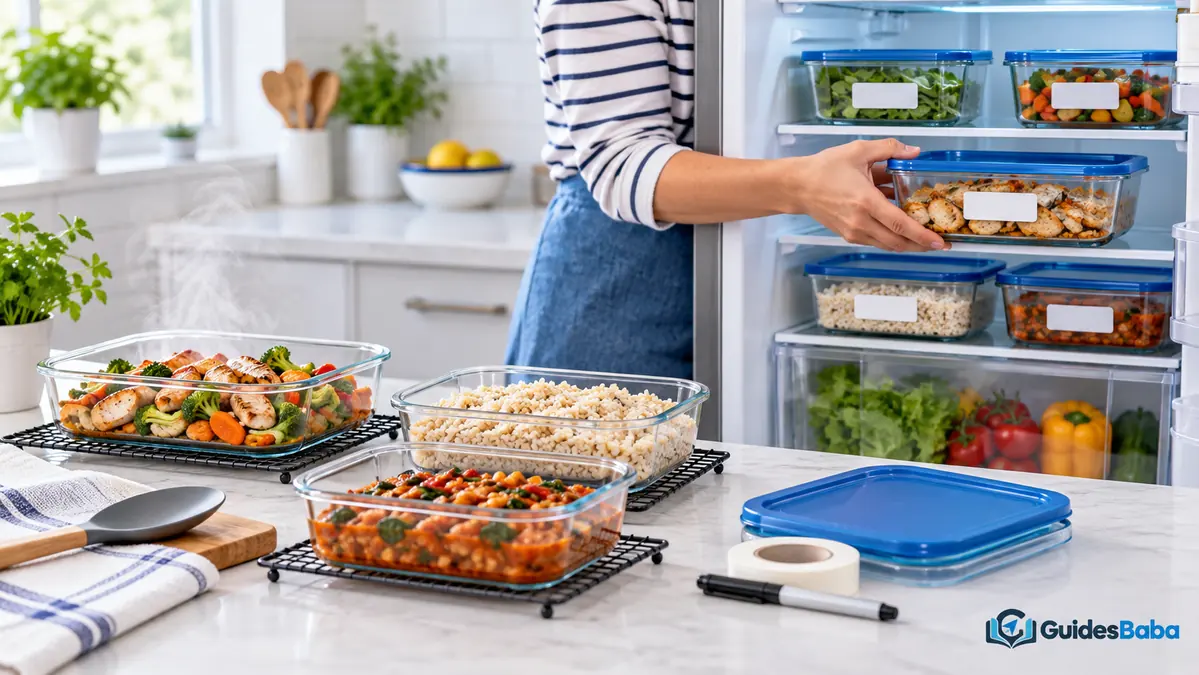
Label containers with the food and date. Keep older items at the front. Group similar foods on one shelf. Rotate stock as you would a shop. This simple order cuts waste.
Avoid overcrowding your fridge shelves. Cold air needs space to move. A packed fridge warms up faster. Give your food room to stay cold. Wipe up spills as soon as they happen. A clean fridge stays a safe fridge.
Batch cooking and meal prep storage
Batch cooking rewards a good storage plan. You cook once and eat many times. Safe storage makes it work.
Cool batches quickly in shallow containers. Portion them for easy grab-and-go meals. Refrigerate a few days of food. Freeze the rest for later weeks. A smart meal prep for the week saves time.
Reheat each portion only once. Never refreeze a fully thawed cooked meal. Keep your routine clean and simple. Good prep makes healthy eating easy.
Transporting and packing food safely
Food on the move needs extra thought. Warmth in a bag helps bacteria. Cool packing keeps meals safe.
Use an insulated bag for cooked food. Add an ice pack to keep it cold. Keep hot and cold foods apart. Eat packed food within a safe window. Do not leave lunch in a warm car.
Reheat transported food until piping hot. Skip it if it sat out too long. When unsure, do not risk it. Safety travels with a little planning. Pack chilled food last, just before leaving. That keeps it cold for longer.
Signs stored food has gone bad
Your senses guard you at the fridge. Spoiled food often shows clear signs. Learn to read them quickly.
Off or sour smells warn you first. Slime, mould, or odd colours matter too. A fizzing or puffy container signals trouble. Strange textures suggest you should stop. Trust these signals over any hope.
Still, some dangers hide from the senses. That is why storage times exist. Combine dates, senses, and caution. When in doubt, throw it out.
Common storage mistakes
One common mistake is cooling food too slowly. A big pot sits out for hours. Bacteria seize that warm window.
Another mistake is overloading the fridge. Warm air cannot escape a packed shelf. Some reheat the same dish repeatedly. Others forget to label leftovers. Small slips add real risk.
People also refreeze thawed food carelessly. This can lower both quality and safety. Store portions you can actually use. Good habits prevent most problems.
Who should take extra care
Safe storage protects everyone at the table. Still, some people need firmer caution. Their risk from germs runs higher.
Pregnant people should follow storage times closely. Young children and older adults too. Weakened immune systems raise the stakes. For them, careful storage really matters. Personal advice always beats general rules.
This is not medical advice. See a professional for your situation. Use these ideas as a friendly guide. A short chat can prevent real harm.
Storage and a balanced diet
Good storage supports good eating too. It keeps cooked meals ready and safe. Healthy food stays worth eating.
Store cooked vegetables, grains, and proteins well. Reheat them for quick, wholesome meals. A balanced diet becomes easier this way. Safe storage cuts waste and saves money. Both your health and wallet benefit.
Treat storage as part of cooking. It protects the effort you put in. A little care keeps meals safe. Then good food is always ready.
Frequently asked questions
How should cooked food be stored safely?
Cool it quickly, then chill or freeze it. Reheat it until piping hot before eating.
How quickly should I cool cooked food?
Cool it as fast as you safely can. Small, shallow portions cool much quicker.
Can I put hot food in the fridge?
Let it cool briefly first, then chill it. Do not leave it out for long.
How long do leftovers last in the fridge?
Usually only a few days when chilled. Follow official storage times and use your senses.
Is it safe to freeze cooked food?
Yes, freezing pauses bacteria and extends storage. Cool it fully before freezing.
Can I reheat food more than once?
No, reheat each portion only once. Repeated reheating raises the risk.
How hot should reheated food be?
Heat it until piping hot throughout. Stir it so the middle heats too.
Should I label stored food?
Yes, label each container with the date. This prevents forgotten, risky leftovers.
Can I refreeze thawed cooked food?
Avoid refreezing fully thawed cooked meals. It can lower quality and safety.
When should I throw stored food out?
Bin anything past its safe window. Also toss food with mould or off smells.
The bottom line
So how should cooked food be stored safely? Cool it quickly and cover it well. Chill or freeze it without delay. Keep it cold until you reheat. Reheat it until piping hot throughout.
These steps form a simple, steady routine. Cool, chill, freeze, and reheat with care. Label everything and trust your senses. Your kitchen stays safe and organised.
For more background, read this overview of food storage methods. You can also explore how refrigeration keeps food safe. Use trusted sources to guide your habits.
This is not medical advice. See a professional for your personal needs. Store your cooked food with steady care. Then enjoy safe, ready meals anytime.