
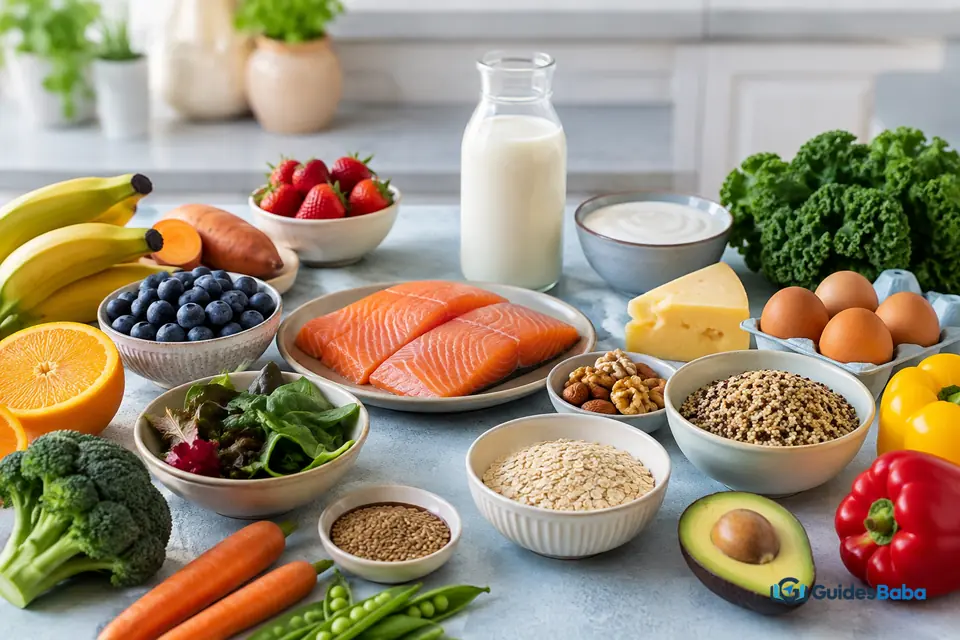
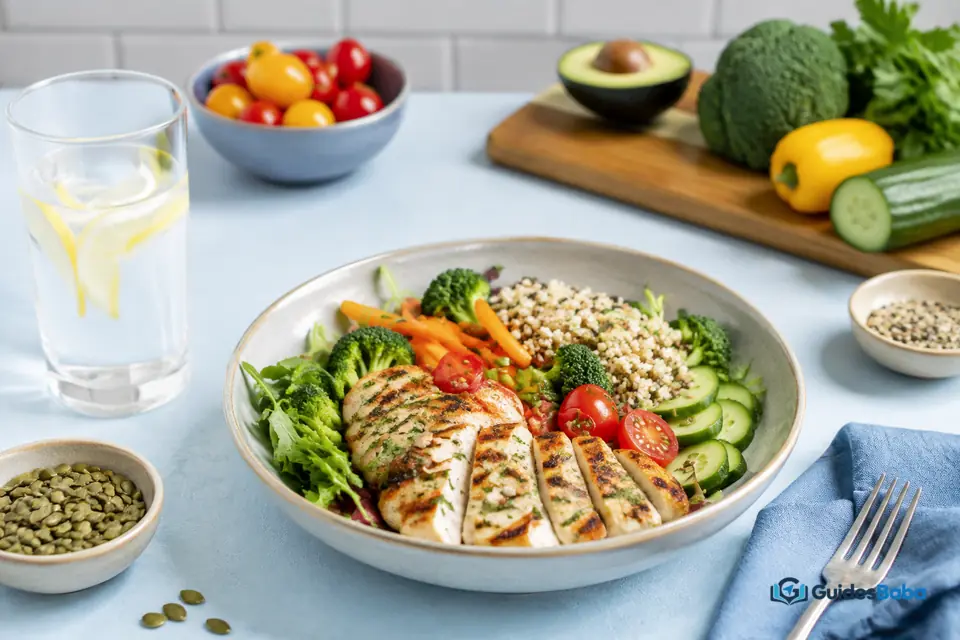
Pregnancy brings a flood of food questions. So what should you eat during pregnancy? Have you heard you are eating for two? The truth is more balanced than that. Good nutrition matters for you both.
Rather than eating twice as much, eat well. Quality matters more than quantity here. A varied, balanced diet supports your baby. Your care team can guide the details.
Here is the honest answer. Eat a varied, balanced diet each day. Include protein, whole grains, and colourful vegetables. Choose iron, calcium, and folate-rich foods. Drink plenty of water throughout. Always follow your own doctor or midwife.
This guide covers general pregnancy nutrition ideas. You will learn about key nutrients and foods. We also cover foods to limit. This is not medical advice. See a professional.
So what should you eat during pregnancy?
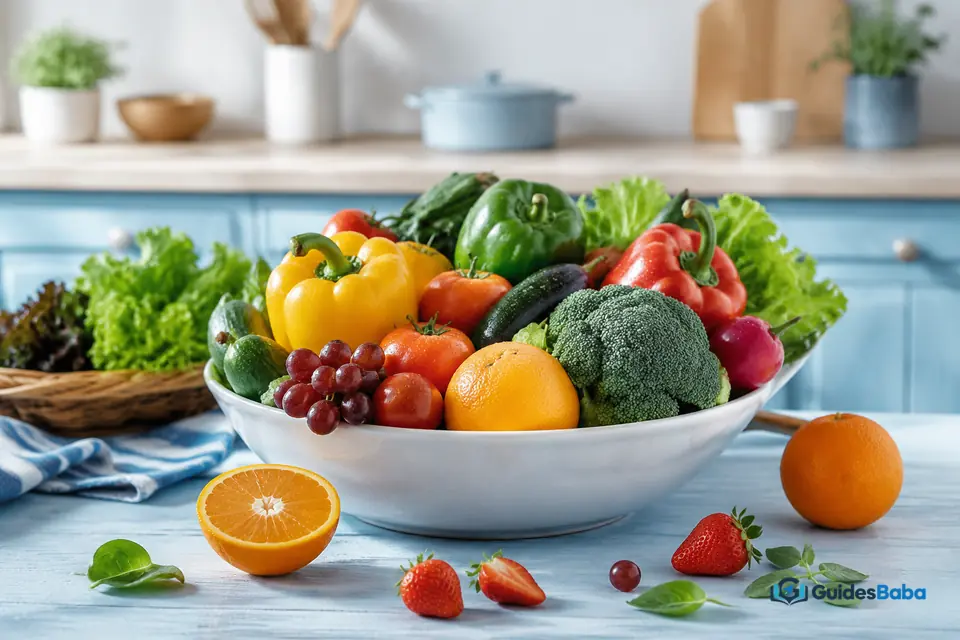
The honest answer is a balanced diet. Variety gives you a wide nutrient range. No single food does it all. A wide mix serves you best.
Think of your plate like a rainbow. Different colours bring different nutrients. Each shade offers something useful. Protein, grains, fruit, and vegetables all count. Dairy or alternatives add calcium. A mixed plate serves you both. Aim for balance at each meal.
Do you need special foods? Not really, just good everyday choices. Focus on whole, fresh ingredients. Your midwife can tailor advice. Personal guidance always comes first. No guide replaces your own team.
Why nutrition matters more now
Your body is doing amazing work. It is growing a whole new person. Good food supports that effort. Nourishment fuels this quiet work.
Your baby draws nutrients from you. A balanced diet helps supply them. It supports growth and development. It also helps keep you well. A healthy diet builds reserves. Both of you benefit together. Steady eating helps you feel stronger.
You do not need to be perfect. Aim for steady, sensible eating. Small good habits add up. Your care team will support you. Progress matters more than perfection.
Did you know?
Folate is vital in early pregnancy development. Doctors often advise a supplement before and after conception.
How much extra to eat
Many expect to eat a lot more. In truth the extra need is modest. Your body becomes more efficient. It adapts to support your baby.
Early on you may need little extra. Needs rise gently later in pregnancy. Focus on nutrient-rich foods. Listen to your hunger cues. Your midwife can advise on this. Extra energy needs stay small.
You should not count for two. Healthy weight gain varies for everyone. Your care team will monitor it. Follow their guidance closely. Trust their judgement over any myth.
Eating a balanced, varied diet
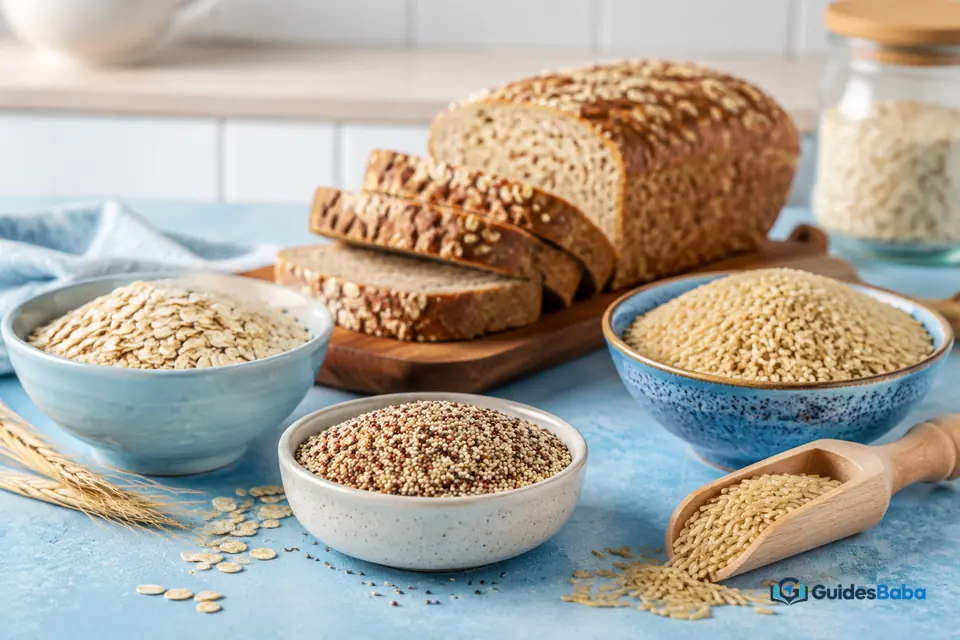
A balanced diet is your foundation. It covers most of your needs. Variety fills in the gaps. Together they cover a lot.
Fill your plate with different food groups. Include fruit, vegetables, and whole grains. Add protein and some dairy. Healthy fats belong there too. Learn about the essential nutrients you need.
You do not need fancy superfoods. Everyday whole foods work well. Aim for colour and variety. Your care team can adjust this. Simple food is often best.
Protein for growth
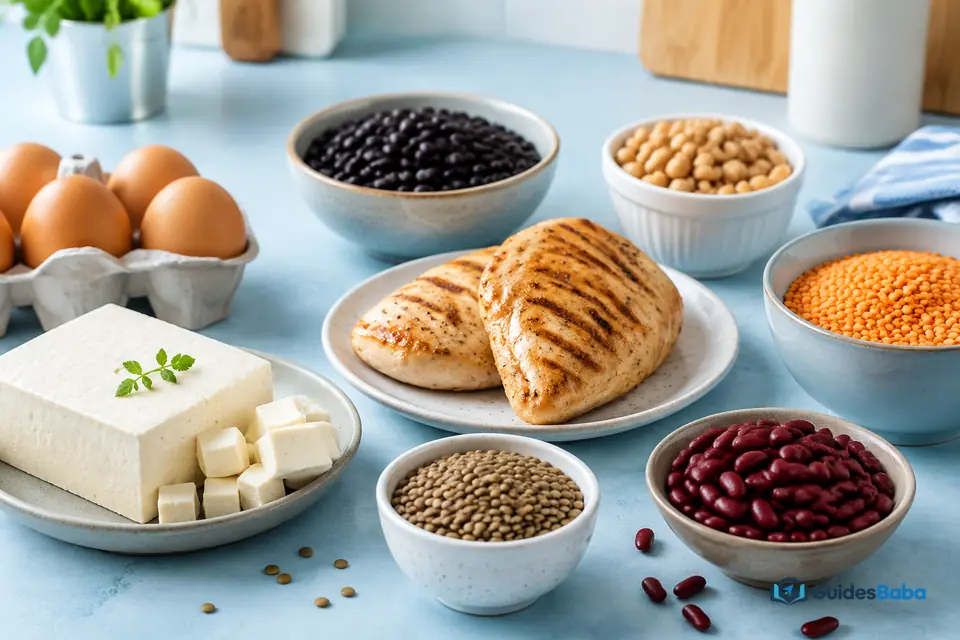
Protein is a building block. Your baby needs it to grow. Your body uses more of it now. It supports tissue and cells.
Good sources are easy to find. Eggs, beans, lentils, and fish help. Lean meat and poultry work well. Dairy and nuts add more. These high-protein foods support growth.
You should spread protein across meals. Include some at each sitting. This keeps supply steady. Cooked, well-prepared options are safest. Your midwife can advise on amounts. Aim for a little regularly.
Iron and healthy blood
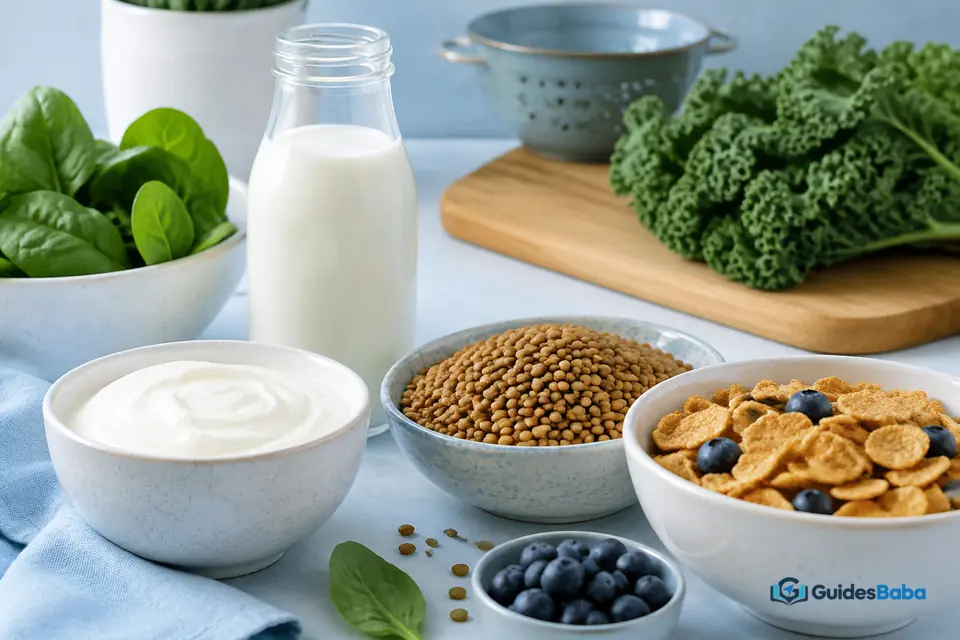
Iron helps carry oxygen in blood. Your needs rise during pregnancy. Low iron can leave you tired. It can also cause weakness.
Many foods supply useful iron. Lean red meat is one source. Beans, lentils, and leafy greens help. Fortified cereals add more. Dried fruit offers a little too. Explore foods highest in iron here.
Vitamin C can help you absorb iron. Pair iron foods with fruit or peppers. Your doctor may check your levels. Follow their advice on any supplements. Never guess doses on your own.

Calcium for strong bones
Calcium builds your baby’s bones. It also protects your own. Your body needs a steady supply. It matters throughout pregnancy.
Dairy foods are classic sources. Milk, yoghurt, and cheese all help. Fortified plant drinks work too. Leafy greens add some calcium. Tinned fish with bones helps too. See foods highest in calcium here.
You can spread calcium through the day. A glass of milk is simple. Cheese suits many snacks. Yoghurt makes an easy snack. Your midwife can guide your intake. Small servings add up nicely.
Folate and early development
Folate is vital very early on. It supports your baby’s development. The early weeks are key. Many start it before conception. Early timing really matters.
Leafy greens are rich in folate. Beans, peas, and oranges help too. Some cereals are fortified with it. Food is a great start. Your doctor often advises a supplement.
You should follow professional advice here. Do not guess at any doses. Your midwife knows your situation. This is not medical advice. Always ask before you start anything.
Other key nutrients
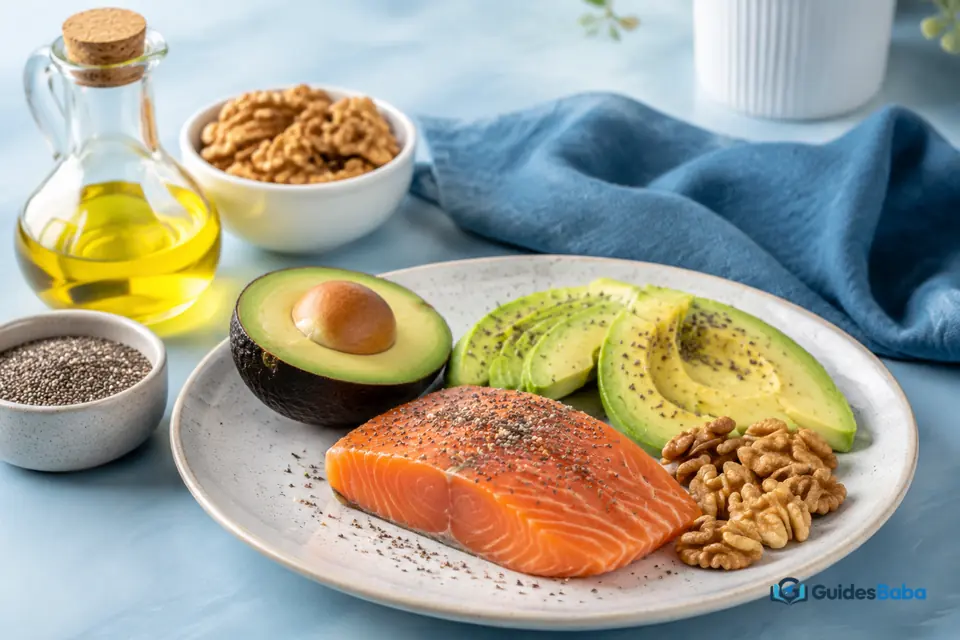
Several other nutrients matter too. A varied diet usually covers them. Each plays a small but helpful role.
Omega-3 fats support development. Vitamin D helps bones and immunity. Iodine and choline matter as well. Whole foods supply many of these. Your care team can advise more. A mixed diet does the heavy lifting.
You should not chase every nutrient alone. A balanced diet does most work. It quietly covers the basics. Supplements fill specific gaps only. Let a professional guide any additions. Food should come first.
Staying well hydrated
Water matters a great deal now. Your body needs more fluid. Hydration supports you and your baby. It helps many body systems.
Plain water is the best choice. Sip it steadily through the day. It helps digestion and energy. It can ease constipation too. Keep a bottle nearby. Regular sips work better than gulps.
You may need to limit caffeine. Your doctor can advise on this. Sugary drinks are best kept low. Water remains your main drink. Herbal options may suit you too.
Foods to limit or avoid
Some foods carry extra risk now. It helps to know them. Your midwife can give a full list. Local advice can vary a little.
Avoid raw or undercooked meat and eggs. Skip certain soft, mould-ripened cheeses. Limit high-mercury fish like some tuna. Alcohol is best avoided completely. Wash fruit and vegetables well. Avoid unpasteurised dairy products too.
You should check advice for your area. Guidance can differ between countries. Your midwife knows the local rules. Always confirm with a professional. Advice can change over time.
Safe eating and food hygiene
Food safety matters more during pregnancy. Your immune response shifts a little. Careful hygiene lowers the risk. Clean habits are worth it.
Wash your hands before cooking. Keep raw and cooked foods apart. Cook meat and eggs thoroughly. Chill fresh food without delay. Store leftovers safely and promptly. Reheat food until piping hot.
You should follow use-by dates closely. Avoid unpasteurised milk and juices. Rinse salads and fruit well. Simple hygiene protects you both. Small care steps go far.
Managing morning sickness
Nausea is common in early pregnancy. It can make eating hard. Small, gentle steps often help.
Try small, frequent meals through the day. Plain foods like crackers can settle you. Ginger helps some people. Eat before hunger grows too strong. Sip water slowly and often. Rest when you feel able. Cold foods sometimes feel easier.
You should not worry about a perfect diet. Eat what you can keep down. Balance returns as sickness eases. Tell your midwife if it is severe. Severe sickness needs real support.
Balanced eating versus strict dieting
People sometimes ask about restricting food. The clear comparison is balanced eating versus strict dieting. One supports you far better.
| Balanced pregnancy eating | Overly strict dieting |
|---|---|
| Wide range of foods | Cuts out food groups |
| Steady, gentle energy | Risk of low energy |
| Covers many nutrients | Can miss key nutrients |
| Guided by your care team | Often done without advice |
Pregnancy is not the time to diet. Focus on nourishing, balanced meals. Let professionals guide any changes. Your baby needs steady nutrients.
Common pregnancy eating mistakes
One mistake is truly eating for two. You need only modest extra energy. Quality beats sheer quantity. Overeating is not the goal.
Another mistake is skipping meals entirely. That can leave you drained. Some people also over-restrict food. Others take random supplements alone. Both can cause problems. Guesswork has no place here.
You should avoid guessing at big changes. Base your choices on real advice. Your midwife can correct myths. Trusted guidance keeps you safe. Reliable sources beat old wives’ tales.
When to seek professional advice
General tips suit many pregnancies well. Still, every pregnancy is unique. Personal advice always matters most. Your needs are truly your own.
See your midwife or doctor regularly. Ask about supplements and food safety. Some conditions need special diets. Diabetes and allergies need extra care. Your team will tailor everything. Regular checks keep you on track.
This is not medical advice. See a professional for your own plan. Use these ideas as general background. Then follow your trusted care team. They know your full history.
Building healthy pregnancy habits
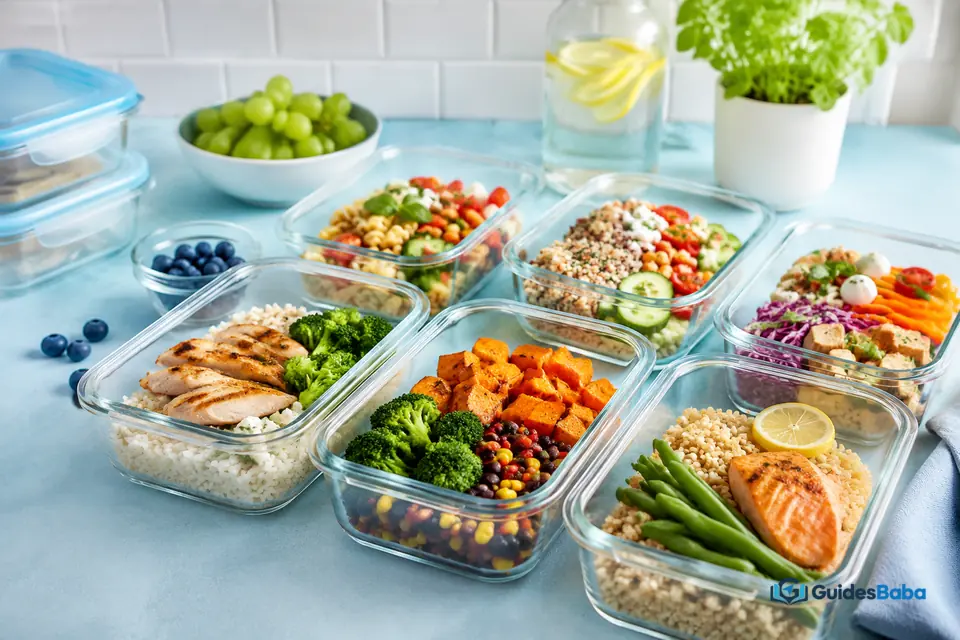
Good habits grow from small steps. Change one thing at a time. Build steadily through your pregnancy. Small shifts feel manageable.
Add one extra vegetable each day. Keep water within easy reach. Plan simple, balanced meals ahead. Cook extra to freeze for later. Prepare safe snacks in advance. Small routines make a difference. Preparation removes daily stress.
Above all, listen to your body. It signals hunger and fullness. Rest and eat when you need to. Lean on your care team. They are there to help you.
Frequently asked questions
What should you eat during pregnancy?
Eat a varied, balanced diet each day. Include protein, iron, calcium, and folate-rich foods.
Do I need to eat for two?
No, the extra energy need is modest. Quality matters more than quantity.
Which nutrients matter most?
Protein, iron, calcium, and folate are key. A varied diet covers most needs.
Should I take supplements?
Ask your doctor or midwife first. They advise what is right for you.
What foods should I avoid?
Avoid raw meat, some soft cheeses, and alcohol. Limit high-mercury fish and caffeine.
How can I get enough iron?
Eat lean meat, beans, lentils, and leafy greens. Pair them with vitamin C foods.
Is folate really important?
Yes, it supports early development strongly. Doctors often advise a supplement.
What helps with morning sickness?
Try small, frequent meals and plain foods. Sip water and rest when needed.
Can I diet during pregnancy?
Pregnancy is not the time to diet. Focus on balanced, nourishing meals instead.
When should I seek advice?
See your midwife or doctor regularly. Ask about any concerns straight away.
The bottom line
So what should you eat during pregnancy? Aim for a varied, balanced diet. Include protein, iron, calcium, and folate. Drink plenty of water each day. Limit or avoid the risky foods.
You do not need to eat for two. Focus on quality, not quantity. Keep food safe and well cooked. Lean on your care team throughout.
For general background, read this overview of nutrition and pregnancy. You can also learn about the role of folate. Use trusted sources alongside professional advice.
This is not medical advice. See a professional for your own care. Every pregnancy is truly different and personal. Then let your trusted team guide you.