
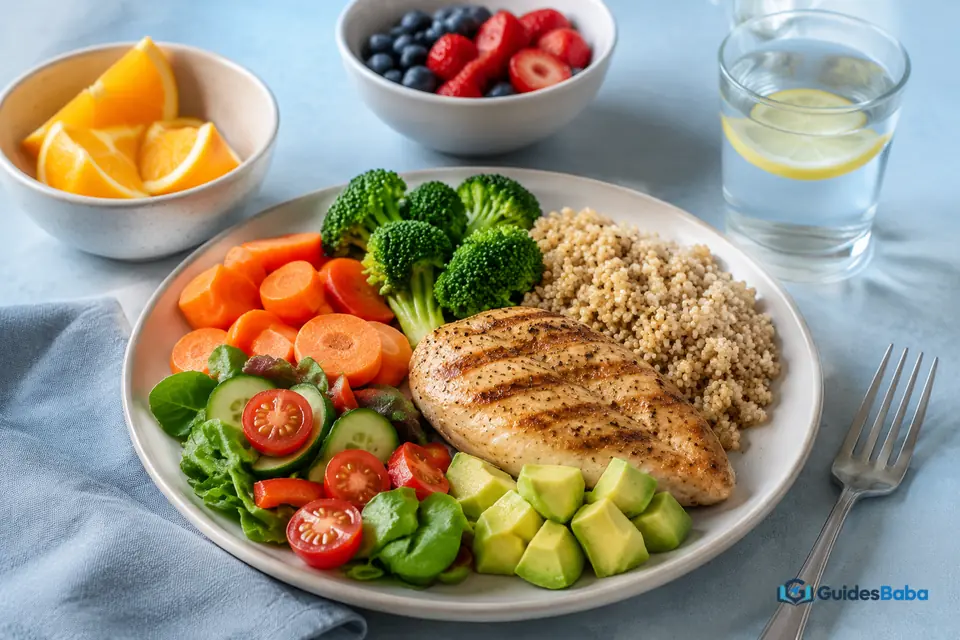

Folic acid comes up early in every pregnancy. So why is folic acid important during pregnancy? Is it really worth all the fuss? The short answer is a clear yes. It plays a big role early on.
Rather than treating it as optional, take it seriously. Timing matters as much as the nutrient itself. Many needs begin before you even know. Your care team can guide the details.
Here is the honest answer. Folic acid supports your baby’s early development. It helps form the neural tube properly. That structure becomes the brain and spine. The first weeks are truly critical. Doctors often advise a supplement around conception.
This guide covers general folic acid ideas. You will learn why timing matters so much. We also cover food sources and safety. This is not medical advice. See a professional.
So why is folic acid important during pregnancy?

The honest answer is early development. Folic acid supports the neural tube. That forms very early in pregnancy. Its role starts before many notice.
Think of folic acid like scaffolding. It helps build a strong foundation. Once the frame sets, growth follows. The neural tube closes in early weeks. That timing is hard to repeat. So early intake really counts. Support the foundation from the start.
Do you need it forever? Not in the same intense way. Early pregnancy is the key window. Your doctor can tailor advice. Personal guidance always comes first. No guide replaces your own team.
What folic acid actually does
Folate is a B vitamin your body needs. Folic acid is the made form. Both support cell growth and division. That work speeds up in pregnancy.
Your baby grows from a few cells. Rapid, healthy division builds every part. Folate helps that process run smoothly. It supports DNA and new tissue. It also helps form healthy blood. These are among the nutrients especially important during pregnancy.
You do not need to track every cell. A steady supply does the work. Food and supplements both help. Your midwife can guide the balance. Simple, steady intake matters most.
Did you know?
The neural tube forms very early in pregnancy. Doctors often advise folic acid before conception even begins.
Why timing matters so much
The neural tube closes in early weeks. This often happens before a test. Many people do not yet know. So early intake becomes vital.
Doctors frequently advise starting before conception. That way stores are ready in time. If a pregnancy is planned, ask early. Even unplanned pregnancies benefit from good habits. Your doctor can advise on timing. Starting sooner is generally better.
You should not panic about the past. Speak to a professional instead. They can review your situation. Follow their guidance closely. Trust their judgement over any myth.
Folate-rich foods to enjoy
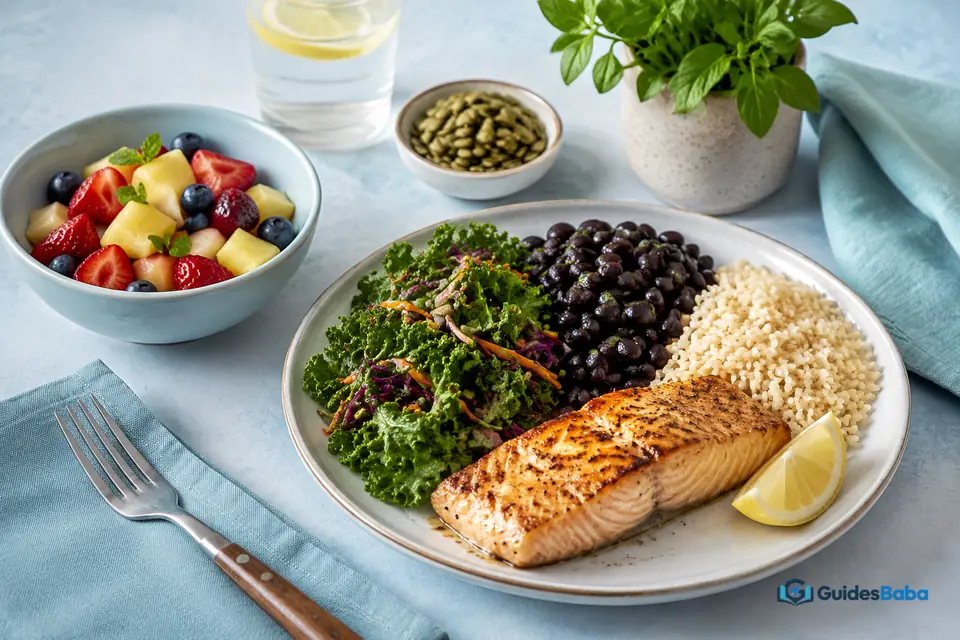
Food is a great starting point. Many everyday foods contain folate. A varied diet supplies a good amount. Colour and variety help a lot.
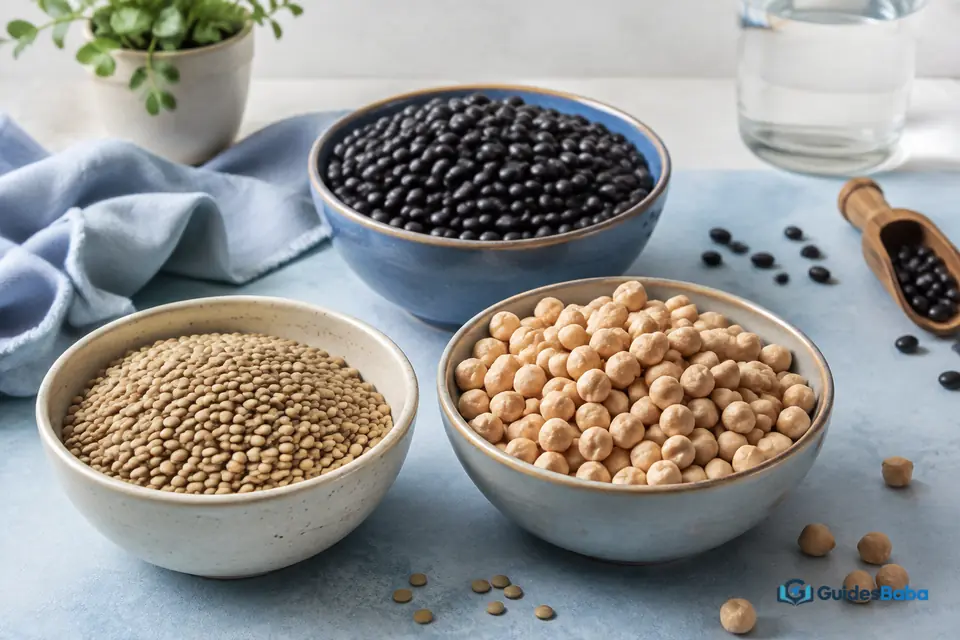
Leafy greens are classic folate sources. Beans, peas, and lentils help too. Oranges and other fruit add some. Fortified cereals can boost intake. Broccoli and asparagus are useful. Explore the essential nutrients your body needs.
You do not need rare superfoods. Everyday whole foods work well. Aim for colour on your plate. Your care team can adjust this. Simple food is often best.
Food folate versus supplements

Food folate is valuable and healthy. Still, it can be hard to guarantee enough. Cooking can reduce folate in food. So supplements often fill the gap.
Doctors commonly advise a folic acid supplement. It offers a reliable, steady amount. Food and supplements can work together. This helps cover early needs well. Your doctor decides what suits you. Never guess a dose on your own.
You should not self-prescribe here. Ask your doctor or midwife first. They know your history and needs. This is not medical advice. Always confirm before you start anything.

Folic acid and healthy blood
Folate helps your body make blood cells. Your blood volume rises in pregnancy. Healthy cells support that change. It keeps oxygen moving well.
Low folate can affect your blood. It may leave you feeling tired. A good intake supports energy. It works alongside iron for blood health. Your doctor may check your levels. Follow their advice on any supplements.
You should not guess about blood health. Let your care team run checks. They can spot any gaps. Then they will advise you clearly. Reliable testing beats guesswork.
Combining folate with other nutrients

Folate does not work alone. It joins many other nutrients. A varied diet ties them together. Balance helps everything work.
Iron supports healthy blood too. Vitamin B12 works closely with folate. Whole foods supply many of these. A mixed diet covers a lot. Your care team can advise more. Food should do the heavy lifting.
You should not chase one nutrient alone. A balanced plate does most work. It quietly covers the basics. Supplements fill specific gaps only. Let a professional guide any additions.
Everyday ways to boost folate
Small habits can lift your folate intake. You do not need big changes. Simple swaps add up over time. Consistency matters more than perfection.
Add a handful of leafy greens daily. Choose fortified cereal at breakfast. Include beans or lentils in meals. Snack on fruit like oranges. Keep salads colourful and fresh. Cook greens lightly to protect folate. Small routines make a difference.
You should still follow professional advice. Food supports but may not replace supplements. Your doctor can confirm your needs. Combine good food with real guidance. Balance is the goal here.
Folic acid before pregnancy
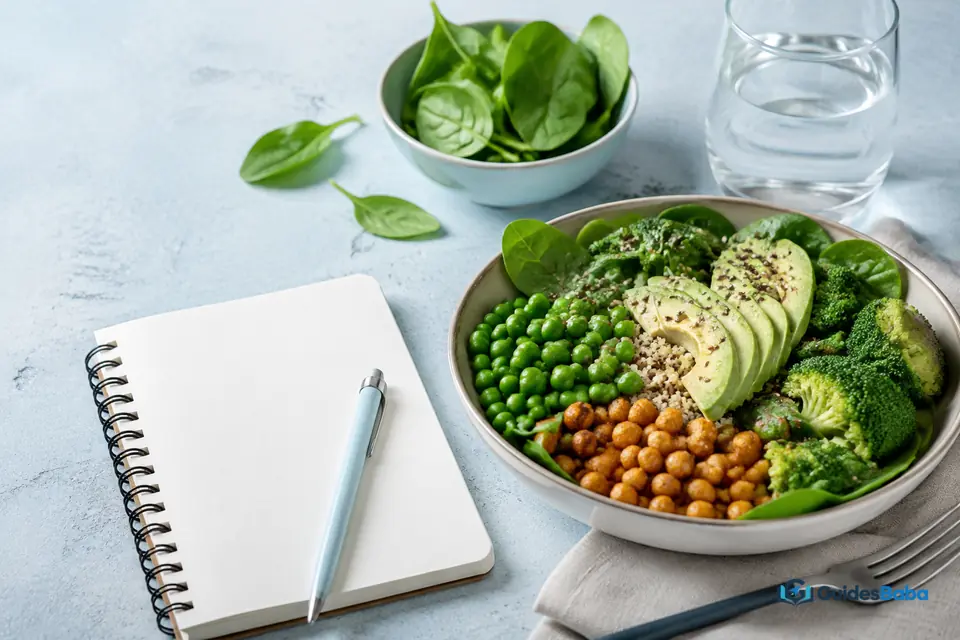
Planning ahead can really help. Folate stores build up over time. Starting early gets you ready. Preparation supports those first weeks.
If you plan a pregnancy, ask early. Your doctor may advise starting sooner. Good habits before conception help a lot. A healthy diet supports the plan. Your team can guide the timing. Early steps set a strong base.
You do not need to be perfect. Aim for steady, sensible habits. Small good choices add up. Your care team will support you. Progress matters more than perfection.
Safety and sensible limits
More is not always better here. Very high intakes need medical guidance. Your doctor sets safe amounts. Sensible limits keep you safe.
Stick to advised amounts only. Do not stack random supplements together. Some products contain overlapping ingredients. Read labels and ask questions. Your midwife can review your products. Report anything that worries you.
You should never self-adjust doses. Always check with a professional first. This is not medical advice. They know your full situation. Safety comes before any shortcut.
Food folate versus supplement folic acid
People often ask which is better. The clear comparison is food folate versus supplement folic acid. Both have a useful place.
| Food folate | Supplement folic acid |
|---|---|
| Comes with other nutrients | Offers a steady set amount |
| Can vary with cooking | More reliable and consistent |
| Good daily foundation | Helps cover early gaps |
| Part of a varied diet | Guided by your care team |
They are partners, not rivals. Food builds a healthy base. Supplements add reliable support. Let professionals guide your plan.
Common folic acid mistakes
One mistake is starting too late. The key window is very early. Waiting can miss that time. Early action is better.
Another mistake is guessing your own dose. Some people take random amounts. Others skip it once they feel fine. Both can cause problems. Guesswork has no place here.
You should avoid stacking supplements blindly. Base your choices on real advice. Your midwife can correct myths. Trusted guidance keeps you safe. Reliable sources beat old rumours.
Folate for vegetarians and vegans
Plant-based diets can supply plenty of folate. Many rich sources are naturally vegetarian. Leafy greens and beans lead the way. Planning helps a lot.
Load your plate with greens and pulses. Add fortified cereals and bread. Include lentils, peas, and chickpeas often. Your dietitian can review your intake.
You should still confirm your needs. Some plant eaters watch vitamin B12 too. Your doctor can advise on this.
Common folic acid myths
Myths about folic acid spread easily. Some people repeat old rumours. Clear facts help you decide well. Trusted advice helps.
One myth says food alone is always enough. Another says more is simply better. Some claim you can stop once comfortable. These ideas can mislead you. Your doctor can correct them. Rely on facts, not gossip.
You should question unverified claims online. Reliable sources beat social rumours. Good information keeps you safe.
Talking to your midwife about folate
Your midwife is a key partner here. She can answer your folate questions. Regular chats keep you informed. Open talk helps.
Ask about timing and safe amounts. Mention any supplements you already take. Share your diet and any concerns. She can tailor the advice.
You should never feel shy to ask. No question is too small here. Bring a list to appointments.
When to seek professional advice
General tips suit many pregnancies well. Still, every pregnancy is unique. Personal advice always matters most. Your needs are truly your own.
See your midwife or doctor regularly. Ask about folic acid and timing. Some people need special guidance. Certain conditions need extra care. Your team will tailor everything. Regular checks keep you on track.
This is not medical advice. See a professional for your own plan. Use these ideas as general background. Then follow your trusted care team. They know your full history.
Building simple folate habits
Good habits grow from small steps. Change one thing at a time. Build steadily through your day. Small shifts feel manageable.
Keep greens in the fridge ready. Choose fortified cereal when you shop. Plan simple, balanced meals ahead. Set a reminder for supplements. Prepare easy snacks in advance. Small routines make a difference. Preparation removes daily stress.
Above all, listen to your body. Pair good food with real advice. Ask questions at every check. Lean on your care team. They are there to help you.
Frequently asked questions
Why is folic acid important during pregnancy?
It supports early development and the neural tube. That structure becomes the brain and spine.
When should I start taking it?
Doctors often advise starting before conception. Ask your doctor about the right timing.
Can I get folate from food alone?
Food helps a lot, but may not be enough. Doctors often advise a supplement too.
Which foods are high in folate?
Leafy greens, beans, lentils, and oranges help. Fortified cereals add more folate.
What dose should I take?
Ask your doctor or midwife first. They advise what is right for you.
Is folic acid the same as folate?
Folate is the natural form in food. Folic acid is the made supplement form.
Can I take too much?
Very high intakes need medical guidance. Stick to advised amounts only.
Does folic acid help my blood?
Yes, it supports healthy blood cell formation. It works alongside iron for blood health.
What if my pregnancy was unplanned?
Speak to a professional as soon as possible. They can advise your next steps.
When should I seek advice?
See your midwife or doctor regularly. Ask about any concerns straight away.
The bottom line
So why is folic acid important during pregnancy? It supports early development strongly. It helps the neural tube form. Early timing really matters here. Food and supplements both help.
You do not need to feel overwhelmed. Focus on steady, sensible habits. Eat folate-rich foods each day. Lean on your care team throughout. Learn more about what to eat during pregnancy too.
For general background, read this overview of folate. You can also learn about the neural tube. Use trusted sources alongside professional advice.
This is not medical advice. See a professional for your own care. Every pregnancy is truly different and personal. Then let your trusted team guide you.